


Table of Contents
Japandi interior design is taking the world by storm, captivating homeowners and designers alike who want refined simplicity without sacrificing coziness or functionality.
Key Takeaways
- Japandi interior design skillfully blends Japanese minimalism with Scandinavian warmth, ideal for modern, compact living.
- There are no strict technical or color palette rules—authenticity means using quality, functional pieces, natural materials, and balanced layouts.
- Embracing Japandi involves practical challenges, especially sourcing authentic furnishings and avoiding sterile, cold results.
What is Japandi Interior Design?
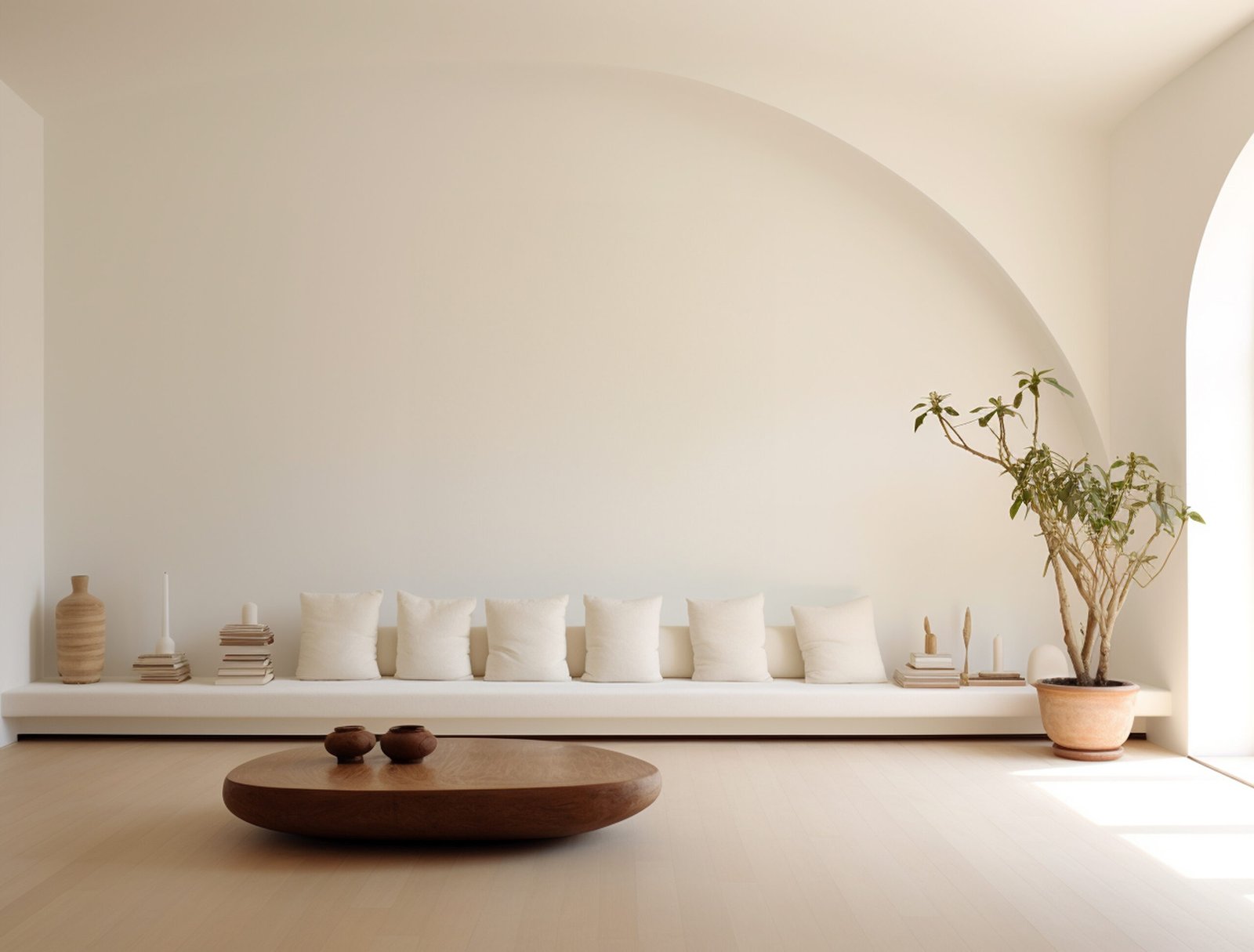
Japandi interior design combines the tranquil, natural minimalism of Japanese interiors with the soft, rustic functionality of Scandinavian homes. Both styles focus on tranquility, intentionality, and living mindfully in uncluttered spaces. As one of the most searched interior design terms worldwide in 2024, Japandi speaks to urban dwellers who want their homes to feel calming but also practical, embracing quality over quantity and sustainability over trend-chasing. The style is characterized by natural light, gentle color palettes, clean lines, solid wood coffee tables, multi-functional furniture, and organic textures.
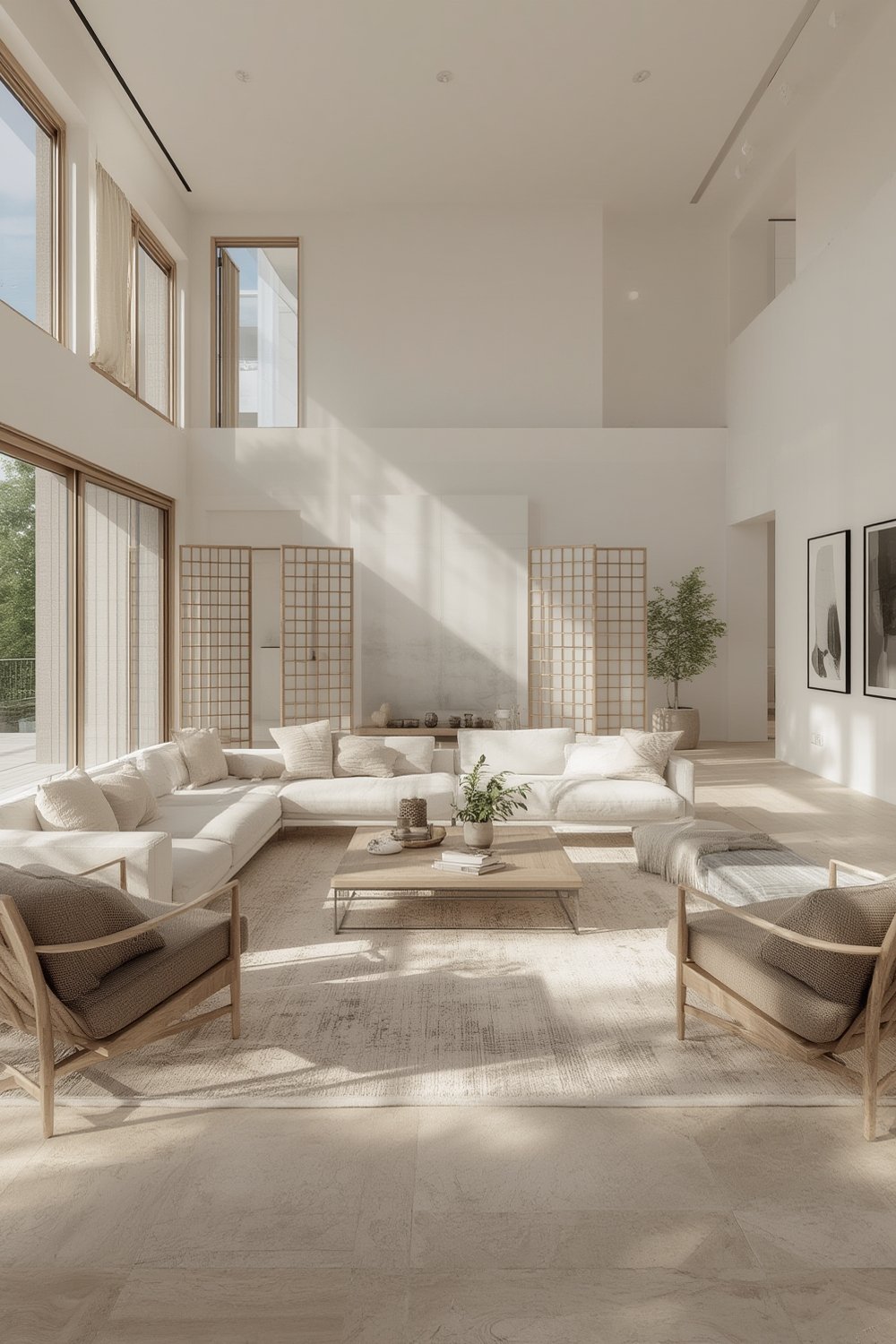
There are no rigid rules. Instead, the Japandi approach encourages authenticity—choosing timeless pieces with purpose and enveloping them in a natural, soothing setting. While Japan and Scandinavia influenced the look, global searches—and practical needs in smaller homes—have pushed Japandi to prominence. According to recent search trend data, the design captures sustained international interest and continues to grow as a sophisticated, livable style.
How to Achieve Japandi Style at Home: Step-by-Step
Japandi is accessible—if you approach it methodically. Here’s how to make it work in your own home:
- Edit Relentlessly: Remove all unnecessary decor, any furniture that doesn’t serve a clear purpose, and unneeded clutter. Stick with objects that have true utility or emotional value.
- Choose a Muted, Nature-Inspired Palette: Start with soft whites, stone greys, light woods, dusky greens, and sandy beige. These colors make spaces feel larger and calmer even in small homes.
- Matter over Quantity: Invest in a handful of quality pieces. Think low-profile sofas, solid wood coffee tables (like these beautiful rustic coffee table ideas), or ergonomic armchairs in neutral upholstery.
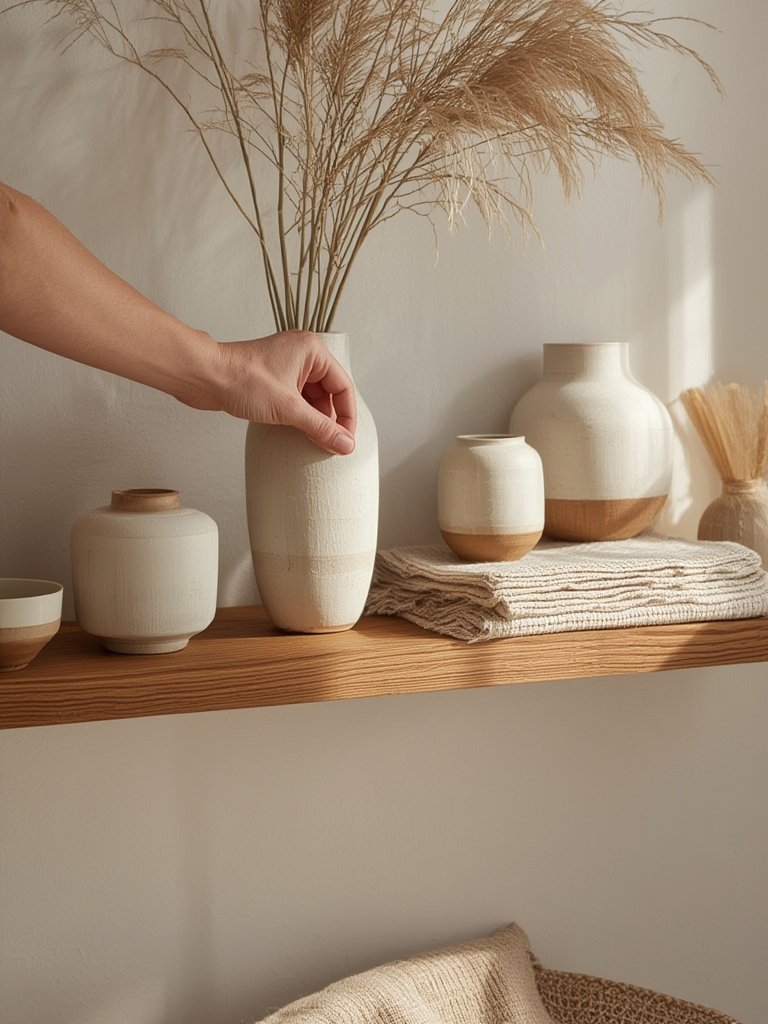
- Incorporate Organic and Textural Elements: Mix smooth woods, hand-thrown ceramics, textured linens, and bamboo. Add potted plants for softness.
- Ensure Functionality: Opt for multi-purpose or modular furniture—a tenet of both Scandinavian and Japanese design. Consider space-saving furniture for modern living to keep small homes organized and flexible.
- Embrace Negative Space: Don’t fill every wall or surface. Let objects breathe and visually separate.
- Add Subtle Accents: Japanese shoji screens, minimalist pendant lighting, or a simple tatami mat can bridge the stylistic gap. Keep decor proportioned and understated.
- Pursue Sustainability: Source eco-conscious materials where possible. Look for FSC-certified wood or recycled fibers as described in our eco-friendly furniture materials guide.
Need more inspiration for your living room? Explore our cozy living room ideas to see how muted palettes and intentional layouts can transform your home’s atmosphere from busy to balanced.
Want your space to feel calm? Our neutral home decor ideas show that a Japandi palette doesn’t have to mean boring or lifeless—layering subtle tones can create remarkable visual interest.
Advanced Analysis and Common Pitfalls
Implementing Japandi interior design can be deceptively challenging. Here’s what typically goes wrong and how to avoid it:
- Over-Minimalism: In pursuing clean surfaces and empty space, homes can become cold or uninviting. The trick is balance—soft textures, warm lighting, and a few personal objects prevent sterility.
- Forgetting Function: Some Japandi-inspired rooms prioritize looks over usability. Every piece should have a purpose; storage, comfort, and adaptability are just as important as style. See our guides to best furniture for small spaces and compact furniture for small rooms to avoid this trap.
- Expensive Sourcing: Authentic Japandi furnishings—especially hand-crafted pieces—can be costly, and imports add to the price. Seek out local craftspeople or sustainable brands offering affordable alternatives.
- Color Mismatch: While designers recommend very muted palettes, real homes often mix in accent colors for warmth. There is no absolute rule, but aim for visual harmony by using earthy tones and avoiding overly vibrant accents.
- Lack of Local Adaptation: Japanese and Scandinavian elements must be adapted to your climate and lifestyle. Don’t copy a look from a magazine—interpret it for your actual home.
| Pitfall | What Happens | How to Fix It |
|---|---|---|
| Too Few Furnishings | Rooms feel sparse and echoey | Layer in rugs and textiles, add a couple of plants |
| All Neutral, No Contrast | Visual monotony | Add black or deep wood for subtle contrast |
| Lack of Functional Storage | Clutter builds up fast | Use multitasking furniture and hidden storage solutions |
| Imported Only Decor | High costs and slow sourcing | Mix local finds with signature Japandi pieces |
It’s also worth noting: specific sustainability ratings for Japandi materials are lacking, though the style strongly encourages eco-friendly choices. For deeper comparisons and advice on wood choices, see our oak vs walnut furniture guide and best wood for DIY furniture projects.
For homes with pets and limited space, maintaining Japandi clarity can be tricky. Our pet essentials for small homes shows how to integrate practical pet solutions without abandoning your aesthetic.
Conclusion
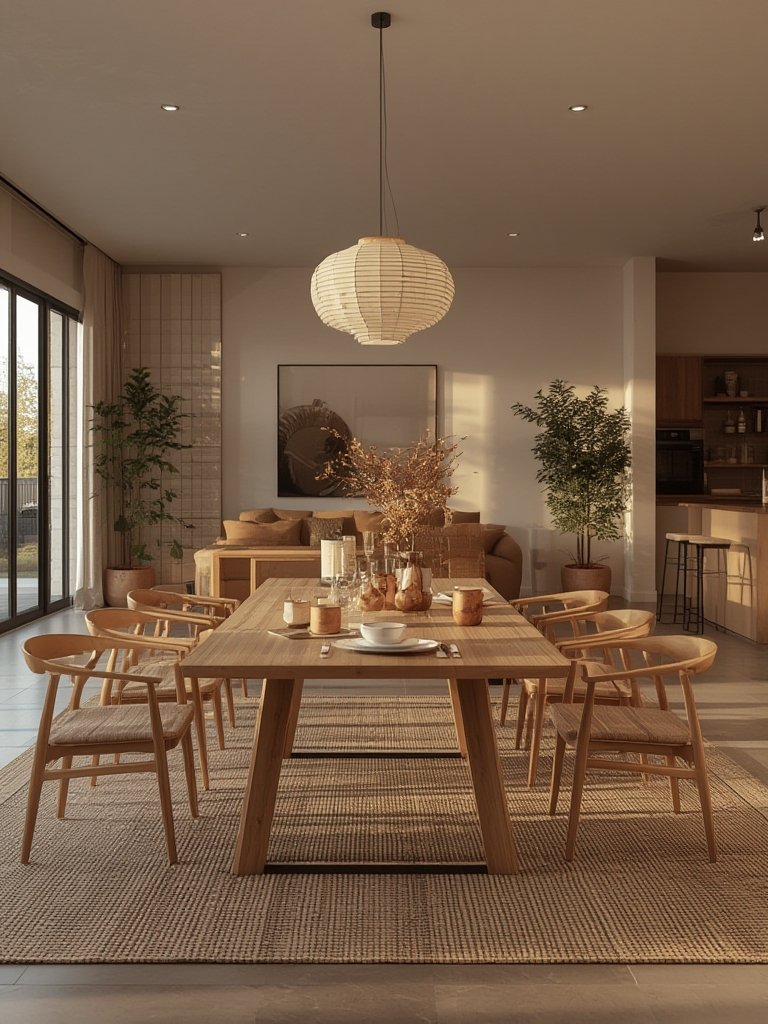
Japandi interior design is far more than a trend; it’s a meaningful, modern approach to living well in smaller, busy spaces. The combination of functionality, simplicity, and sustainable choices creates homes that are both beautiful and livable. With thoughtful adaptation, creative sourcing, and a true understanding of both cultures, anyone can apply these principles. If you want a calm, streamlined, and inviting interior, Japandi interior design is well worth your focus. Ready to embrace less and enjoy more? Start your Japandi journey today.
Frequently Asked Questions
Is Japandi interior design suitable for small apartments?
Absolutely. Japandi thrives in small spaces due to its focus on multi-purpose furniture, uncluttered layouts, and maximizing natural light. For practical ideas, explore our space saving ideas for small homes.
What colors work best for a Japandi-inspired room?
Stick with subtle, organic tones like beige, grey, soft black, sage, and natural wood shades. While professionals recommend extremely muted palettes, in real homes, adding a touch of black or charcoal gives depth and character.
Can I combine Japandi with other decor styles?
Yes, if you do so intentionally. Japandi works well with industrial, midcentury, or boho touches, as long as you maintain visual harmony and avoid overcrowding.
How do I make Japandi feel cozy, not cold?
Layer tactile elements: wool throws, linen curtains, warm wood tones, candles, and strategically placed plants. Avoid over-reliance on white and sparse arrangements—balance is key.
Is Japandi furniture expensive?
Some authentic Japandi pieces are handmade and can be costly, especially imports. However, many retailers and local makers now offer affordable pieces that capture the look and functionality. Check out affordable home transformation ideas for budget-friendly inspiration.