


Table of Contents
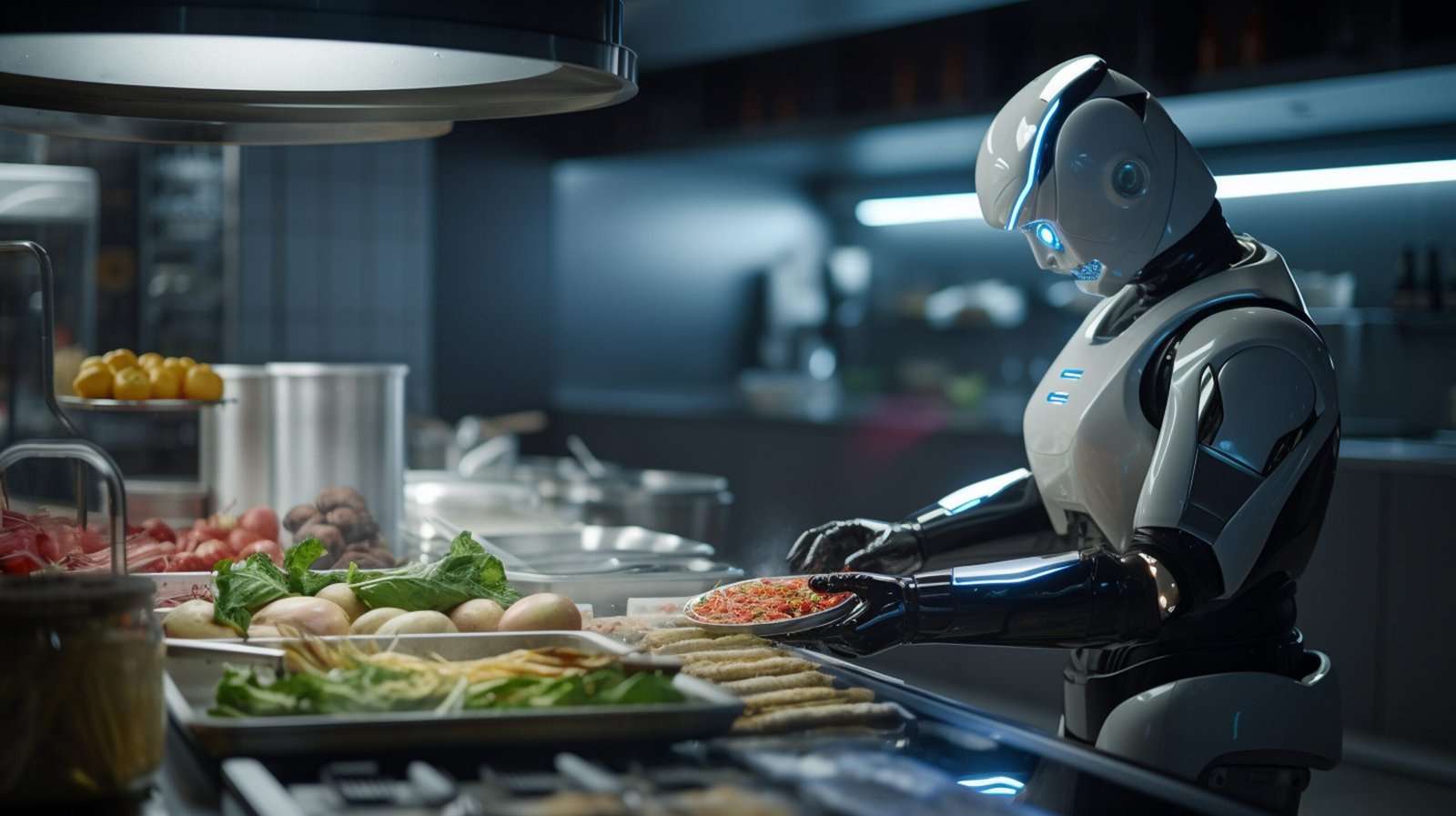
AI cooking assistant technology is quietly transforming kitchens around the world, helping everyday cooks streamline meal planning, save time, and gain confidence whether prepping simple dinners or ambitious recipes. This guide covers everything you need to know about using an AI cooking assistant—how it works, actionable steps to get started, benefits, and potential drawbacks you need to watch for.
Key Takeaways
- AI cooking assistants deliver fast, personalized meal planning, kitchen automation, and energy savings for busy home cooks.
- Adoption is booming, with 55% of consumers using AI for kitchen help and global markets growing at double-digit rates.
- Hands-free controls, integration with smart appliances, and expanding nutrition-focused features set the technology apart—but there are real-world limitations to consider before relying fully.
The Core Concept
An AI cooking assistant is a digital tool or platform that leverages artificial intelligence—specifically, advanced algorithms, sensors, and real-time data—to automate and personalize many aspects of meal preparation. Unlike old recipe apps or voice-controlled timers, AI cooking assistants connect directly with smart kitchen appliances, analyze your habits, monitor cooking in progress, and recommend recipes tailored to your preferences, dietary needs, and available ingredients. The primary goal: reduce stress, minimize planning, and improve results in any kitchen by letting artificial intelligence do the heavy lifting.

Driving record growth in adoption, these assistants use machine learning to continuously refine suggestions, integrate voice commands for hands-free use, and connect to services such as grocery delivery or smart home energy monitors. For example, IBM’s Watson Recipe AI has partnered with HelloFresh to optimize ingredient substitutions, while Amazon’s CookIQ brings step-by-step, voice-guided assistance to the Alexa ecosystem. Research shows smart kitchen solutions are on pace to exceed $14 billion in global value by 2030, fueled by connected consumers who prioritize efficiency, sustainability, and personalized food recommendations.
If you are interested in optimizing every aspect of your kitchen, check out these tips on modern small kitchen design for additional inspiration.
Step-by-Step Guide
Ready to integrate an AI cooking assistant into your kitchen? Here’s a practical action plan:
- Identify your priorities. Decide what you want most—meal planning, dietary tracking, smart appliance automation, or all of the above.
- Research compatible platforms. Evaluate available assistants (e.g., those compatible with Alexa, Google Home, or Siri), check if your appliances connect, and look for options with nutritional, voice, or energy management features. For advanced automation, review solutions similar to those found in our smart kitchen appliances guide.
- Set up and connect devices. Follow instructions to sync your AI cooking assistant app or hub with your oven, stove, fridge, or grocery delivery account. Voice activation is key for hands-free control—make sure microphones and recognition settings are calibrated.
- Personalize your profile. Enter food preferences, allergies, dietary restrictions, and preferred cuisines. Many systems ask for family input to create custom meal plans.
- Sync grocery and recipe services. Use the assistant to build shopping lists, auto-order ingredients, or substitute based on real-time inventory or sales. Powerful integrations are supported by leading brands, such as HelloFresh and Amazon CookIQ.
- Begin meal planning. Let your AI assistant suggest menus for the week based on your pantry inventory, schedule, and nutritional goals.
- Leverage in-cook guidance. During cooking, ask the assistant for step-by-step instructions, timing alerts, and safety reminders. For energy-efficient cooking, you might combine this technology with tools discussed in our energy efficient kitchen tools guide.
- Track results and refine. Each use helps the AI refine its recommendations, so don’t skip providing feedback after meals or flagging substitutions you like (or dislike).
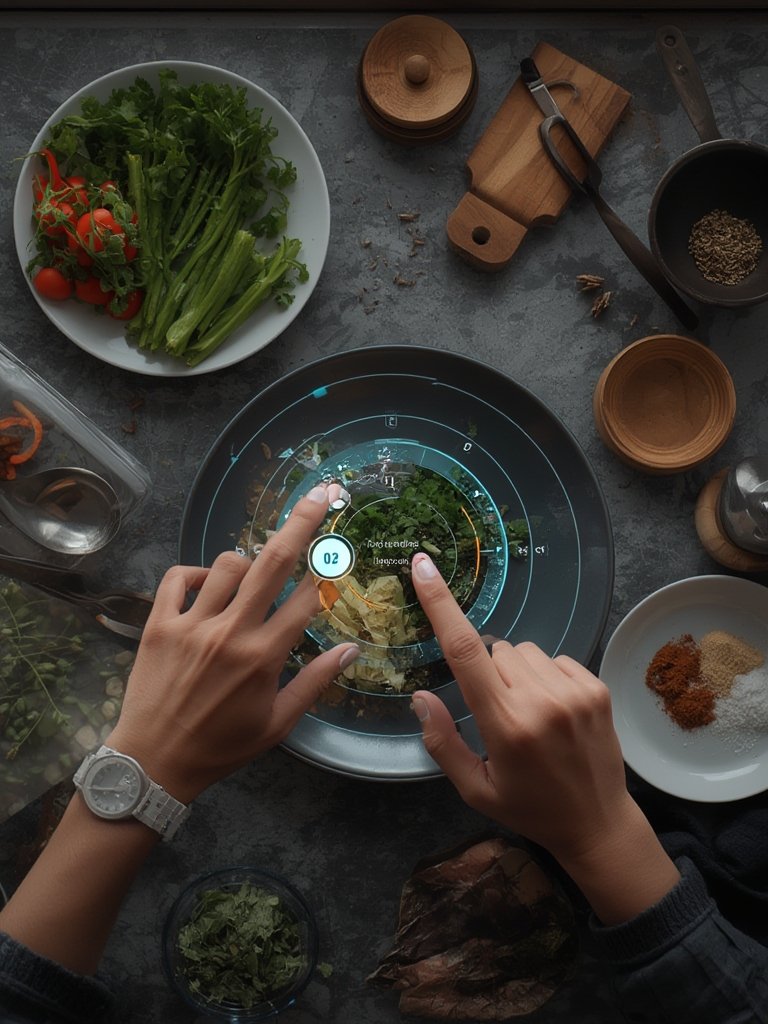
Want to keep your cooking process seamless, especially in a busy home? Try integrating your AI assistant with modern appliances that support voice commands, like a smart oven or connected refrigerator. The combination boosts efficiency and brings you closer to a fully automated, responsive kitchen. You can read more about appliance trends in our best kitchen trash cans article where we cover hands-free features and organizational tips.
For households with limited space, pairing a compact AI assistant system with compact furniture helps ensure your kitchen remains uncluttered and functional.
Advanced Analysis & Common Pitfalls
While AI cooking assistants offer strong benefits, they aren’t perfect. Here’s a realistic look at the biggest issues and advanced considerations for smart home cooks:
- Incomplete user feedback. Many platforms still lack transparency on common pain points, and user complaints are hard to analyze due to limited published reviews.
- High up-front cost or hidden subscription fees. The price for some devices or app features can be significant, especially where pricing is opaque or tied to proprietary appliances.
- Gaps in dietary or medical support. While nutrition-based features are expanding—like Nestlé’s HealthKitchen—AI assistants may not (yet) fully accommodate complex dietary needs or medical meal plans.
- Potential tech frustration. Connecting multiple smart appliances and configuring profiles can be confusing, particularly for less tech-savvy users or in homes with mixed brands.
- Limited real-time nutrition tracking or health integrations. Most assistants support general dietary preferences, but direct linkage with fitness trackers or health apps is still emerging.
- Dependence on connectivity. AI assistants can become useless during Wi-Fi outages or unplanned disconnections, so always have a backup plan for meal preparation.
| Feature | AI Cooking Assistant | Traditional Recipe App | Manual Cooking/Planning |
|---|---|---|---|
| Personalization & Diet | Advanced & Dynamic | Limited or Static | Manual only |
| Smart Appliance Control | Yes, real-time | Rare/Partial | None |
| Energy Efficiency Insights | Built-in (on supported systems) | Manual tracking | Manual/guesswork |
| Voice Control | Full (Alexa, Siri, etc.) | Partial/None | None |
| Food Waste Prevention | Emerging AI features | Manual or N/A | N/A |
| Commercial Use | Some, growing rapidly | Rare | Yes, but labor intensive |
Despite the hype, measured results like health impact, time saving, or food waste reduction haven’t been standardized or widely published in peer-reviewed literature. If you want more insight into easy efficiency upgrades, our simple home improvement projects guide includes tips relevant to kitchens and smarter meal spaces.
Energy savings and automation are major value drivers, but always review product reviews and integration support before making a purchase. Explore the future of connected kitchens with deep dives on TikTok kitchen trends to see how social and AI-powered recipes intersect for inspiration and practical quick wins.

Conclusion
The AI cooking assistant is becoming central to the smart kitchen, merging personalization, energy savings, and seamless automation in ways not possible with manual methods. Adoption is expanding rapidly—but users need to consider pricing, interoperability, and information gaps before relying on an AI cooking assistant for daily meal planning or dietary tracking. With careful setup, routine use, and attention to ecosystem compatibility, the benefits can be dramatic. Ready to try AI-powered meal planning? Take your first step by exploring compatible devices and integrations that fit your needs—and let artificial intelligence lighten your time in the kitchen.
FAQ Section
How do AI cooking assistants personalize recipes?
They use machine learning to analyze your cooking history, taste preferences, dietary restrictions, and even what’s in your pantry—then recommend recipes dynamically that match what you have and what you like.
Is an AI cooking assistant easy to set up for a beginner?
Most modern platforms are designed to be plug-and-play, but you’ll get the best results if you follow onboarding prompts closely and connect compatible appliances. Some users may need extra guidance to sync devices or adjust voice recognition settings.
Will an AI cooking assistant work with any kitchen appliance?
No. Full automation depends on your appliances supporting smart or IoT technology, and some assistants only integrate with certain brands or device types. Always check compatibility before purchasing software or new kitchen equipment.
Are there privacy risks with AI cooking assistants?
Like any connected device, there can be privacy risks if voice data or usage history is improperly protected. Review privacy settings and data policies on your chosen platform, and consider home network security best practices.
Can AI cooking assistants help reduce food waste?
Yes. Many systems now offer inventory tracking and recipe suggestions that encourage using what you have before it spoils—helping cut food waste and saving money.