


Table of Contents
Introduction
The decor trends of 2026 reflect a major evolution in how people design, use, and emotionally connect with their homes. Interiors are no longer created solely for visual appeal—they are now deeply rooted in well-being, sustainability, adaptability, and personal expression. As lifestyles continue to shift toward remote work, mindful living, and environmental responsibility, home décor has become more intentional and experience-driven than ever before.
In 2026, homes function as multifunctional sanctuaries: places to work, recharge, socialize, and retreat. The decor trends of 2026 emphasize balance—where innovation meets warmth, minimalism meets character, and technology integrates seamlessly into everyday living. This year’s trends move away from short-lived aesthetics and focus on long-term comfort, emotional resonance, and conscious design choices.
Below, we explore the most influential decor trends of 2026 and how they are shaping modern interiors across homes of all sizes.
Key Features of the Decor Trends of 2026
The leading decor trends of 2026 share several defining characteristics that distinguish them from previous years:
- A strong emphasis on emotional well-being and comfort
- Deeper integration of nature-inspired and sustainable materials
- A refined return to vintage and heritage design elements
- Smart home technology blended invisibly into interiors
- Personalized minimalism rather than cold, impersonal spaces
Together, these features redefine interior design as purposeful, adaptable, and supportive of modern lifestyles.
Real-World Performance in Modern Homes
In real homes, the decor trends of 2026 perform exceptionally well because they respond directly to how people live today. Biophilic design elements have been shown to improve mood, focus, and productivity—making them especially valuable in work-from-home environments.
Smart home features reduce energy consumption and daily friction, while sustainable materials provide durability and long-term value. Homeowners increasingly report greater satisfaction with interiors that feel curated rather than trend-chasing. The decor trends of 2026 prioritize longevity, adaptability, and emotional comfort over fast-changing aesthetics.
These trends also allow for gradual updates, enabling homeowners to refresh spaces without complete redesigns—an approach that aligns with both sustainability and budget-conscious living.
Biophilic Design: A Core Pillar of Decor Trends of 2026
Biophilic design remains one of the strongest decor trends of 2026, deepening the connection between indoor spaces and the natural world. This design philosophy recognizes the psychological and physical benefits of nature-inspired environments.
Key biophilic elements include:
- Natural materials such as wood, stone, clay, and bamboo
- Indoor plants, living walls, and herb gardens
- Large windows and skylights that maximize daylight
- Organic shapes, soft curves, and natural textures
Beyond aesthetics, biophilic interiors reduce stress, enhance creativity, and support healthier indoor environments. In 2026, this trend evolves further with drought-resistant plants, low-maintenance greenery, and responsibly sourced materials that align beauty with sustainability.
Vintage Revival with a Modern Perspective
The resurgence of vintage and retro styles continues to shape the decor trends of 2026, but with a more refined and intentional approach. Instead of fully retro interiors, designers are blending character-rich vintage pieces with modern layouts and materials.
Popular vintage-inspired elements include:
- Mid-century modern furniture with updated upholstery
- Warm wood tones and handcrafted details
- Rich colors such as terracotta, olive, burgundy, and navy
- Statement lighting inspired by the 1960s–1980s
This trend supports sustainability by encouraging second-hand shopping, restoration, and upcycling. In the decor trends of 2026, vintage is not about nostalgia alone—it’s about authenticity, craftsmanship, and individuality.
Personalized Minimalism: Less, But Meaningful
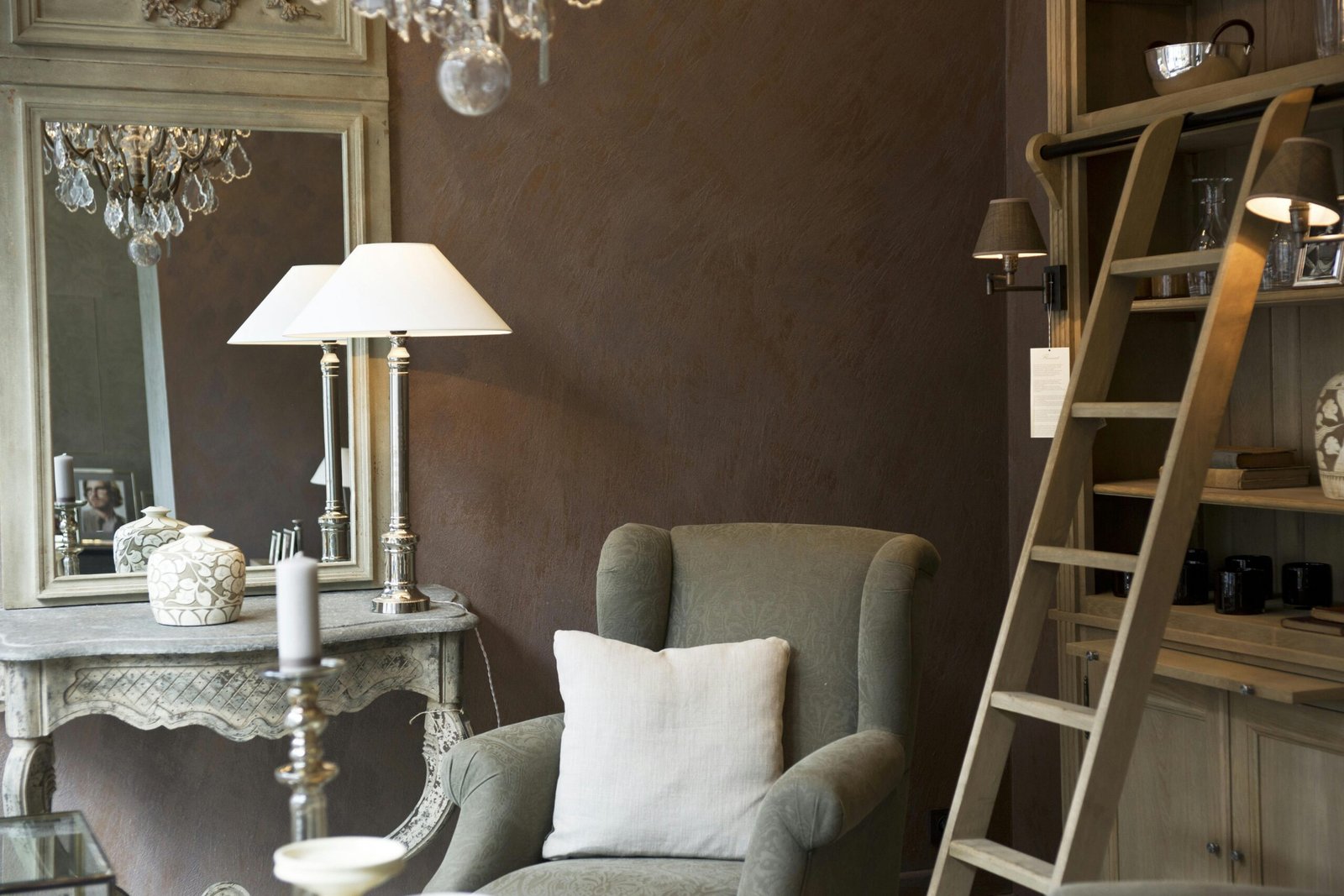
Minimalism remains influential, but the decor trends of 2026 redefine it as warmer, softer, and more personal. Sterile, empty spaces are replaced by intentional simplicity that reflects personal stories and emotional value.
This evolved minimalism focuses on:
- Neutral palettes with warm undertones
- Layered textures such as linen, wool, wood, and ceramics
- Carefully chosen art, books, and handmade objects
- Decluttered spaces that still feel lived-in
The result is an environment that feels calm without being cold—perfect for modern homes that prioritize mental clarity and comfort.
Smart Home Technology That Blends In
Technology is a major driver of the decor trends of 2026, but visibility is no longer the goal. Smart features are now discreet, integrated, and design-conscious.
Key advancements include:
- Smart lighting systems that adapt to time of day and mood
- Thermostats that optimize comfort and energy efficiency
- Furniture with built-in wireless charging and hidden controls
- Voice-controlled systems with minimal visual presence
Rather than dominating interiors, technology enhances daily life quietly. In 2026, smart homes are intuitive, energy-efficient, and aesthetically seamless.
Sustainable and Eco-Friendly Materials Take Center Stage
Sustainability is no longer a niche concept—it is central to the decor trends of 2026. Homeowners are increasingly aware of environmental impact and demand transparency in sourcing and production.
Popular sustainable materials include:
- FSC-certified and reclaimed wood
- Bamboo, cork, and rattan
- Recycled glass, ceramics, and metals
- Organic, low-impact textiles and dyes
These materials are chosen not only for their environmental benefits but also for their durability and timeless appeal. Sustainable decor in 2026 is both ethical and elegant.
Pros and Cons of the Decor Trends of 2026
Pros
- Enhances emotional well-being and comfort
- Encourages environmentally responsible choices
- Supports personalization and long-term design
- Integrates technology without visual clutter
- Promotes durability and timeless aesthetics
Cons
- Sustainable materials may have higher upfront costs
- Smart home systems require setup and maintenance
- Vintage sourcing can take time and patience
Understanding these trade-offs helps homeowners adopt trends thoughtfully and strategically.
Who Are the Decor Trends of 2026 For?
The decor trends of 2026 are ideal for:
- Homeowners seeking comfort-focused interiors
- Eco-conscious consumers
- Remote workers and hybrid households
- Design lovers blending modern and vintage styles
- Tech-savvy individuals valuing convenience and efficiency
These trends adapt well to apartments, houses, and flexible living environments.
Final Verdict
The decor trends of 2026 represent a thoughtful and mature evolution in interior design. Rather than chasing short-lived aesthetics, this year emphasizes intentional living—homes that support well-being, reflect individuality, and respect the environment.
From biophilic design and vintage revival to personalized minimalism, smart technology, and sustainable materials, the decor trends of 2026 work together to create interiors that feel grounded, functional, and future-ready. By embracing these trends, homeowners can design spaces that are not only beautiful, but also meaningful, resilient, and aligned with modern values.

[…] anchor without overpowering the room. To keep this look intentional and uncluttered, explore our minimalist home decor tips for practical ways to style simple, calming […]
[…] Handleless cabinets, hidden appliances, smart integrated tech, tactile finishes, and flexible storage are all essential. Earthy hues and seamless layouts dominate. For further design ideas, check out top decor trends of 2026. […]