


Table of Contents
Self-cleaning litter box technology is changing how cat owners manage pet hygiene, offering hands-free solutions that promise greater convenience and improved health for both pets and people. But before you replace your traditional litter box, it’s smart to weigh the benefits, real-world limitations, and essential buying considerations that can make or break your experience.
Key Takeaways
- Self-cleaning litter boxes automate daily cat waste management, emphasizing odor control and time savings.
- Market leaders like Litter-Robot and PetSafe offer advanced features, but setup, maintenance, and costs can vary significantly.
- Potential pitfalls include noise, required maintenance, and reliability concerns—choose your model with care and realistic expectations.
Self-Cleaning Litter Boxes: What They Are and Why They Matter
A self-cleaning litter box is an automatic device that removes cat waste without manual scooping. It uses sensors and mechanical processes to detect and separate soiled litter, dropping it into a sealed waste compartment. The key driver for widespread adoption is convenience: these boxes save time, tackle odor more efficiently, and help keep your home cleaner.
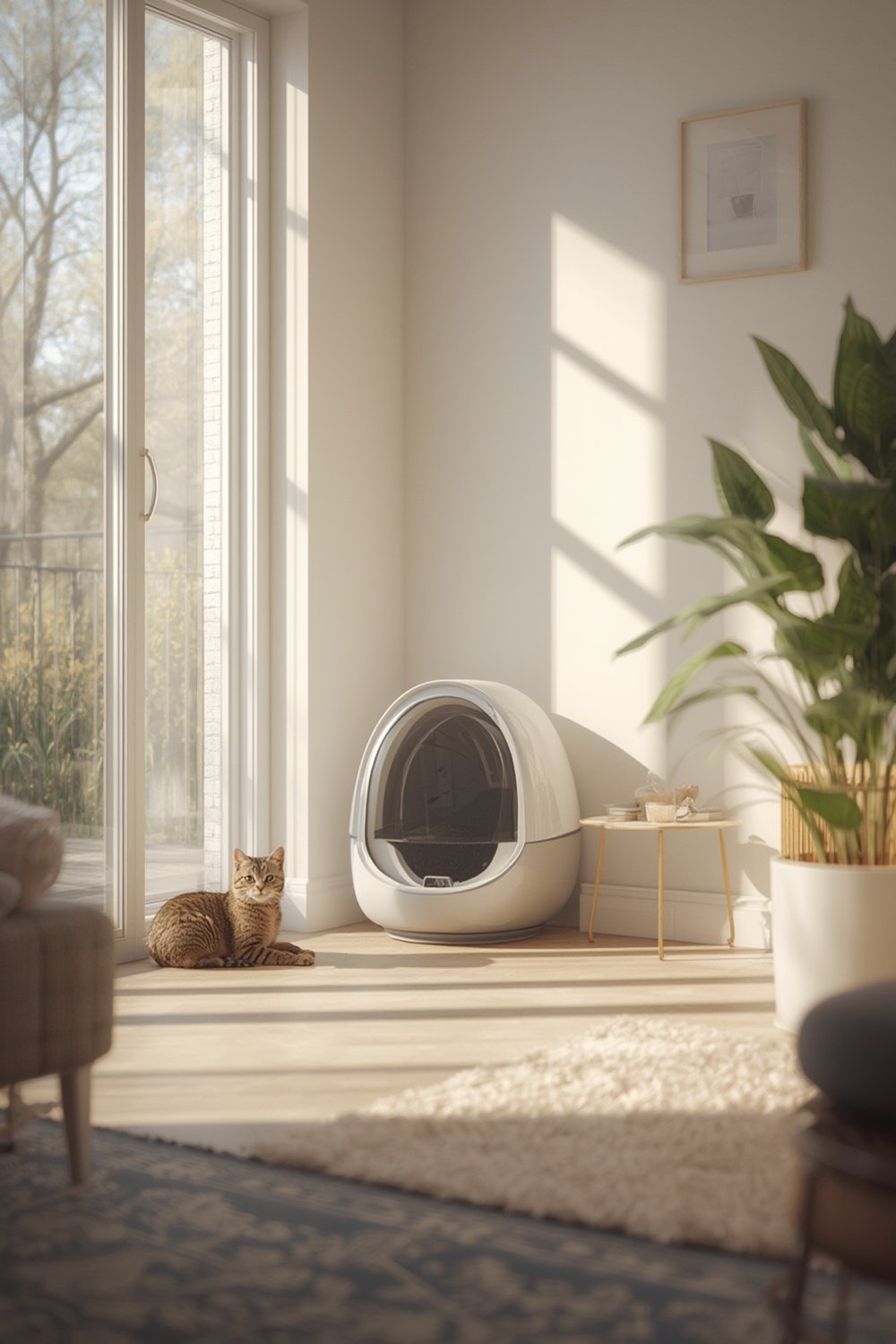
The global market for self-cleaning litter boxes has surged, reaching values between USD 559.3 million and USD 660.6 million in 2024. Growth is boosted by pet owners in North America and Europe looking for advanced odor control, multi-cat compatibility, and app integration. Odor control and hygiene are particularly valued in apartments and small homes, making these products especially useful for urban dwellers or busy households. For more space-saving pet solutions, you might also like pet essentials for small homes.
But self-cleaning litter boxes aren’t just about convenience. They can also improve feline health by reducing risks associated with dirty litter, such as UTIs and bladder stones. With more people working remotely and traveling, having an automated system brings peace of mind for both owners and their cats.
How to Set Up and Use a Self-Cleaning Litter Box
Choosing and implementing your new self-cleaning litter box can feel daunting. Here’s how to do it with minimal frustration and maximum results:
- Pick the Right Model. Compare leading brands like Litter-Robot, ScoopFree, and PetSafe. Prioritize reliable odor control, quiet motor operation, and multi-cat capacity. Offline retail still dominates,
as consumers prefer to check out build quality, size, and durability in person. Refer to expert research on the growing market for up-to-date trends. - Choose the Best Location. Select a spot that’s private for your cat, well-ventilated, and near a power outlet. Avoid areas with direct sunlight or humidity, which can impact sensors.
- Assemble and Test the Unit. Follow the manufacturer’s instructions closely. Test the mechanism several times before letting your cat use it, and make sure sensors trigger correctly.
- Introduce Your Cat Gradually. Transition is easier if you let your cat explore the box while it’s powered off. Place some used litter from the old box inside to encourage use.
- Set Cleaning Schedules. Use the app (if available) to customize cleaning times. Some models allow for real-time waste tracking on your phone.
- Maintenance and Refills. Expect to empty waste drawers and change litter regularly. Some boxes require proprietary litter or liners, so check supply costs in advance.
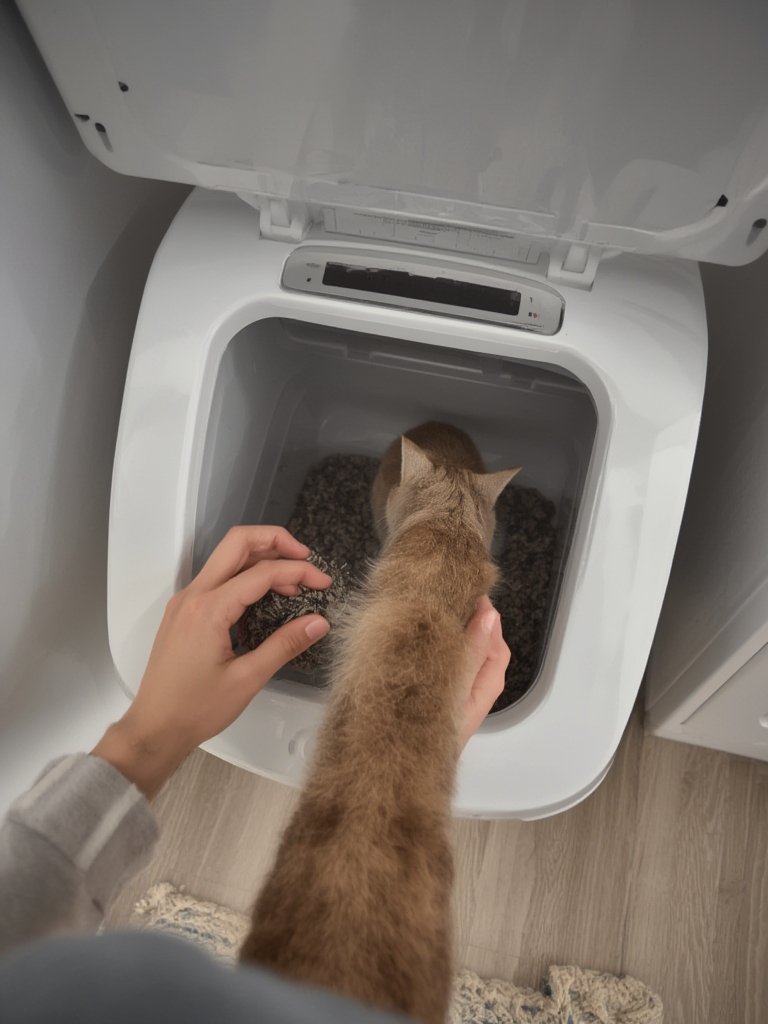
Once the self-cleaning litter box is running smoothly, monitor waste levels through any connected apps, and schedule periodic deep cleans to prevent odor buildup. For eco-friendly options that complement smart litter systems, see our guide on eco-friendly cat litter.
Don’t overlook feline comfort: if your cat seems hesitant, try new locations or box types. For creative feline relaxation ideas, check out cat nook ideas.
Advanced Analysis & Common Pitfalls
Despite growing popularity, the perfect self-cleaning litter box does not exist. Realistic buyers should expect trade-offs in terms of noise, reliability, and ongoing costs. Here’s an overview of common pitfalls and market specifics:
| Feature / Concern | Typical Challenge | Mitigation Tip |
|---|---|---|
| Noise Levels | High-end boxes can still be unexpectedly loud, startling cats | Opt for models featuring “quiet” technology and check in-store demos if possible |
| Maintenance | Waste drawers and internal parts still need regular cleaning | Set calendar reminders; choose a design with easy assembly/disassembly |
| Sensor Errors | Malfunctions occasionally cause waste sorting to stop or get stuck | Keep the box in a clean area; wipe sensors every week |
| Running Cost | Proprietary litter, replacement filters, and power consumption add up | Estimate annual expenses; compare with traditional box costs |
| Cat Acceptance | Some cats are reluctant to use new automated devices | Make the transition gradual and reward positive use |
| Warranty & Safety | Data on safety certifications and warranty policies can be scarce | Contact the manufacturer before purchase; request written policies |
The self-cleaning litter box market is expected to reach USD 869.6 million by 2030, but innovation gaps remain. Long-term reliability, cost transparency, and standardized safety certification lag behind other smart home products. You can explore multifunctional pet gadgets, such as automated feeders, in our smart pet feeder guide.
Offline retail is preferred by most buyers, allowing a real check of durability and sound levels—an approach useful for other small-space or pet products, as described in our guide to the best furniture for small spaces. Brand reputation is valuable, but there’s a lack of direct consumer satisfaction and return rate data for 2024. Don’t expect “set and forget” perfection: self-cleaning boxes help, but careful selection and routine maintenance are still essential.
Conclusion: Smarter Cat Care with Automation
A self-cleaning litter box can streamline pet care and make daily life cleaner, especially for time-strapped or health-conscious cat owners. Choose your model carefully after reviewing brand reputation, in-person product reviews, and ongoing costs. While some problems and quirks persist, the right approach and realistic expectations set you up for success.
If you want to take the next step in automating your pet care, start by shortlisting proven brands, checking them at local retailers, and budgeting realistically. Ready to reclaim your time and upgrade your cat’s health? Invest in a self-cleaning litter box with the features that best fit your needs, and keep exploring automated solutions for a happier, healthier home.
Explore more expert pet care upgrades, including AI pet health trackers and space-saving pet essentials, to build a modern, stress-free pet environment.
Frequently Asked Questions
Do cats easily adapt to a self-cleaning litter box?
Most cats adjust well with gradual introduction, but some may need a transition period. Using familiar litter and keeping the box in a quiet area can help speed up adaptation.
How often does a self-cleaning litter box need to be emptied?
Depending on box size and number of cats, expect to empty the waste drawer every few days to a week. Multi-cat households may require more frequent emptying.
Are self-cleaning litter boxes noisy?
Noise levels vary by model. Some are surprisingly quiet due to innovations like QuietSift, while others may disturb noise-sensitive cats. Always check for real-world demos or user reviews.
Do self-cleaning boxes require special cat litter?
Some models work only with proprietary litter, while others accept standard clumping litter. Check the manufacturer’s guidelines before purchasing to avoid ongoing supply hassles.
Is a self-cleaning litter box suitable for multi-cat households?
Yes, many advanced models are designed for multi-cat use. Ensure the model specifies multi-cat capability and consider having one box per two cats for the best results.