


Table of Contents
### Blog Post:
Scullery kitchen design is changing the way modern homes handle cooking, storage, and cleanup. This trending feature gives you a hidden, efficient zone that keeps your main kitchen looking beautiful and your daily routine uncluttered. If you’re curious about practical benefits, pitfalls, and how to get it right—this guide breaks down exactly what you need to know, based on the latest research and real homeowner experiences.
Key Takeaways
- Scullery kitchen design boosts home value and brings real daily convenience, but it must be customized to your space.
- Space, workflow, and maintenance are critical—ignoring these leads to costly regrets.
- Few resources address scullery design for small homes; careful planning and creative solutions can make it work in tight spaces.
The Core Concept: What Is Scullery Kitchen Design and Why Is It So Popular?
A scullery kitchen design is a hidden prep, cleanup, and storage zone connected to your main kitchen. Instead of letting clutter and mess take over your entertaining space, the scullery does the heavy lifting—washing, prepping, stashing appliances and bulk goods—out of sight. This trend, once found only in grand homes, is now showing up in modern layouts and even compact homes via walk-in pantries or converted laundry rooms.
Why the surge? According to the AIA Home Design Trends Survey, 44% of U.S. architects report increased demand for these hidden kitchen spaces in 2024—a huge jump from previous years. And with the global scullery market hitting USD 8.2 billion, it’s clear homeowners value both practicality and the luxury vibe a secondary kitchen zone brings.
People love sculleries because they:
- Keep prep, dishes, and mess away from your entertaining space
- Add extra storage, fridge/freezer, and appliance zones
- Preserve the aesthetic of a clean, open kitchen (especially popular with fluted kitchen cabinets and minimalist layouts)
- Increase home resale value, thanks to the luxury touch [source]
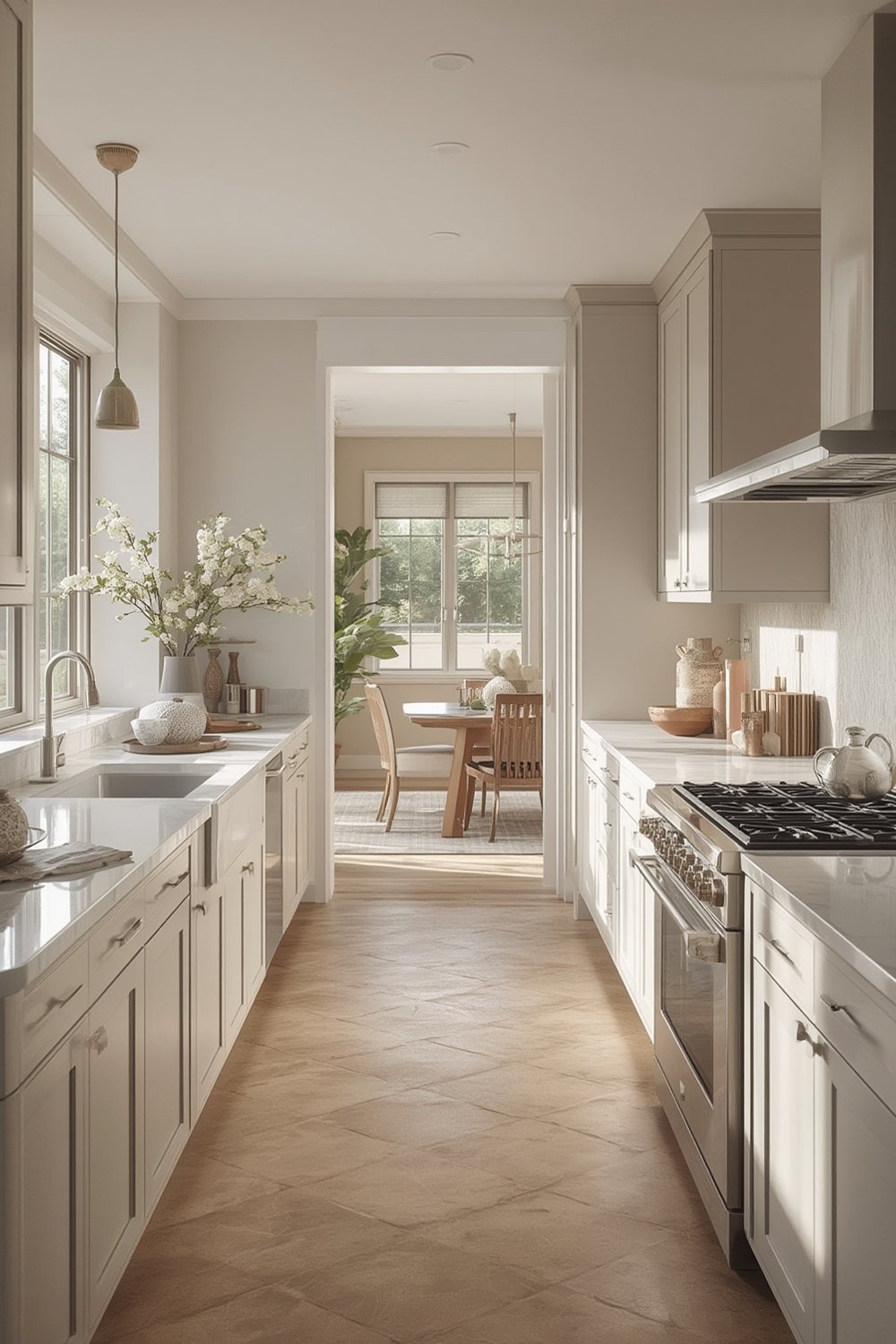
Scullery kitchen design isn’t just for large families or mansion-level homes. Smaller spaces can adapt the concept by converting pantries, alcoves, or even closet-sized corners. It’s about maximizing function, not square footage.
For other efficiency-driven small space upgrades, browse space saving ideas for small homes and compact furniture for small rooms to inspire your layout.
Step-by-Step Guide: How to Design a Functional Scullery Kitchen in 2024
Getting scullery kitchen design right means more than adding cabinets or closing off a corner. Follow these steps to avoid typical design mistakes and tailor your scullery to your needs—whether you’re overhauling a full kitchen or carving out a nook in your small home.
- Define Your Must-Haves
Decide how you plan to use the scullery. Will it be for messy prep, high-volume baking, stocking bulk groceries, or hiding appliances? List your non-negotiables (e.g., a second sink, dishwasher, appliance garage) versus nice-to-haves. - Assess Your Space Opportunities
Measure available space—walk-in pantry, mudroom, unused laundry zone, or adjacent alcove. Don’t rule out compact layouts; some homeowners adapt spaces as small as 5×7 feet. - Plan the Layout and Workflow
Place prep areas, sinks, and appliances in a logical order to flow with your habits. Ensure you can move between fridge, sink, and counter without backtracking. If you already have a compact kitchen, study the workflow strategies in modern small kitchen design. - Choose Appliances and Storage Carefully
Use slimline dishwashers, undercounter fridges, and stackable bins to maximize space. Pull-out shelves, deep drawers, and custom racks help even in narrow alcoves. - Decide on Concealment
Do you want the scullery fully closed with a hidden door, or open but tucked behind cabinetry? Consider pocket or glass doors for easy access without sacrificing style. - Address Lighting and Ventilation
Install bright but hidden lighting for chores. Consider quiet, energy-efficient fans—especially for serious cooking and washing up. - Match Materials and Style
Blend finishes with your main kitchen for visual harmony, or pick practical, easy-to-clean surfaces if your scullery will take heavy mess. - Budget for Upfront and Long-Term Costs
Factor in plumbing, electrical, cabinetry, appliances, and upkeep. Don’t overlook ongoing costs—fixtures in scullery spaces face heavy wear. For smart budgeting across home projects, refer to affordable home transformations.
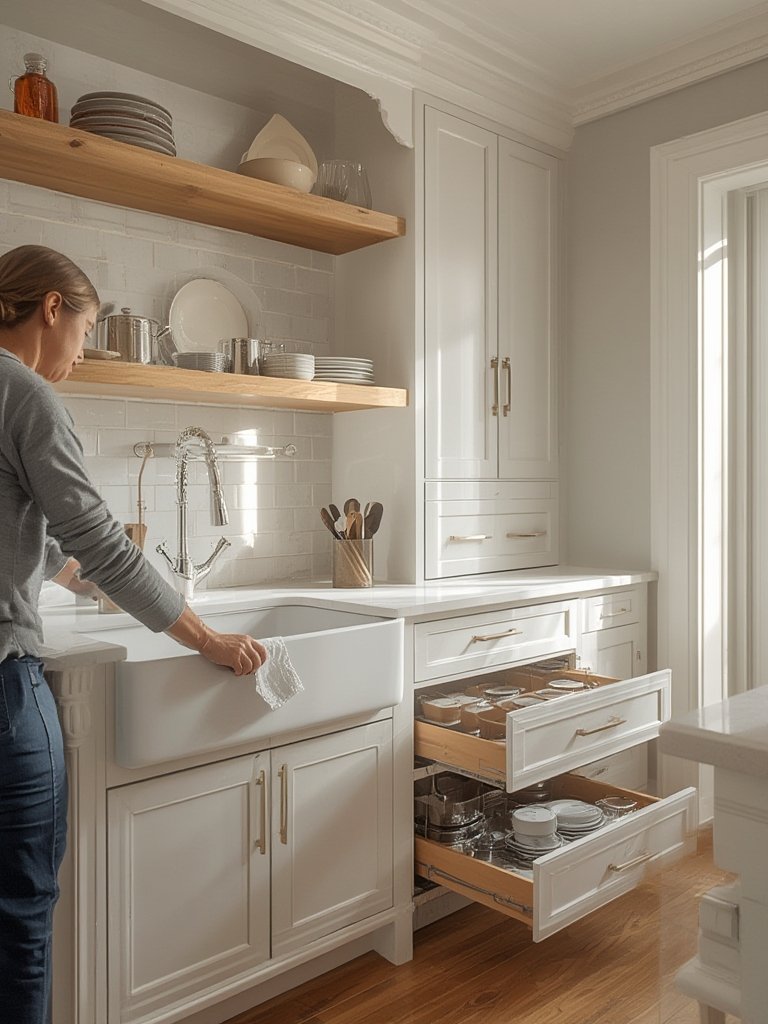
For maximum function in small homes, research hidden storage ideas and space saving furniture for modern living. These tricks can blend style and efficiency even when you don’t have a dedicated room for a full scullery.
Advanced Analysis & Common Pitfalls: What Can Go Wrong with Scullery Kitchen Design?
Scullery kitchen design is powerful, but skipping key planning steps can introduce long-term frustrations. Based on 2024 research and industry reports, here’s what savvy homeowners and designers look out for:
- Overestimating available space
Many regret squeezing a scullery into rooms that can’t support proper plumbing, ventilation, or storage. If your home is under 1,500 sq ft, get professional design help before building in. - Ignoring airflow and odor control
Sculleries used for heavy cooking (not just storing) easily become musty or trap grease without strong ventilation. - Choosing the wrong finishes
Surfaces in the scullery take more abuse than your main kitchen. Low-end laminates, weak cabinetry hardware, and basic paint often need costly repairs after a few years. - Forgetting flow between kitchen and scullery
Workflows suffer when the scullery is too far from main prep areas, or doors open the wrong direction, leading to constant backtracking. - Neglecting ongoing maintenance and lifecycle costs
Even the best scullery kitchen design can become a headache if not designed for easy cleaning and heavy use. High-traffic sinks, drains, and cabinetry fail quicker if they aren’t commercial-grade.
Below is a realistic comparison that highlights the key success and failure points between well-planned and poorly executed scullery kitchen designs:
| Aspect | Well-Planned Scullery Design | Common Pitfalls |
|---|---|---|
| Space Utilization | Fits your workflow, optimizes every inch, easily accessed | Awkward layout, doors block paths, limited usefulness |
| Storage | Custom shelves, pull-outs, and bins for exact needs | Generic shelving, wasted vertical space, hard-to-reach items |
| Ventilation | Dedicated exhaust, low noise, no lingering smells | No fan, odors build up, humidity and mold risk |
| Appliance Access | Slim, energy-efficient, integrated appliances | Oversized units, gaps, wasted outlets, cluttered look |
| Maintenance | Easy to clean, durable counters, commercial hardware | Grimy corners, cheap finishes show wear fast, plumbing leaks |
There’s also the danger of assuming every home benefits from a scullery kitchen design. Homes with very tight layouts may lose valuable living or dining space. For such setups, it’s crucial to consider innovative storage solutions or best furniture for small spaces instead of a full scullery build-out.
Technical evolution in 2024 focuses more on appliances—induction cooktops and undercounter fridges are highly rated [source]. Smart lighting, water filtration, and built-in dishwashers add efficiency. But true scullery-specific advances in ventilation or automation are still rare; plan for classic, reliable fixtures that last.
Conclusion
Scullery kitchen design adds real-world value—keeping your main kitchen uncluttered, streamlining meal prep, and giving your home an edge with buyers who want both style and function. But success comes down to honest assessment: match your scullery design to your routines, space limits, and maintenance tolerance.
If you want a more organized, efficient kitchen without constant clutter, start with the guides above and blend the principles of scullery kitchen design into your own renovation plans. Ready to maximize function and resale? Start sketching your scullery concept, and share your questions or wins in the comments below.
FAQ
Does a scullery kitchen design make sense for small homes or apartments?
Yes, but it requires careful planning. Even compact homes can convert a pantry, closet, or laundry corner into a small-scale scullery. Focus on essential features (like a deep sink and stacked storage) instead of adding every possible appliance. For more small-space inspiration, see innovative DIY small space furniture ideas.
How much does a scullery kitchen design cost in 2024?
Specific cost data for 2024 is not widely available, but expenses vary based on plumbing, electrical, cabinetry, and appliance choices. On average, expect to budget similar to a small kitchen remodel, typically $10,000–$50,000 depending on size and finishes.
What appliances or features work best in a modern scullery?
Top items include a prep sink, dishwasher, undercounter refrigerator, stacked storage cabinets, and specialty appliances like a coffee maker or wine fridge. In 2024, induction cooktops and built-in water filtration are also popular.
What are the biggest maintenance concerns with scullery kitchen design?
Because sculleries handle mess and heavy use, choose high-durability finishes and commercial-grade fixtures. Plan for easy-to-clean counters, heavy-duty hardware, and robust plumbing to cut long-term repair headaches.
Will adding a scullery increase my home’s resale value?
Most experts agree that a well-designed scullery can significantly boost your home’s appeal and resale value, especially in markets where buyers appreciate extra prep and storage space. See more on how sculleries affect value.