



Table of Contents
Energy efficient kitchen tools are changing the way people cook at home. With rising energy costs and increased environmental concerns, households in 2024 are eager to make real savings and reduce their footprint by choosing smarter, greener products for the kitchen. But, what’s genuinely effective, where do you start, and what should you watch out for? This guide answers all these questions—without the marketing hype.
Key Takeaways
- Market adoption of energy efficient kitchen tools is accelerating, driven by rising energy costs and smart home trends.
- Choosing the right tool involves looking beyond efficiency ratings—consider practical drawbacks like upfront costs and performance limits.
- Certifications such as ENERGY STAR matter, but lifecycle sustainability, durability, and responsible sourcing are equally important.
What Are Energy Efficient Kitchen Tools & Why Are They Growing in 2024?
Energy efficient kitchen tools include everything from induction cooktops and Wi-Fi enabled air fryers to LED-lit refrigerators and eco-friendly slow cookers. These products promise to use less power, create less waste, and often work faster or smarter than their conventional counterparts. In practice, these tools help reduce your monthly bills, shrink your carbon footprint, and align your kitchen with the latest technology and sustainability trends.

Market data shows this isn’t a niche trend. The smart kitchens market is projected to nearly triple by 2030, reaching $14.4 billion—almost three times its 2023 value. Tools that focus on energy savings and connectivity are surging, with North America accounting for nearly a quarter of all household kitchen appliance sales in 2024. Major drivers include not just efficiency, but convenience, ease of use, and smart-home integration.
Energy efficient kitchen tools are no longer just about “saving electricity”—they’re about doing more with less, managing time and space, improving food quality, and reducing environmental harm with every meal. But success isn’t automatic; you need to select wisely and stay aware of real-world trade-offs.
How to Make Your Kitchen More Energy Efficient: Step-by-Step Guide
Moving toward an energy efficient kitchen isn’t about replacing everything at once. Small changes, prioritized by actual energy impact and your own budget, deliver the fastest, most sustainable results.
- Spot the Biggest Energy Hogs First
Start by reviewing your current appliances. Fridges, freezers, ovens, and dishwashers usually use the most energy. If these are over 10 years old, they’re often the best replacement targets. - Swap for ENERGY STAR Appliances Where Possible
ENERGY STAR certified fridges, dishwashers, and induction cooktops use far less energy—sometimes saving $40-$200 per year per appliance. Combine this with modern, energy efficient kitchen tools like multi-cookers and air fryers for bonus savings.
(Check out some smart kitchen appliances for more real-life examples.) - Choose Small and Multi-Tasking Gadgets
Instead of a single-function toaster or sandwich maker, opt for combination tools (like toaster-ovens with air fryer functions). They run faster, use less power, and take up less space. This is a perfect fit for those following modern small kitchen design principles. - Switch to LED Lighting in Cabinets and Overhead Fixtures
Swapping out incandescent or old CFL bulbs for LEDs is an easy step. Modern under-cabinet LED strips make a big difference with almost no heat output. - Upgrade to Eco-Friendly Accessories
Pick bamboo cutting boards, recycled-material utensil sets, and compostable kitchen cloths. These simple swaps lower your overall kitchen impact and often last longer—see the benefits in both waste and durability. - Invest in a Smart Plug and Energy Monitor
Plug your highest-use tools into a smart plug with an energy monitor feature. This tracks real-time energy draw and can help you verify savings or catch “phantom” standby usage, as suggested in this smart home energy monitoring guide. - Maintain Tools for Peak Performance
Clean refrigerator coils, keep seals intact, and follow care instructions for each tool. Well-maintained tools run more efficiently—which extends their lifespan and reduces your household waste.
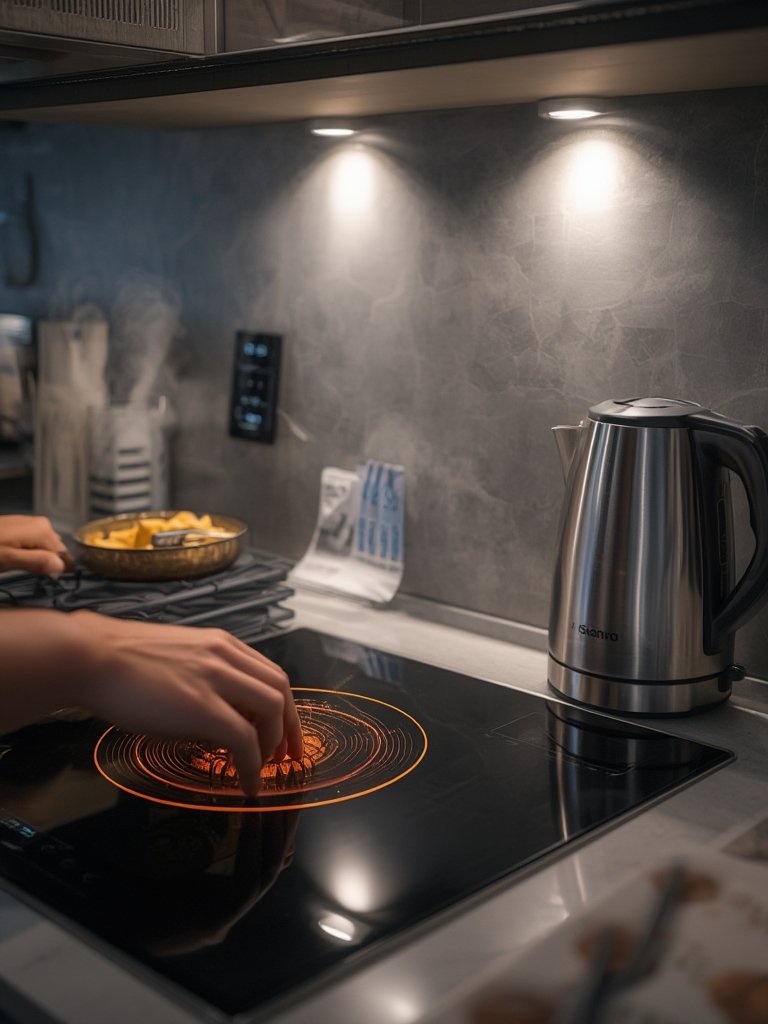
For renters or those with limited kitchen space, focus on compact, multi-functional items. Portable induction cookers and smaller appliances are especially efficient—tying in with small home improvement ideas that help maximize space and energy savings. Those who love to cook frequently should also consider using energy efficient kitchen tools like air fryers, which use up to 75% less energy than ovens, while producing crisp results faster (air fryer recipes guide).
Common Pitfalls, Data, and the Reality of Eco Kitchen Gadgets
Efficient kitchen tools aren’t foolproof. Real-world user experiences highlight practical pitfalls, especially when expectations aren’t grounded. Here are some of the most important issues and how to manage them:
| Common Challenge | Explanation | How to Address |
|---|---|---|
| Upfront Cost Is High | Energy efficient kitchen tools usually cost more at the start than traditional options, particularly for “smart” or fully connected models. | Factor in savings over lifespan and check for rebates or incentives in your area (especially for large appliances). Smaller upgrades (LEDs, smart plugs) have much quicker ROI. |
| Performance Gaps/Adjustments | Certain tools—like induction cooktops—require specific cookware. Some smart gadgets may have learning curves or app issues. Not all deliver identical results versus classic methods. | Double-check compatibility before buying. Read reviews for user-reported struggles. Allow time to adapt recipes or routines. |
| Maintenance and Lifespan | Some highly efficient or “eco” gadgets (like certain compostable plastics) may wear out faster, or think of battery/part replacement requirements in smart tools. | Opt for tools with reliable warranty support and replaceable parts. Maintain tools per manufacturer recommendations. Check manufacturer’s end-of-life recycling policies where possible. |
| Greenwashing and Poor Certification | Not all products labeled “green” or “eco” meet recognized efficiency standards. Some lack third-party certification and can mislead consumers. | Look for Europe’s EU Ecolabel, North America’s ENERGY STAR, and certifications from respected environmental groups. Avoid products with no transparency about energy or materials sourcing. |
When choosing energy efficient kitchen tools, remember lifecycle sustainability. Materials sourcing, durability, and end-of-life recyclability matter as much as power savings. For full transparency, always ask for details on recycled content, repairability, and whether the brand offers take-back or recycling programs. Learn more about eco-friendly material choices in our eco-friendly furniture materials guide.
Here’s a snapshot of current market data for context:
- The smart kitchens market (including energy efficient kitchen tools) will nearly triple from $5.3 billion in 2023 to $14.4 billion by 2030 (BusinessWire).
- The US, China, and Germany are the fastest-growing individual markets, driven by incentives and strong demand for sustainable tools.
- Wi-Fi enabled air fryers and smart multi-cookers are among the fastest-selling gadgets, as shown in recent industry analysis.
Unfortunately, there’s little published data on exact household energy savings (in kWh or dollars), and the durability of new green gadgets remains an open question as the category matures.

Final Thoughts & Key Actions
Smart, energy efficient kitchen tools are transforming home cooking—not just by reducing environmental impact, but by improving everyday convenience and utility. The real secret is buying intentional upgrades, not chasing every trend, and focusing on credible certifications. Choose wisely, monitor your real-world savings, and maintain your tools for the long haul.
Ready to start? Audit your kitchen, make one change at a time, and check every purchase for authentic efficiency certifications. With the right balance of strategy and skepticism, energy efficient kitchen tools can make your home greener, cheaper, and easier to live in. Explore more ways to optimize your kitchen in our detailed best kitchen trash cans guide.
Take action now: Pick one appliance to upgrade this month, and track your energy bill—small steps make a real impact.
Frequently Asked Questions (FAQ)
What are the top certifications to look for in energy efficient kitchen tools?
Look for ENERGY STAR, EU Ecolabel, or other recognized energy efficiency and eco-labels. These third-party certifications are reliable and often required for rebates.
Are energy efficient kitchen gadgets always more expensive?
Not always, but many come with higher upfront costs. However, they generally pay back the difference over time with lower utility bills and longer lifespans.
Which kitchen tools save the most energy?
Fridges, dishwashers, and induction cooktops are among the biggest energy-savers when you upgrade. Air fryers and multi-cookers also slash cooking times and power use significantly.
Can I use my old cookware on an induction cooktop?
Only if your cookware is magnetic. Check with a small magnet—if it sticks, it’s compatible. Otherwise, new induction-ready pans may be needed.
How do I verify a tool’s true environmental impact?
Ask about third-party certifications, materials sourcing, durability, and recycling programs. If the manufacturer is not transparent, consider another option.

[…] Leverage in-cook guidance. During cooking, ask the assistant for step-by-step instructions, timing alerts, and safety reminders. For energy-efficient cooking, you might combine this technology with tools discussed in our energy efficient kitchen tools guide. […]
[…] are already dialed in for first-timers. For energy savings tips on kitchen appliances, check out energy efficient kitchen tools as […]
[…] for other ways to optimize your kitchen efficiency, our guides to modern small kitchen design and energy efficient kitchen tools will help you take advantage of the latest gadgets and […]