


Table of Contents
Cat Water Fountain solutions have quickly become a staple for cat owners aiming to keep their pets healthy and hydrated. With feline dehydration leading to serious health consequences, the demand for practical ways to encourage cats to drink more water is growing. A Cat Water Fountain could be the game-changer your home and your kitty need.
Key Takeaways
- Most house cats do not drink enough water, which can result in dangerous dehydration—cat water fountains help by encouraging regular water intake.
- Fresh, flowing water mimics the conditions cats instinctively prefer, making cat water fountains more attractive than traditional bowls.
- While cat water fountains offer clear hydration benefits, they are not a one-size-fits-all solution—maintenance and behavioral factors play a critical role.
How Cat Water Fountains Work and Why They Matter
Cats evolved as desert animals, naturally having a low thirst drive—this means they’re prone to chronic dehydration, especially when consuming mostly dry foods. According to current research, a healthy 10-pound cat requires about 1 cup (8 ounces) of water daily. However, most cats fall short, particularly when eating kibble, which lacks water content. Signs of dehydration can range from dry gums and lethargy to serious organ damage or even death at extreme loss levels (detailed here).
Cat water fountains solve this problem by providing a continuous flow of fresh, filtered water. The moving water mimics natural streams, which encourages even the fussiest felines to drink more than they would from a stagnant bowl. Studies suggest that, when given appealing hydration options, cats may voluntarily exceed 30 ml/kg/day water intake targets—this substantially improves well-being and owner peace of mind (see details).
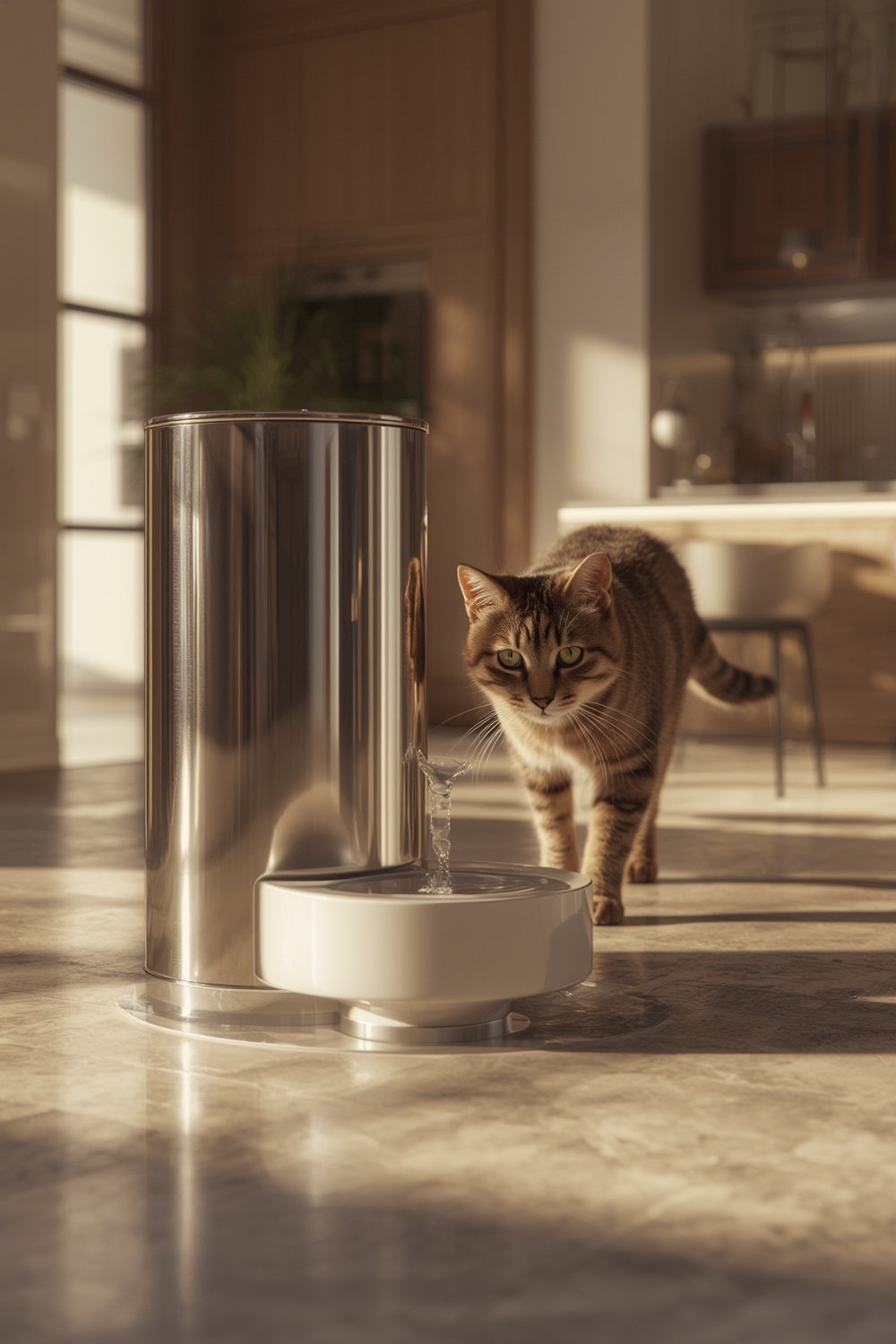
How to Introduce and Maintain a Cat Water Fountain: Step-by-Step
- Choose the Right Location: Pick a quiet, low-traffic spot away from food bowls and litter boxes. Cats prefer to drink where they feel safe, so avoid noisy appliances or busy doorways.
- Set Up with Care: Rinse all parts before first use to remove manufacturing residues. Use filtered water if possible.
- Introduce Gradually: Place the cat water fountain next to the usual water bowl. Let your cat explore at their own pace—some cats are curious, others need days to adapt.
- Monitor Usage: Observe how often your cat drinks from the fountain over the first week. Most cats are attracted to moving water, especially if they previously avoided bowls. If unsure, try flavored water (broth or tuna water) for a short test phase.
- Daily and Weekly Cleaning: Clean the fountain at least every 3-5 days to prevent slime buildup. replace the filter as recommended—dirty filters or neglected pumps can put cats off and cause health issues.
- Troubleshoot Reluctance: If your cat avoids the fountain, try different flow settings, move it to another room, or offer both a bowl and a fountain. Some cats respond to ceramic or stainless steel better than plastic.
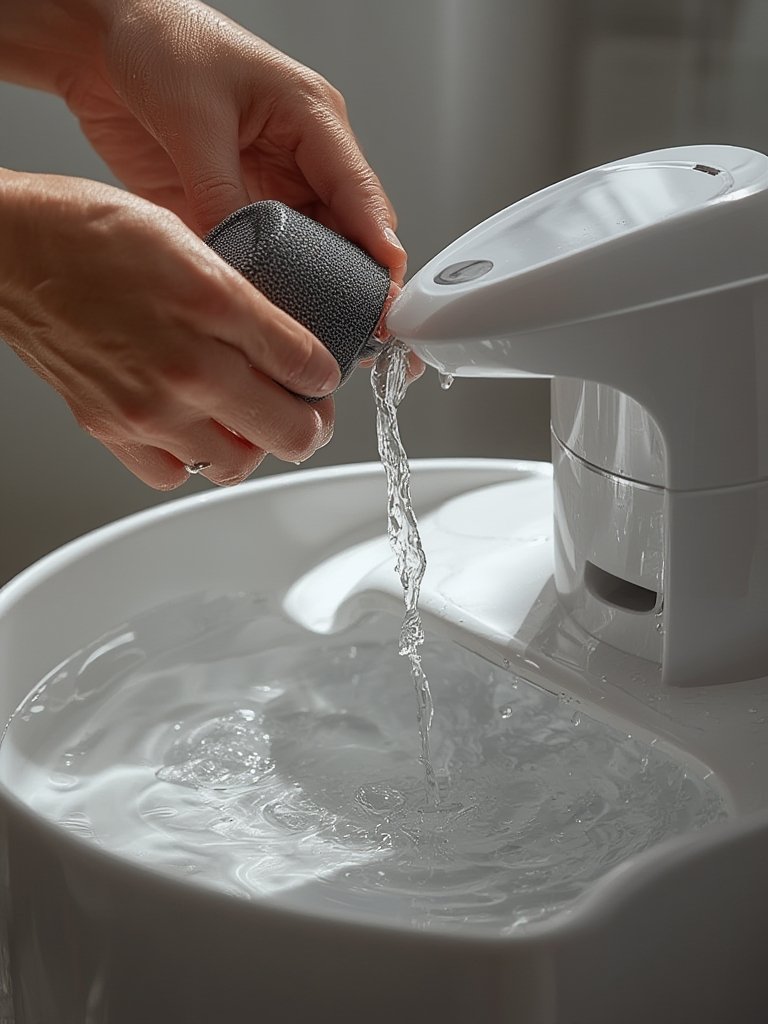
If you’re short on space, consider pairing your cat water fountain with other pet essentials for small homes for a clutter-free setup. Cat fountains are also a smart step if you’re thinking about other pet tech, like a smart pet feeder or AI pet health tracker, to automate your cat’s care routine.
Advanced Analysis and Common Pitfalls with Cat Water Fountains
While cat water fountains address crucial hydration issues, not every owner finds them hassle-free. Let’s break down the most common pitfalls and realistic problems:
- Maintenance Overload: Many cat owners underestimate the ongoing cleaning needs. Water fountains require thorough weekly cleaning and frequent filter changes. Neglect leads to slimy biofilm, foul odors, and pump failure.
- Reluctant Cats: Some cats are wary of movement or noise, especially if the fountain hums or vibrates. For these cats, try fountains labeled “ultra-quiet” or experiment with ceramic, glass, or stainless steel builds.
- Upfront and Ongoing Costs: Although prices vary, a quality cat water fountain is an investment—expect $30-$80 upfront and $20-$50 per year in replacement filters and parts. For comparison, basic bowls are cheaper but do not offer the same health benefits.
- Technical Glitches: Pumps can clog from hair or debris, flow rates may refuse to adjust, or cheap units might leak. Always read the manual, clean the fountain intake ports, and keep a backup bowl just in case.
- No Magic Fix: Cat water fountains are effective, but they are not a cure–all. Cats on dry diets still need your encouragement to drink, and hydration is best supported by offering wet food or multiple fountains around the home.
| Solution | Advantages | Challenges |
|---|---|---|
| Cat Water Fountain | Encourages higher water intake; continuous filtration; reduces stagnation risk. | Requires cleaning; initial investment; may be noisy; some cats need time to adapt. |
| Traditional Water Bowl | Low cost; no moving parts; easy to clean. | Water stagnates quickly; less appealing to cats; risk of contaminants. |
| Multiple Water Stations | Can help increase total intake; redundancy in case of spills. | Needs refilling and cleaning; still less effective without running water. |
If you’re streamlining a compact living space, combine your cat water fountain with cat nook ideas or other eco-friendly cat essentials to maximize both wellness and style at home.
Conclusion
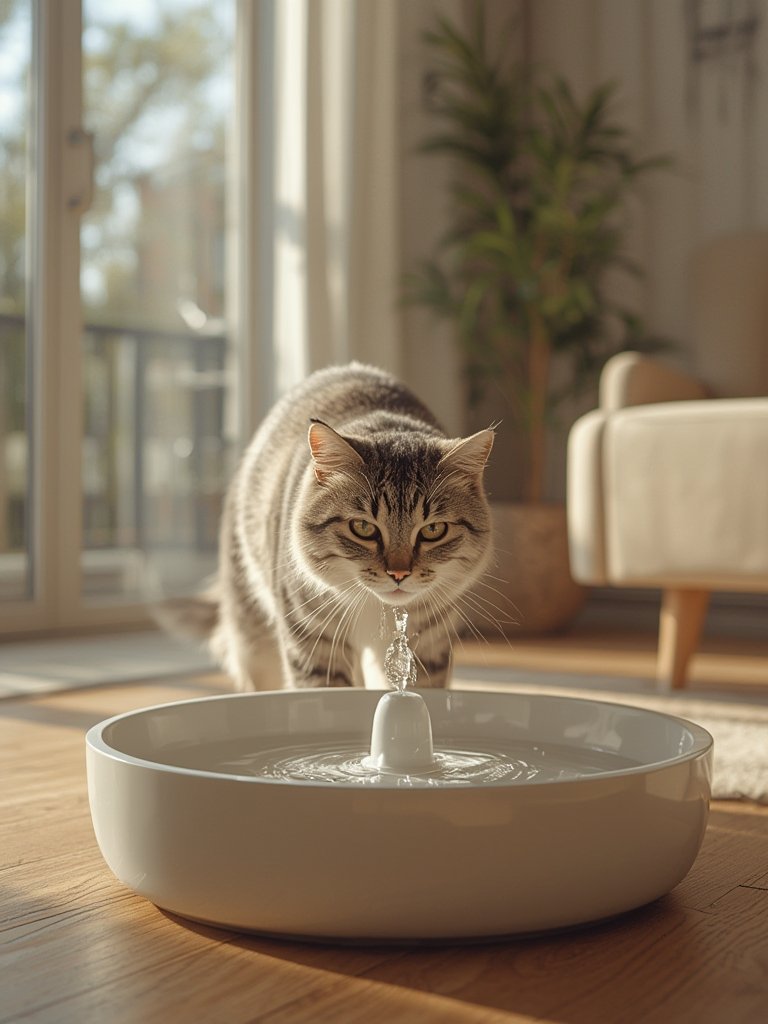
Chronic dehydration is a silent threat to many house cats, but a thoughtfully selected cat water fountain can make a notable difference. Fountains offer an engaging, hygienic alternative to stale bowls, increasing water intake and potentially preventing painful health issues. Remember, a cat water fountain is only as good as its maintenance and your observation—regular cleaning and attentive placement matter.
For anyone wanting to combine convenience, style, and feline health, a modern cat water fountain that suits your home may be well worth it. Ready to boost your cat’s hydration and happiness? Explore innovative pet products like cat water fountains to make your daily routine and your cat’s life better.
Cat Water Fountain FAQ
How often should I clean my cat water fountain?
Clean your cat water fountain every 3-5 days, and replace filters as instructed by the manufacturer. This prevents buildup of bacteria and keeps the water tasting fresh.
Will my cat actually use a water fountain?
Most cats prefer moving water and will use a fountain once they are familiar with it. However, some cats need a gradual introduction and may prefer particular materials such as stainless steel or ceramic over plastic.
Are stainless steel cat water fountains safer than plastic ones?
Stainless steel and ceramic fountains are generally easier to keep clean and do not leach chemicals. They are less likely to harbor bacteria and may last longer than plastic options.
Can cat water fountains replace wet food for hydration?
No, cat water fountains support proper hydration but do not replace the water content found in quality wet food. For best hydration, combine wet food with a cat water fountain and multiple water sources around the home.
What if my cat is afraid of the fountain noise?
Try a quieter model or place the fountain in a quieter location. Some cats may need time to adjust. If reluctance persists, offer both a bowl and fountain until they are comfortable.