



Table of Contents
AI pet health tracker technology is changing how pet owners monitor, predict, and manage their pets’ well-being at home. If you’re curious about real-life benefits, hidden risks, and how to avoid expensive drawbacks, this guide cuts through marketing claims and gives you hands-on strategies drawn from current research and user experience.
Key Takeaways
- AI pet health trackers give early warning for issues like infections, pain, and subtle behavior changes, but have subscription fees and accuracy limitations.
- Real-world results show faster illness detection and proactive care, especially in multi-pet or at-risk households.
- Assess data privacy, cost over time, and app performance before you invest for peace of mind and lasting value.
What Is an AI Pet Health Tracker and Why Consider One?
An AI pet health tracker is a smart wearable or sensor that continuously gathers health and activity data on your pet. Using artificial intelligence, these devices analyze patterns in your pet’s vital signs, behavior, and habits to help spot early signs of illness—often before symptoms are obvious. Some smart collars, like PetPace, use sensors to monitor temperature, respiration, heart rate, activity, posture, and GPS location. Devices such as SiiPet LitterLens even use AI to analyze litter box visits for blood, urinary issues, or abnormalities in stool—critical for cat owners.
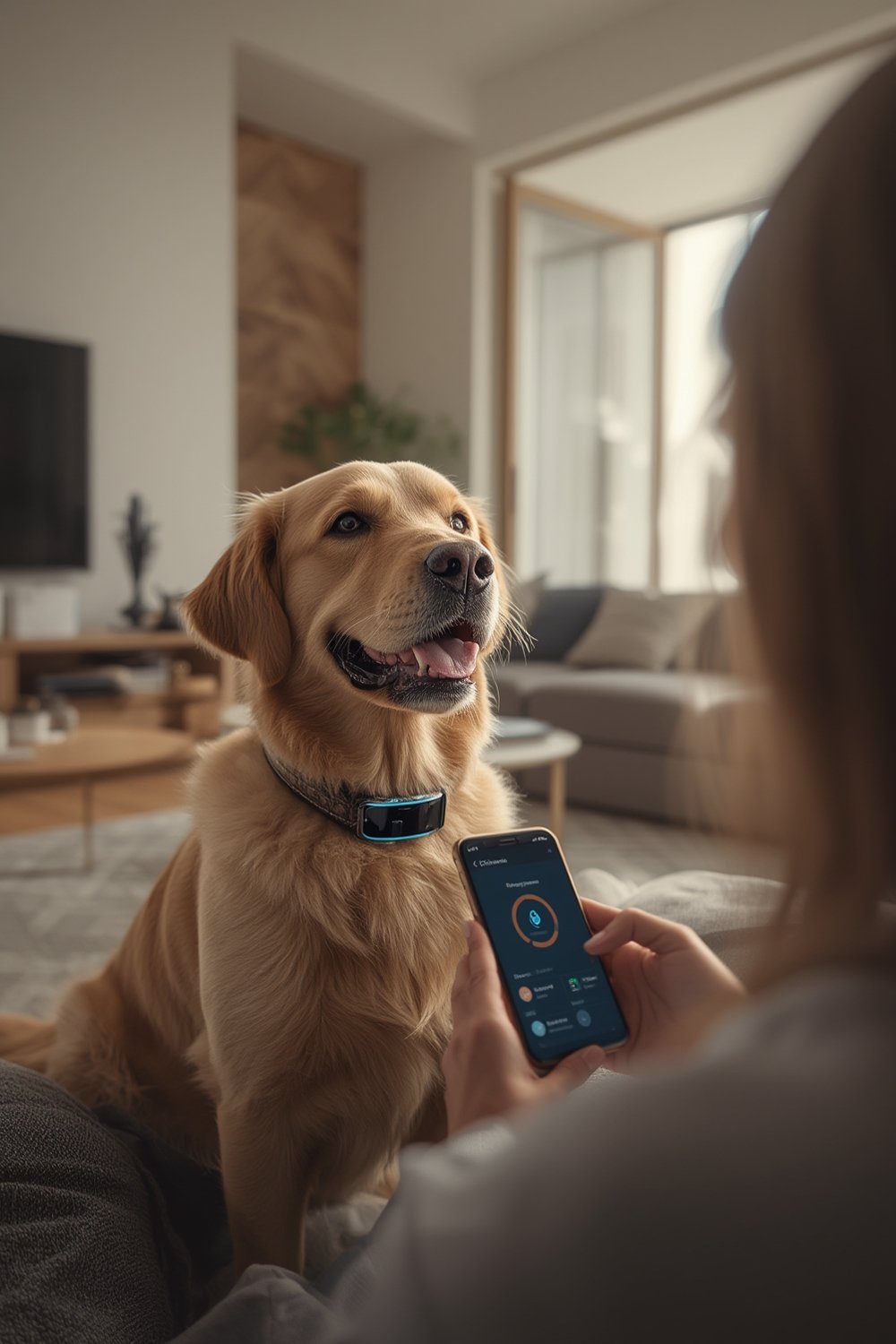
The appeal? If your dog or cat hides sickness (as many do), an AI pet health tracker gives you a silent, vigilant helper—alerting you to trouble fast. For pets with chronic issues or those in multi-pet homes, the value can be even greater. Owners also use them for peace of mind when traveling, using sitters, or when they can’t be home as much as they’d like. The technology borrows from other smart pet products, offering real-time insight rather than waiting for annual vet visits or catch-up care.
Brands like PetPace and SiiPet position their products as prevention tools—helping owners catch subtle shifts quickly, coordinate with their veterinarians, and ultimately reduce stress and vet bills through faster action.
But, as we’ll uncover, not all AI pet health tracker options work flawlessly, nor are they equally transparent about data security, accuracy, or true costs over time.
How to Get Maximum Value from an AI Pet Health Tracker
Ready to try an AI pet health tracker—or already have one but want optimal results? Here’s how to maximize your investment and avoid the most common mistakes.
- Choose for your specific pet needs. If you own a dog with mobility or chronic health issues, a vet-developed collar such as PetPace could be more useful. For cat owners concerned about urinary disease or stealthy illnesses, an AI-enabled litter box sensor like SiiPet LitterLens provides unique value. Consider factors like size, comfort, and activity level.
- Understand the real cost. Upfront, both PetPace and SiiPet require hardware purchases. Importantly, both demand ongoing subscription fees—a fact many owners dislike. Factor in yearly and lifetime costs before buying. Competitor reviews often gloss over these numbers, but missed calculations can mean buyer’s regret.
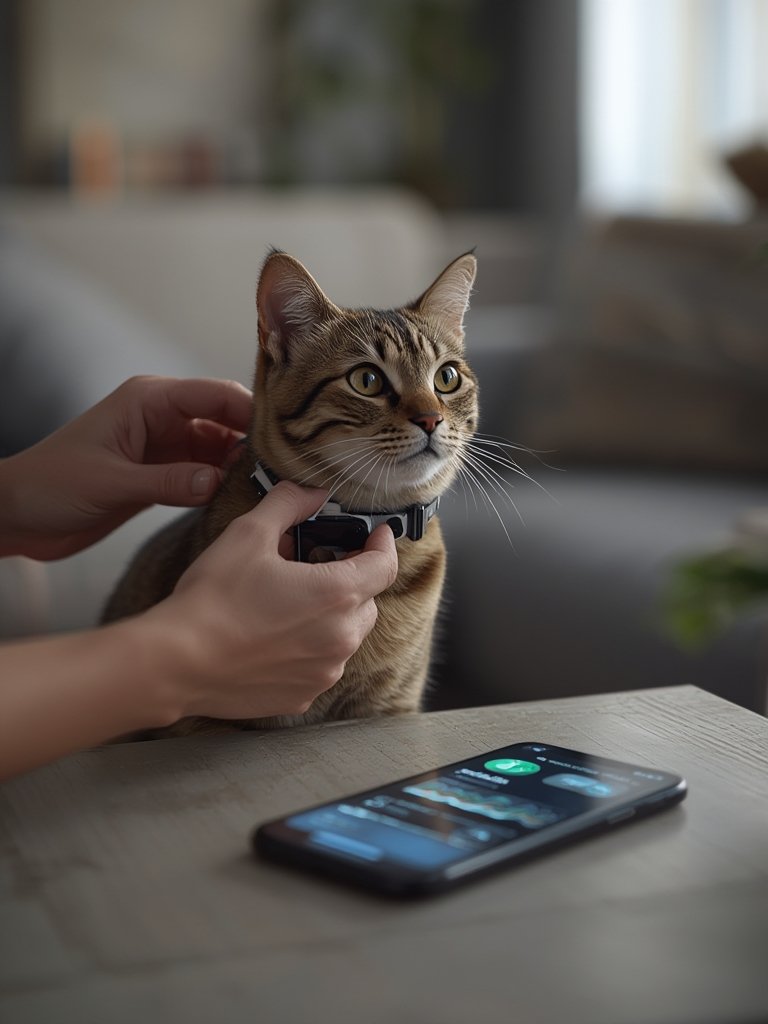
- Install and calibrate correctly. Take time to fit the collar or set up sensors as directed. For collars, positioning near the pet’s skin—without being too tight—is key to consistent vital sign readings. For litter box trackers, ensure the sensor is stable and observe the learning curve as the device differentiates between multiple pets (if needed).
- Establish sharing settings. Connect your tracker app to your vet’s office if possible, and double-check privacy settings. Although some trackers lack robust transparency here, share vital health data only with trusted professionals.
- Check the app daily—until you trust alerts. Many users report that app notifications or dashboard updates can lag. Especially while you’re learning the system, make a habit of reviewing trends and not relying solely on push alerts.
- Know what patterns to watch. For example, unexplained posture changes (tracked by collars) or increased litter box visits (flagged by SiiPet LitterLens) aren’t just “quirks”—they could be your first clue to arthritis, infection, or stress. Document these changes, especially if your pet is at higher medical risk, lives in a small apartment, or if you depend on a sitter.
- Act promptly if red flags pop up. Both PetPace and SiiPet devices can give false positives or benign alerts, but don’t ignore persistent abnormal readings—follow up with your vet, as in the real-life case where early UTI patterns led to swift medical treatment.
Many pet owners also combine these trackers with other space saving pet essentials for better organization and pet comfort—especially in tight living spaces.
If you want to dive deeper, exploring nutritional upgrades or eco-friendly cat litter can further complement your wellness approach—these strategies often go hand-in-hand with high-tech monitoring for a holistic routine.
Last, periodically revisit your tracker’s privacy policy and subscription agreement, since companies sometimes revise terms or pricing after you sign up. If your device is no longer supported, have a plan for exporting your pet’s data or reverting to conventional tracking methods.
Advanced Analysis & Common Pitfalls
Even the best AI pet health tracker options aren’t bulletproof. Here’s what our research and user reviews reveal, backed by specific examples and real-world complaints.
Common Pitfalls and Recurring Complaints
- Slow or buggy apps: The most common frustration is sluggish app performance—especially with the PetPace collar—causing delays in loading vital data or moving between app screens. The hardware often works well, but the software experience can be uneven (source).
- Mandatory subscriptions: You’ll need to keep paying monthly or yearly to access core features. Transparent cost comparisons are missing from most reviews, so you may be surprised by the true total over a pet’s life.
- Privacy and data security gray zones: No available research or product reviews clearly explain how your data is protected, encrypted, or what happens if a company is sold or shuts down. If privacy is essential, this is a major concern (source).
- Multi-pet identification accuracy: Devices like SiiPet LitterLens sometimes struggle to consistently tell which pet is using the monitored resource—even with AI training. This can cause misdirected alerts or confusing reports, especially if you have multiple similar pets (source).
- Lack of independent validation: “Medical grade” claims aren’t supported by published, peer-reviewed studies comparing tracker accuracy directly to vet equipment. If clinical-grade precision matters, this is a gap.
- Potential trust issues: Some professional pet sitters feel that heavy monitoring (especially via real-time cameras and health alerts) can signal owner distrust and strain relationships (source).
Feature Comparison Overview
| Tracker | Main Metrics Tracked | Vet-Developed? | App Quality | Subscription Required? | Privacy Details? | Independent Accuracy Validation? |
|---|---|---|---|---|---|---|
| PetPace Smart Collar | Temperature, Heart Rate, Respiration, Movement, Posture, GPS | Yes | Often Slow | Yes | No | No |
| SiiPet LitterLens | Litter Box Visits, Urine, Stool Analysis (AI-based) | No | Decent; Multi-pet “hiccups” | Yes | No | No |
There’s also a broader point: If you’re living in a compact space or apartment, pet trackers can complement small home solutions and help ease your mind by providing remote reassurance.

Don’t forget: technical support quality, battery life, and hardware durability still matter—even in a high-tech product. Owners in reviews consistently cite these as make-or-break features for lasting success.
Conclusion
Today’s most advanced AI pet health tracker devices offer meaningful support—especially for pets at risk, owners with busy schedules, or those wishing to add a layer of preventive care at home. However, to avoid buyer’s remorse, weigh total subscription costs, data privacy gaps, and software performance alongside advertised features. Focus on brands willing to share clear validation and privacy details and always have a plan for your pet’s data, no matter what the future brings. If used wisely, an AI pet health tracker helps bridge the gap between daily life and veterinary care—giving pet parents unrivaled peace of mind and earlier access to life-saving medical attention.
Ready to invest in the right AI pet health tracker for your household? Start comparing features, cost, and user reviews today for proactive care that fits both your pet and your peace of mind.
FAQ
What health metrics do AI pet health trackers measure?
Most trackers for dogs and cats can record temperature, heart rate, respiration, activity, posture, and more. Advanced options like SiiPet LitterLens add AI stool and urine analysis for early disease detection.
Are there privacy or data security risks with these devices?
Currently, most pet health tracker brands do not disclose clear details about how data is protected, stored, or deleted. Consider this and use caution if you have strict privacy requirements.
How accurate are AI pet health trackers compared to a vet?
While some smart collars claim “medical grade” monitoring and are vet-developed, there’s limited independent validation comparing tracker results to veterinary diagnostics. Use these devices for trend watching—not diagnostic certainty.
Do all AI pet health trackers require a subscription?
Many leading options require a monthly or annual subscription to access full features and analytics. Always factor this ongoing cost into your decision before buying.
Can these trackers integrate with other smart pet devices?
Some apps allow limited integration with smart feeders or vet portals, but interoperability is still early. For now, using multiple systems may mean managing separate apps.