


Peel and stick wallpaper is transforming how renters and homeowners create bold, personalized looks—without the mess or risk of permanent damage. Whether you want a quick style update for your apartment or you need a flexible option that landlords approve, this modern wallpaper is one of the most realistic alternatives to traditional wall finishes. Below, discover the actionable steps, hidden pitfalls, and best practices for maximizing its benefits in any space.
Key Takeaways
- Peel and stick wallpaper offers renters and homeowners a removable, stylish way to decorate walls without permanent changes or damage.
- Proper wall prep and careful application are critical—most major brands don’t provide detailed guidance or long-term durability guarantees.
- Understanding product limits, hidden challenges, and realistic outcomes helps avoid costly or disappointing results.
- 1. The Core Concept: What Makes Peel and Stick Wallpaper Unique?
- 2. Step-by-Step Guide: How to Apply Peel and Stick Wallpaper in Your Apartment
- 3. Advanced Analysis & Common Pitfalls
- 4. Conclusion
- 5. FAQ
The Core Concept: What Makes Peel and Stick Wallpaper Unique?
Peel and stick wallpaper is a self-adhesive wall covering designed for easy installation and removal, making it especially appealing to renters and those in temporary spaces. Unlike traditional wallpaper or paint, this solution eliminates the need for paste, water, or special tools. It’s an ideal choice for those who want to personalize living areas without risking wall damage or violating lease agreements.
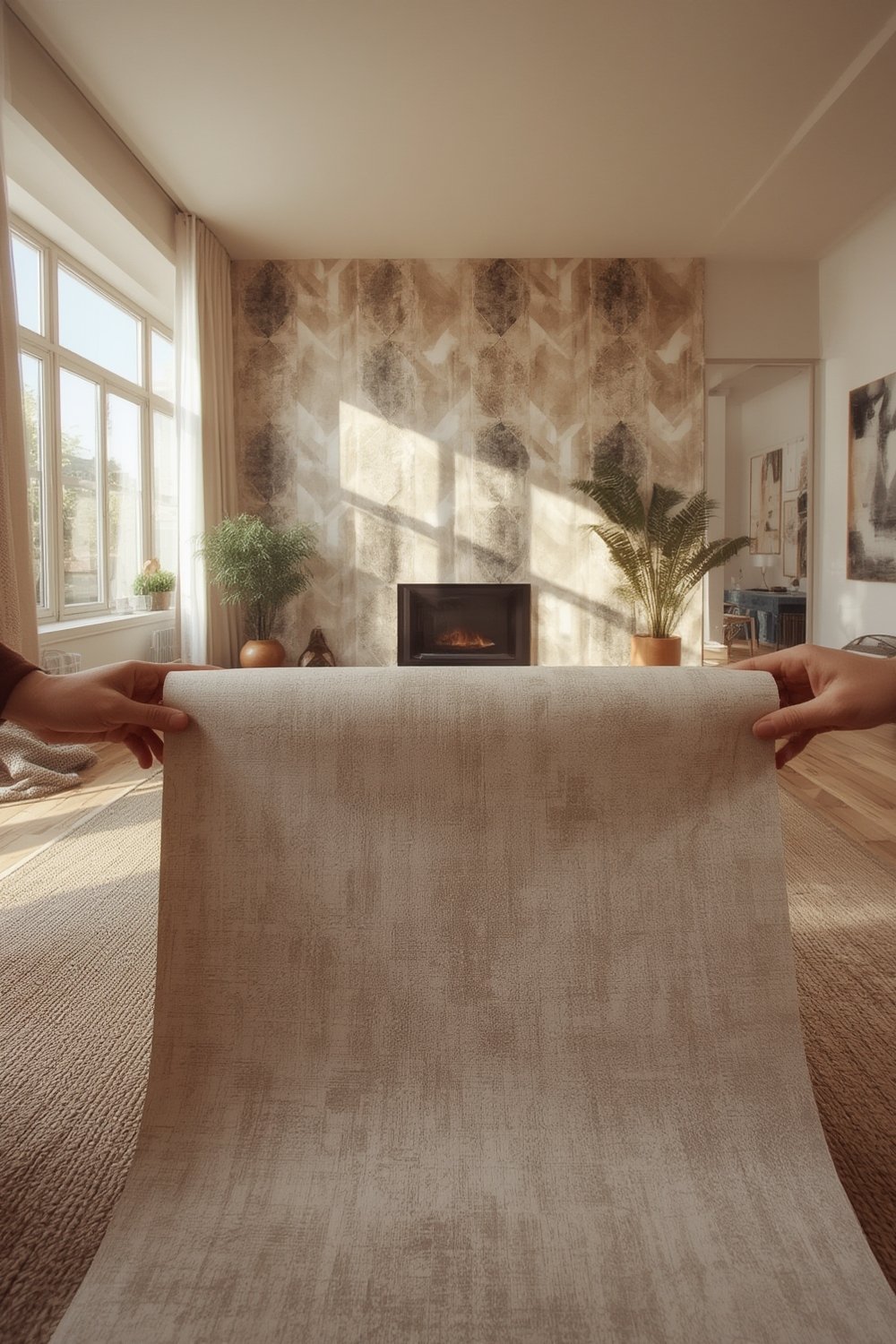
The growing demand is largely driven by urban renters and millennials seeking affordable ways to refresh interiors. Although market reports do not specify the percentage of renters using peel and stick wallpaper, sources highlight renters as a major force behind sales, thanks to the product’s promise of mess-free application and straightforward removal (source, source).
With countless colors, patterns, and textures available, options span from minimalist geometrics to bold florals, making it simple to match your decor style. If you live in a studio, want to try temporary accent walls, or simply need a reversible upgrade, peel and stick wallpaper gives you real flexibility—and peace of mind.
Step-by-Step Guide: How to Apply Peel and Stick Wallpaper in Your Apartment
Follow these realistic steps for reliable results and fewer surprises:
- Measure your space. Calculate total wall area by multiplying height by width. Always buy 10% extra to allow for pattern matching and mistakes.
- Choose the right product. Make sure the peel and stick wallpaper you select is labeled as removable and suits your wall surface. Check for reviews if available, and prefer recognized brands such as Tempaper, WallPops, Graham & Brown, or York Wallcoverings.
- Prep the walls—a crucial but overlooked step. Walls should be clean, completely dry, and smooth. Matte or flat paint finishes and textured surfaces often cause adhesion or removal issues, even though few articles address this directly.
- Mark a straight guide. Use a level to draw a vertical line on your starting edge, especially important in older apartments with uneven walls and ceilings.
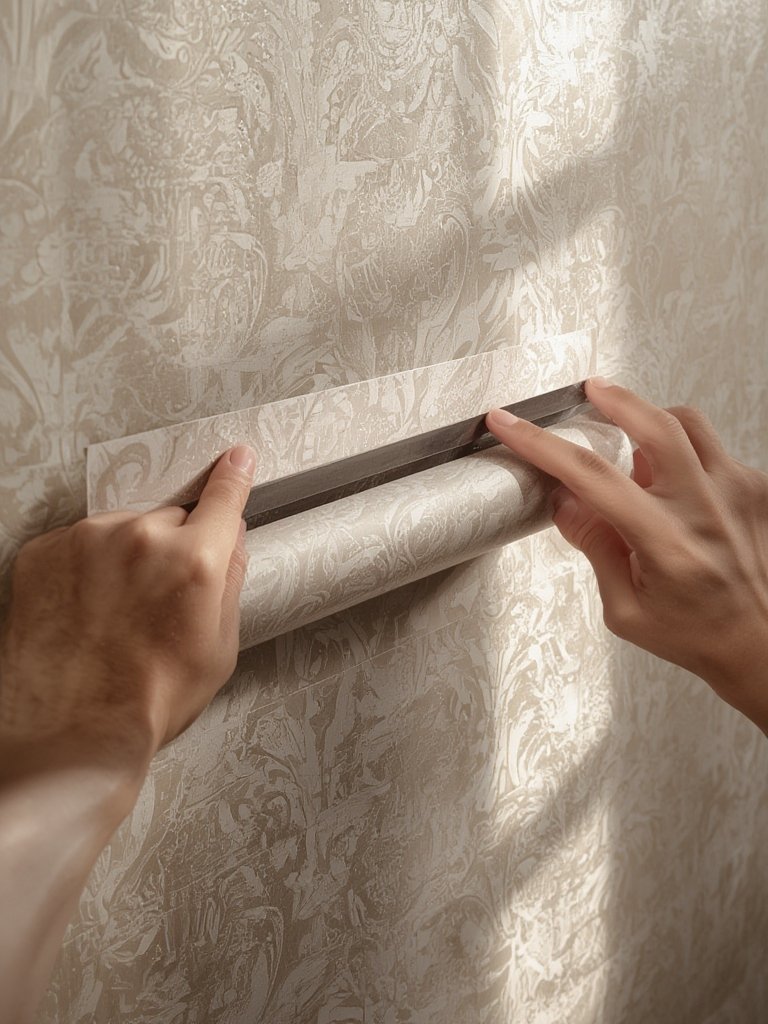
- Apply the wallpaper. Starting at the top, peel off a small section of the backing and align carefully with your guide mark. Press down gently, smoothing with your hands or a soft squeegee to avoid air bubbles.
- Continue section by section. Work down the wall, peeling and smoothing in small increments. Overlap seams slightly if recommended by the manufacturer.
- Trim edges. Use a sharp utility knife to trim at the ceiling, baseboard, and corners for a neat finish.
- Test for removability. If your space is prone to moisture or temperature swings, test a small, hidden area for ease of removal after 24-48 hours.
For more tips on refreshing your living space, explore our guide to small apartment makeovers or discover multifunctional upgrades with space saving furniture ideas perfect for renters.
Advanced Analysis & Common Pitfalls
While peel and stick wallpaper is designed as a renter-friendly solution, the real-world experience doesn’t always match the marketing hype. Most top-ranking articles overlook details on product limitations, and recent market studies lack direct user complaints or verified longevity statistics (source).
Common Pitfalls
- Poor Adhesion on Some Surfaces: Wallpaper often struggles to stick to matte, flat, or textured paint, and sometimes peels from high humidity areas like bathrooms.
- Difficulty Lining Up Patterns: Cheap products may shrink, stretch, or reveal seams, especially on uneven apartment walls.
- Residue or Paint Damage: Despite “damage-free” claims, removability can vary by product, paint age, and conditions. Unsealed or recently painted walls are especially vulnerable.
- Lack of Warranty or Data: No major brands publish lifespan figures or guarantee performance over time.
| Aspect | Reality | What to Do |
|---|---|---|
| Surface Prep | Often insufficient; dust, grime, and certain paints weaken adhesion | Deep clean; avoid matte or chalky finishes; sand lightly for gloss |
| Product Quality | Wide range, with cheap options prone to stretching or bubble | Opt for reputable brands and read fine print on removability |
| Removal Impact | Not always residue-free, risk of pulling paint in poor conditions | Test on a small patch and remove slowly at a sharp angle |
| Durability | No published data on fade or peel over years | Expect to update or replace every 2-3 years in high-use areas |
For more durable transformations, compare other apartment-friendly upgrades like compact furniture for small rooms or add hidden storage using ideas from our storage solutions guide.
When considering brands, note that many leaders (like Graham & Brown, Tempaper, York Wallcoverings) offer updated styles and eco-friendly materials, but side-by-side durability or removability reviews remain scarce (source).
Conclusion
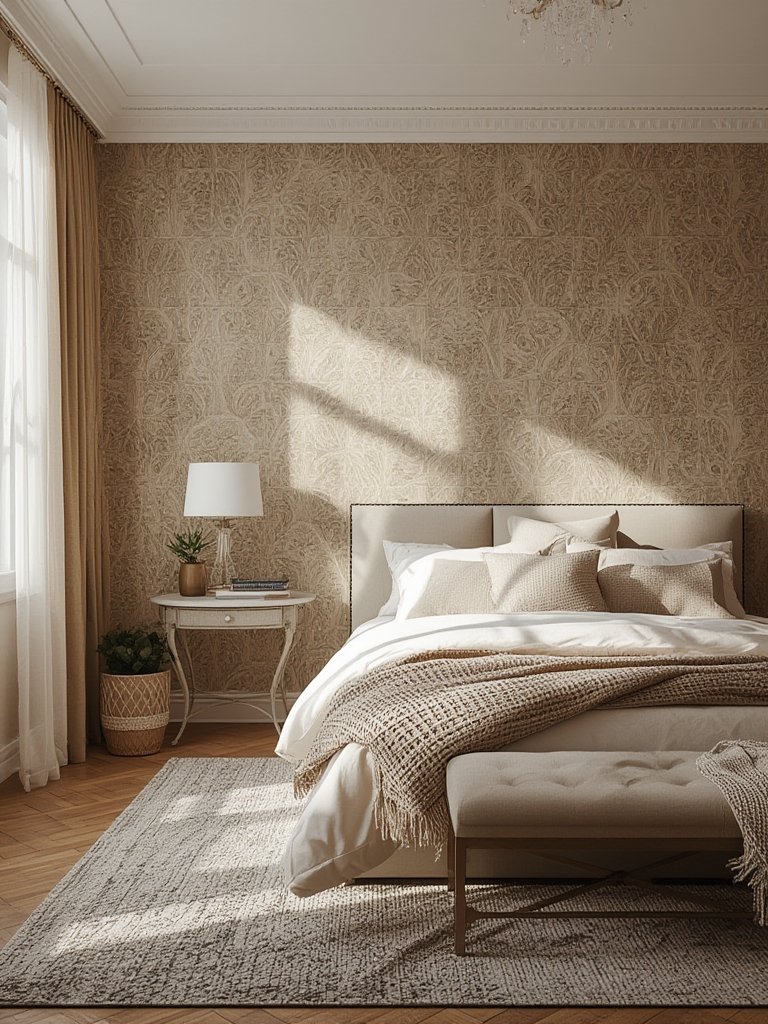
Peel and stick wallpaper delivers a realistic alternative to paint or traditional patterns for renters and renovators who value flexibility and aesthetics. While it offers easy, no-commitment style changes and appeals strongly to urban tenants, avoid shortcuts: always prep walls, choose reputable brands, and accept that “damage-free” results can’t be guaranteed in all situations. If you want other budget-friendly home upgrades, check out our suggestions for affordable home transformations and simple weekend projects. Use peel and stick wallpaper wisely to add style, not stress—start planning your wall transformation today.
FAQ
Will peel and stick wallpaper really not damage apartment walls?
Most high quality peel and stick wallpaper can be removed with minimal residue or paint damage, especially from clean, properly cured eggshell or satin wall surfaces. Situations involving matte paint, gloss, or very old/damaged paint increase the risk of peeling or marks. Always test on a hidden spot first.
How long does peel and stick wallpaper last once installed?
No leading brands publish specific lifespan data, but most removables are expected to last 2-3 years without significant peeling or fading if installed correctly and avoided in damp areas.
Can peel and stick wallpaper be reused after removal?
No. Once removed, the adhesive typically loses its effectiveness and may stretch or tear, so reapplication isn’t recommended.
What types of walls are most compatible with peel and stick wallpaper?
Smooth, clean, and fully cured painted drywall (eggshell or satin finish) provides the best adhesion and removability. Textured, matte, dusty, or humid surfaces often cause problems.
Is peel and stick wallpaper suitable for bathrooms or kitchens?
Limited. High moisture and heat cause many peel and stick wallpapers to bubble or lose adhesion. Only use products specifically rated for damp environments and test before doing an entire wall.