


Table of Contents
Modern kitchen design 2026 is changing how we think about everyday living, blending invisible appliances, handleless cabinetry, and warm hues into entire homes. If you’re planning a remodel—or already struggling with a sterile layout—understanding the latest styles and pitfalls is essential for creating a space that is both stunning and functional.
Key Takeaways
- Modern kitchen design 2026 prioritizes seamless integration, handleless cabinets, and hidden appliances for a cohesive, organic look.
- Common pitfalls include sterile aesthetics, storage frustrations, and higher upfront costs—especially when retrofitting older kitchens.
- Advanced trends highlight sustainability, smart tech integration, and subtle personalization, but not every layout or budget fits these innovations.
What Is Modern Kitchen Design 2026?
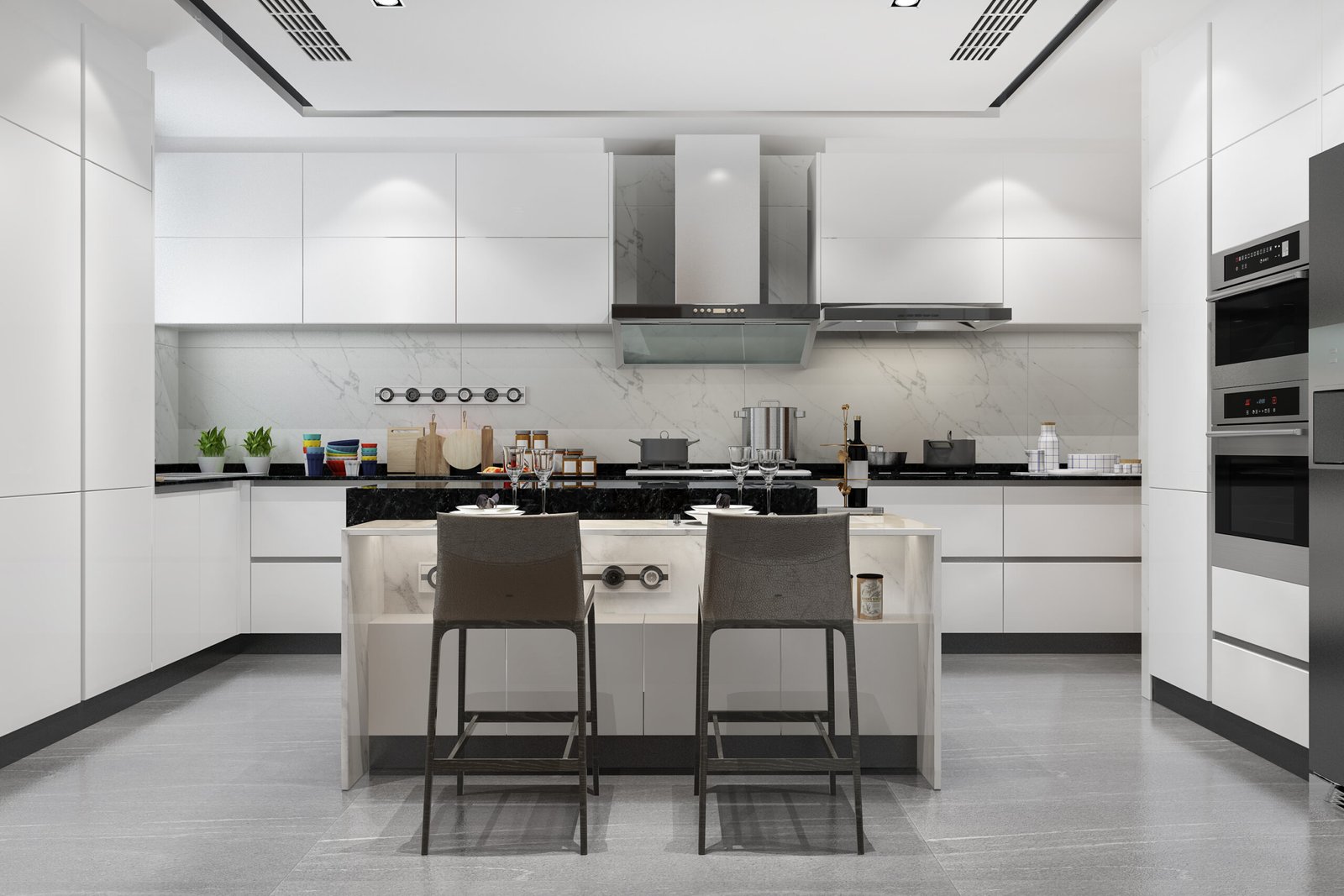
Modern kitchen design 2026 moves away from the once-popular all-white, minimalist spaces. Instead, it focuses on tactile surfaces, subtle color warmth, and invisible appliance integration. Handleless kitchen cabinets are central, creating streamlined lines and making kitchens feel larger and visually quiet. The goal is a seamless backdrop where even the fridge might disappear into the cabinetry, echoing the latest insights from kitchen design thought leaders and national reports (NKBA 2026 Kitchen Trends Report).
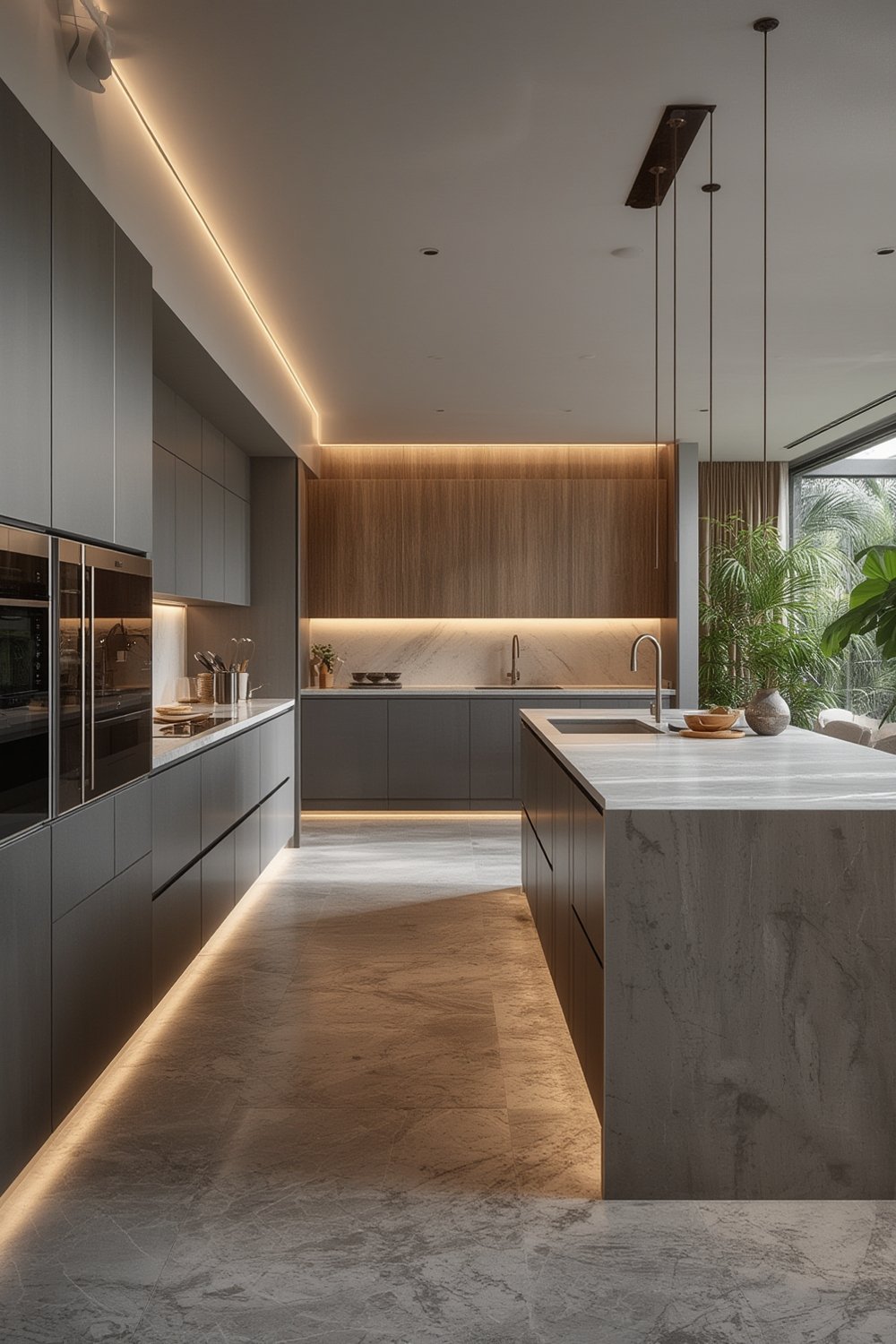
This design style responds to homeowner fatigue with hard-to-maintain, clinical rooms. Instead, you’ll find harmony: kitchen cabinets with no visible pulls, appliances cloaked behind wood panels, and islands that multitask as work, dining, and storage zones. Smart technology—once “nice to have”—is now essential, with integrated hubs that manage lighting, appliances, and even grocery ordering (IDI 2024 Trends).
No surprise, this evolution is partially a reaction to pain points from older minimalist kitchens—like cold aesthetics, awkward open shelving, and frustrating maintenance. In 2026, homeowners want a kitchen that’s welcoming, practical, and connected, not just a design statement. Fluted kitchen cabinets and organic details are also making waves, warming up interiors and offering texture without clutter.
The challenge? Achieving seamlessness without sacrificing character, personality, or daily convenience.
How to Achieve Modern Kitchen Design 2026: A Practical Guide
Ready to reinvent your kitchen? Here’s a clear, step-by-step path to realize modern kitchen design 2026—avoiding sterile vibes and maximizing both style and substance.
- Research and Plan for Your Space
- Measure thoroughly—hidden appliances and integrated pull-outs need precise dimensions.
- Prioritize traffic flow: seamless layouts are unforgiving of poor walkway planning.
- Plan for your main kitchen activities (cooking, entertaining, remote work).
- Choose Handleless Cabinets for the Core Look
- Select cabinets with push latches, inset channels, or continuous rails for an uninterrupted surface.
- Favor textured woods, reeded or fluted faces, or matte finishes to soften the look (Adkins & Associates, 2026 Trends).
- Check out fluted kitchen cabinets for a trending organic touch.
- Integrate Hidden Appliances Thoughtfully
- Use panel-ready fridges, dishwashers, and vent hoods that align with your cabinet finishes.
- Install handleless ovens and microwaves flush with cabinetry for a true built-in feel.
- Visit invisible fridge design for up-to-date ideas on blending technology with aesthetics.
- Upgrade Storage for Practicality
- Replace open shelving with concealed, layered storage that keeps surfaces clutter-free.
- Add internal organizers, deep drawers, and utility pull-outs; you’ll use every square inch efficiently.
- Get creative with hidden storage ideas throughout your kitchen and island.
- Focus on Materials and Warmth
- Shift from cold, all-white schemes to earth tones and natural materials—think bamboo, walnut, recycled stone.
- Eco-materials often cost less to maintain and feel more inviting (Reico 2026 Trends).
- Integrate Smart Technology
- Install discreet smart hubs or voice-activated features—think hidden charging, lighting control, or smart kitchen appliances.
- Be prepared to address integration or privacy challenges; choose devices that work together.
- For energy savings, couple this with energy efficient kitchen tools to lower long-term costs.
- Plan for Lighting and Texture
- Avoid making the space feel cold with layered lighting (LED under-cabinet, pendants, and dimmers).
- Textured surfaces and carefully chosen decor—like modern modern home decor for small spaces—add comfort and depth.
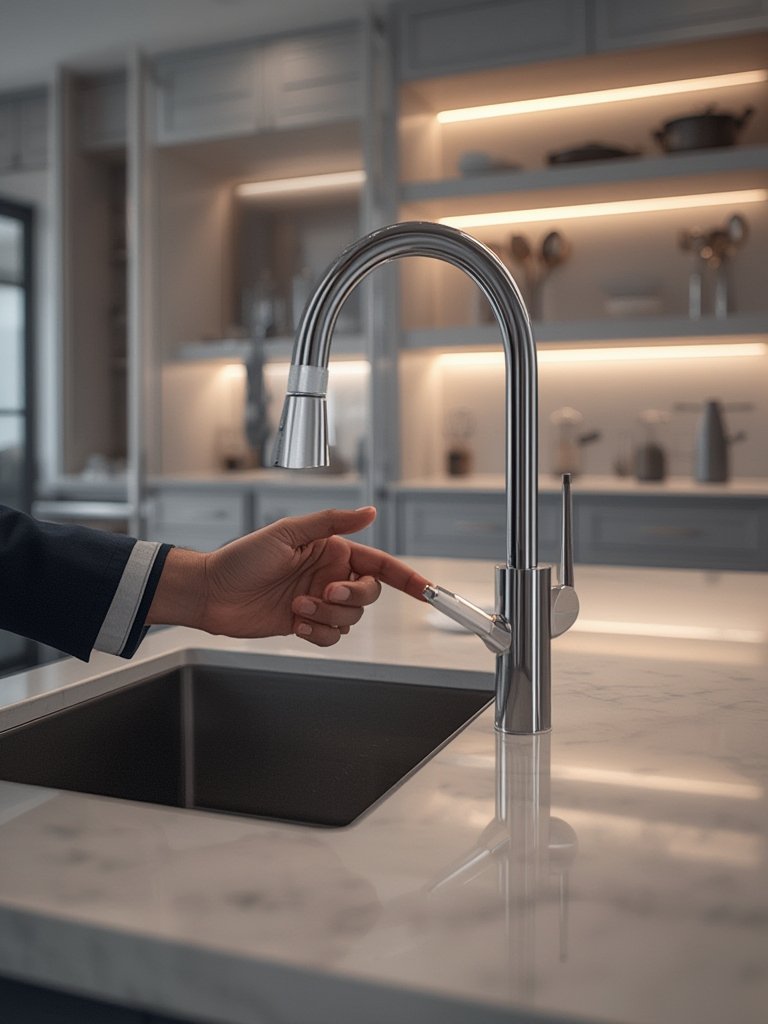
Expect higher upfront costs with specialized cabinetry and custom appliance panels. Labor is often more intensive, especially in retrofits. However, choosing sustainable materials and energy-wise technology can help offset these expenses over time.
For renters or small spaces, focus on handleless fronts, magnetic push latches, or compact appliances that mimic the effect without structural work—see modern small kitchen design for tailored tips.
Real-World Problems & Advanced Insights: What to Know Before You Commit
Modern kitchen design 2026 isn’t for every space or family, and the latest research surfaces several real-life problems and “learned the hard way” lessons. Here’s a breakdown of key pitfalls, cost concerns, and advanced nuances:
Frequent Pain Points Post-Renovation
- Sterile Feel: All-white, seamless kitchens felt cold to many users—42 percent of surveyed homeowners remodeled within three years due to bland, uninviting atmosphere (Adkins & Associates, 2026).
- Storage Misses: Removing upper cabinets or embracing open shelves backfired for most—storage was insufficient for real world needs. Built-in, layered storage is now favored.
- Maintenance Woes: Fingerprints, dust, and smudges are more visible on seamless matte surfaces or handleless cabinets. Handleless mechanisms may need periodic tightening or realignment.
- Integration Frustrations: Hidden appliances fit best with new cabinetry—retrofitting into older, out-of-square frames can mean costly rework and patching. Misaligned panels disrupt seamless lines and aesthetics.
- Customization Limits: Too much emphasis on seamlessness sometimes limits opportunities for expressing personal style. Multi-function islands and specific panel choices demand precise planning.
- Tech Growing Pains: Smart systems may not connect well across brands. Some integrated tech solutions present privacy or security worries.
Cost Comparison: Handleless Kitchens vs. Conventional Styles (2026)
| Category | Handleless/Integrated (2026) | Conventional Cabinets/Appliances |
|---|---|---|
| Cabinetry (per linear foot, incl. hardware) | Not published; typically 20-30% higher due to specialized tracks/mechanisms | Baseline cost |
| Hidden Appliance Integration (per unit) | Higher due to custom paneling & fitting (costs unreported as of 2026) | Standard appliance installation |
| Labor | Above average; more skill required for precision alignment and custom work | Standard carpentry rates |
| Materials | Eco-materials (bamboo, recycled stone) help offset costs | Traditional materials (MDF, laminates) |
Sources: Reico 2026 Trends, NKBA 2026 Kitchen Trends Report
Technical & Structural Challenges
- Older kitchens may lack the space or true square dimensions for seamless panels; wall or floor modifications might be needed.
- Retrofitting handleless mechanisms often requires adjusting or replacing face frames and rails, increasing complexity.
- Alignment is everything—mismatched reveals or bowed panels undermine the effect and may require expensive fixes.
- Hidden appliance service access can be more difficult; allow for service panels or slide-back doors.
Trends and Innovations Distinguishing 2026 From Past Years
- Material Sophistication: Warmth from woods, tactile finishes, and sustainable materials replace stark white and cold concrete.
- Whole Home Continuity: Kitchens “disappear” into adjacent living areas, echoing forms and finishes throughout the space.
- Integrated Appliance Hubs: Smart tech moves from isolated gadgets to centralized, seamless control stations.
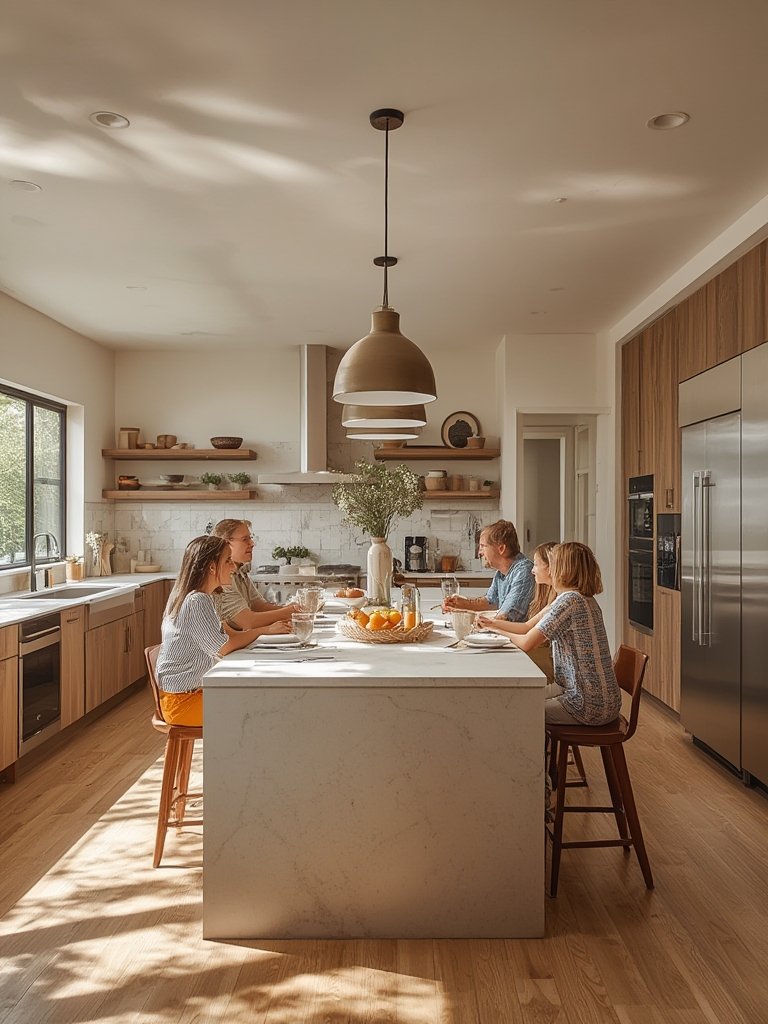
- Functionally Layered Islands: Multi-functional hubs now include hidden charging, concealed prep sinks, or adaptive seating.
What Most Articles Ignore
- Sustainable credentials are often mentioned but not fully explained—look for lifecycle data and long-term durability rather than just “green” labels.
- Smart tech compatibility is a real challenge, especially for minimalist spaces; verify ecosystems before buying.
- Personalization trade-offs can frustrate homeowners who want a unique touch—explore ways to add organic, lived-in elements within a seamless shell.
Conclusion
Modern kitchen design 2026 is refined, practical, and tech-savvy—but also forgiving of life’s daily chaos. By prioritizing handleless cabinetry, hidden appliances, and sensory warmth, you can create a seamless kitchen that still feels like home. Look beyond looks, though: expect some complexity during retrofits, higher upfront costs, and the learning curve with new tech. With these realities in mind, you can embrace modern kitchen design 2026 for a space that truly fits your lifestyle.
Ready to transform your kitchen? Explore the latest modern small kitchen design tips, or browse hidden storage ideas for more inspiration. Start planning your dream space today!
Frequently Asked Questions
What are the must-have features of modern kitchen design 2026?
Handleless cabinets, hidden appliances, smart integrated tech, tactile finishes, and flexible storage are all essential. Earthy hues and seamless layouts dominate. For further design ideas, check out top decor trends of 2026.
Are handleless kitchens hard to maintain?
They can show fingerprints and dust more easily, but choosing easy-clean finishes and regular maintenance solves most problems. Push-latch mechanisms may need adjustment over time.
How do hidden appliances affect the cost of a kitchen remodel?
Hidden appliances usually cost more upfront due to custom paneling and precise installation. Over time, energy-efficient models and durable finishes can lower maintenance and utility costs.
Can I retrofit handleless cabinets and hidden appliances in an old kitchen?
Yes, but retrofitting can be technically challenging. You may need to modify cabinetry, walls, or layouts. Professional installation is advised for precise, seamless results.
Is sustainable material use just a trend, or will it last?
Sustainability is a core focus for modern kitchen design 2026. Eco-materials like bamboo and recycled stone offer long-term durability and lower environmental impact, making them a lasting choice.