


Table of Contents
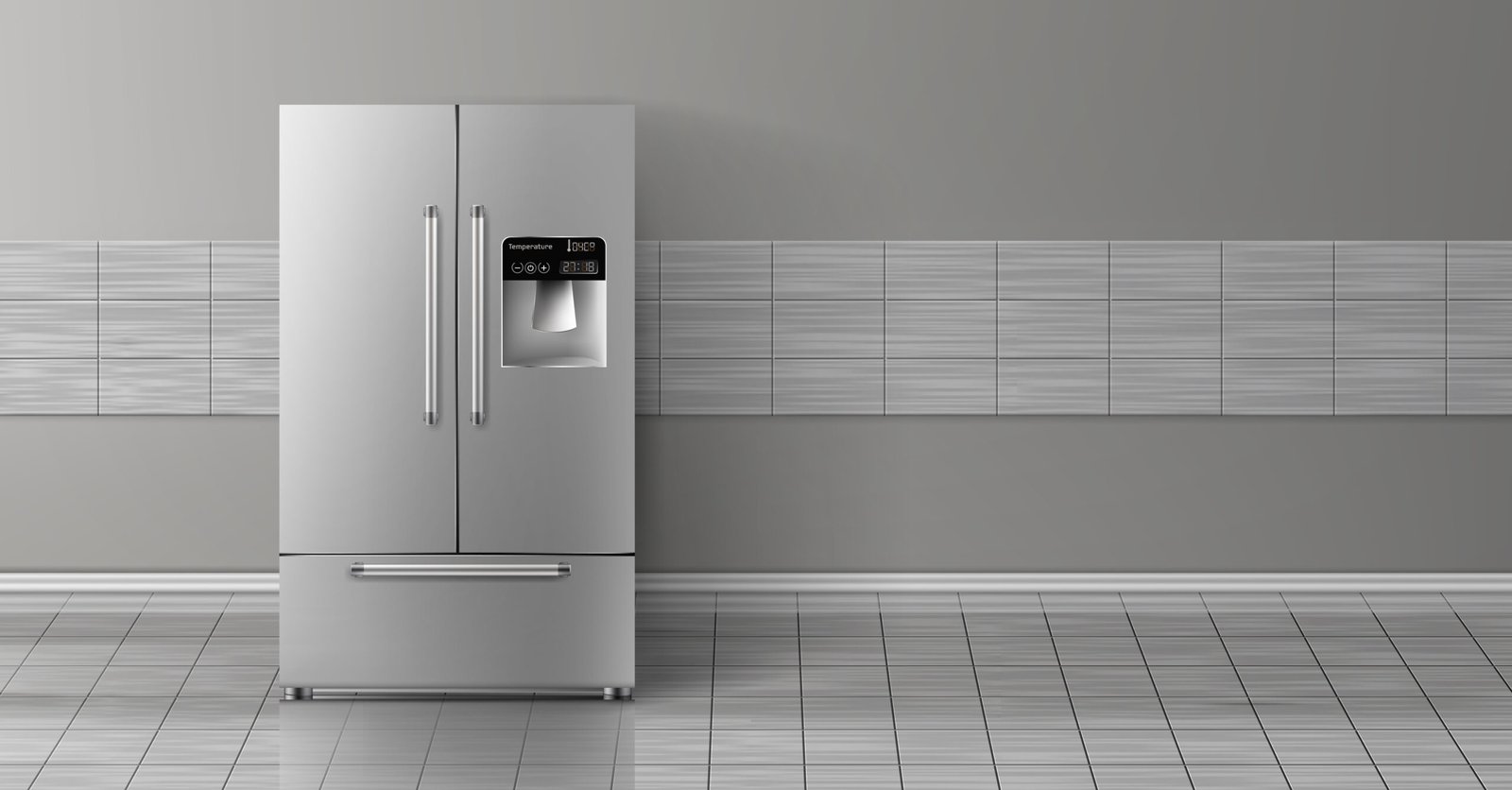
Invisible fridge design is redefining modern kitchen aesthetics, allowing appliances to disappear seamlessly into custom cabinetry while maximizing efficiency and style. This powerful approach creates a clean, cohesive space, letting the kitchen’s beauty stand out without appliance distractions.
Key Takeaways
- Invisible fridge design lets your refrigerator blend flush with kitchen cabinetry for a sleek, uncluttered look.
- While demand is rising fast, adopting invisible designs can mean higher installation costs and technical challenges.
- Smart integration, energy efficiency, and modular features boost workflow and satisfaction in modern kitchens.
The Core Concept: What Is Invisible Fridge Design and Why It’s Surging
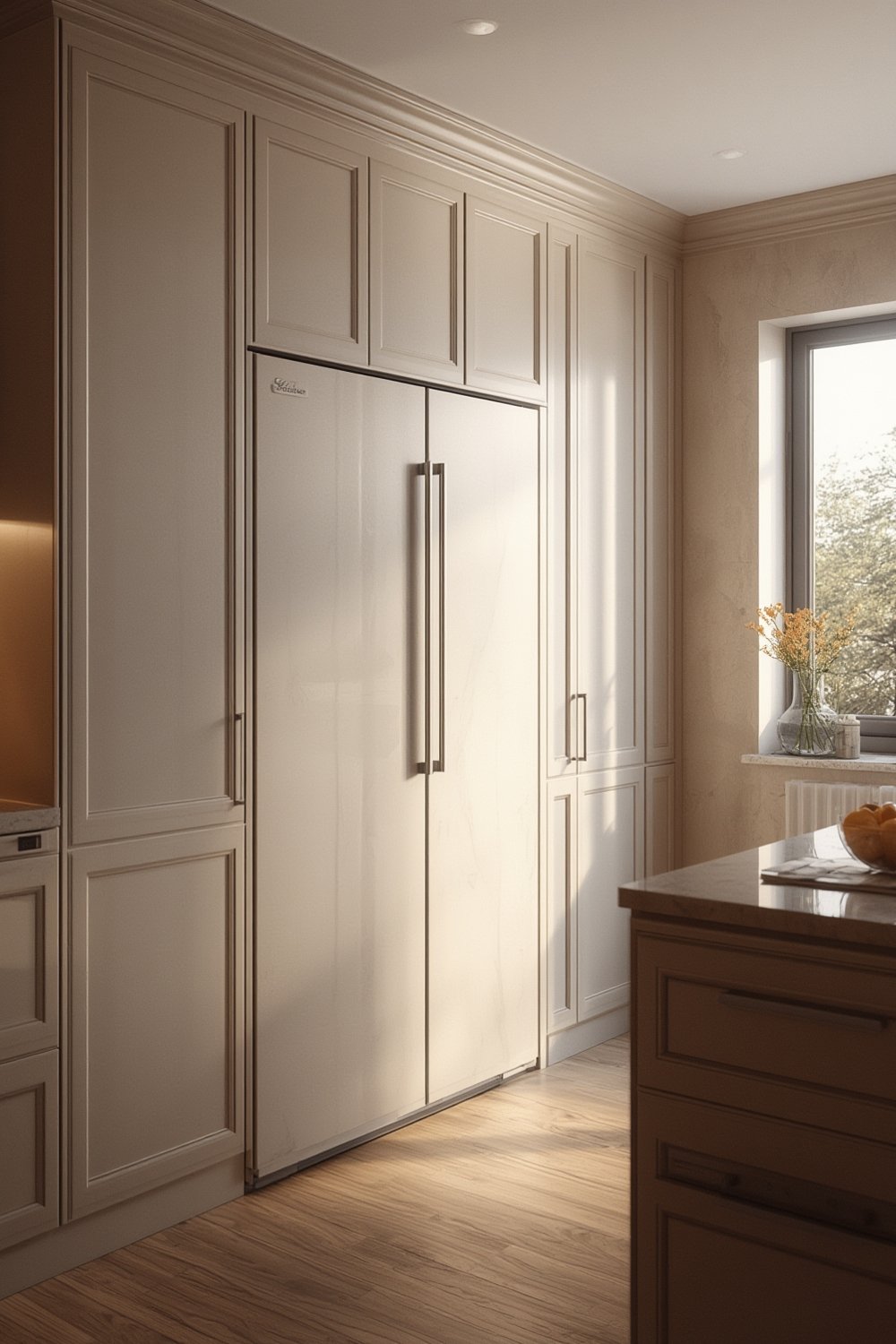
Invisible fridge design refers to panel-ready or fully integrated refrigerators that blend perfectly with kitchen cabinetry. Unlike traditional models, these appliances use custom or manufacturer-provided panels, eliminating visible handles and brand logos for a truly seamless appearance. The result is a unified, minimalist space that makes even compact kitchens feel refined and uncluttered.
This trend is experiencing rapid growth—with the global built-in refrigerator market valued at $16 billion in 2024 and projected to reach $25 billion by 2035 (source). Consumers in urban regions especially crave modular kitchens enhanced by invisible appliances, driving an 18% growth in integrated refrigerators in Germany and a 22% rise in India during 2023 (source).
Invisible fridge design is not just about aesthetic pleasure. It also brings efficiency: with smart and energy-efficient built-in appliances making up a significant slice of the market. Homeowners benefit from streamlined workflows, reduced clutter, and automated features that help manage food, reduce waste, and improve kitchen enjoyment.
This approach resonates especially with those living in smaller spaces or designing open-plan homes. If you care about maximizing both style and utility, and are inspired by concepts like minimalist furniture ideas or need space-saving ideas for small homes, invisible fridge design offers a compelling upgrade.
Step-by-Step Guide: How to Implement Invisible Fridge Design in Your Kitchen
Integrating an invisible fridge design into your kitchen takes planning and precision. Here’s a practical, step-by-step approach that will guide you to a seamless result.
- Assess Your Space and Choose the Right Model
Decide whether your kitchen layout supports a fully integrated fridge. Panel-ready models require precise cabinetry and ample electrical/ventilation access. Match counter depth and width for a flush look. - Order custom panels or Cabinet Fronts
Work with your kitchen designer or cabinetry shop to create high-quality panels that match your cupboards. Choose from wood, color-matched laminate, or lacquer—whatever fits your style. - Plan and Prepare Installation
Invisible fridge design requires careful attention to sizing, hinge clearance, and panel attachment. Ensure your electrical and water hookups are in the right position before delivery. - Install Smart Integration Features
Invest in smart, energy-efficient or AI-enabled built-in fridges for improved functionality. This can include food management, voice control, or integration with your smart kitchen appliances. - Insist on Professional Cabinet Fitting
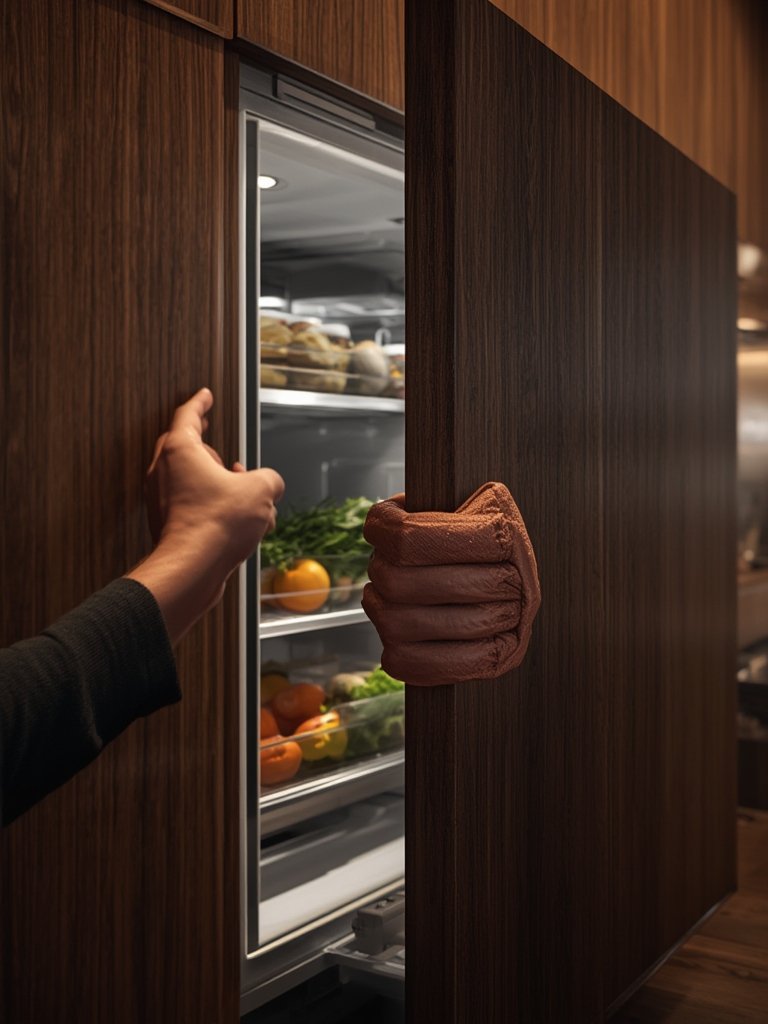
For the cleanest results, have your cabinetry builder or a specialized installer align the panels and make micro-adjustments on site. Make sure the door panels have enough clearance to open smoothly. - Test and Fine-Tune Functionality
Check that the fridge operates without obstruction, and electronics function as expected. Double-check the seal, as poor alignment can lead to inefficient cooling or excess energy use.
Don’t forget to balance your invisible fridge design with other built-in appliances for true cohesion. This is especially crucial for smaller homes—if size is a premium, reread our tips for modern small kitchen design and space saving furniture to unlock the best layout.
Invisible fridge design also works beautifully with features like fluted kitchen cabinets—allowing you to carry contemporary lines and textures across all surfaces without interruption.
Finally, think about your kitchen workflow: modularity and matching built-in appliances (dishwasher, oven) will further simplify daily routines and accentuate that seamless invisible effect.
Advanced Analysis & Common Pitfalls
Invisible fridge design is full of promise, but homeowners encounter real-world challenges that must be considered before making the leap. Understanding these issues ensures your project stays on course.
Common Pitfalls
- High Installation Costs: Custom cabinetry, precise fitting, and often special delivery for panel-ready units mean invisible fridge design can cost hundreds or even thousands more than standard freestanding models (source).
- Retrofitting Limitations: Existing kitchens may not support the depth, ventilation, or electrical needs. Sometimes walls, plumbing, or adjacent appliances need to be moved. Retrofitting can be impractical or extremely costly.
- Poor Workflow Planning: If you don’t plan the kitchen “triangle” (sink–stove–fridge) with invisible appliances in mind, you risk flow problems after installation. Misalignments can hamper door swing or accessibility.
- Maintenance Complexity: Panel-ready fridges can be harder to service. Accessing components may require removing custom panels. If an appliance needs replacement, matching new panels can be challenging.
- Ventilation/Efficiency Risks: Built-ins can overheat or become less efficient if cabinetry isn’t vented properly or the fridge is too tightly boxed in. For best performance, invest in proper ventilation solutions designed for built-in refrigerators.
Invisible, Built-in & Traditional Fridge Comparison
| Feature | Invisible Fridge Design (Panel-Ready) | Built-in Fridge | Traditional Freestanding Fridge |
|---|---|---|---|
| Visual Blend | Seamless; completely hidden | Flush, visible as an appliance | Fully visible, not disguised |
| Installation Cost | High | Moderate-high | Low |
| Maintenance Complexity | High—panel removal & custom parts | Moderate | Low—easy servicing |
| Lifespan | Long; designed for modular kitchens (no hard data) | Long; often robust build | Standard (varies by model) |
| Energy Efficiency | High with smart features | High, if recent model | Varies widely |
| Workflow Optimization | Excellent if planned; poor if overlooked | Good, but may stand out visually | Can disrupt flow; most flexible layout options |
Workflow & Cohesion: What the Market Has Learned
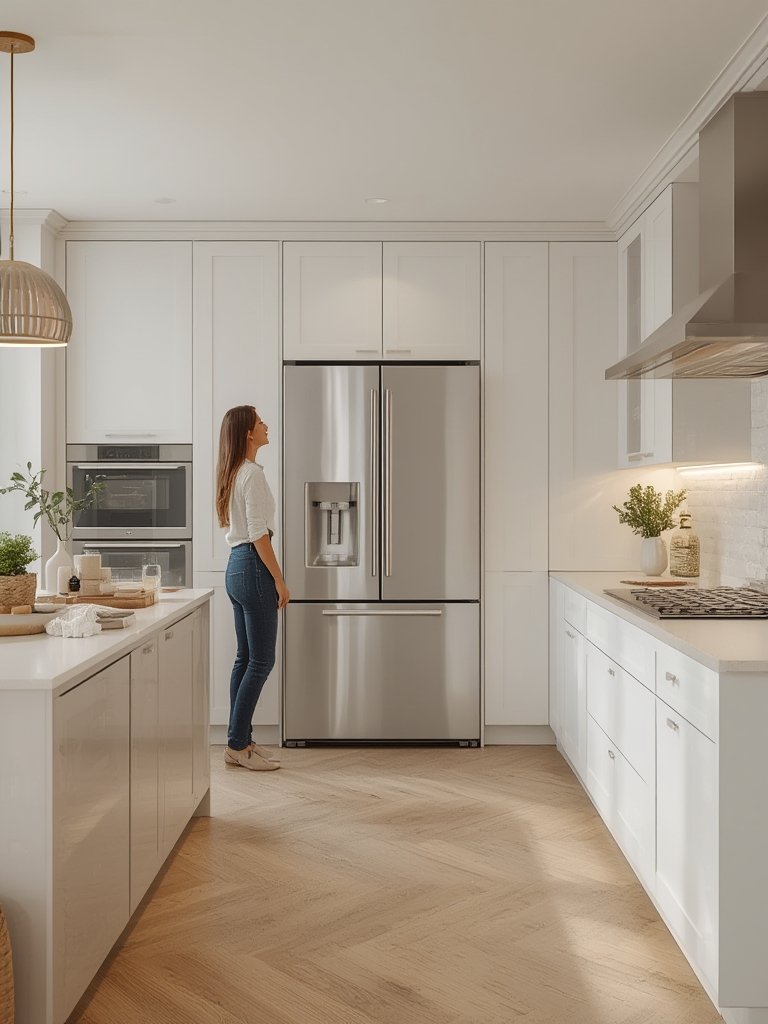
Research from Future Market Insights shows that smart-cabinet integration and consistent appliance styling—especially when all appliances are matched—produces greater homeowner satisfaction and smoother kitchen routines. This mirrors the push for efficient, minimalist home design featured in space saving furniture for modern living.
Despite the allure, not every home can easily support invisible fridge design—older homes and DIY remodels may find the costs and layout shifts outweigh the benefits unless major renovations are already planned.
Conclusion
Invisible fridge design is a leading trend for homeowners, designers, and anyone investing in a sleek, functional kitchen. By blending appliances into their surroundings, you gain aesthetic harmony, efficiency, and smart living advantages. Although setup demands close planning, attention to detail, and upfront investment, for many the result is a kitchen with lasting value and enjoyment.
Ready to transform your kitchen with invisible fridge design? Think ahead—plan your flow, budget for installation, and explore appliance options with energy-efficient, modular, and smart capabilities. With the right choices, this design lifts both style and performance in any modern home.
For more advice on cohesive home upgrades, see our guides to simple home improvement projects and explore the latest affordable home transformations.
FAQ Section
What is the main advantage of invisible fridge design over regular fridges?
Invisible fridge design allows your refrigerator to disappear into your kitchen cabinetry, delivering a minimalist, streamlined look with no visible appliance surfaces. This enhances design flow and makes even small kitchens feel more open.
Can I retrofit my current kitchen to support invisible fridge design?
While it’s possible, retrofit projects are often challenging and expensive. Existing cabinetry may not align with panel-ready fridge sizes or ventilation needs. Major modifications or a full renovation may be required for best results.
Do invisible fridges cost more?
Yes. Expect higher appliance costs, custom panel fabrication, and precise installation fees—all adding up to a premium investment. Service and maintenance may also be more complex if repairs are needed.
How do I ensure my invisible fridge remains energy efficient?
Choose a fridge with a high energy efficiency rating, and confirm that cabinetry allows for proper ventilation as specified by the manufacturer. Smart integration features—like automatic temperature management—can also boost long-term efficiency.
What if I want to match my invisible fridge with other appliances?
Many brands now offer panel-ready versions of ovens and dishwashers. For best cohesion, coordinate all built-in elements together with designer advice, keeping sightlines and surface finishes consistent throughout the kitchen.

[…] Open-concept kitchens and high-contrast color schemes (including fluted kitchen cabinets and invisible fridge designs) are now top Pinterest and Instagram searches, often crossing over thanks to viral FoodTok […]
[…] invisible fridge design for up-to-date ideas on blending technology with […]