


Table of Contents
Dog Dental Chews are more than just a treat—they are a proven solution for improving your dog’s oral health and reducing future vet bills. If your dog’s breath is less than fresh or you’ve noticed tartar creeping in, understanding how dog dental chews work, their benefits, and the real numbers behind the science can help you make smart, cost-effective decisions for your pet’s long-term well-being.
Key Takeaways
- Dog dental chews help reduce plaque, tartar, and bad breath based on multiple 2024 veterinary studies.
- Not a substitute for brushing or professional cleaning, but a practical addition to daily oral care for most dogs.
- Seek Veterinary Oral Health Council (VOHC)–approved products with proven results and clear usage guidelines.
What Are Dog Dental Chews & Why Do They Matter?
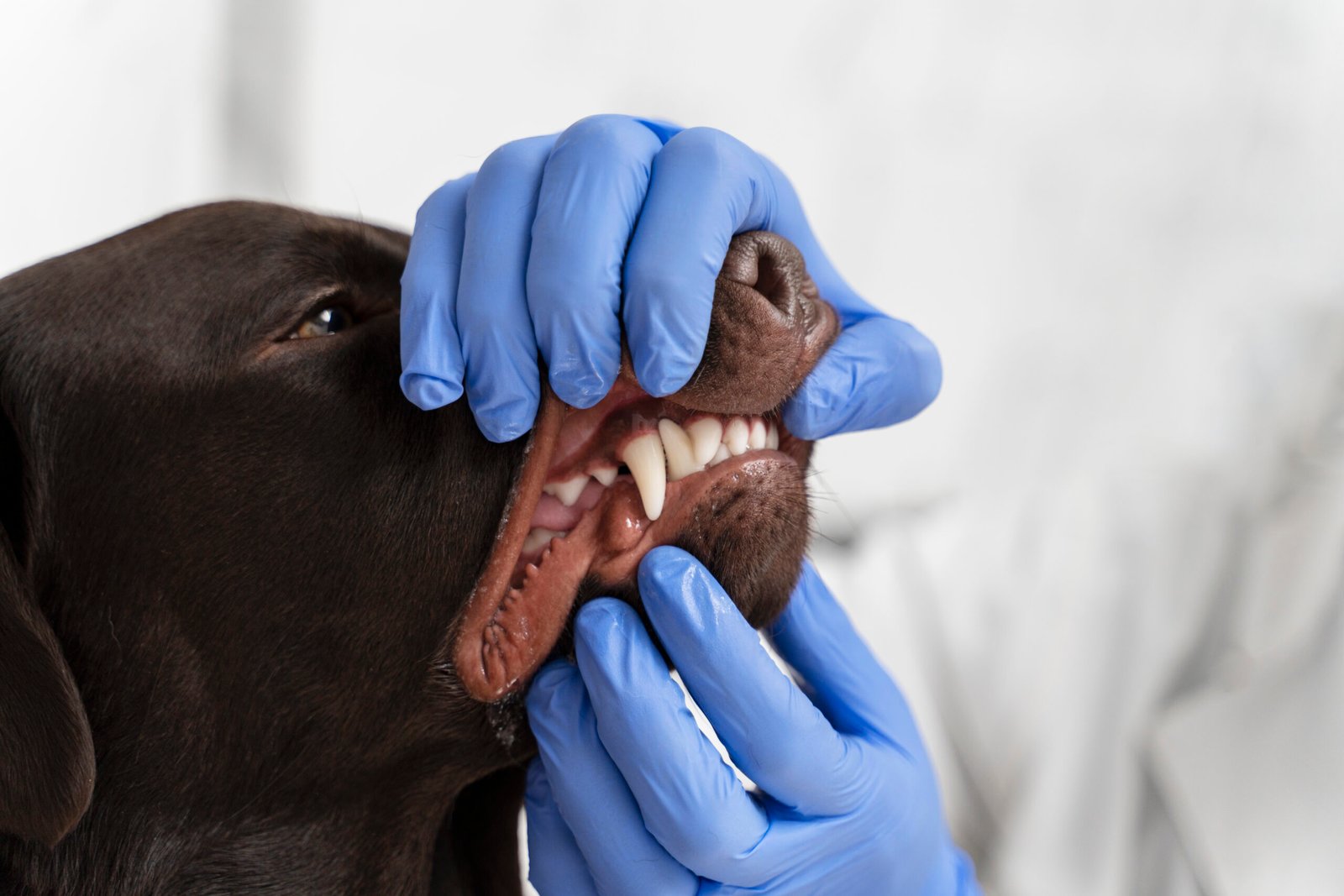
Dog dental chews are specially designed edible treats that clean your dog’s teeth as they gnaw, helping reduce plaque and tartar through mechanical abrasion. Unlike standard treats, dental chews are created with textures, shapes, and sometimes formulations intended to reach different tooth surfaces, scrape away buildup, and even freshen breath.

According to recent peer-reviewed studies, daily dog dental chews can lower calculus (tartar) by 26.6%, plaque by 14.2-15.2%, and malodor by up to 46.7% over 60 days. They also help reduce gingivitis, decrease bleeding during tooth probing, and favorably affect your dog’s oral microbiome by reducing harmful bacteria.
While the concept isn’t new, the evidence strength in 2024 has never been higher: brands with VOHC-approval now publish transparent clinical trials. Using dog dental chews daily—alongside feeding a dry diet—has become a key method to slow periodontal disease in dogs, make cleaning intervals less frequent, and improve breath without harsh chemicals or anesthesia.
Interested in optimizing every aspect of pet comfort and hygiene in your home? Check out these pet essentials for small homes for additional ideas.
How to Use Dog Dental Chews Correctly: A Practical Guide
Switching to or improving your dog’s dental chew regimen isn’t complicated, but a methodical approach yields the best results—saving you money and giving your dog proper oral care without the stress of the vet.
- Choose the right product. Look for dog dental chews with the VOHC seal, which verifies plaque/tartar reduction. Avoid overly hard chews (antlers, cooked bones) that could fracture teeth (a common pitfall).
- Size up the chew. Pick a dental chew based on your dog’s breed, age, and chewing style. If you have a small or toy breed dog, ensure the chew size won’t present a choking hazard. If your dog is a strong chewer, check for durability—but never so tough that it can’t flex if you press it with your fingernail.
- Frequency matters. Give your dog one dental chew per day. The evidence supporting dental chews’ effectiveness is based on daily use. Occasional chews do not have the same impact on tartar and plaque.
- Monitor for safety. Always supervise your dog the first few times they use a new dental chew. Watch for large unchewed pieces, excessive gulping, or digestive upset. Discard any small leftovers.
- Add chews to a routine, not as a substitute. Dental chews are an addition to regular brushing (if your dog tolerates it) and yearly professional cleanings. They help extend intervals between cleanings and target surfaces a toothbrush might miss but are not a total replacement.
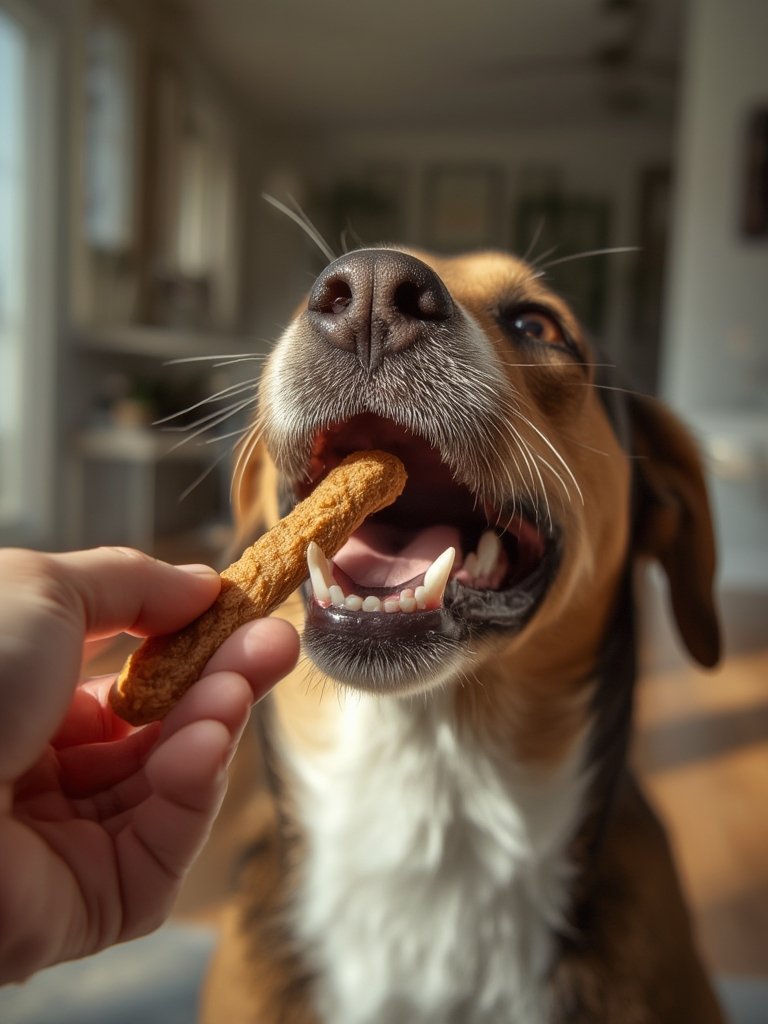
- Consider pairing your dental chew routines with special treats or interactive toys to reinforce positive behavior. For travel and outdoor adventures, pack dental chews along with a portable dog water bottle to stay hydrated and fresh-breathed on the go.
- Monitor results: Check your dog’s teeth weekly for surface buildup, odor, and gum inflammation. If issues persist or worsen, consult your vet—some dogs may need higher-level care (especially flat-faced breeds prone to dental problems).
- Check for recalls: While no major recalls or widespread health risks have been associated with top dog dental chews in the last two years (source), it’s good practice to check your brand’s safety record annually.
Space is at a premium in many modern homes, so if you’re juggling dog gear in a small apartment, don’t miss out on these compact pet comfort solutions for organizing chews and supplies.
Advanced Analysis & Common Pitfalls: Effectiveness, Safety & Value
The science is clear: dog dental chews can reduce plaque by 14.2–15.2% and tartar by 26.6–78.4% in recent clinical studies. A real advantage is their evidence-backed effectiveness in slowing the progression of periodontal disease and improving breath. But no single solution is perfect, and several practical limitations demand attention.
| Method | Plaque Reduction | Tartar/Calculus Reduction | Other Effects | Cost (USD) | Limitations |
|---|---|---|---|---|---|
| Dog Dental Chews (VOHC-approved) | 14.2–15.2% (daily use) | 26.6–78.4% (daily use) | Breath & microbiota improvements | $0.50–$2/day | Not a substitute for brushing Supervision required to avoid choking |
| Professional Veterinary Cleaning | ~100% | ~100% | Under anesthesia Addresses sub-gingival disease | $300–$900/procedure | Requires anesthesia Not suited for all dogs/ages |
| Tooth Brushing (daily) | Up to 100% | Up to 100% | Gold standard when performed correctly | $10–$20/month (supplies) | Difficult for many owners/dogs Needs consistency |
| Other At-home Treats (non-VOHC) | Variable Unproven | Variable Unproven | Minimal effect | $0.25–$1/day | Lack clinical backing Risk of empty calories |
Common Pitfalls & Realities:
- No dental chew will replace tooth brushing or a professional dental cleaning, especially for dogs with active dental disease or gum infections. Use them as an add-on, not a cure-all.
- Most brands and competitor articles fail to mention proper dosing per weight or breed suitability. Always read packaging and, when in doubt, ask your vet for product and frequency recommendations, especially for puppies or seniors.
- Ingredient transparency and shape matter. Look for chews that are easy to digest and without excessive fillers, artificial dyes, or sweeteners that could upset digestion, even though current studies did not report widespread issues or recalls.
- Supervision is mandatory for chews, especially with aggressive chewers or toy breeds, as choking or swallowing large pieces remains a potential hazard. If you’re looking for creative ways to organize all pet essentials—including chews—see our organization tips for pet care.
Most competitor articles ignore the day-to-day reality: simply tossing a dental chew once in a while is not enough. Use them as one part of a complete dental strategy—brushing, regular checkups, and use of dry kibble all work together. For a deeper look at how nutrition also impacts pet health, explore the benefits of freeze-dried dog food.

Conclusion
Dog dental chews are a highly effective, research-backed tool for reducing plaque, tartar, and bad breath in dogs when used daily and paired with other oral care. While they will not replace brushing or the need for professional cleanings, they offer a practical, affordable way to extend intervals between vet visits and improve your pet’s comfort.
To maximize the benefits of dog dental chews, choose a VOHC-approved option suited for your dog’s size, supervise usage, and treat dental care as an ongoing routine rather than a quick-fix. Ready to upgrade your dog’s oral hygiene? Start by adding the right dental chew to your next shopping list and share your experience with your vet on your dog’s next checkup.
For more actionable pet care and home optimization tips, be sure to read our guide on space-saving pet solutions for small homes.
FAQs
How often should I give my dog dental chews?
Clinical studies show daily use is key for significant tartar and plaque reduction. Give your dog one dental chew per day, unless otherwise directed by your vet or the manufacturer’s instructions.
Are all dental chews safe for every dog?
No. Always select the correct size for your dog and monitor them while chewing. Some chews may not be suited for puppies, toy breeds, or aggressive chewers. When in doubt, consult your veterinarian for guidance.
Can dog dental chews replace brushing or professional cleanings?
No, dental chews should supplement—not replace—daily brushing and annual professional cleanings. They are most effective as part of a broader oral hygiene routine.
What is a VOHC-approved dental chew?
VOHC (Veterinary Oral Health Council) approval means the product has passed clinical trials demonstrating it reduces tartar or plaque. Look for this seal for reliable results.
Are there any health risks with dog dental chews?
As of 2024, no widespread digestive, ingredient, or recall issues have been reported with leading dental chews. However, always supervise your pet and check for signs of choking or digestive upset.