


Automatic Litter Box technology promises to automate a notoriously unpleasant chore—cat litter cleaning. If you’re tired of daily scooping and want a solution that’s more hygienic and hands-off, modern automatic litter boxes are designed to lighten your load. This guide dives into the latest market insights, how to make an intelligent buying decision, realistic expectations, and actionable tips to help you make the most of this smart home pet upgrade.
Key Takeaways
- Automatic Litter Box adoption is rising, driven by pet parents who value convenience and hygiene, but costs and technical challenges remain key obstacles.
- Advanced features like Wi-Fi/app monitoring and multi-cat support are common, but reliable odor control and after-sales support still lack published data.
- Smart setup and proactive maintenance can maximize the automatic litter box’s benefits and reduce common pitfalls.
- What Is an Automatic Litter Box & Why Consider One?
- How to Choose & Set Up an Automatic Litter Box
- Advanced Analysis: Costs, Pitfalls & Real-World Drawbacks
- Conclusion: Should You Invest in an Automatic Litter Box?
- FAQ: Automatic Litter Boxes
What Is an Automatic Litter Box & Why Consider One?
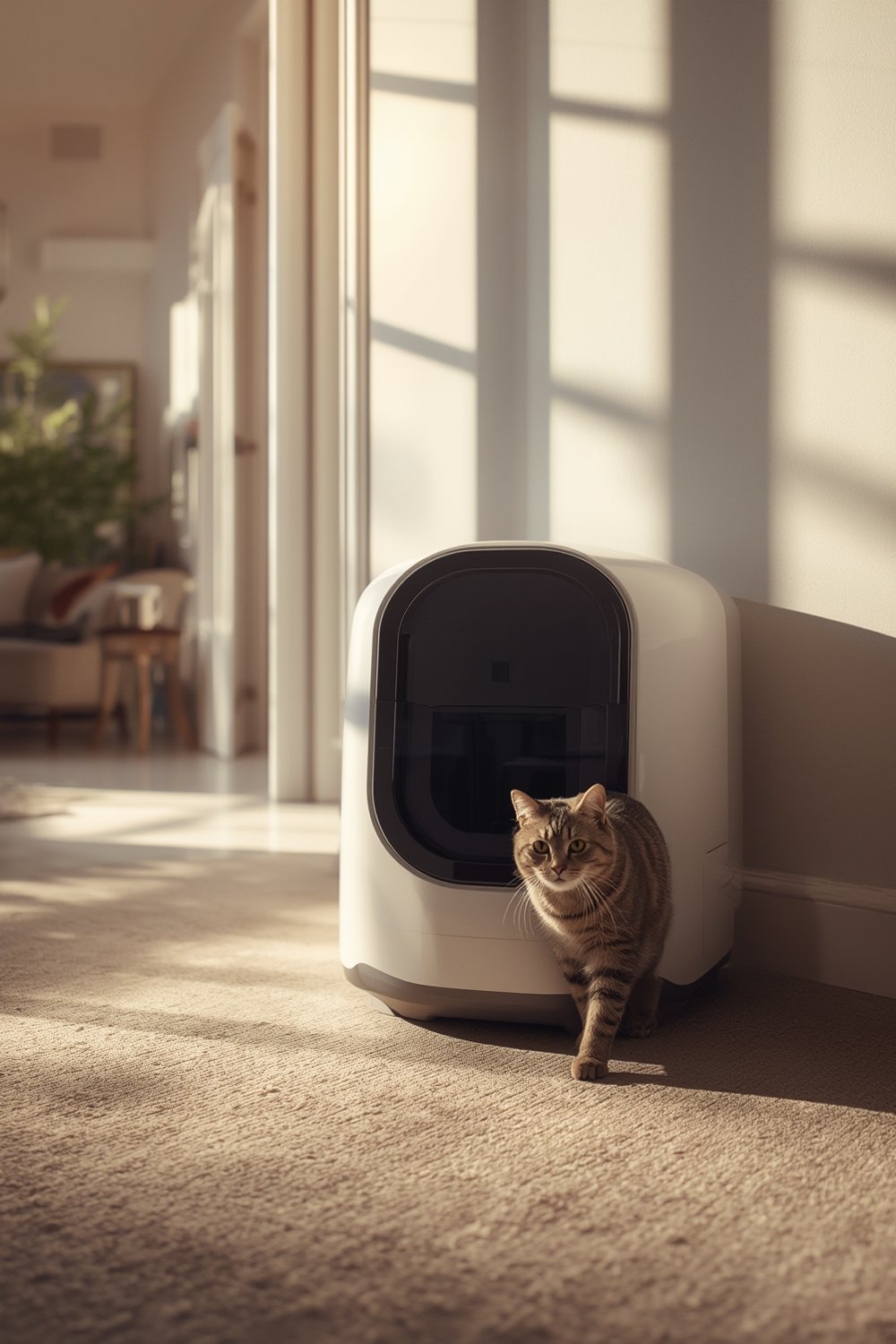
An automatic litter box is a hands-free, self-cleaning solution for cat owners. These devices use mechanical or electronic sensors and moving parts to remove waste regularly, eliminating the need for daily manual scooping. Leading models integrate features like Wi-Fi connectivity, app alerts, and advanced odor control, making them especially appealing for busy households or multiple-cat families.
According to industry research, the global market for automatic and self-cleaning litter boxes in 2024 is valued between USD 559 million and nearly USD 2 billion, with forecasts predicting steady growth of approximately 7% CAGR through 2028 and beyond. Adoption is especially high in North America due to the prevalence of dual-income households, time constraints, and rising trends in pet humanization.
However, choosing whether to invest in an automatic litter box goes beyond tech appeal. These systems save time and reduce odor, but may come with challenges like upfront cost, maintenance expenses, and learning curves for both pets and owners.
If you’re living in a small space, check out our pet essentials for small homes guide for more ways to optimize convenience.
How to Choose & Set Up an Automatic Litter Box
Transforming cat litter management with an automatic litter box takes more than tapping “buy now.” Follow these practical steps for the best results:
-
Evaluate Your Household Needs:
- Number of cats and their weight—some models have weight minimums or maximums.
- Space available for installation (consider models with compact designs if your home is small).
- Your budget, including monthly maintenance and accessory costs.
-
Research Features & Technology:
- Look for smart features relevant to your lifestyle, such as Wi-Fi/app control, waste tracking, or health monitoring.
- Review essentials like odor control, litter compatibility, waste drawer capacity, noise, and reliability.
- Brands like Litter-Robot, PetSafe, Breville, and Whisker are leading innovators, but always check for technical support and spare part options.
-
Check User Feedback & Brand Reputation:
- Even though research lacks aggregated negative review data, read individual user reviews on trusted e-commerce platforms for hints on reliability or specific flaws.
- Pay attention to cost structure warnings like expensive replacement filters, Wi-Fi subscription fees, or tech support costs that may not be immediately obvious.
-
Purchase & Set Up Correctly:
- Assemble according to instructions; test the sensor and cycling mechanism before introducing your cat.
- Place in a quiet, low-traffic area to reduce stress for your pet.
- Gradually transition your cat by keeping both the old and new litter boxes available for a few days.
-
Maintain Proactively:
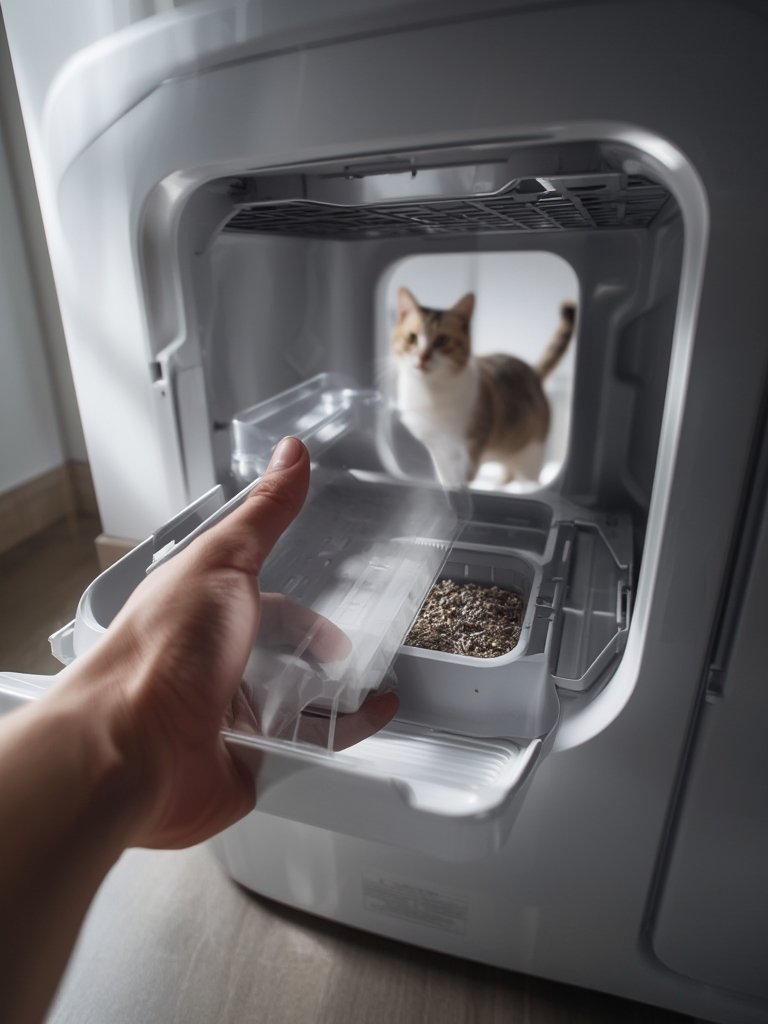
- Empty waste drawers as soon as notified (via app or scheduled checks), and clean the unit thoroughly at least once weekly.
- Keep a stash of biodegradable liners and parts—this keeps the automatic litter box running and controls costs long-term.
If you’re obsessed with tech-driven pet care, our smart pet feeder guide and AI pet health tracker guide offer more automation insights for busy households.
Advanced Analysis: Costs, Pitfalls & Real-World Drawbacks
Automatic litter boxes are not maintenance-free, and they are rarely “set it and forget it.” Here’s a clear-eyed look at what users encounter—and what isn’t always found in glossy ads:
1. Costs: Purchase, Upkeep & Accessories
While average prices are not published in the latest research, leading models can range from $200 to $700 upfront, plus:
- Monthly filter and liner replacements (cost varies—budget $10–$30 per month for supplies)
- Wi-Fi or smartphone app fees (sometimes free, sometimes a monthly subscription)
- Replacement parts and service fees for breakdowns
Cost structures remain a core adoption blocker, especially for multi-cat homes where multiple units or larger models are needed.
For smart ways to economize and keep your pet space organized, review our compact pet product tips.
2. Feature Set vs. Real-World Performance
Features often advertised for today’s smart automatic litter boxes:
- Wi-Fi/app notifications and cycle control
- Self-cleaning, auto-scooping, or “QuietSift” waste handling
- Odor control systems or enclosed waste bays
- Litter quantity and pet health monitoring
- Modular designs for easy cleaning and multi-cat households
However, there’s currently no published laboratory test data that proves these features outperform a traditional or semi-automatic box in odor management or ease of cleaning. This means results can be hit-or-miss depending on your cat’s personality, litter used, and your maintenance habits.
For a broader look at eco-friendly litter alternatives that could pair with your automatic litter box, visit our eco-friendly cat litter guide.
3. Pitfalls: What Research & Users Are Really Saying
| Issue | Automatic Litter Box | Traditional Litter Box |
|---|---|---|
| Odor Control | Advertised as improved, but no independent test data; effectiveness relies on prompt waste drawer emptying | Depends entirely on owner’s diligence |
| Breakdowns / Technical Issues | Moving parts mean higher risk of malfunction; extra costs if out of warranty | None — no electronics to fail |
| Learning Curve (Cats) | Some cats need several days to adapt; noise or motion may spook skittish animals | Very low—universal acceptability |
| Ongoing Cost | Filters, liners, tech support, possible app fees | Litter and box only |
| After-Sales Support | No published comparative data; reported as a challenge in some market research | Not applicable |
Negative online feedback can be hard to quantify, but several sources stress that pricing and necessary accessory subscriptions add up quickly, sometimes making ownership less affordable than it first appears. Additionally, there is almost no published analysis of warranty terms or easy access to replacement parts among leading brands—so check before you buy.
Want more comfort solutions for small urban apartments? See our strategies for space-saving home improvements and smart pet furniture ideas.
Conclusion: Should You Invest in an Automatic Litter Box?
An automatic litter box modernizes pet care, saves time, and can improve the hygiene of your home—especially for cat owners with busy schedules or multiple pets. But real-world performance depends on setup, maintenance, and understanding costs. Given the lack of consistent data comparing odor or reliability outcomes with traditional boxes, it’s wise to research thoroughly and factor in warranty and support details before choosing your model.
Ready to level up your cat care routine? Explore our self-cleaning litter box guide for in-depth product reviews and tips to find the best automatic litter box for your needs—and make daily litter duty a problem of the past.
FAQ: Automatic Litter Boxes
How does an automatic litter box actually work?
An automatic litter box detects when your cat has used the box using weight or motion sensors. After a predetermined time, it activates a cleaning mechanism (like a rotating rake or sifting carousel) that moves solid waste into a separate compartment, helping reduce odor and manual scooping.
Are automatic litter boxes suitable for multiple cats?
Many automatic litter boxes are designed for multi-cat households, but always check the maximum number of cats recommended. Some models may need more frequent emptying or extra maintenance with two or more cats.
What ongoing costs should I expect?
Expect recurring expenses such as replacement filters, disposable liners, and potentially Wi-Fi app subscription charges. Factor in occasional part replacements or tech support fees, which vary by brand.
Will my cat use an automatic litter box?
Most cats will adapt, but the transition can take up to a week. Keep your old litter box nearby during the changeover and use familiar litter to ease the process. Anxious or noise-sensitive cats may need extra encouragement or more gradual adaptation.
Do automatic litter boxes really control odor better than regular ones?
While manufacturers claim improved odor control with sealed waste bays or filters, there are currently no independent lab tests confirming consistent superiority over traditional boxes. Prompt drawer emptying and regular cleaning remain essential for best results.