


### Blog Post:
Interactive Cat Toys are rapidly transforming the way cats stay entertained and mentally stimulated indoors. In 2024, as technology and pet care trends align, cat owners have more options than ever before—but not every product lives up to the hype. This guide breaks down the real benefits, potential pitfalls, and the latest innovations to help you make smart, cat-friendly choices.
Key Takeaways
- The market for Interactive Cat Toys is booming, projected to over $3.2 billion by 2033, driven by tech innovation and rising pet enrichment spending.
- New features like AI personalization, app controls, and eco-friendly materials differentiate 2024’s best automatic cat toys from cheap alternatives.
- Not all interactive toys are created equal—buyers must weigh durability, safety, and actual cat engagement before investing.
- What Are Interactive Cat Toys—and Why Care?
- How to Choose & Use Interactive Cat Toys (Action Plan)
- Advanced Analysis: Pitfalls & What Actually Matters
- Conclusion
- FAQ
What Are Interactive Cat Toys—and Why Care?
Interactive Cat Toys are play devices or gadgets designed to engage your cat’s hunting instincts and keep them mentally active—without requiring you to be present all the time. These toys range from simple puzzle feeders to advanced robotic mice, app-controlled balls, and AI-driven play stations. The core idea: Prevent boredom, curb destructive behavior, and support healthier indoor cats by mimicking the surprises of real prey or playmates.
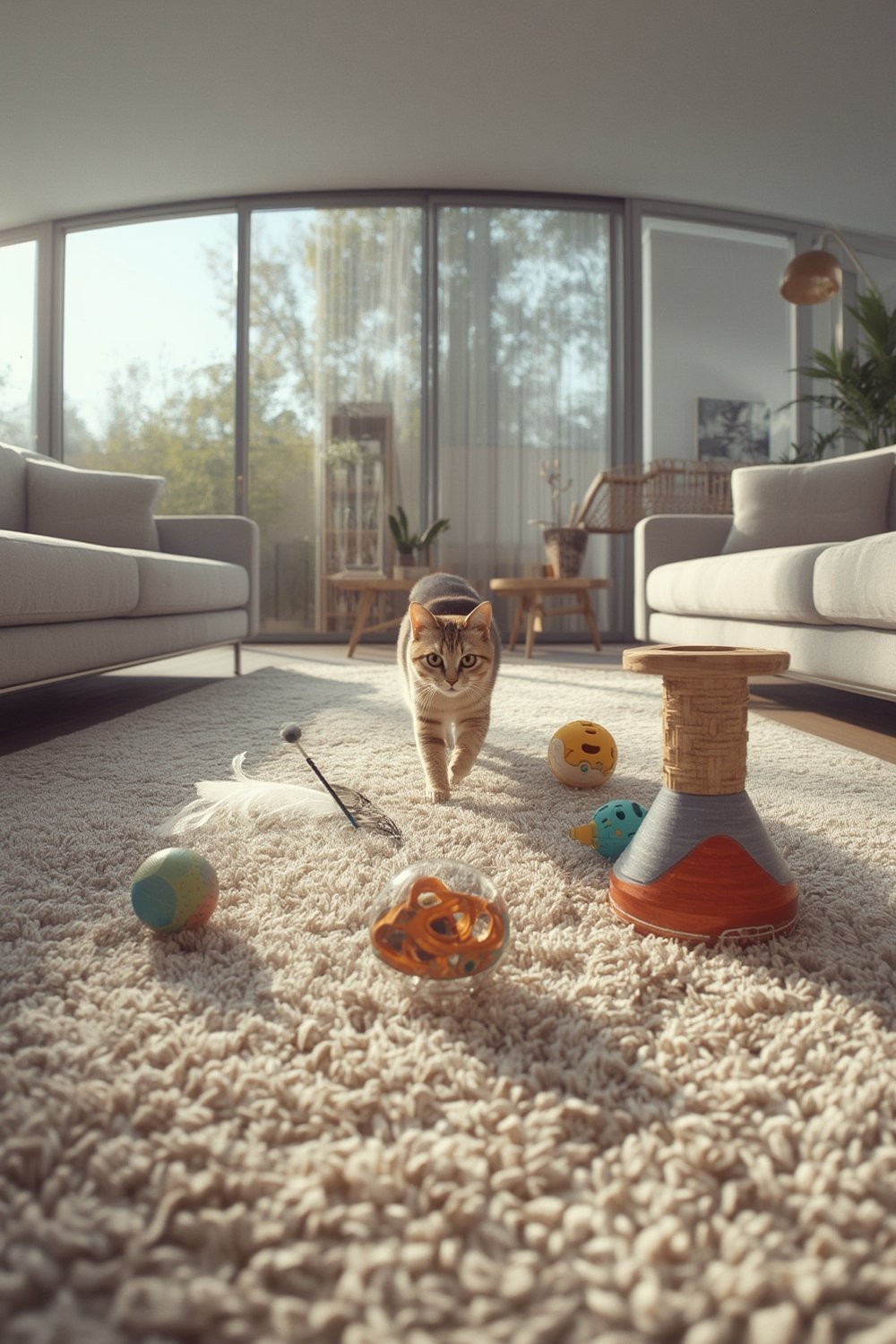
The latest market research shows that the global Interactive Cat Toys segment hit $1.5 billion in 2024—and is expected to more than double by 2033. Much of this growth is driven by two trends: pet owners seeing cats as full family members (“pet humanization”) and a surge in high-tech toys appealing to modern lifestyles.
Why does this matter? Without enough stimulation, cats get bored or overweight, may scratch furniture, or develop anxiety. Interactive Cat Toys can drastically reduce these problems, delivering play even in small apartments or for busy owners. They’re now seen as a baseline pet essential—almost as important as litter or a cozy cat nook.
How to Choose & Use Interactive Cat Toys (Action Plan)
Ready to upgrade your cat’s playtime? Here’s a proven, realistic decision path to maximize enrichment—without wasting money on underwhelming gadgets.
- Assess Your Cat’s Play Style: Is your cat a pouncer, a stalker, or a lazy lounger? Match toys—like feather wands, motion balls, or puzzle feeders—to their favorite hunting behaviors. If your cat loves chasing, pick motion-activated or remote-control toys.
- Prioritize Safety and Durability: Check for bite-proof materials and secure battery compartments. Avoid sharp edges or small parts that could detach. Brands like Potaroma, Petstages, and Cheerble are setting the benchmark for reliability and safe design (industry source).
- Compare Smart Features—But Lower Expectations: AI and app-controlled toys sound futuristic, but not every cat responds. Some top-tier toys now use behavior-tracking AI or app dashboards to customize play based on activity. Test these with your cat’s actual reactions before buying several.
- Balance Interactive Play with Manual Play: Even the smartest gadget needs backup. Use feather wands, cardboard boxes, or space-saving essentials for hands-on play. Rotate between tech and old-school toys for diverse mental challenges.
- Eco-Friendly Upgrades: Many 2024 models now use sustainable materials, recycled plastics, or natural cat attractants like silvervine and catnip. This reduces your paw print and can be gentler on sensitive cats.
- Watch Battery Life and Noise: If your cat spooks easily, quieter motors are best. Rechargeable or long-battery-life options cut hassle for heavy users. Look for user reviews mentioning sound and charge time—even if official specs are missing.
- Set Up and Monitor Use: Clear floors of clutter so moving toys don’t get stuck under furniture. Set timers (many app-enabled models offer this) to avoid overstimulation and preserve the element of surprise.
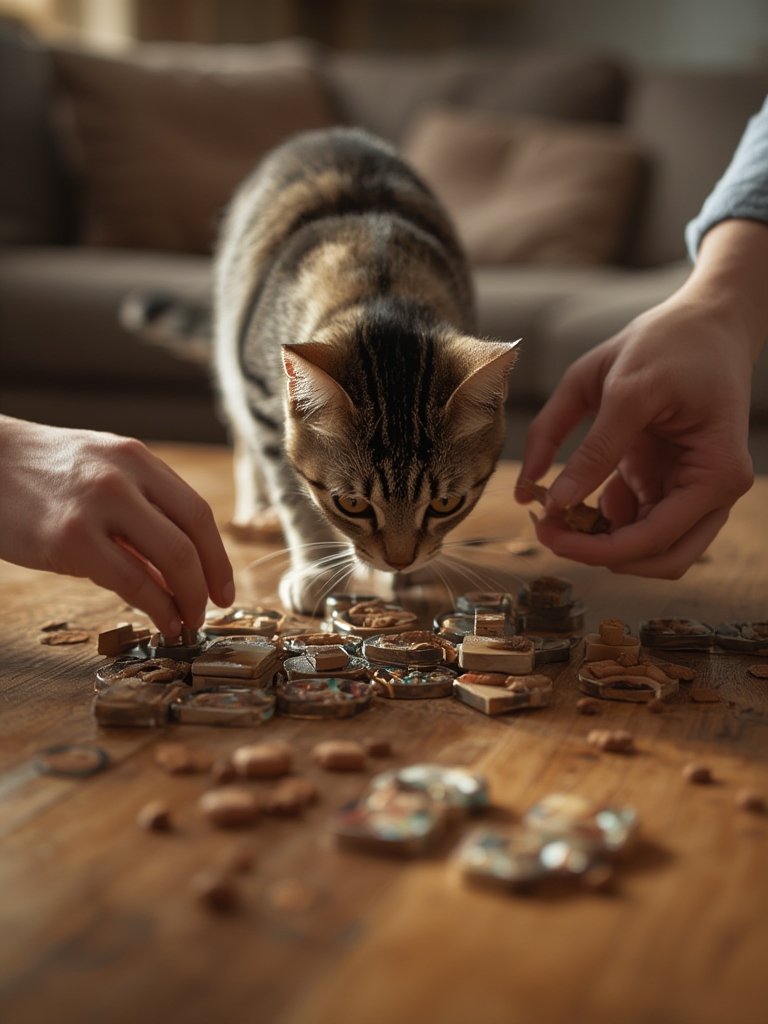
For apartment dwellers or those short on space, opt for compact designs that don’t sprawl across living areas. Integrate Interactive Cat Toys with compact furniture or tuck smart units behind shelves to streamline your setup.
Before expanding your collection, rotate toys to prevent “play fatigue.” If you have more than one cat, observe which toys foster positive interaction, not competition.
Don’t forget to balance hands-off enrichment with old-fashioned lap time. A mix of Interactive Cat Toys, cozy cat nooks, and quiet together time yields the happiest felines.
Advanced Analysis: Pitfalls & What Actually Matters
Not all Interactive Cat Toys succeed in the real world. Here’s what separates the future classics from the future landfill:
| Feature/Problem | Budget Interactive Toys | Premium Interactive Toys (2024+) |
|---|---|---|
| Durability | Low, often breaks after weeks | High-grade plastics/rubber with reinforced construction |
| Noise Level | Often loud, startles cats | Quieter motors, ultrasonic options |
| Battery/Charge Life | Disposable batteries, frequent changes | Rechargeable, multi-day runtime |
| Engagement | Limited movement, not customizable | AI-driven, app customizable play patterns |
| Eco-Friendliness | Virgin plastics, no sustainability | Recycled or eco-material, replaceable parts |
| Safety | Cheap components, risk of breakage | Certified, sealed battery cases |
Ironically, the most common pitfall is expecting that any self-moving or “smart” toy is a silver bullet. Many cats ignore them if the movement is predictable, noisy, or too “robotic.” Pay special attention to reviews noting engagement drop-off after days or weeks—this is far more common than you think.
Many cat owners also overlook the need for maintenance: tangled hair in wheels, depleted batteries, or overstimulation. If you’re relying on Interactive Cat Toys to be a babysitter, know that no device fully replaces human oversight or hands-on bonding.

When possible, choose reputable brands that are transparent about materials and warranty. If you live in a small space, pick toys that work with your current pet essentials and don’t add clutter. Bad fit? Donate them to a local shelter, or swap with fellow pet owners rather than sending more plastic to the landfill.
Conclusion
Interactive Cat Toys are changing the landscape of cat enrichment, blending technology and design to meet the needs of today’s indoor pets. Key advances—like AI, smarter app controls, and eco-friendly builds—mean that cat owners now have a powerful tool for preventing boredom and supporting healthy play. The secret is to stay realistic: not every toy sparks joy, but with a mix of hands-on and automatic options, your cat’s mental wellness will flourish.
If you’re serious about your cat’s happiness, start with one or two highly rated Interactive Cat Toys, test for true engagement, and keep the rotation fresh. Click here to see our full guide to creative cat nooks and enrichment spaces—and transform your home into the ultimate feline playground today.
FAQ
How many Interactive Cat Toys should I have for one cat?
Start with two to three different types of Interactive Cat Toys to keep your cat engaged. Rotate them weekly for variety.
Are expensive automatic cat toys better than budget ones?
Often, yes. Higher-end Interactive Cat Toys are more durable, quieter, and feature smarter engagement settings—but always read independent reviews and test with your cat’s preferences.
Can Interactive Cat Toys replace playing with my cat myself?
No, they supplement—not substitute—manual play. Mix Interactive Cat Toys with hands-on time for the happiest, healthiest cat.
What safety checks should I do before leaving a self-moving toy unattended?
Inspect the toy for parts that could break or detach, make sure batteries are sealed, and remove any sharp edges. Observe your cat closely the first few times.
How do I introduce Interactive Cat Toys to a shy or easily startled cat?
Let your cat approach the toy at their own pace, start with manual operation, use treats, and avoid high-volume or fast-moving models initially.