


Table of Contents
### Blog Post:
Vertical garden wall system solutions are transforming homes, balconies, and commercial interiors. Demand for these green walls is climbing sharply, thanks to urbanization, wellness trends, and an urgent need to boost air quality and space efficiency. Whether you’re a DIY beginner or seeking a pro install, this guide will help you understand what works—and what to watch out for—when adding living green walls to your space.
Key Takeaways
- Vertical garden wall system adoption is surging, with the global market expected to hit over $2.4 billion by 2030-2032. [source]
- Modern modular systems and improved materials now make DIY and professional installs more accessible, but realistic planning is vital to success.
- Pitfalls include underestimating ongoing maintenance, system weight concerns, and choosing the wrong wall or lighting for your setup.
What Is a Vertical Garden Wall System?
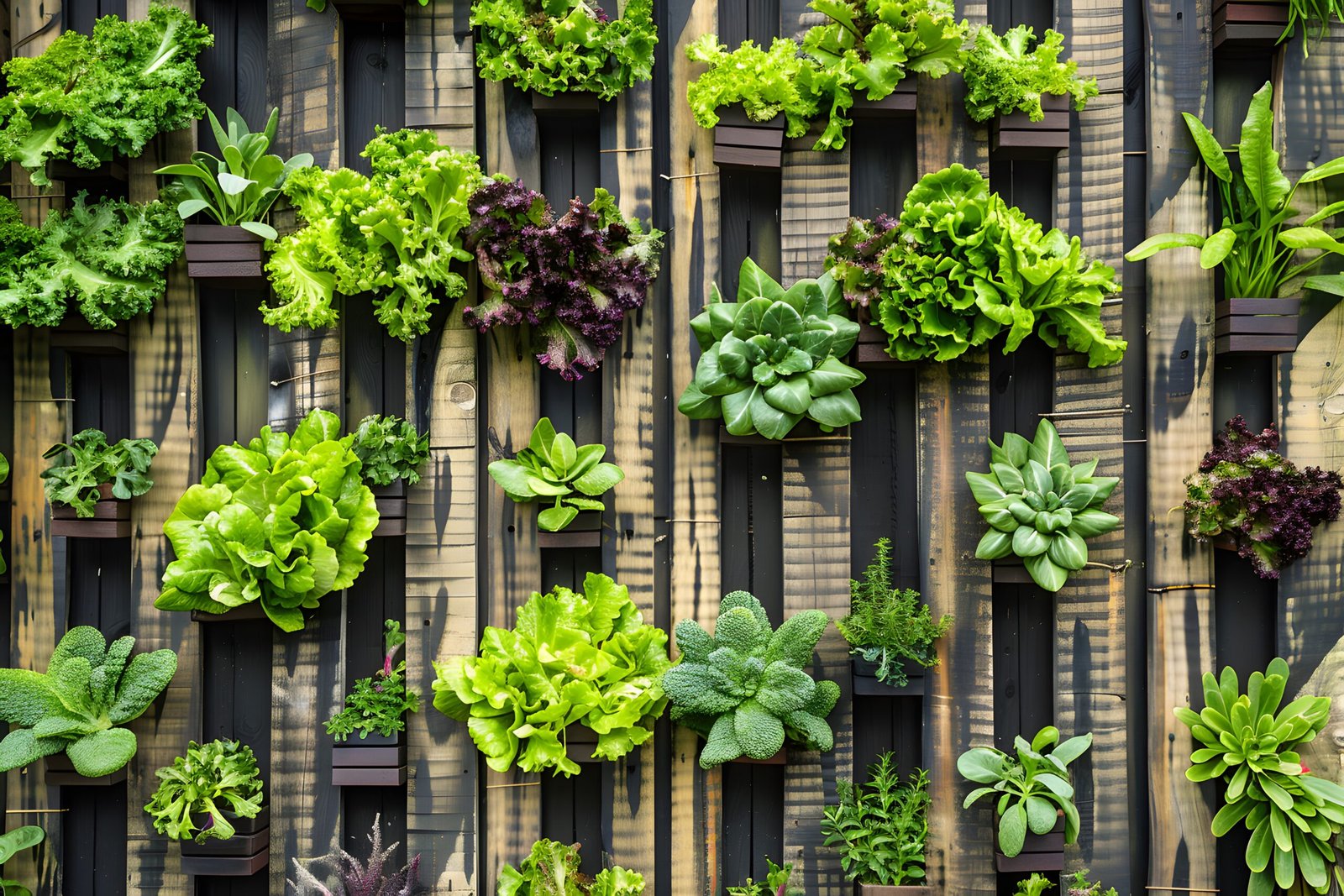
A vertical garden wall system is a modular structure that lets you grow plants upward on an interior or exterior wall. It typically combines panels or modular felt-pocket panels, a supporting frame, integrated irrigation, and a mix of plants tailored for your climate and light exposure.
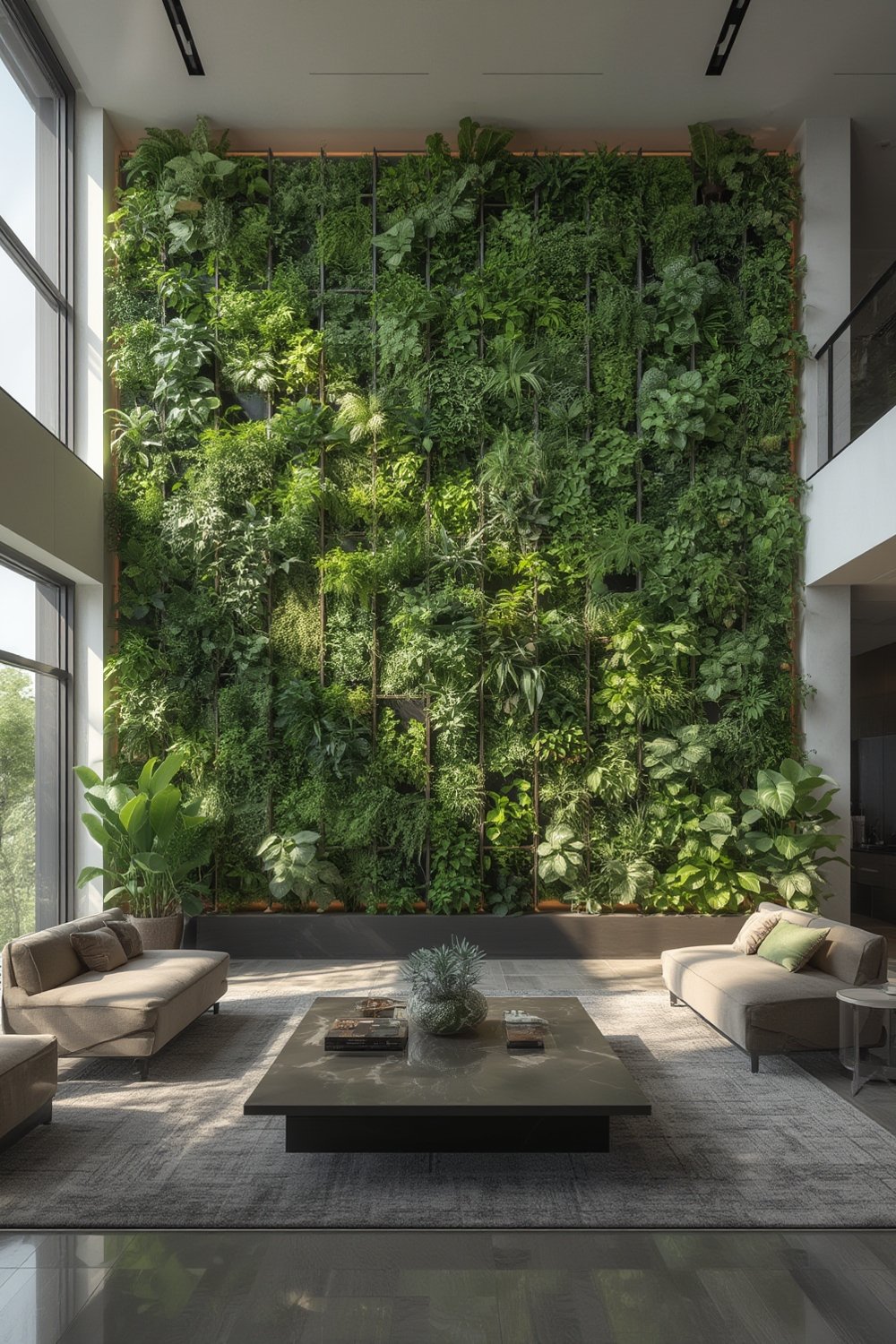
The core goals are to maximize greenery in minimal footprint, improve air quality, and boost visual appeal without sacrificing floorspace. According to the latest market reports, the sector is booming—with the global vertical garden construction market estimated between $0.95 to $1.4 billion in 2024 and on track to reach $2.4 billion within the decade. [source]
Vertical garden wall systems are popular among urban apartment dwellers and businesses seeking healthier environments. Advances in lighter panels and better irrigation have also made modular systems far more feasible for renters and small space homeowners.
For more small-space living inspiration, see our guide on compact furniture for small rooms or explore space-saving ideas for small homes.
How to Install a Vertical Garden Wall System (Step-by-Step)
Here’s a realistic, actionable approach to planning and installing a vertical garden wall system in a home or apartment:
- Evaluate Your Wall and Light Conditions:
- Choose a load-bearing wall away from direct HVAC vents or extreme sun (unless you’re planning an outdoor green wall).
- Assess available natural light. For low-light rooms, include supplemental LED grow lighting.
- Choose the Right Vertical Garden Wall System:
- Modular felt-pocket panels are great for easy swaps and lightweight needs.
- Rigid panel systems allow for hydroponic setups or more stable, long-term plantings.
- Look for features such as integrated irrigation and accessible maintenance points.
- Plan Irrigation and Drainage:
- Manual watering works for small walls, but integrated drip or hydroponic systems are best for consistent hydration.
- Always protect floors with a waterproof barrier and plan for potential drips.
- Select Suitable Plants:
- Pick species that thrive in your light and humidity. Pothos, ferns, and philodendrons are common winners.
- Test with a few plants before investing in bulk.
- Mount and Plant:
- Follow all manufacturer installation instructions. Ensure anchors are rated for the fully watered weight.
- Plant densely for faster coverage, or stagger for a budget-friendly start.
- Implement a Maintenance Routine:
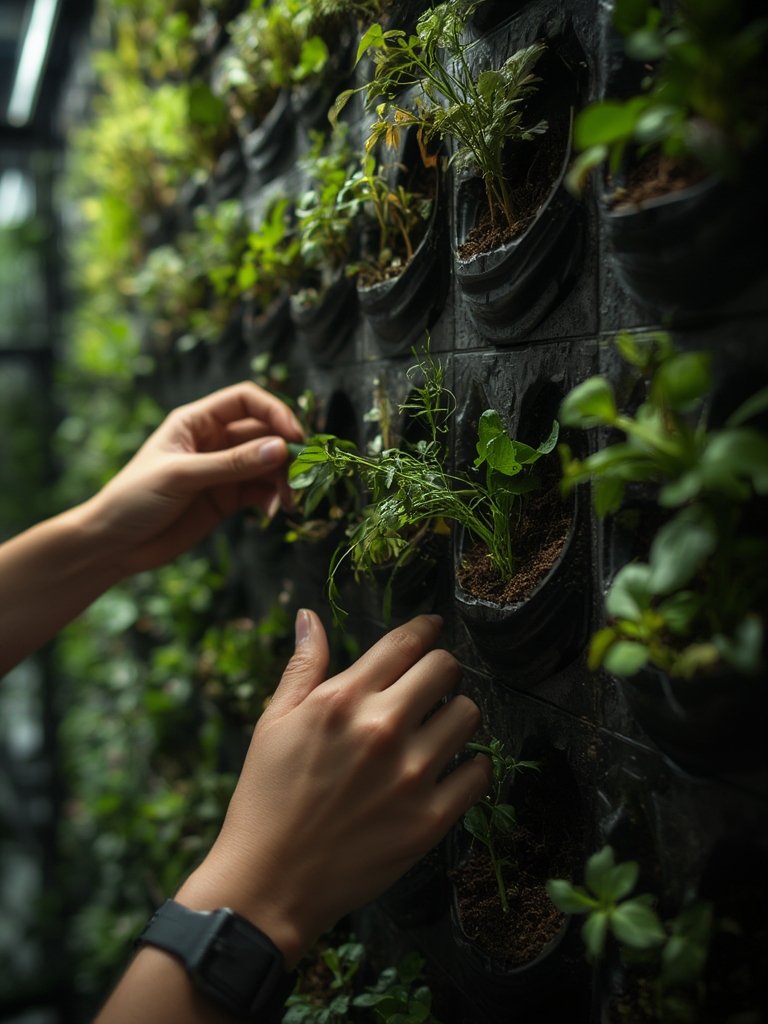
- Expect to prune, clean, and check irrigation every 1-2 weeks. Watch for mold or pests, especially indoors where airflow is low.
For outdoor living, our patio decor ideas and clever raised garden bed ideas offer more ways to bring greenery into your space.
Advanced Analysis & Common Pitfalls
Despite the rapid rise of vertical garden wall systems, real-world users face repeat challenges—especially in small home and apartment installations.
- Underestimating Structural Load: Watered wall systems can easily weigh 20-60 pounds per square meter. Regular wall anchors may fail. Use heavy-duty fastenings rated for wet weight plus an extra 20% safety margin.
- Irrigation Leaks: Even small drips can cause wall and floor damage, especially in older apartments with thin drywall. Always install a secondary waterproof barrier and test irrigation before planting.
- Poor Lighting Choices: Limited natural light can lead to plant failure, pests, and mold growth. High-quality LED grow lights improve success rates indoors.
- Maintenance Neglect: Expect to prune, check for fungus gnats, clear dead leaves, and monitor for mold. Automated irrigation saves time, but can fail silently if not regularly checked.
- Plant Variety Mistakes: Many plants struggle in confined, vertical setups or react poorly to shared irrigation. Always start with a few robust species and track their progress for 2-3 months.
Modular felt panel systems are easier for DIY, but rigid panels provide more planting stability. Still, any system—even so-called “easy” ones—requires ongoing care. If you’re seeking streamlined green upgrades, check out affordable garden ideas on a budget and ideas for small garden spaces to diversify your approach.
| Aspect | DIY Vertical Garden Wall System | Professional Installation |
|---|---|---|
| Cost (est.) | Low to moderate (materials only) | Moderate to high (labor, guarantee, design) |
| Time Required | Longer (especially without experience) | Usually faster; handled by experts |
| Customization | High with DIY skill; limited for beginners | Very high—pro guidance and options |
| Maintenance Commitment | Daily/weekly checks by owner | Varies; some pro services available |
| Warranty/Support | Typically none or DIY community | Often includes support or limited warranty |
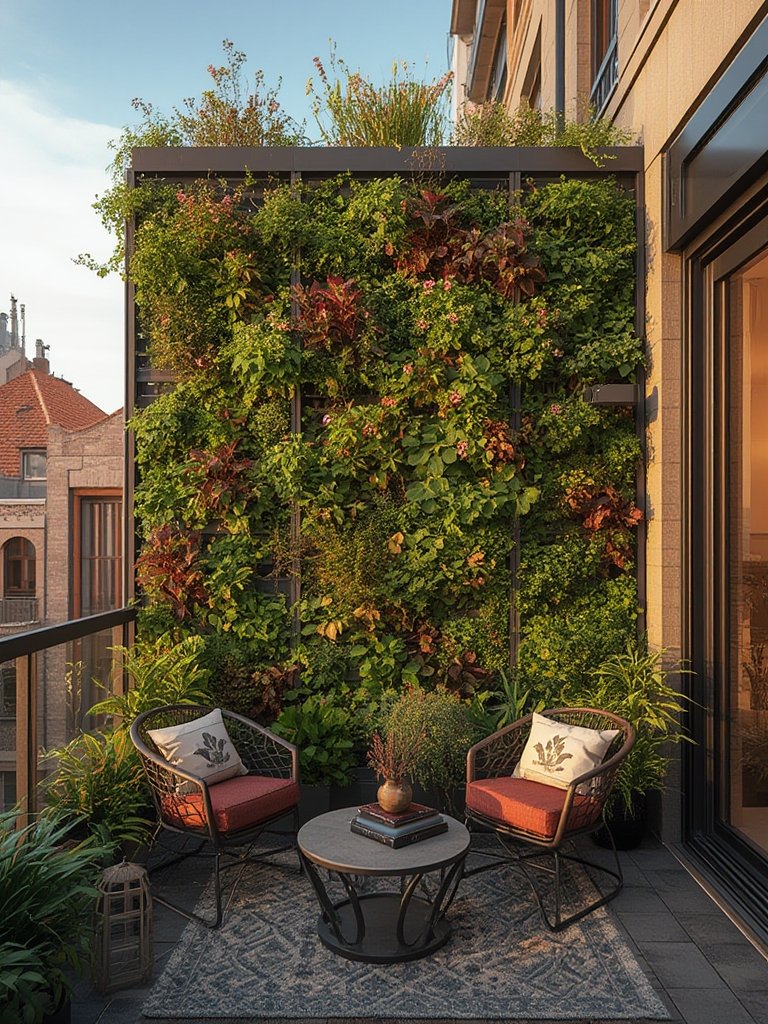
Before investing in a full vertical garden wall system, consider starting small. For inspiration, view our guide to small apartment makeovers for other ways to refresh your living space with minimal risk.
Conclusion
The vertical garden wall system market is evolving quickly, promising greener, healthier interiors for homeowners and businesses worldwide. Fast-growing modular systems and significant product improvements are making it easier for anyone to try this green upgrade. But don’t underestimate the technical and maintenance requirements—especially for renters and small-space dwellers.
If you’re ready to add new life, clean air, and style to your home, explore the latest vertical garden wall system options and start planning your green space today.
FAQ
How much weight will a vertical garden wall system add to my wall?
Fully planted and watered panels can weigh 20-60 pounds per square meter. Always use heavy-duty anchors and consider the extra wet weight before installation.
Do indoor vertical garden wall systems need special lighting?
If your wall does not get 6-8 hours of bright, indirect sunlight, plan to supplement with full-spectrum LED grow lights for most plant types.
How often do vertical garden wall systems need maintenance?
Expect to prune, remove dead leaves, check irrigation, and inspect for pests about every 1-2 weeks, depending on system size and plant variety.
Are felt pocket systems or rigid panel systems better?
Felt pocket systems are lightweight and great for DIYers, but rigid panels provide better plant stability and often support hydroponics. The best choice depends on your skill level, budget, and goals.
Can I install a vertical garden wall system in a rental apartment?
Yes, but you must ensure no permanent damage to the wall, use removable fixtures when possible, and check your lease. Modular systems are often easiest for renters.