


Table of Contents
Wet room bathroom conversion is one of the most popular modern remodeling choices for homeowners seeking better accessibility, easier cleaning, and spa-style luxury. But what are the real costs, challenges, and must-know tips for making your bathroom truly open and barrier-free in 2024? This guide goes deep—covering everything from costs and code rules to hidden pitfalls, real regrets, and expert hacks for a wet room bathroom conversion that brings value and satisfaction, not stress.
Key Takeaways
- Wet room bathroom conversion is rising in popularity for accessibility and luxury, with costs typically ranging from $8,000 to $15,000 in the U.S.
- Most regrets come from water management, cold or slippery floors, missing accessibility features, and poor planning—not from the barrier-free design itself.
- Success depends on meticulous waterproofing, correct floor slope, slip-resistant surfaces, and practical accessibility solutions.
The Core Concept: What Is a Wet Room Bathroom Conversion?
A wet room bathroom conversion transforms your standard bathroom into a fully waterproof, open-concept space where the shower is level with the main floor, and water can flow freely without barriers or thresholds. The main shower area and the rest of the bathroom share continuous flooring, with expert waterproofing and drainage built-in so the entire room can safely handle splashes and spray.
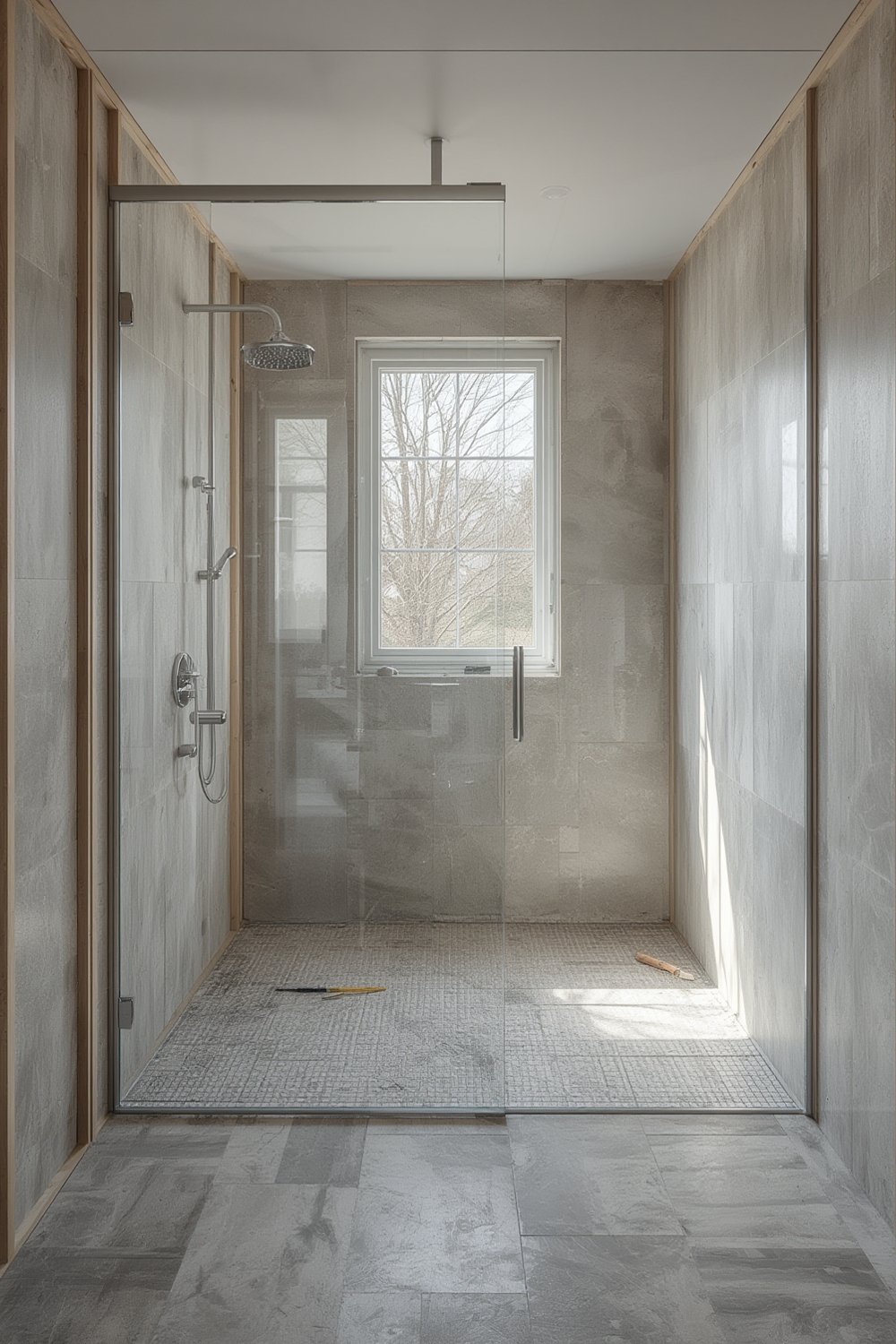
This approach has become especially popular among those prioritizing aging-in-place, accessibility, sleek aesthetics, and the feel of a luxury spa at home. According to the 2024 U.S. Houzz Bathroom Trends Study, about 21% of U.S. bathroom remodels now feature a curbless or wet room design. A high-quality wet room bathroom conversion also appeals to buyers seeking modern convenience and can boost property value, especially when paired with other upgrades.
Unlike a traditional shower, a wet room relies on hidden slopes, advanced waterproof membranes, and strategically placed drains so water never pools or leaks. This method is flexible for small and large bathrooms alike, making it ideal for tight layouts or multi-generational homes.
Step-by-Step Guide: How to Convert Your Bathroom Into a Wet Room
Successfully managing a wet room bathroom conversion requires attention to design, product choice, and strict installation methods. Here’s how to do it step by step:
- Assess and Design
- Measure your space and decide if you’ll keep (or relocate) any existing tub or shower.
- Plan for open, level entry and continuous flooring.
- Determine if full waterproofing will cover just the shower zone or the entire bathroom floor (recommended for safety).
- Choose Drains and Layout
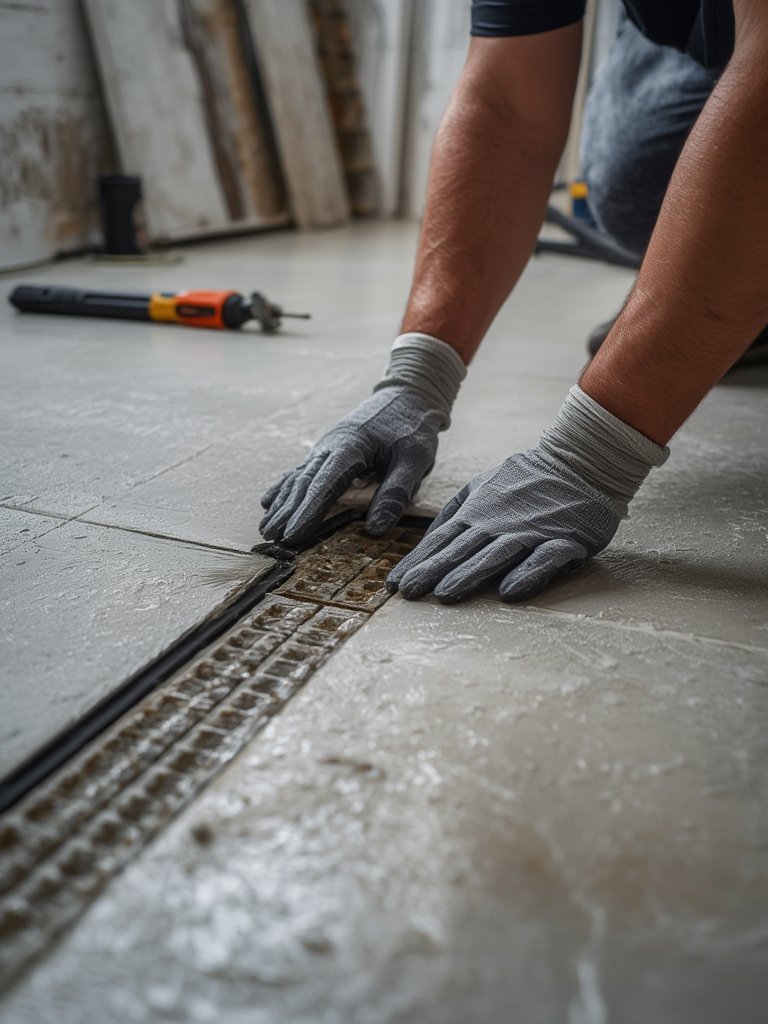
- Decide on a linear drain or a center-point drain based on your preference and floor joist direction.
- Ensure all water flows unimpeded to the drain (minimum 1/4 inch per foot slope).
- Floor Structure and Preparation
- Remove the old tub/shower and inspect subfloor and joists for rot or damage.
- Recess joists or use a pre-sloped foam shower pan system to create a level entry if needed.
- Install blocking for future grab bars, benches, and fixtures before closing up any walls.
- Apply Waterproofing System
- Cover the entire shower/wet area, and ideally the full bathroom floor, with a certified waterproofing membrane (liquid or sheet type).
- Wrap waterproofing up walls several inches and seal every seam, niche, and penetration.
- Install Non-Slip Tile or Surface
- Choose small-format textured tiles or high-slip-resistance surfaces, especially in the shower zone. Try a non-slip tile treatment for added safety.
- Layout tiles to match the floor’s slope toward the drain for seamless drainage.
- Finish With Glass, Fixtures, and Accessibility Features
- Add at least a partial fixed glass panel to limit splashing and retain warmth.
- Install a fold-down or built-in shower bench, strategically placed grab bars, good LED lighting, and a handheld showerhead on a sliding bar.
- Opt for lever handles and comfort-height toilets if accessibility is a priority.
- Test Everything
- Flood-test the waterproof layer before tiling over it.
- After installation, run the shower for several minutes and check for leaks, pooling, or water escaping into unwanted areas.
Throughout your project, consider adding small touches to maximize the benefits of your wet room bathroom conversion:
- Install radiant underfloor heating to eliminate that cold-draft sensation common in wet rooms.
- Choose easy-clean grout or large-format tiles to minimize cleaning time and reduce mildew.
- Optimize storage with recessed niches or built-in shelves that are accessible from a seated or standing position.
Looking for more home transformation inspiration? Check out affordable home improvement ideas and simple home improvement projects for projects you can combine with your wet room remodel.
Advanced Analysis and Common Pitfalls
While a wet room bathroom conversion offers tremendous lifestyle benefits, there are serious pitfalls and drawbacks if you cut corners or skip crucial details. Based on recent research by House Beautiful/Angi and the U.S. Houzz Bathroom Trends Study, here are the most common regrets and issues:
- Water escape/pooling: Inadequate slope, poor drain placement, or underpowered drains cause puddling or water reaching into the main bath area—leading to slippery floors and even structural water damage. Always check the floor gradient and test drains before finishing.
- Leaks and waterproofing failures: If joints, niches, or wall seams are poorly sealed, water can leak into subfloors or adjacent rooms, leading to rot, mold, or extensive and costly repairs. Many leaks are not visible until floor damage has become significant.
- Slippery or cold floors: Large, smooth porcelain tiles are not suitable for wet areas without added traction. Cold air and water on bare feet are common complaints if radiant heating isn’t installed.
- Insufficient accessibility features: Many DIYers forget grab bars, built-in benches, or proper storage. Retrofitting these after tile is installed can require re-opening walls and additional cost.
- Poor maintenance planning: Frameless glass panels and extra grout can mean more frequent cleaning. Hard water stains on glass and mildew in grout lines often frustrate owners who don’t opt for special coatings or easy-clean materials.
- Loss of resale value for certain buyers: Removing every bathtub in a home may alienate some buyers who need a tub for young children or simply value soaking baths. If resale is a short-term goal, keep at least one tub in your home if possible.
| Feature | Traditional Shower | Wet Room Bathroom Conversion |
|---|---|---|
| Waterproof Tolerance | More forgiving to slight errors, isolated leaks | Critical—failure may affect entire floor/walls |
| Slip Risk | Usually moderate with curb | High if not properly textured |
| Accessibility | Limited (step over curb required) | Excellent (zero threshold, open access) |
| Day-to-Day Cleaning | Typical; mildew in grout and frame edges | Easier (no curb), but glass and wider floor exposed to splash |
| Repair Costs | Usually low, repairs are localized | Higher, repairs may require removing floor and wall tile |
| Resale Impact | Neutral or positive | Can be positive for accessibility/luxury, but risky if all tubs removed |
Budget wisely. For average U.S. homes, a wet room bathroom conversion costs $8,000-$15,000 for the shower area, reaching up to $25,000 or more with luxury finishes and custom work (House Beautiful/Angi data). Always get multiple quotes and factor in the cost of full-floor waterproofing, heating, and accessibility features to avoid overspending.
For maintenance and cleaning, choose hardware and surfaces that make life easier. Built-in benches and strategically placed niches can double as storage and support, reducing clutter and slip hazards. Read more about large bathroom bins and bathroom organization strategies to complete the upgrade and keep your space practical.
Conclusion
A wet room bathroom conversion delivers unmatched accessibility, aesthetics, and luxury—but demands careful execution, with meticulous waterproofing, sloped drainage, and real planning for accessibility and temperature. In 2024, costs cluster around $9,000 on average in the U.S., offering real value for aging-in-place homeowners or those investing in their forever homes. Avoid the most frequent regrets by using slip-resistant surfaces, adding in storage and grab bars, and ensuring professional-grade membrane installation. If you’re ready to make your daily routine safer and more beautiful, explore a wet room bathroom conversion with the steps and tips from this guide. For small space upgrades, see our advice on space saving ideas for small homes and compact furniture for small rooms to create a complete transformation.
FAQ
Is a wet room bathroom conversion suitable for small bathrooms?
Yes, wet rooms are a strong choice for small bathrooms, as removing the shower curb and adding continuous flooring often makes a space feel more open and usable. Proper floor slope and waterproofing are critical in tight spaces to prevent water escaping to dry zones.
How much does a wet room bathroom conversion usually cost in 2024?
In the U.S., expect to pay between $8,000 and $15,000 for a standard wet room conversion, with luxury builds going higher. Costs depend on structural changes, tile/finish quality, and the extent of waterproofing and accessibility features required.
Do wet rooms require special building permits or inspections?
In most locations, you need a permit for any significant bathroom remodel. Wet rooms must meet local code requirements for plumbing, drainage, slope, and waterproofing, even if “wet room” isn’t specifically mentioned. Always consult your city or county building department before starting work.
What are the most common regrets after a wet room bathroom conversion?
Major regrets include poor water management (leaking or splashing outside the wet zone), cold or slippery floors, missing grab bars or storage, and difficulty cleaning glass or grout. Planning all accessibility and comfort features up front prevents most issues.
Will a wet room bathroom conversion increase my home’s value?
A well-executed wet room bathroom conversion often raises home value, especially if combined with other luxury or accessibility upgrades. However, removing the last bathtub can reduce appeal for some buyers, so keep at least one tub in the house if possible for greater resale flexibility.