


Table of Contents
Building a Rustic Coffee Table: A Timeless DIY Project
Building a Rustic Coffee Table is more than just a DIY project; it’s an opportunity to bring a touch of handmade charm into your home. This guide explores the essential steps and techniques involved, merging rustic aesthetics with functional design to help you create a centerpiece that reflects personal creativity and timeless style.
Understanding Rustic Design
The beauty of a Rustic Coffee Table lies in its deep connection to the foundations of rustic design — a style known for its authenticity, warmth, and natural materials. Rooted in rural craftsmanship, rustic furniture embraces simplicity and durability. Early craftsmen used what was available—weathered boards from barns, sturdy beams, and raw logs from forests. Over time, these utilitarian creations evolved into design statements, with the Rustic Coffee Table becoming an enduring symbol of that heritage.
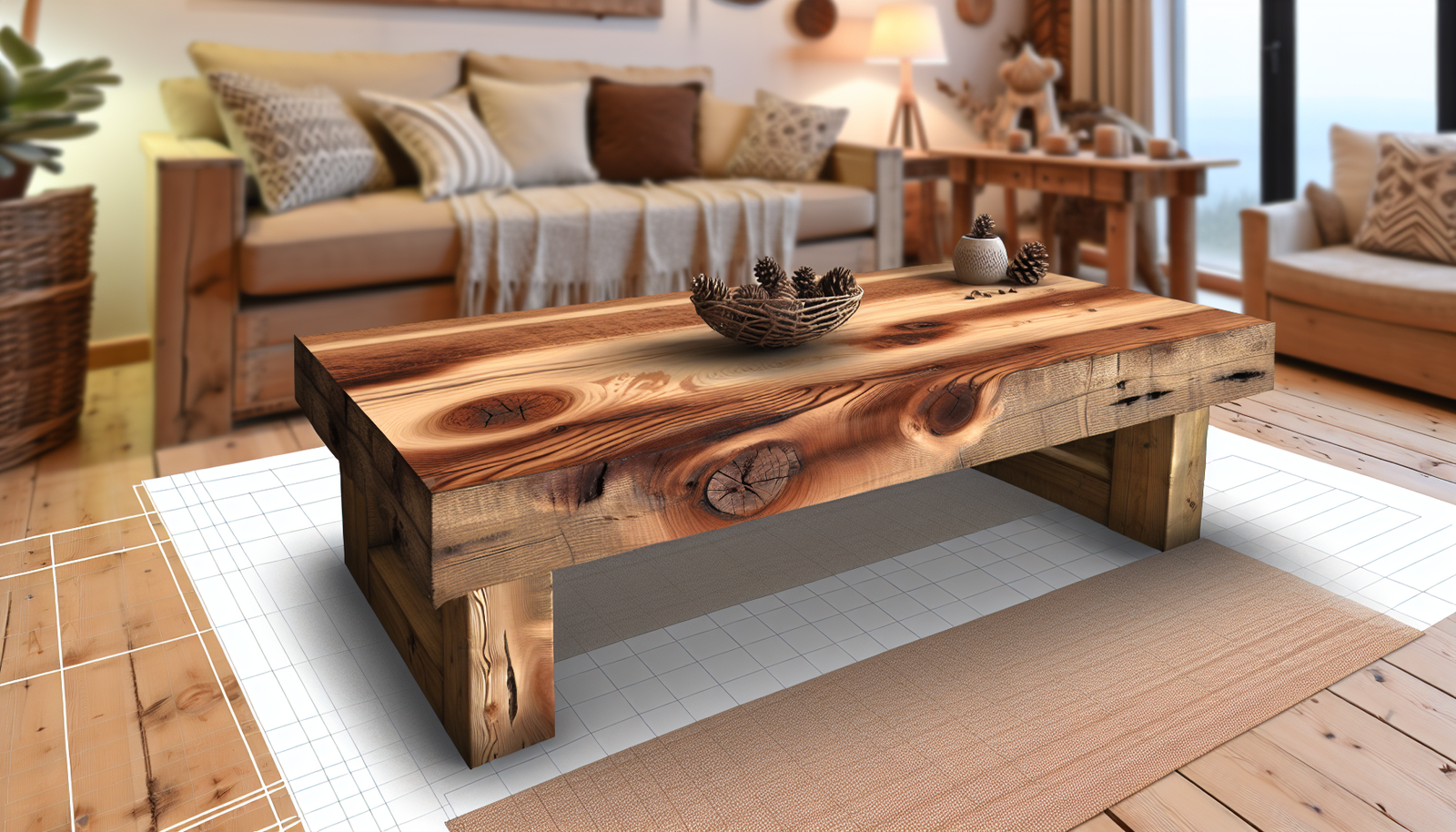
Rustic design celebrates imperfection. Knots, cracks, and uneven grains aren’t flaws—they’re character marks that tell a story. Whether you’re building or refinishing a Rustic Coffee Table, embracing these details ensures every piece feels authentic and one-of-a-kind. The worn patina of reclaimed wood, visible saw marks, and raw metal accents all contribute to its organic appeal.
Common materials for a Rustic Coffee Table include reclaimed timber like oak or pine, paired with blackened metal brackets or wrought-iron legs. Each material adds a layer of depth, texture, and history—transforming a simple furniture piece into a conversation starter.
Choosing the Right Materials
Choosing materials carefully determines not only the durability but also the aesthetic of your Rustic Coffee Table. Oak, with its strong grain and natural golden tone, provides structure and resilience. Pine, softer and lighter in color, offers a weathered farmhouse look. Walnut brings sophistication through its rich hues and fine texture.
For an eco-conscious approach, reclaimed wood gives your Rustic Coffee Table a sustainable edge. Salvaged boards from barns, pallets, or old flooring carry unique marks from their previous life. These imperfections enhance the rustic charm, creating an authentic, lived-in appearance.
To highlight craftsmanship, mix materials — perhaps a solid wood top with metal or cast-iron legs. The contrast between natural and industrial finishes is a hallmark of modern rustic design.
Essential Tools and Techniques
Bringing your Rustic Coffee Table to life requires a few essential woodworking tools. A circular or miter saw ensures accurate cuts, while chisels and drills help create clean joints and stable connections. Use sandpaper in multiple grits to smooth rough edges without erasing natural texture.
Joinery methods such as dowels, pocket screws, or mortise-and-tenon joints are key for a sturdy structure. Sanding and staining should emphasize, not hide, the wood’s natural grain. When finishing your Rustic Coffee Table, consider using natural oils or matte sealants for a soft sheen that enhances its handcrafted appeal.
Designing Your Rustic Coffee Table
The design of your Rustic Coffee Table should reflect both your home’s personality and practical needs. Start by considering dimensions—typically 16 to 18 inches in height and two-thirds the length of your sofa. A thick, solid wood top with chunky legs suits a farmhouse interior, while slimmer metal legs give it a modern rustic edge.
For unique flair, try a live-edge tabletop that preserves the natural contour of the tree. You can also incorporate a lower shelf or storage drawers to make your Rustic Coffee Table both functional and decorative. Adding distressed finishes or mixing wood tones can further personalize your design.
Finishing Touches and Maintenance
Once built, the finishing process will make your Rustic Coffee Table truly shine. Use stains to deepen the color and highlight the grain — from warm honey tones to cool greys for a weathered effect. Protect your piece with a coat of polyurethane or natural oil like tung or Danish oil, depending on your desired sheen.
For maintenance, dust regularly and avoid harsh cleaners. Every few months, reapply wax or oil to keep your Rustic Coffee Table looking rich and vibrant. Minor scratches can be sanded lightly and resealed to maintain its charm for years.
Conclusion
Creating a Rustic Coffee Table combines artistry, craftsmanship, and personal expression. From choosing reclaimed materials to applying the final finish, each step celebrates the beauty of imperfection and the authenticity of natural wood. With patience and creativity, you can craft a timeless piece that anchors your living room with warmth, character, and style.