



Table of Contents
Ventless washer dryer combo is changing the way city dwellers and small homeowners approach laundry, promising clean, dry clothes without the need for exterior vents or large utility rooms. But is it a game changer, or just a compromise for tight spaces? Let’s get straight to what works—and what doesn’t—so you can confidently choose the right laundry solution.
Key Takeaways
- Ventless washer dryer combos save space and offer flexible installation, making them ideal for apartments and homes without venting options.
- Unit cost and maintenance are an investment, but energy-efficient models with heat pump technology dramatically lower long-term utility bills.
- Hidden downsides include slower drying cycles, smaller load capacities, and unique upkeep requirements—don’t skip the details.
What Is a Ventless Washer Dryer Combo and Why People Choose It
A ventless washer dryer combo is an all-in-one laundry system that washes and dries clothing in a single drum without needing a dedicated vent or duct to the outside. These units rely on either condensation drying or advanced heat pump technology instead of venting hot, moist air outdoors. Their appeal is clear for urban apartments, homes without traditional laundry rooms, and anyone trying to maximize usable living space.
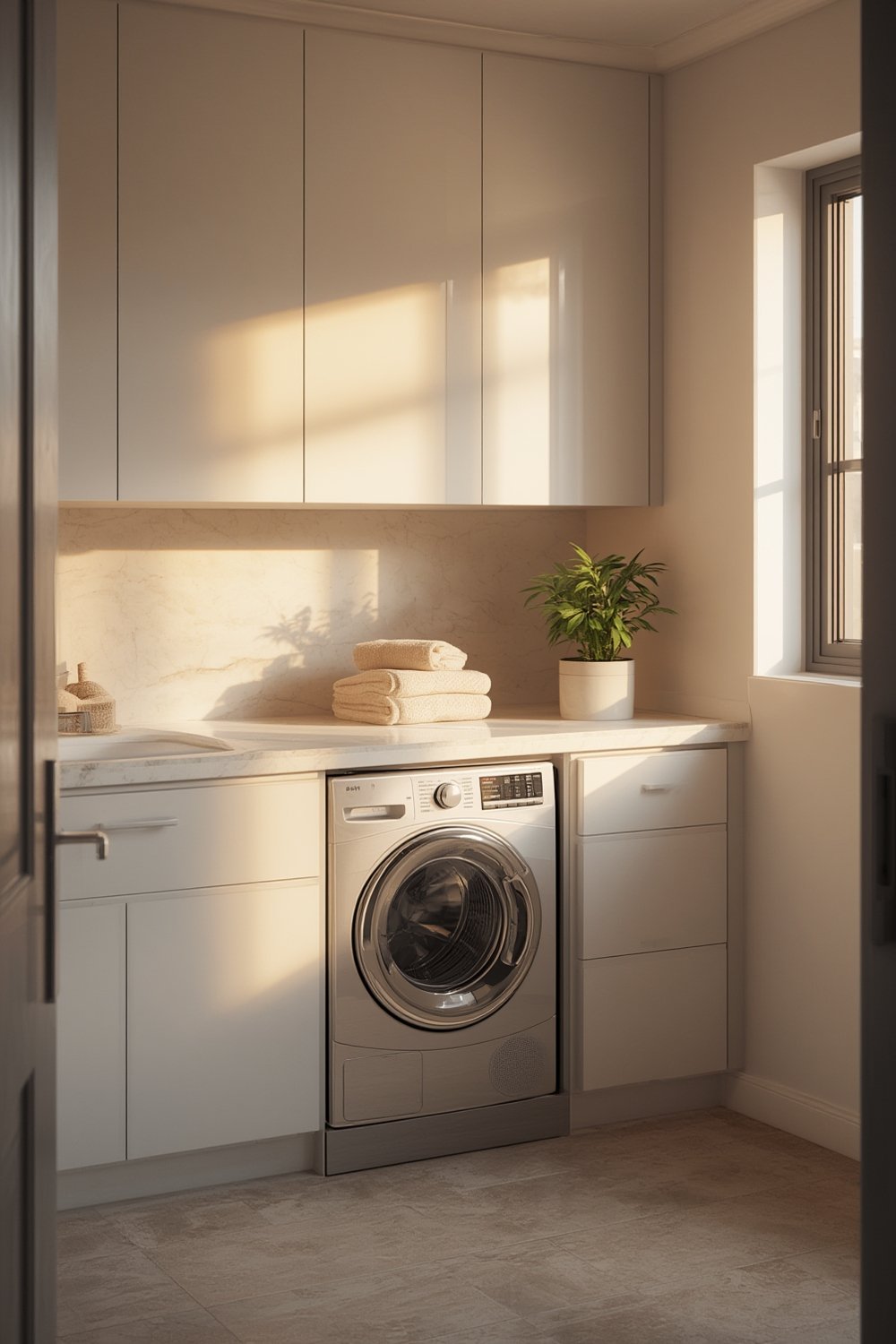
Between 2024 and 2033, the global washer dryer combo market is projected to jump from $17.8 billion to over $30 billion, driven heavily by increasing adoption of ventless models in urban and small-space settings [source]. In dense cities and apartments, running an exterior vent is expensive or outright impossible. Ventless washer dryer combos step in as an energy-efficient, easy-to-install solution.
There are two core types:
- Condenser Ventless Combos: Use air condensation to draw moisture from clothes, then drain water away—slower and less efficient, but much better than traditional vented models for homes without ducts.
- Heat Pump Ventless Combos: Recirculate air through a heat exchange system. This can cut energy use by up to 60% compared to vented dryers, reduce clothes wear, and deliver new performance levels [source].
People choose the ventless washer dryer combo because it:
- Eliminates need for vent or duct install—place almost anywhere with a 110-volt outlet and cold water line
- Uses less energy with latest heat pump tech
- Saves floor space compared to separate washer and dryer units
- Makes laundry feasible in kitchens, bathrooms, or closets
Looking for more space-saving and flexible living ideas? Explore how to maximize every inch in your home with clever furniture solutions.
How to Choose and Install a Ventless Washer Dryer Combo (Step-by-Step Guide)
- Assess Your Space Needs.
Measure your available laundry area. Ventless combos are compact, often between 24 and 27 inches wide. Some, like LG WM6998HBA’s 2024 WM6998HBA, offer up to 5.0 cu. ft. of “mega” capacity in a single machine. If you frequently wash large loads, you’ll want the highest capacity possible, but understand these still lag behind full-size stackables. - Check Power and Water Requirements.
Unlike traditional dryers that require a 220-volt plug and vent, ventless washer dryer combos plug into a standard 110-volt outlet and only need a hot or cold water line and a drain. That’s it—making them ideal for apartments and older homes minus ductwork. - Choose Heat Pump vs. Condenser Technology.
Heat pump units cost more but excel at energy savings and gentle drying. Condenser types are less expensive, but use more electricity and take longer to dry loads. LG WM6998HBA, for instance, completes a wash-dry cycle in under two hours using inverter heat pump tech. - Plan for Placement and Ventilation (Despite Being Ventless).
You don’t need an exterior vent, but these units still need a water drain, steady airflow around them, and shouldn’t be jammed into a truly airtight closet. Always leave a few inches behind and above the unit for ventilation and maintenance. - Installation: DIY or Pro?
Most homeowners or renters can connect these units themselves: plug in, hook up the hose, and connect to drain. For maximum safety—and if your building requires it—hire a professional plumber or handy person for setup. - Anticipate Maintenance.
Ventless combos collect more lint around the condenser or heat pump, and some have internal self-cleaning cycles. Run cleaning cycles monthly with certified maintenance tablets, and let the machine cool before filter maintenance. If you have pets, more frequent cleaning might be required. For more ways to keep small home appliances pristine, see the pet essentials guide for small homes.

To further streamline your laundry area, consider integrating hidden storage from these storage solutions or opt for compact furniture paired with your new appliance for the ultimate modern setup.
Don’t overlook maintenance: regular use of specialty cleaner tablets keeps performance strong and minimizes musty odors—crucial in apartments, RVs, or small laundry closets.
Advanced Analysis & Common Pitfalls of Ventless Washer Dryer Combos
The ventless washer dryer combo certainly solves some problems, but is far from flawless. Here’s what market research and real-world user feedback reveal:
- Drying Takes Longer: Even heat pump models generally take significantly longer—sometimes double the time—compared to traditional vented dryers. A full wash and dry can often take up to 3 hours, though advanced units like the LG WM6998HBA now clock in under 2 hours [source].
- Limited Load Size: “Mega” capacity is a relative term. Most ventless washer dryer combos still top out at 5 cu. ft., best for smaller households. Trying to wash and dry bedding or an overloaded drum will yield poor results and potentially damage the unit.
- Specialized Maintenance: You’ll need to routinely clean condensation trays, lint filters, and sometimes even the interior of the condenser or heat pump. Sales surges of maintenance tablets like Affresh indicate owners face recurring upkeep [source].
- Install Rules Vary by Building: U.S. apartment regulations rarely address ventless combo units directly. Before you buy, always verify with building managers that water, noise, and electrical use are allowed for in your lease or HOA guidelines.
- Cost and Long-Term Savings: High upfront price—usually $2,000 or more for a top-tier ventless washer dryer combo—offsets lower annual energy costs (especially for heat pump designs). Utility bills will decrease compared to standard dryers, but only after years of consistent use.
- No US-Specific Rebates: While European countries encourage ventless adoption with rebates, no evidence suggests similar incentives in the U.S. for 2024. Still, look for ENERGY STAR rating for confidence in efficiency.
| Type | Energy Use | Drying Time | Load Size | Maintenance | Best For |
|---|---|---|---|---|---|
| Vented Traditional | High | Fast | Large | Low | Large homes with duct access |
| Condenser Ventless | Medium | Long | Medium | Medium | Apartments, small homes |
| Heat Pump Ventless | Low | Medium | Medium | Medium/High | Urban homes, anyone seeking energy savings |
| All-in-One Ventless Combo | Low/Medium | Longest | Smallest | High | Small homes, apartments, RVs |
For tight urban layouts, hidden kitchenettes, or small bathrooms, the ventless washer dryer combo is often the only realistic way to add laundry. Many readers balancing minimalist living might also enjoy simple, elegant furniture that fits beside a compact appliance. If landscaping is part of your upgrade, check out these powerful backyard transformations.
Conclusion
The ventless washer dryer combo stands out for city living, historical homes, and anyone prioritizing flexibility over speed and capacity. If you want a modern, energy-saving appliance that doesn’t require major home renovation, this is your go-to. Remember, however, you’re trading off some drying speed and load size for installation convenience and energy savings.
Evaluate your building restrictions, be realistic about daily laundry needs, and maintain your machine to keep it running strong for years. Ready to reclaim your square footage? Research your perfect ventless washer dryer combo and don’t forget to pair it with these smart space-saving solutions for a truly efficient home. Thinking of broader upgrades? See our favorite weekend home improvement projects next.
FAQ
Do ventless washer dryer combos actually get clothes dry?
Yes, but drying cycles typically take longer than standard vented dryers, especially for heavy fabrics. Newer heat pump models have improved, but patience is required for full loads.
Can I install a ventless washer dryer combo anywhere?
Almost anywhere with access to a 110-volt outlet, water supply, and drain. However, don’t skip confirming apartment or HOA rules around water and noise before moving forward.
How much does it cost to operate a ventless washer dryer combo annually?
Exact figures vary, but heat pump models use up to 60% less electricity than vented units, often saving $40–$80 per year in utility costs for small households.
What about maintenance for ventless washer dryer combos?
Regular cleaning of lint traps, condenser coils, and running cleaning cycles with maintenance tablets is essential. Skipping upkeep leads to odors and reduced performance—especially in small spaces or if you have pets.
Are there rebates for ventless washer dryer combos?
No current 2024 U.S. federal or utility rebates found. However, always check for local incentives and look for the ENERGY STAR label for the best energy savings.