


Table of Contents
Smart Bird Feeder technology is transforming backyards and gardens, letting homeowners watch, identify, and protect birds using AI and connected devices. Unlike simple feeders, these systems offer automated feeding, real-time notifications, and high-resolution images that bring birdwatching into the digital age. If you want to make your outdoor space smarter and support local wildlife, here’s a clear and honest guide on how smart bird feeders actually work, their current market, setup steps, and the realistic challenges you should know before buying.
Key Takeaways
- Smart bird feeders let you watch and identify birds with AI and camera technology, making birdwatching interactive and accessible from anywhere.
- Market trends point to rapid growth, but data on accuracy, privacy, and reliability is still limited, so expect some uncertainty.
- Choosing the right device means balancing features like weatherproofing, app controls, and image quality — but thorough product comparisons are still difficult due to data gaps.
What Is a Smart Bird Feeder and Why Should You Care?
A smart bird feeder is a high-tech upgrade for people who enjoy observing birds and contributing to backyard wildlife. These feeders combine traditional seed containers with built-in cameras, AI species recognition, Wi-Fi or Bluetooth connectivity, and sometimes smart home integration. They automatically photograph or film visiting birds, send alerts to your phone, and often provide data on bird species or activity.
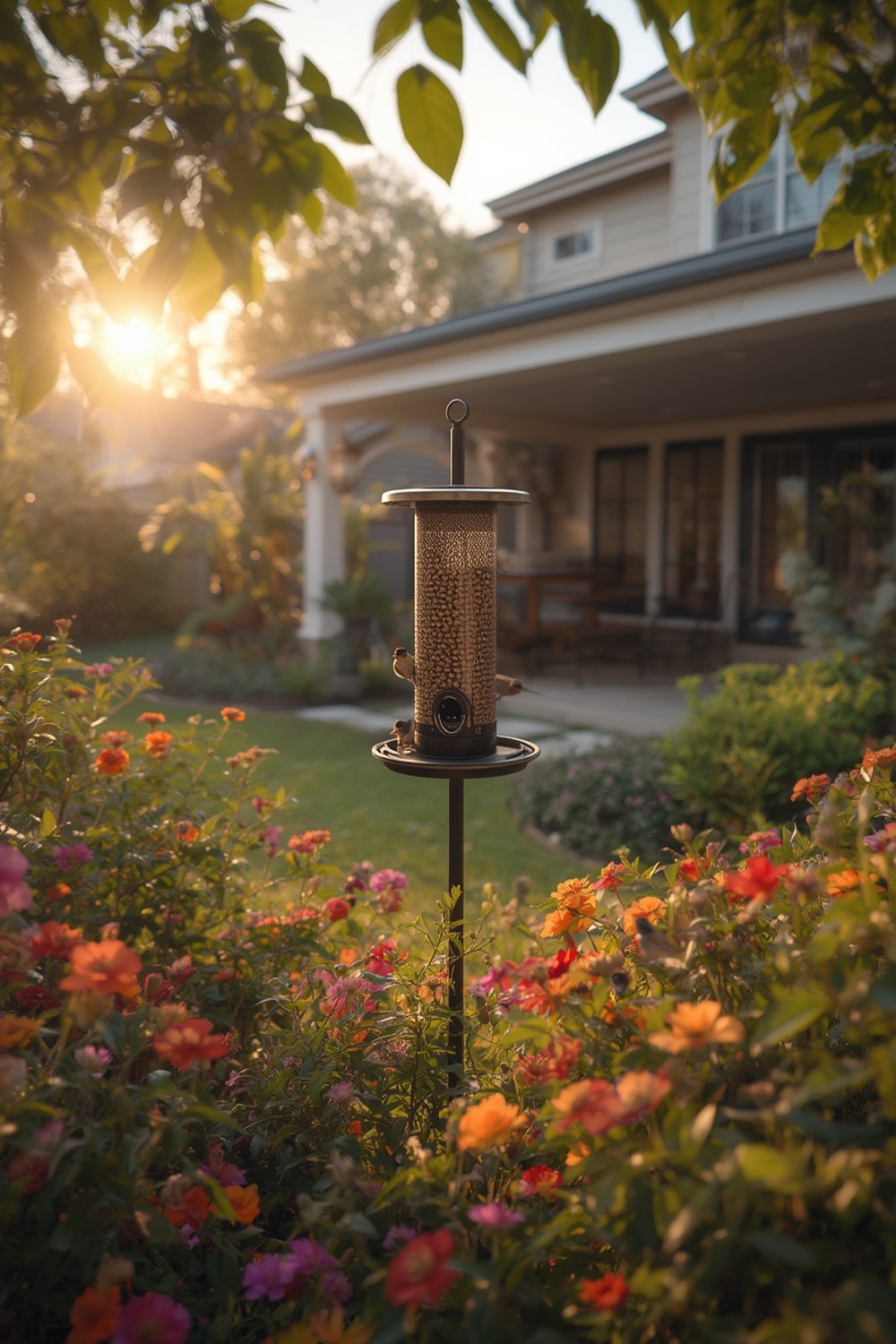
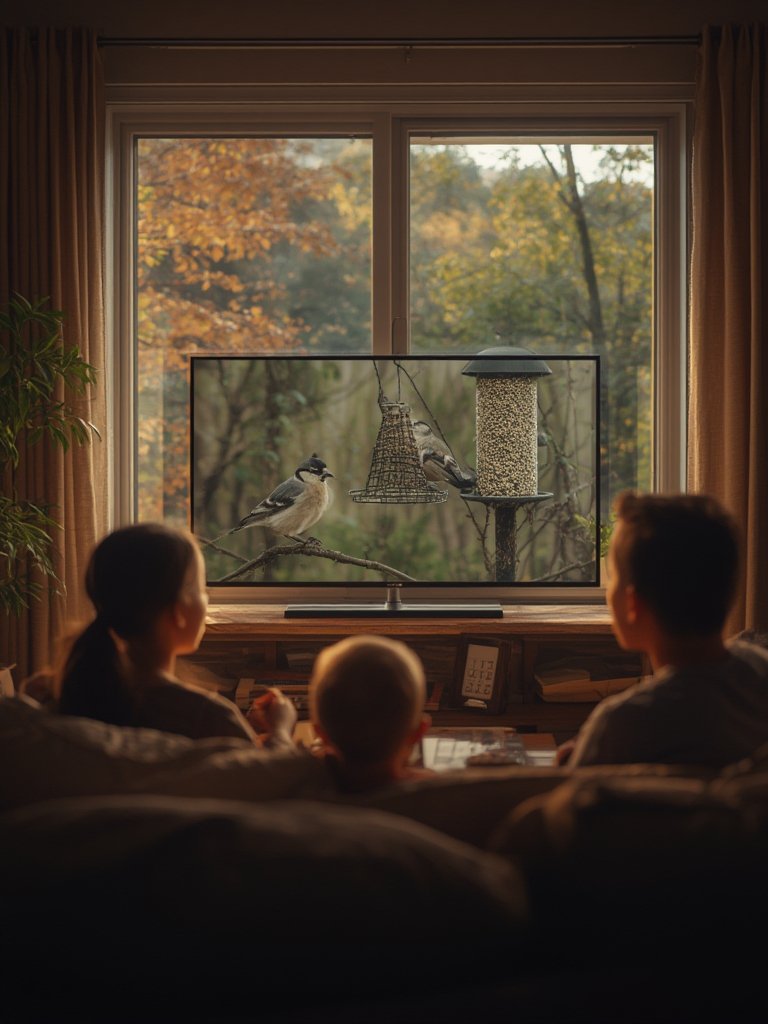
Driven by advances in artificial intelligence and the Internet of Things, smart bird feeders have become one of the most rapidly growing segments in the birding and backyard tech markets. They offer hands-off feeding, instant social sharing, and remote monitoring—making birdwatching accessible even when you’re away from home. The market is set to reach over USD 162 million in 2024, with dedicated camera feeders growing even faster at an estimated USD 231 million this year.
People turn to smart bird feeders not just for convenience — but to join a global community of citizen scientists and bird lovers. Like smart pet feeder technology, these devices are shaping how we care for animals at home.
Key smart bird feeder features typically include:
- AI-powered real-time bird identification
- Automated or scheduled feeding systems
- HD video and image capture
- Remote access and instant notifications
- Social features to share bird sightings
- squirrel repellent and weather resistance
This synergy between tech and nature provides educational benefits for families, contributes to bird conservation, and sparks backyard curiosity no matter your experience level.
How to Install and Use a Smart Bird Feeder (Complete Guide)
Installing and using a smart bird feeder at home is straightforward if you follow a logical process. Below is a proven step-by-step guide so you can maximize your investment and avoid common mistakes.
- Choose Your Smart Bird Feeder Model
- Compare popular brands based on features like camera resolution, weatherproofing, battery life, and app support. With little up-to-date data on all models, check manufacturer websites and user forums for real-world feedback.
- Look for feeders that support automated feeding schedules and have clear privacy and data handling policies.
- Unbox and Assemble
- Most smart bird feeders require attaching the camera or electronics section to the feeder body.
- Charge any built-in batteries fully before outdoor installation. Some feeders use replaceable batteries or are solar-powered, so check what you have.
- Connect to the App and Wi-Fi
- Download the manufacturer’s dedicated app to your phone or tablet. Examples include Bird Buddy, Netvue, or custom in-house apps.
- Follow prompts to pair your device via Bluetooth/Wi-Fi, input your home network credentials, and register for notifications or AI bird ID features.
- Mount the Feeder
- Use included mounting kits for fences, posts, or window suction. Position with a clear, unobstructed camera view and at least 5 feet off the ground to deter larger animals.
- If weatherproofing tips is a concern, look for feeders with certified IP ratings or extra gaskets (for ideas on weatherproof outdoor setup, see our patio furniture care guide).
- Fill with Appropriate Feed
- Fill the hopper with suitable seeds for your region’s birds. Avoid cheap seed blends that attract nuisance species or spoil quickly.
- Configure Preferences in the App
- Set feeding times (if supported), enable live streaming, adjust notification preferences, and link to community or social media features as desired.
- Monitor and Maintain
- Check battery levels or solar charging regularly, clean the seed tray, and wipe camera lenses as needed for best image quality.
- Review the app regularly for firmware updates or new features, which can improve AI accuracy or add compatibility with home automation systems.
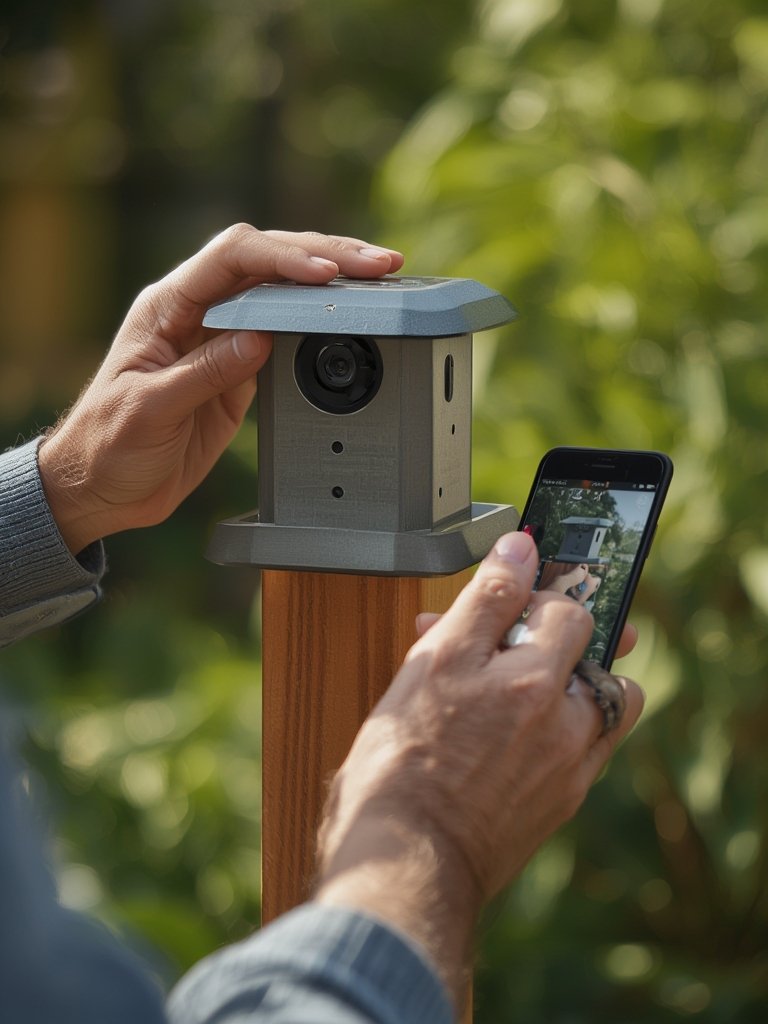
For renters or those with compact yards, a window-mounted model can save space and is ideal for small apartment pet solutions. To boost your outdoor experience, integrate your feeder setup with smart patio lighting or outdoor furniture (see patio decor ideas).
If you want to extend your smart ecosystem indoors, consider pairing with a smart pet feeder for all your animal companions.
Real-World Analysis & Pitfalls: What the Data Really Shows
The smart bird feeder market is growing, but there are several real-world issues to understand before you invest:
- Market Growth and Hype: The industry is valued at up to USD 162 million in 2024 with aggressive expansion rates, especially in Asia-Pacific. High demand boosts innovation but also means product quality varies and some devices may be rushed to market.
- AI Bird Identification Accuracy: Despite heavy marketing, there’s no published data on how accurate or reliable current feeders are at species recognition. The lack of validation or details about the ornithological databases used (see research) means users should expect occasional errors or missed identifications, especially in regions with diverse bird populations.
- Price Transparency: No specific pricing or fee data was available in referenced studies. Many smart feeders require subscriptions for advanced AI or cloud storage, so factor this into your long-term costs.
- App and Privacy Risks: There is no current industry reporting on privacy or data security for app-controlled feeders. Always check privacy policies and consider what personal or location data you share.
- Lack of Direct Product Comparisons: Side-by-side comparison of camera specs, weatherproofing, and battery life between brands is lacking in public research. You may need to cross-reference multiple sources or reach out directly to manufacturers for technical details if these factors are important to you.
Given the lack of standardized industry metrics, buyers should rely on reputable brands, look for firmware update support, and check return/warranty policies before purchase.
| Feature | Smart Bird Feeder (Typical) | Standard Bird Feeder |
|---|---|---|
| Camera & AI | HD or 4K camera, AI species recognition, cloud/app access | None |
| Feeding Controls | Automated/scheduled, remote | Manual only |
| Notifications | Live alerts & bird logs | None |
| Weatherproof/Build | Mixed; some with IP ratings | Varies; often metal/plastic |
| Cost & Subscription | Unclear, often requires subscription | One-time |
| Privacy Concerns | Not well disclosed | None |
If you’re interested in broader backyard upgrades, check out our backyard landscaping ideas for inspiration on integrating your smart feeder into a full outdoor living setup.
Conclusion
Smart bird feeders are pushing backyard birdwatching forward, blending AI recognition, camera feeds, and remote connectivity into a single device. But before you invest, be mindful of real-world gaps in product comparison, data privacy, and cost transparency. With careful research and the right setup, a smart bird feeder can spark curiosity and connection in your yard — and help birds thrive. Ready to bring advanced birdwatching to your space? Explore reputable models, ask pointed questions about privacy, and consider how your new device will fit into your outdoor routine.
For more tips to make your spaces smarter and more nature-friendly, browse our guides on raised garden bed ideas and affordable garden transformations.
FAQ
Do all smart bird feeders require a monthly subscription?
Not all, but many smart bird feeders require a subscription for advanced AI identification or extended cloud video/photo storage. Always check before you buy, and factor this into your expected costs.
Are smart bird feeders weatherproof?
Weather resistance varies. Some feature IP ratings against water and dust, while others have basic outdoor protection. For wet climates, prioritize feeders with sealed electronics and durable housing. Also, review our weatherproofing tips.
How accurate is the AI bird identification?
Unfortunately, no brand publishes verified accuracy rates yet. Early adopters report success with common species, but less so with rare or regional birds. Improvements are coming, but occasional misidentification is possible.
What seeds work best with a smart bird feeder?
Most smart bird feeders accept standard mixes like black oil sunflower, millet, or nyjer. Avoid large grains or wet seed blends, which can clog the hopper or spoil on camera lenses.
Can I use my smart bird feeder without the app?
Most require the app for setup and daily operation. Limited features like manual feeding may work without it, but remote monitoring and AI features will not function.