


Table of Contents
Rattan furniture, known for its durability and aesthetic appeal, requires specific care to maintain its beauty. This article provides an in-depth guide on the best practices for cleaning and preserving your rattan furniture, ensuring it remains a cherished part of your home décor for years to come.
Understanding Rattan as a Material
Rattan Furniture stands out for its unique blend of strength, flexibility, and natural beauty, making it a favorite choice for both indoor and outdoor décor. Rattan, a solid-core vine from climbing palms, combines remarkable durability with lightweight construction—perfect for creating pieces that are easy to move yet built to last.
Unlike synthetic alternatives, Rattan Furniture retains an organic charm that enhances any space with its earthy textures and warm tones. The material’s natural pliability allows craftsmen to bend and shape it into intricate designs without cracking, resulting in graceful curves and elegant silhouettes. Its smooth surface and high tensile strength ensure resilience, allowing Rattan Furniture to endure everyday use and moderate environmental changes when properly maintained.
With regular care—such as gentle dusting, occasional polishing, and protection from excessive moisture—Rattan Furniture can maintain its strength and sheen for years, embodying a timeless combination of craftsmanship and sustainability.
One of rattan’s most remarkable characteristics is its natural resistance to wear and ability to maintain structural integrity. The naturally glossy sheen of the rattan cane gives furniture an appealing luster and highlights the intricate weaving, a trait appreciated by furniture makers and admirers alike. However, this organic composition also makes rattan susceptible to degradation from harsh cleaning chemicals, excessive wetness, prolonged dryness, or neglect. Such factors can cause brittleness, warping, or mold growth if the furniture is not adequately maintained.
In addition to its practical benefits, rattan carries distinct ecological advantages. Rattan palms grow quickly and continually, making them a renewable resource. Their cultivation supports the preservation of tropical forests by providing an alternative income to logging, and they require minimal processing, further reducing the environmental impact compared to plastic or hardwood furnishings.
Understanding these qualities is crucial, as cleaning and caring for rattan furniture is not only about aesthetics. A proper maintenance routine preserves the structural integrity and extends the piece’s lifespan, preventing common problems like splintering, cracking, or fungal infestations. When rattan’s natural features—its flexibility, beauty, and environmental friendliness—are respected during cleaning, owners enjoy enduring, attractive furnishings that remain a highlight in any living space for years to come.
Cleaning rattan furniture requires a delicate, methodical approach to protect both its appearance and structural integrity. Begin with regular dusting, ideally once a week, using a soft, lint-free cloth. Move the cloth gently along the ridges and grooves, following the weave of the rattan to dislodge dust and small debris. For hard-to-reach areas, especially those intricate curves and tight weaves, use a vacuum cleaner equipped with a brush attachment. This tool is incredibly effective for lifting dust without catching or straining the fibers.
Once dust is eliminated, periodic washing is beneficial, particularly if the furniture is exposed to outdoor air or used frequently. Prepare a mild cleaning solution by mixing a few drops of gentle dish detergent in a bowl of lukewarm water. Dip a clean, soft cloth in this solution and wring it out thoroughly, ensuring it is damp rather than soaked. Wipe down the rattan, taking care to avoid over-wetting the surface, which can lead to swelling or warping of the material.
It is critical to steer clear of abrasive cleaners or stiff brushes. These can scar the rattan’s surface or fray its delicate fibers, diminishing its natural sheen and durability.
After washing, pay special attention to the drying process. Moisture left behind can cause serious damage, such as mold or weakening joints. Immediately pat the surface dry with a towel and, if possible, position the furniture in a well-ventilated area, avoiding direct sunlight, which can cause fading. To ensure thorough drying, allow the piece to air dry entirely before use.
By adhering to these basic cleaning techniques and emphasizing gentle handling, your rattan furniture will remain a beautiful, enduring part of your living space.
Handling Stains and Mildew
When rattan furniture shows stubborn stains or mildew spots, it requires a bit more than routine cleaning. Exposure to humidity or spilled substances may cause dark spots or moldy growth, which if not addressed promptly, can deteriorate both appearance and structure. Luckily, there are safe and effective methods you can use to restore your rattan’s natural beauty without causing harm.
For surface stains, begin with a solution of equal parts white vinegar and water. Lightly dampen a soft cloth with the mixture and gently blot the stained area—avoid soaking, as excessive moisture can weaken the rattan. If the stain persists, try a baking soda paste: mix just enough water into baking soda to form a thick paste. Using a soft-bristled toothbrush or a sponge, apply the paste to the stain and rub gently in a circular motion. Always use a gentle touch to prevent fraying or damaging the rattan’s weave.
If you encounter mildew, the vinegar solution is particularly effective, as its natural acidity helps kill fungal spores. Again, apply sparingly and let it sit for a few minutes before dabbing away any residue. Never use bleach or harsh chemicals, as they can dry out and damage the plant fibers.
After spot-cleaning, it is crucial to remove all cleaning agents. Use a clean damp cloth to gently wipe the area, followed by blotting with a dry towel. Let your rattan furniture dry thoroughly in a well-ventilated space out of direct sunlight—this prevents warping and ensures all residual moisture evaporates, safeguarding your furniture from future mildew. Consistent use of gentle, natural cleaners and careful drying will help maintain your rattan’s strength and allure for years to come.
Seasonal Maintenance Tips
During changing seasons, rattan furniture requires more intentional care to prolong its life and short-circuit costly repairs. As climates shift, moisture and temperature changes can threaten your rattan’s structural integrity and beauty, making targeted preventive steps crucial.
In the wet or rainy season, it’s essential to shield rattan from excess moisture, which can cause swelling, warping, or even mold growth. To bolster your furniture’s resistance, apply a very thin layer of clear furniture wax or a specialized rattan protective spray. Use a soft cloth to distribute wax sparingly along each strand’s surface, enhancing natural water repellency without clogging the weave. If using a spray, select one designed specifically for rattan or natural fibers and follow the manufacturer’s guidelines for best results.
During extreme weather—whether heavy rain, snow, or intense sun—prioritize storage and coverage. If movable, store rattan furniture indoors or in a dry, well-ventilated shed. Where space is limited, use breathable, water-resistant covers. Avoid plastic sheeting that can trap humidity against the rattan. Instead, opt for canvas or specially designed furniture covers, ensuring they fit loosely to encourage air flow.
Routine inspection is just as vital. At the change of each season, carefully examine the furniture to catch developing issues early. Check for loose strands, snagged weaving, or emerging cracks. For minor repairs, reweave or glue loose ends using wood glue or a suitable adhesive for natural fibers. Always clamp gently and allow enough drying time for best results. Catching these small imperfections quickly not only preserves the look of your rattan but also maintains its structure, preventing bigger repairs down the line and making it a practical yet stylish choice throughout the year.
Long-term Preservation Strategies
Long-term preservation of rattan furniture relies on a holistic approach that sustains both the material’s natural allure and structural soundness. One of the most effective strategies is protecting your rattan pieces from prolonged exposure to direct sunlight. Ultraviolet rays can bleach the fibers, causing discoloration, and more critically, weaken the strands, leading to cracking and brittleness. Positioning your rattan furniture in shaded areas or away from windows that receive strong sunlight preserves both color and durability. When sunlight is unavoidable, consider sheer curtains or UV-protective window film as a buffer.
Maintaining consistent indoor humidity supports the flexibility of rattan, helping prevent splits and fraying. If your climate is particularly dry, introducing a humidifier can keep the natural fibers supple. Conversely, areas with excessive moisture may benefit from a dehumidifier to avoid mildew and swelling – remember rattan responds to its environment.
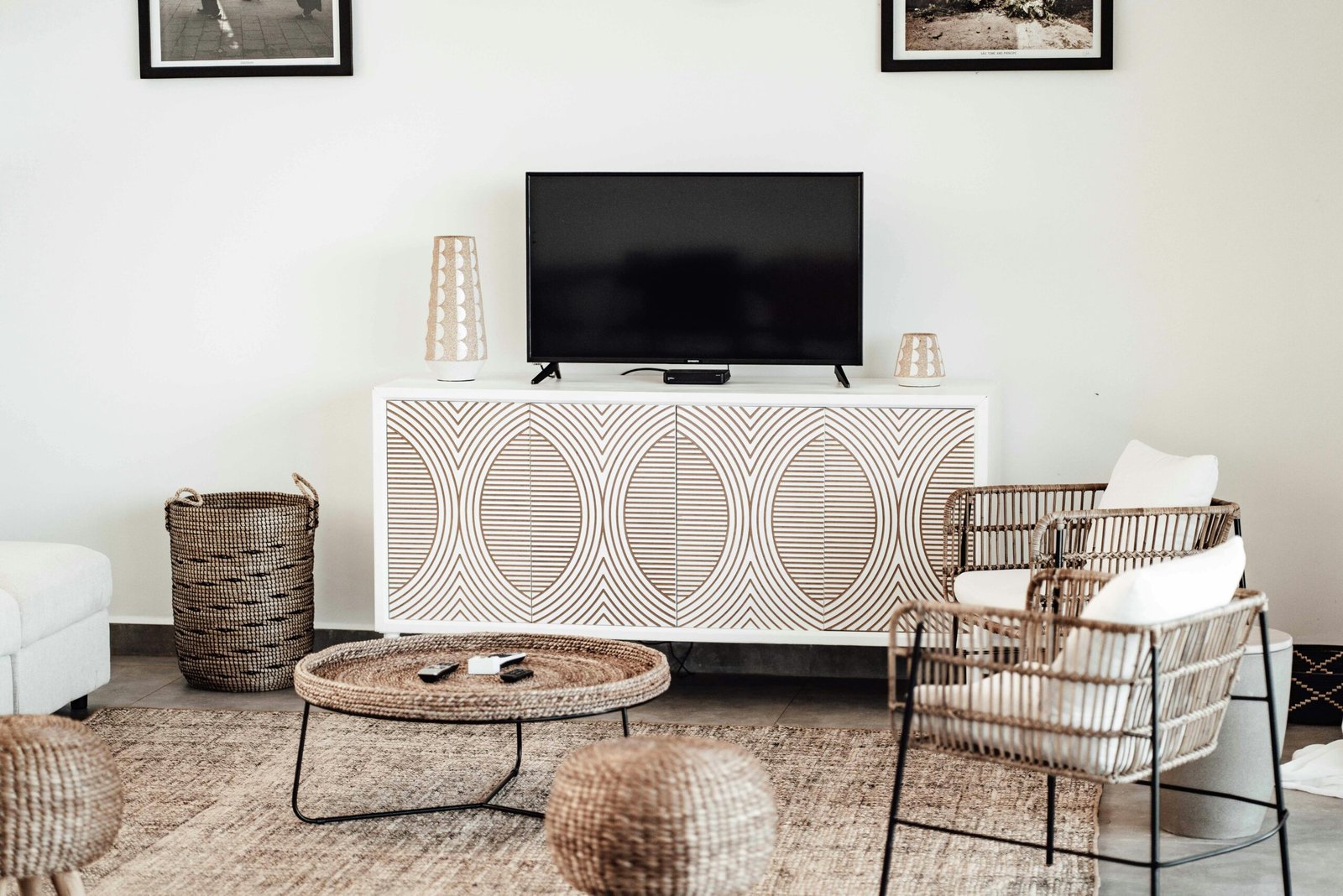
The style versatility of rattan allows it to complement classic, bohemian, and contemporary interiors alike. When integrating rattan into different design schemes, avoid heavy throws or pillows that block air circulation and trap heat, which can degrade the material over time. Instead, opt for lightweight accessories and rotate decorative elements periodically, ensuring all parts of the furniture are exposed to similar conditions.
When rearranging your space, lift rattan items rather than dragging to prevent stress on joints and connections. attach felt pads under legs to minimize scratches on both furniture and floors, which extends the life of both.
Ultimately, aesthetic appeal and functionality should work hand-in-hand. By thoughtfully situating rattan, controlling the surrounding environment, and integrating compatible decor, you guarantee lasting elegance for your cherished pieces, supporting their longevity while effortlessly adapting to evolving interior trends.
Conclusions
Proper cleaning and maintenance are essential for preserving the natural beauty and longevity of rattan furniture. By following these guidelines, you can prevent premature wear and keep your furniture looking its best. Regular care not only enhances the appearance of your rattan pieces but also extends their lifespan, making them a worthwhile investment for any home.