


Table of Contents
Raised Garden Bed Ideas: Creative Ways to Transform Your Backyard
Raised garden bed ideas are one of the most effective ways to upgrade your backyard garden—both visually and functionally. Whether you’re dealing with poor soil, limited space, drainage issues, or simply want a more organized growing area, raised beds offer flexibility, efficiency, and long-term benefits.
From compact urban gardens to spacious suburban yards, raised beds allow gardeners to control soil quality, reduce weeds, and improve accessibility. Beyond practicality, they also serve as design features that elevate the overall look of your outdoor space.
In this complete guide, you’ll explore creative raised garden bed ideas, layout inspiration, materials, construction tips, planting strategies, and maintenance advice to help you build a productive and visually appealing garden that lasts for years.
What Are Raised Garden Bed Ideas & Why They Matter
Raised garden bed ideas refer to the design, structure, and layout approaches used to elevate planting areas above ground level. Instead of planting directly into native soil, gardeners create contained beds filled with high-quality soil tailored to specific crops.
These beds matter because they solve many common gardening challenges. Poor drainage, compacted soil, weeds, and accessibility issues are significantly reduced when plants grow in raised structures.
More importantly, raised garden beds offer a versatile canvas for creativity. They allow you to experiment with shapes, heights, materials, and layouts that complement your backyard design while maximizing productivity.
Benefits of Raised Garden Bed Ideas
Raised garden beds offer both practical and aesthetic advantages:
Improved Soil Quality and Drainage
You control soil composition, ensuring optimal nutrients and drainage.
Reduced Weeds and Pests
Defined borders limit weed spread and make pest management easier.
Easier Access and Ergonomics
Raised height reduces strain on your back and knees.
Higher Yields in Smaller Spaces
Better soil and spacing often result in healthier plants and improved harvests.
Extended Growing Season
Soil warms faster in spring and stays workable longer in fall.
Enhanced Backyard Appearance
Clean lines and structure create a polished, intentional garden design.
Raised Garden Bed Ideas for Different Backyard Layouts
Classic Rectangular Raised Beds
Rectangular beds are the most common and versatile option. They’re easy to build, scale well in most yards, and work for nearly any crop.
Best practices:
- Keep width under 4 feet for easy reach
- Length can vary based on space
- Ideal for vegetables and cut flowers
Create Tiered Raised Beds for Visual Impact
If your yard is sloped or compact, create tiered raised beds to maximize planting area and visual appeal. Tiered designs add dimension and allow different plant types to thrive at various heights.
Benefits of tiered beds:
- Better water distribution
- Improved access to plants
- Strong visual focal point
- Ideal for herbs, greens, and ornamentals
Tiered raised beds work especially well along fences, retaining walls, or as garden borders.
Curved and Circular Raised Garden Beds
Breaking away from straight lines adds softness and creativity to garden layouts. Curved or circular raised beds are perfect for:
- Central focal points
- Pollinator gardens
- Children’s gardens
- Seating-integrated designs
These shapes encourage movement through the garden and enhance overall flow.
Vertical and Space-Saving Raised Garden Bed Ideas
Vertical gardening is ideal for small yards, patios, and urban gardens. Raised beds can incorporate height using stacked planters, wall-mounted beds, or fencing.
Popular vertical solutions:
- Tall planters for leafy greens
- Beds with built-in trellises for climbing crops like beans, cucumbers, and peas
- Ladder-style raised beds
Vertical raised beds maximize yield while minimizing footprint.
Raised Garden Beds With Built-In Features
Raised Beds With Integrated Seating
Wide edges or attached benches provide comfortable seating while gardening. These designs are perfect for:
- Older gardeners
- Relaxation zones
- Social garden layouts
They add both function and charm to backyard spaces.
Raised Beds With Storage or Borders
Some raised garden bed ideas include:
- Built-in tool storage
- Decorative borders
- Pathway integration using gravel or stone
These features improve organization and reduce clutter.
Choosing the Best Materials for Raised Garden Beds
Wood Raised Garden Beds
Wood is the most popular material due to its natural look and ease of construction.
Best wood options:
- Cedar
- Redwood
- Untreated pine (shorter lifespan)
Always avoid chemically treated lumber unless labeled food-safe.
Metal Raised Garden Beds
Metal beds, especially those made from galvanized steel, are increasingly popular for modern gardens. They are durable, sleek, and long-lasting.
Advantages:
- Resistant to rot and pests
- Minimal maintenance
- Clean, modern aesthetic
- Long lifespan
Considerations:
- Can heat up in hot climates
- Choose beds with rolled or capped edges for safety
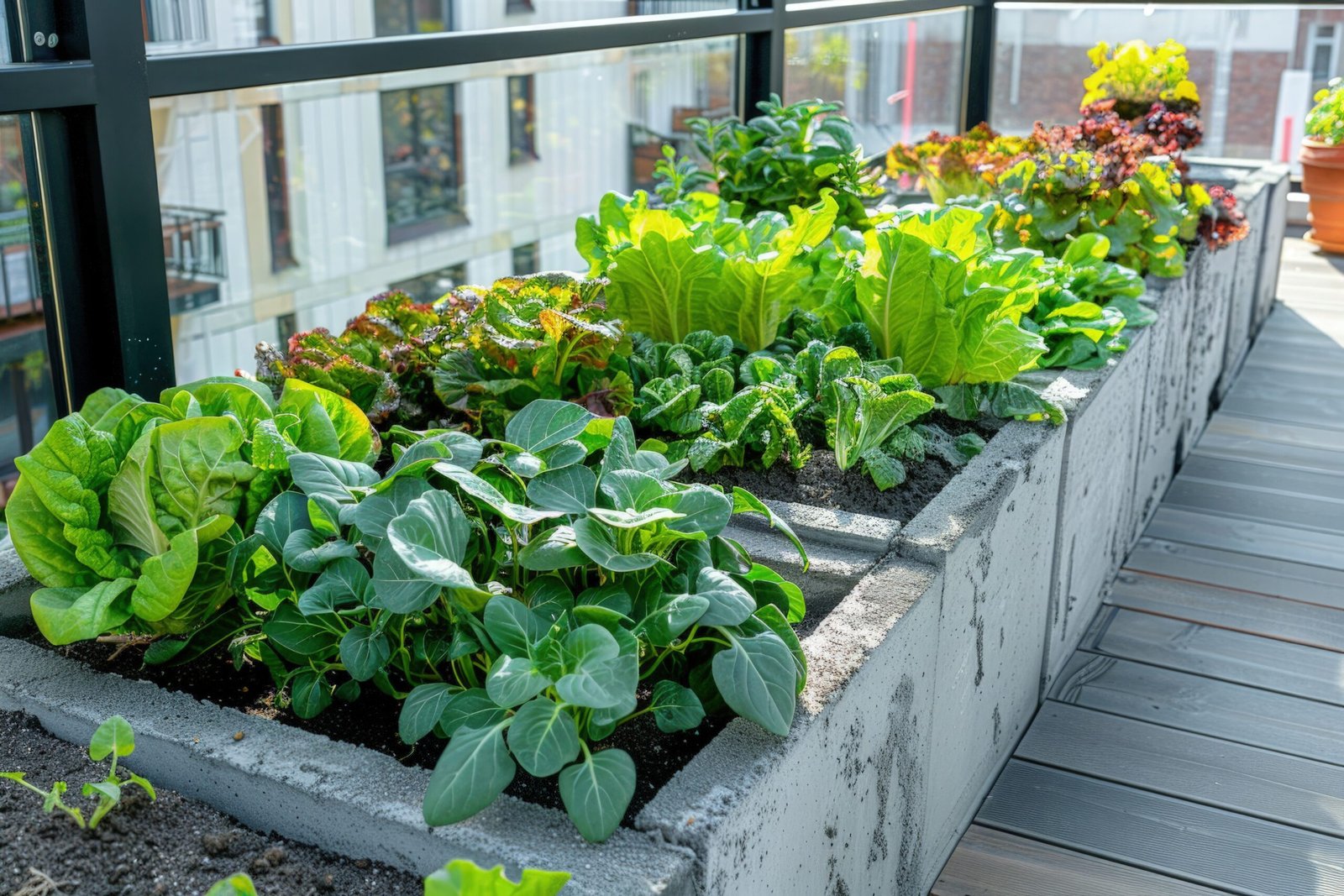
Masonry and Concrete Block Beds
Brick, stone, or concrete block beds offer unmatched durability and structure.
Pros:
- Extremely long-lasting
- Excellent heat retention
- Strong visual presence
Cons:
- More expensive
- Permanent placement
- Heavier construction
Upcycled and DIY Raised Garden Bed Materials
Creative gardeners often repurpose:
- Livestock troughs
- Reclaimed wood
- Old drawers or crates
Always ensure materials are food-safe and free from toxins.
How to Choose the Right Raised Garden Bed Design
When selecting raised garden bed ideas, consider the following factors:
Available Space and Sunlight
Track sun exposure to position beds correctly.
Plant Types and Root Depth
Deep-rooted crops need taller beds.
Accessibility Needs
Higher beds improve comfort and mobility.
Backyard Style
Match bed materials to your overall landscape design.
Budget and Maintenance
Metal beds cost more upfront but require less maintenance over time.
Companion Planting Strategies for Raised Garden Beds
Companion planting boosts yields and reduces pests naturally.
Effective combinations include:
- Tomatoes + basil
- Carrots + lettuce
- Cucumbers + nasturtiums
- Corn + beans + squash (Three Sisters method)
Raised beds make companion planting easier due to controlled spacing.
Soil Preparation for Raised Garden Beds
Healthy soil is the foundation of success.
Ideal soil mix:
- 40% topsoil
- 40% compost
- 20% aeration material (perlite or coarse sand)
Refresh soil each season to maintain fertility and structure.
Watering and Irrigation Tips
Raised beds drain faster than ground soil.
Best watering methods:
- Drip irrigation
- Soaker hoses
- Manual deep watering
Mulch helps retain moisture and regulate soil temperature.
Common Mistakes to Avoid With Raised Garden Beds
- Using non-food-safe materials
- Poor drainage design
- Overcrowding plants
- Ignoring crop rotation
- Skipping annual soil replenishment
Avoiding these mistakes ensures long-term productivity.
Expert Tips for High-Yield Raised Garden Beds
- Add compost every season
- Mulch consistently
- Rotate crops yearly
- Monitor soil moisture
- Prune and trellis climbing plants
These practices significantly improve yield and plant health.
Maintaining Raised Garden Beds Year-Round
Spring
- Refresh soil
- Repair bed structures
- Install supports and trellises
Summer
- Monitor watering
- Mulch heavily
- Harvest regularly
Fall
- Remove spent plants
- Add compost or cover crops
Winter
- Cover beds if needed
- Plan next season’s layout
❓ FAQs About Raised Garden Bed Ideas
What are the best raised garden bed ideas for small yards?
Vertical, tiered, and modular raised beds work best.
How deep should raised garden beds be?
Most vegetables thrive with 12–18 inches of soil depth.
Are raised garden beds better than in-ground gardens?
Yes, especially for drainage, soil control, and accessibility.
What material lasts longest for raised beds?
Galvanized steel, stone, and cedar are top choices.
Do raised beds really increase yield?
Yes—better soil, spacing, and drainage often lead to higher yields.
✅ Conclusion
Creative raised garden bed ideas offer one of the most effective ways to transform your backyard into a productive, organized, and visually appealing garden. With thoughtful design, durable materials, and proper maintenance, raised beds improve soil health, simplify gardening, and elevate your outdoor space.
Whether you’re a beginner or an experienced gardener, raised beds provide flexibility, efficiency, and endless design possibilities—making them a smart investment for any backyard.