


Table of Contents
Quiet kitchen appliances are now a must-have for modern homes—especially in open-concept layouts where meal prep meets family life. The right quiet kitchen appliances can transform how you cook, clean, and entertain. But what actually counts as “quiet” today, and how do you make the smartest buying decision?
Key Takeaways
- Appliances rated at 44 dB or lower set today’s standard for quiet—industry leaders deliver 38-40 dB performance, quieter than a conversation or light rain.
- KitchenAid and GE Profile offer the best quiet-to-cost value, while ultra-silent Miele and Bosch models carry a price premium for small noise improvements.
- Ultra-quiet dishwashers are widely available in the US and Canada, but little data exists for blenders and refrigerators—expect near-silence but always confirm dB ratings before buying.
Understanding Quiet Kitchen Appliances: What Matters and Why
Choosing quiet kitchen appliances isn’t just about comfort—it’s about preserving family conversations, allowing late-night dish runs, and creating a peaceful home environment. In 2024, a dishwasher that operates at or below 44 dB is considered truly quiet, and anything at 40 dB or less is nearly silent in an open-space kitchen. [Yale Appliance] The very best, such as 38 dB dishwashers, are quieter than a library or the sound of light rain.
The reason quiet kitchen appliances matter is the shift in home layouts—open kitchens connected directly to family rooms and workspaces. Noise from older appliances quickly disrupts calls, TV watching, or relaxation. That’s why demand for low-decibel appliances is up, despite the extra cost. Leading models from Miele, Bosch, KitchenAid, and GE Profile have set new standards, but not all “quiet” labels mean the same thing. It pays to read and compare real dB numbers, not just marketing terms.
Step-by-Step Guide to Choosing Quiet Kitchen Appliances
Follow these actionable steps for selecting quiet kitchen appliances that genuinely improve your home life.
- Define Your Noise Threshold
Decide how quiet you need your kitchen to be. For many, running a dishwasher while watching TV nearby is the test—opt for ≤44 dB if that’s your goal, or ≤40 dB for open layouts and sensitive sleepers.
Want other ways to make your home quiet and calm? Consider DIY acoustic wall panels for open-concept spaces as a complementary upgrade. - Research Actual dB Ratings
Search for the published decibel ratings for each model. Trust the specs, not just the brand reputation.
Use trusted retailer websites or manufacturer pages (like the Bosch Quiet Dishwasher lineup) to verify. - Balance Budget with Silence
KitchenAid’s 39 dB dishwashers deliver strong value at $799, while Miele and Bosch Benchmark models hit 38 dB—but often start above $1200. Don’t pay for a 1 dB drop unless you are ultra-sensitive to noise or want extra features.
For best value, focus on KitchenAid, GE Profile, or Bosch 800 Series in the 39–44 dB range.
Learn more about price-performance balance in appliances at our review of modern kitchen trash cans, where silence and efficiency also matter. - Don’t Neglect Overall Kitchen Sound
If you have a blender or refrigerator frequently in use, ask for manufacturer dB numbers—few publish them, but independent review sites may reveal test data.
Check out our discussion of minimizing appliance noise in modern small kitchen design. - Confirm Local Availability
Shop with trusted retailers (Designer Appliances, Yale Appliance, Coast Appliances) who transparently list dB specs and warranties. In 2024, models from Bosch, GE, and Miele are widely stocked across the US and Canada.
For more on appliance shopping and home upgrades, see easy home improvement projects and energy-efficient kitchen appliances. - Compare Features Beyond Quiet
Check for energy use, cleaning performance, drying capability, and warranty—some “quiet” models underperform in wash/dry cycles to save noise.
Summary: Shop smart by focusing on real dB ratings, balancing cost with what you really care about, and buying from reputable dealers who stake their name on transparency.
Advanced Analysis and Common Pitfalls
The push for silent kitchens is real, but not every “quiet” appliance will fit your needs or budget. Here’s what the latest research and user feedback reveal about real-life challenges, price traps, and common confusion.
| Brand/Model | Noise Level (dB) | Average Price (USD) | Key Features | Value Summary |
|---|---|---|---|---|
| Miele G7566SCViSF | 38 | $1,499+ | Best ultra-quiet, Energy Star, 12 cycles | Top-tier silence, but price high for small noise gains |
| Bosch Benchmark Series | 38–39 | $1,300–$1,600 | Industry leader, advanced drying options | Quietest, worth it for total silence lovers |
| KitchenAid KDTE204KPS | 39 | $799 | Strong cleaning, best value, 3rd rack, fingerprint resistant | Best price-to-quiet threshold—user favorite |
| GE Profile PDT785SYNFS | 39 | $999–$1,199 | Reliable motor/grinder, good package deals | Value leader; minor noise trade-off vs Bosch/Miele |
| Bosch 800 Series | 40–44 | $900–$1,200 | Premium drying, strong warranty, flexible racks | Balances silence, features, and price |
- Pitfall 1: Paying for Pointless Silence
If you’re shopping only for the lowest listed dB, you might pay several hundred dollars more for a 1–2 dB gain you can’t actually hear in real life. In most homes, a 39 dB versus 41 dB appliance makes virtually no difference, so assess your actual sensitivity and space needs. - Pitfall 2: Overlooking Cleaning & Drying Performance
Some ultra-quiet models drop spray-arm power or drying temp to stay under target dB ratings, sacrificing wash results. Always cross-check independent reviews for real-world performance data, not just silence. - Pitfall 3: Ignoring Blenders and Fridges
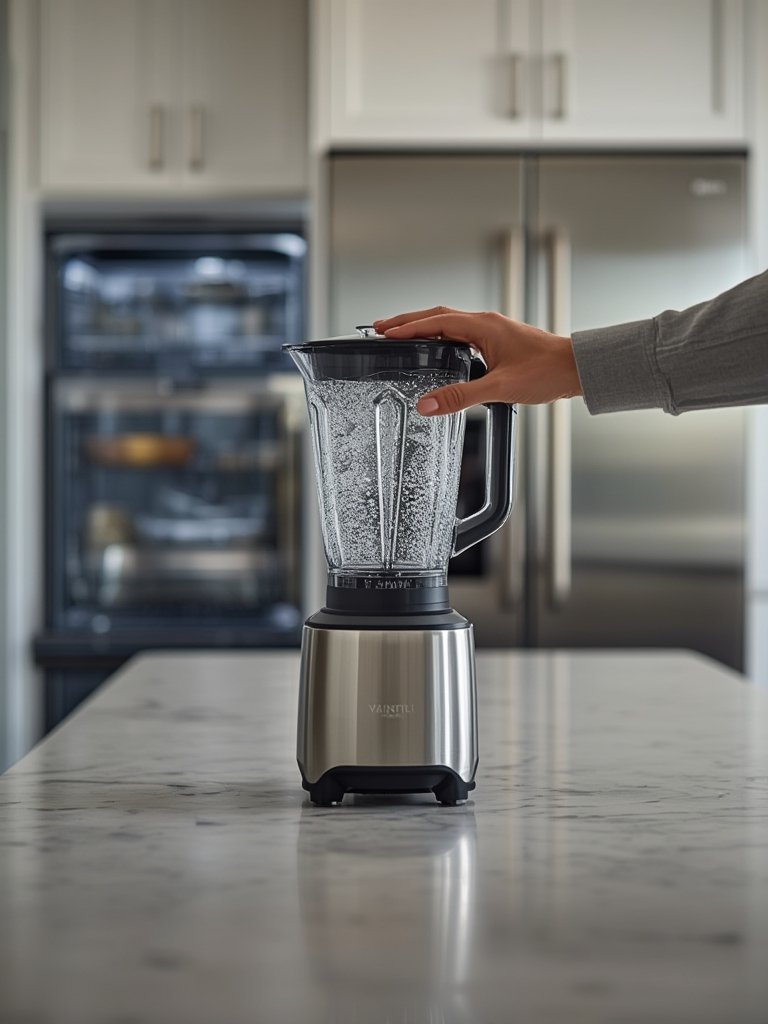
Blender and fridge noise data is sparse. Brands rarely market decibel ratings for these appliances, but independent tests (like QuietMark) confirm big differences. For busy family kitchens, seek models with noise-reduction claims, or ask for in-store demos. silent blenders and refrigerators. [Quietest Refrigerators 2024]. - Pitfall 4: Believing the “Silent” Hype
Even the quietest appliances make soft motor or water noises. Some users report checking their dishwashers mid-cycle because they thought the machine was off—an improvement over noise, but potential for user confusion. [Bosch User Reviews] - Pitfall 5: Availability Inconsistencies
Most ultra-quiet models are in good supply across major North American retailers, but certain GE models report occasional part backorders. Check local dealer reviews and stock status before purchase.
If you’re planning a full kitchen upgrade, you might also explore trending styles like fluted kitchen cabinets or invisible fridge designs to complement peace and quiet in your space.

Conclusion: Make Quiet the New Normal in Your Kitchen
Today’s best quiet kitchen appliances give you a calm, modern kitchen with no trade-off in performance. For most, a dishwasher rated at 39–44 dB will be plenty quiet, especially if you want to avoid big premiums for ultra-silence. Always compare actual numbers, look for user-tested cleaning results, and buy from dealers with strong service records. Start with one quiet upgrade and notice the lifestyle shift—before you know it, quiet kitchen appliances could become your new baseline for home comfort.
Ready to ditch appliance noise for good? Shop carefully, check the real dB ratings, and transform mealtime into peaceful time. For more smart upgrades, bookmark our guides on space-saving furniture and affordable home transformations—your next home improvement may be quieter than you think.
Frequently Asked Questions
What is considered a “quiet” dishwasher in 2024?
Any dishwasher rated at 44 dB or lower is considered quiet today. The quietest models (38–40 dB) are nearly silent in most kitchens.
Is it worth paying more for a silent kitchen appliance?
If your kitchen is open-concept or noise-sensitive, yes. Otherwise, the extra cost for 1–2 dB of noise reduction may not be noticeable to most families.
Where can I buy ultra-quiet kitchen appliances?
Major retailers like Designer Appliances, Yale Appliance, and Coast Appliances in the US and Canada stock a wide range. Always check current availability and read customer service reviews.
Are there truly silent blenders and refrigerators?
Few brands publish decibel data for these categories. Some blenders and refrigerators are designed to be quieter, but independent reviews and in-store demos give the best real-world insights.
Do quiet appliances consume more energy or clean less effectively?
Some ultra-quiet models may reduce wash or drying strength to cut noise. Always research energy use and cleaning performance alongside dB ratings to avoid disappointment.