



Table of Contents
Natural pet supplements have exploded in popularity, but most pet owners still have big questions: Do they work, what should you look for, and what pitfalls might you face? This guide cuts through hype and outdated advice to give you direct, research-backed answers about natural pet supplements—from ingredients and real market data to industry challenges, pricing, and what isn’t being talked about elsewhere.
Key Takeaways
- Clinical evidence for natural pet supplements is mixed; undenatured type II collagen shows promise, but classic ingredients like glucosamine and chondroitin have limited support.
- Quality, regulation, and ingredient sourcing are top concerns that most competitor articles ignore—know how to evaluate products realistically.
- The global pet supplements market is fast-growing, but higher-priced products aren’t always more effective or validated by science.
The Core Concept: Natural Pet Supplements Explained
Natural pet supplements include herbal, mineral, and other plant-based ingredients designed to support your pet’s health. For dogs, the main categories are joint health (using ingredients like glucosamine, chondroitin, turmeric, and undenatured type II collagen) and digestive health (with pet probiotics and similar blends).

Why choose these supplements? Many owners seek alternatives to synthetic medications for chronic conditions like arthritis, mild digestive issues, or age-related decline. Others look for proactive support—especially for large breeds or as pets age.
However, evidence for their benefits is mixed. A recent review found that while undenatured type II collagen may help with joint issues, traditional choices like glucosamine and chondroitin showed limited real-world effectiveness
(source). pet probiotics and immune-support blends are marketed for overall wellness, but modern clinical studies (2022-2024) rarely confirm these claims
(source).
Success depends on consistent product quality, avoiding underdosed or contaminated brands, and matching the supplement to your pet’s needs. Inconsistent regulation, especially in the US, means it’s up to you to cross-check ingredients, reviews, and certifications.
Step-by-Step Guide: Choosing and Using Natural Pet Supplements
Here’s a practical, step-by-step approach to getting the most out of natural pet supplements—without falling for empty marketing or poor-quality products.
- Identify a Clear Health Goal
Focus on what you want to achieve (e.g., improved mobility, less joint pain, better stool quality, healthier coat). - Check for Key Ingredients and Dosages
For joint health, look for undenatured type II collagen, turmeric, or Boswellia—ingredients with the most recent signs of benefit (source). Avoid products where key ingredients are “proprietary blends” with unknown dosages. - Investigate Quality Controls
Look for third-party certifications, batch testing, or veterinary-recommended brands. Research if the supplement is manufactured in routinely inspected facilities. - Review Labeling and Claims Carefully
Supplements must avoid making “drug-like” claims and should include sourcing details. If the manufacturer is vague about origin or dosing, that’s a red flag. - Start Low, Monitor Results for 4-8 Weeks
Introduce the supplement gradually. Track changes in your pet’s mobility, stool consistency, mood, or coat. If you see improvement, continue. If not, stop and consult your vet. - Stay Informed
Supplement science changes fast. Stick to brands that adapt formulas based on new evidence. For example, avoid sticking with outdated formulas built solely around glucosamine/chondroitin.
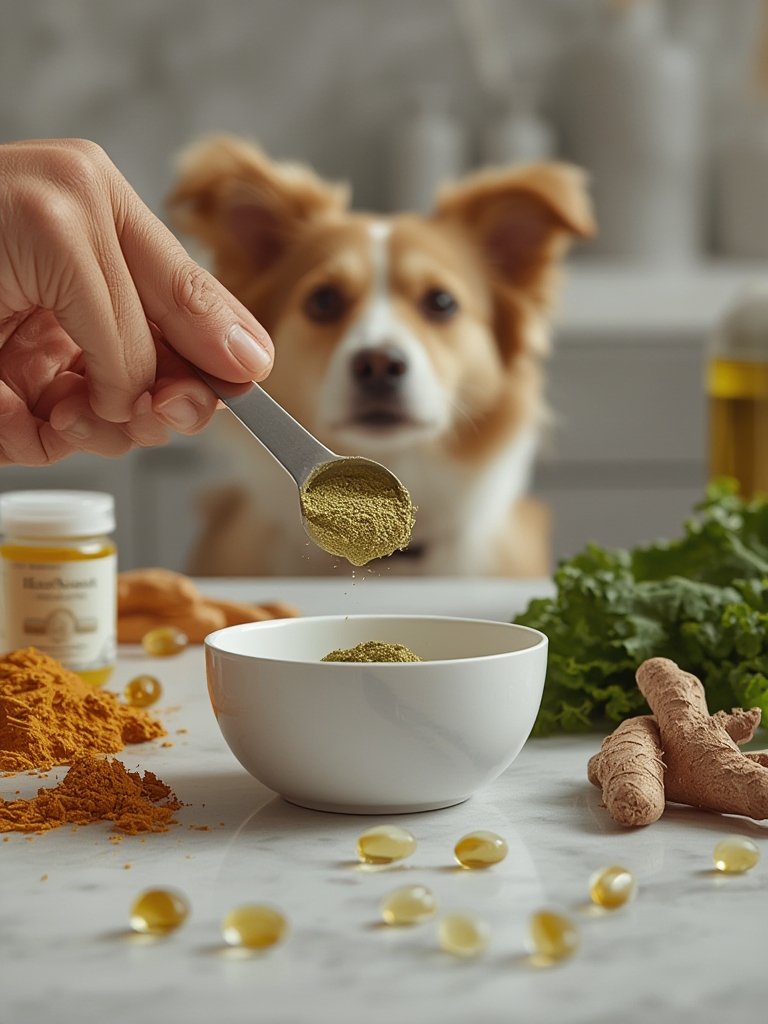
These steps form a solid foundation for natural pet supplement use. When evaluating brands, demand clarity on ingredient sources and dosages. Don’t be afraid to ask brands about their testing procedures. Reading labels and independent reviews can clue you in to any hidden additives or unnecessary fillers.
For those living in smaller homes, sometimes less is more—not just in square footage but also in pet routines and diet. Discover more pet essentials for small homes to support your pet’s comfort alongside their supplements. Pairing the right environment, like compact and calming spaces, with smart supplementation can improve overall pet wellbeing.
Don’t forget simple factors like plenty of water, exercise, and mental stimulation. Natural pet supplements are not replacements for a healthy lifestyle—they’re just one piece of the puzzle.
Advanced Analysis & Common Pitfalls
While natural pet supplements are increasingly popular, real data reveals several pitfalls and issues most guides skip. Here’s a deeper look into challenges you might face.
- Limited and Mixed Evidence
There are few high-quality, recent clinical studies proving effectiveness—especially for traditional joint supplements. The evidence for undenatured type II collagen is stronger, while probiotics for pets are mostly untested with rigorous research (source). - Quality Control is Notoriously Inconsistent
Supplement regulation in the US remains weak. Small or newer brands may cut corners on dosing, ingredient purity, or transparency. Demand details on batch testing and certifications. - Pricing Doesn’t Guarantee Results
No evidence supports that higher-priced natural pet supplements deliver better effectiveness or safety (source). Research shows no link between cost and clinical backing for pet supplements. - Watch for Regulatory and Labeling Gaps
The natural pet supplements market faces strict but sometimes unclear rules on labeling and health claims (source). Brands may skirt the line and make misleading statements—always check claims are backed by evidence. - Product Claims May Be Misleading
Regulations require supplement brands to avoid direct treatment or cure claims; still, many products hint or exaggerate. Cross-check ingredient lists with independent resources, and seek out reviews that report real, not just promised, results. - Top Research Gaps Competitors Ignore
- Long-term side effects and bioavailability of herbal ingredients
- Quality control and ingredient sourcing differences between brands
- Lack of strong, up-to-date clinical evidence, especially for smaller brands
| Ingredient | Claimed Benefit | Recent Clinical Support | Notable Risks/Concerns |
|---|---|---|---|
| Glucosamine/Chondroitin | Joint lubrication, reduced pain | Limited support (2022–2024) | Unlikely to outperform placebo in new studies |
| Undenatured Type II Collagen | Improved mobility, cartilage support | Promising results (2022–2024) | Generally safe; more studies needed |
| Pet Probiotics | Digestive and stool support | No new studies (2022–2024) | Effect varies by strain; labeling often unclear |
| Turmeric/Curcumin | Anti-inflammatory, antioxidant | Some evidence in diabetes, but not joint health | May cause GI upset in high doses |
With the natural pet supplements market projected to reach $4.07 billion globally by 2033 (source), expect more options—and more marketing claims. But owners should make each decision based on real indicators of quality, as well as specific needs of their pets. For those managing small spaces or looking for all-around wellness, pairing supplements with the right pet essentials for small homes, or even improved freeze-dried dog food, can maximize results.

Conclusion
Natural pet supplements are a fast-growing field, closing in on $4 billion globally. But while the right blend of ingredients—especially undenatured type II collagen, turmeric, and select probiotics—may help some pets, not every product is worthwhile. Shop smart by reading labels, consulting your vet, and demanding transparency. Remember: quality, not price or hype, will determine results.
If you want to support your pet’s comfort and long-term wellness, natural pet supplements can be part of your strategy, but not the entire answer. Start informed and keep questioning—your pet will thank you. Ready to try? Begin by discussing specific concerns with your veterinarian and always monitor for measurable changes.
Continue exploring smart pet choices—see our guide to the best small apartment makeover ideas (perfect for pet owners), or check out smart pet feeder options to pair with a supplement routine.
FAQ
What are natural pet supplements, and are they regulated?
Natural pet supplements are non-pharmaceutical products (herbal, vitamin, or mineral-based) meant to support health. Regulation is limited in the US, so quality and content can vary widely. Look for products with clear ingredient lists and third-party testing.
Do natural dog joint supplements really work?
Results are mixed. Recent research (2022–2024) shows traditional ingredients like glucosamine and chondroitin offer limited benefit, but undenatured type II collagen shows more promise. Effectiveness varies by dog, condition, and product quality.
Are pet probiotics safe?
Most pet probiotics are considered safe, but few clinical studies prove specific benefits. Strain selection and dosing matter. Always check with a veterinarian before use and watch for signs of digestive upset.
How long does it take to see results from a natural pet supplement?
It typically takes 4–8 weeks to observe noticeable changes in mobility, stool, skin, or mood. If there’s no improvement after this period, reevaluate or consult your vet.
Do more expensive supplements work better?
Not necessarily. There’s no direct link between price and clinical effectiveness. Focus on ingredient quality, transparency, and independent reviews instead of cost alone.