


Table of Contents
Mushroom grow tent home setups are rapidly changing the way people cultivate gourmet mushrooms indoors, offering convenience, yield, and year-round enjoyment without a garden or messy outdoor beds. As interest in the mushroom grow tent home approach increases, more beginners are exploring indoor mushroom farming for food quality, sustainability, and self-sufficiency.
But does bringing a mushroom grow tent home system into your living space live up to the hype—or does it create more problems than solutions?
Key Takeaways
Mushroom grow tent home systems are gaining popularity, with the global indoor mushroom market seeing strong growth driven by beginners and hobbyists.
Getting the best results from a mushroom grow tent home setup requires strict control of humidity, temperature, and contamination, especially for gourmet varieties like oyster mushrooms.
Long-term success depends on mastering sterilization, environmental automation, and making sustainable choices with your mushroom grow tent home environment.
Mushroom Grow Tent Home: The Core Concept
At its simplest, a mushroom grow tent home system is a compact, enclosed environment designed for optimal mushroom cultivation indoors. The tent shields the crop from typical household contaminants and gives you tighter control over growing conditions such as temperature, humidity, airflow, and light.
With the right mushroom grow tent home setup, even beginners can harvest gourmet mushrooms like oyster, shiitake, or lion’s mane in apartments, basements, or spare rooms—no backyard required.
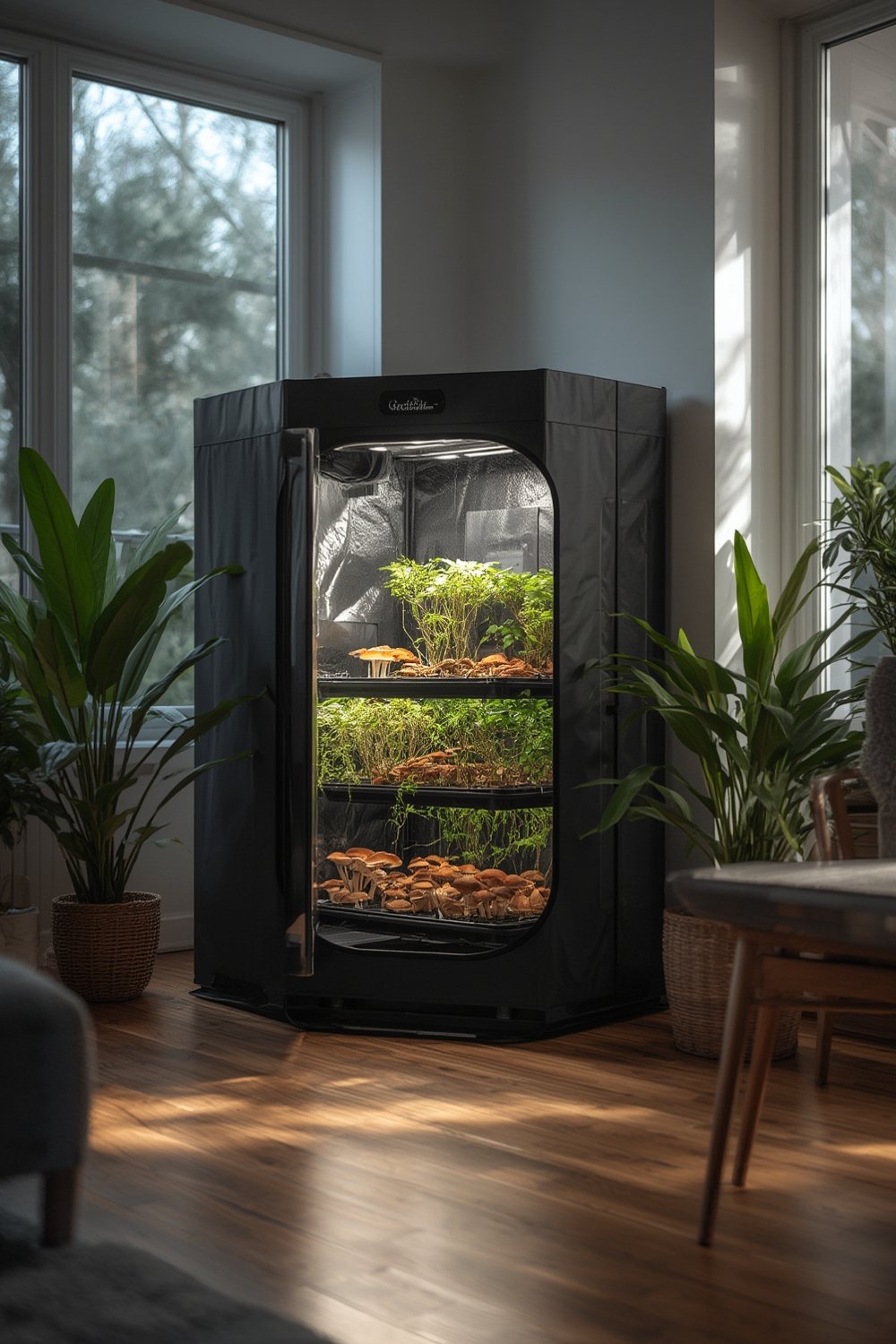
Why are more people adopting a mushroom grow tent home model now? The global mushroom cultivation market was valued at $20.86 billion in 2024 and is projected to reach $32.75 billion by 2030. Controlled-environment agriculture—including DIY and ready-made mushroom grow tent home kits—is expanding rapidly as consumers pursue sustainable food sources and indoor growing solutions.[source],[source].
If you’ve considered adding fresh mushrooms to your meals or starting a small indoor food project, a mushroom grow tent home setup offers a productive and educational path—if you pay close attention to detail and daily care.
How to Set Up a Mushroom Grow Tent at Home (Step-by-Step)
- Choose Your Tent and Kit
- Pick a tent size that fits your available space (common: 2’x2’x4′ or 4’x4’x6′).
- Decide between a DIY build (more flexible, but laborious) or a complete kit (faster start, higher cost).
- Look for all-in-one kits with HEPA filtration, integrated racks, and waterproof floors for easiest cleanup.
- Select a Mushroom Species
- Oyster mushrooms are most beginner-friendly due to fast growth and forgiving conditions.
- Shiitake and lion’s mane require tighter control of humidity and temperature.
- Source high-quality spawn or ready-to-fruit kits for best results.
- Prepare Your Substrate
- Most gourmet mushrooms prefer pasteurized straw or sterilized sawdust.
- Use a pressure cooker or steam sterilizer to minimize contamination risks.
- Bagged, sterilized commercial substrates are safest (but costlier).
- Create the Right Environment
- Humidity: 85-95% during fruiting. Use an ultrasonic or cool-mist humidifier with a digital hygrometer.
- Temperature: 55-75°F, depending on variety. Portable heaters or AC units help fine-tune this range.
- Light: 12 hours of indirect or LED light encourages robust fruiting (avoid direct sunlight).
- Air Exchange: Inline duct fans, passive vents, or filtered intake/exhaust keep fresh air moving and CO₂ low.
- Inoculate and Set Up the Tent
- Mix mushroom spawn into the substrate following kit or species-specific ratios.
- Place bags or trays on racks with plenty of airflow around each unit.
- Monitor for mold, pests, or off-odors daily; adjust environment quickly if problems appear.
- Maintain and Harvest
- Wipe down tent walls and equipment weekly using food-safe disinfectant.
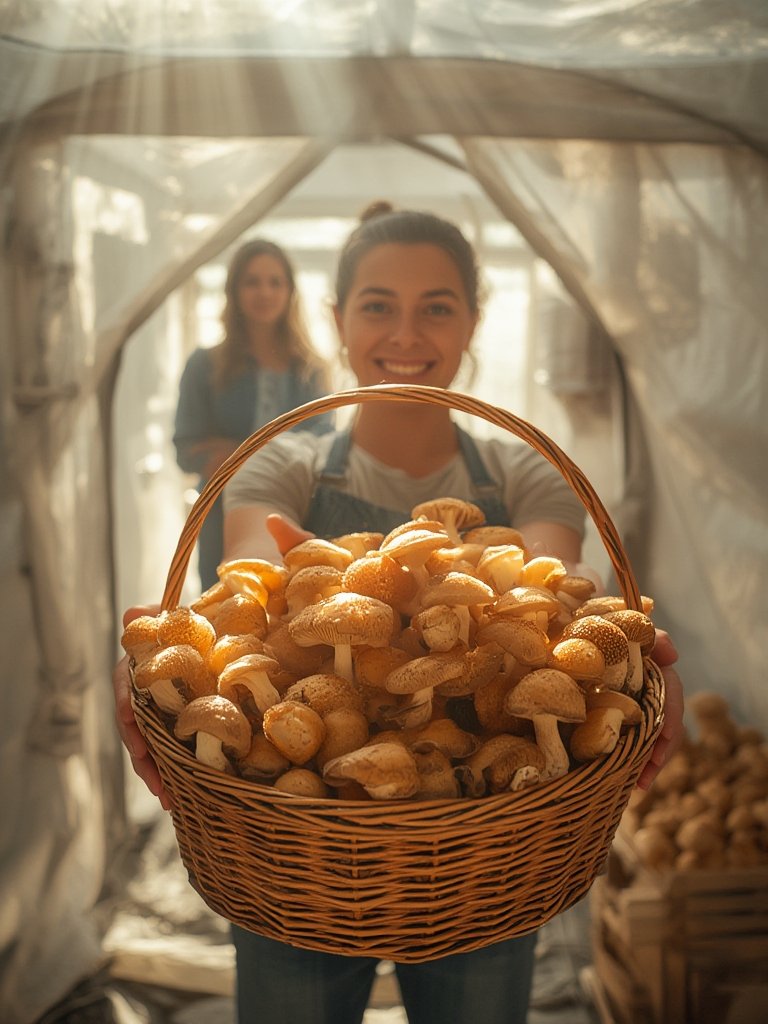
- Harvest mushrooms just as caps unfurl and edges curl upward—too late and they drop spores, making a mess.
- Between cycles, deep-clean the tent and sterilize all tools to prevent lingering contamination.
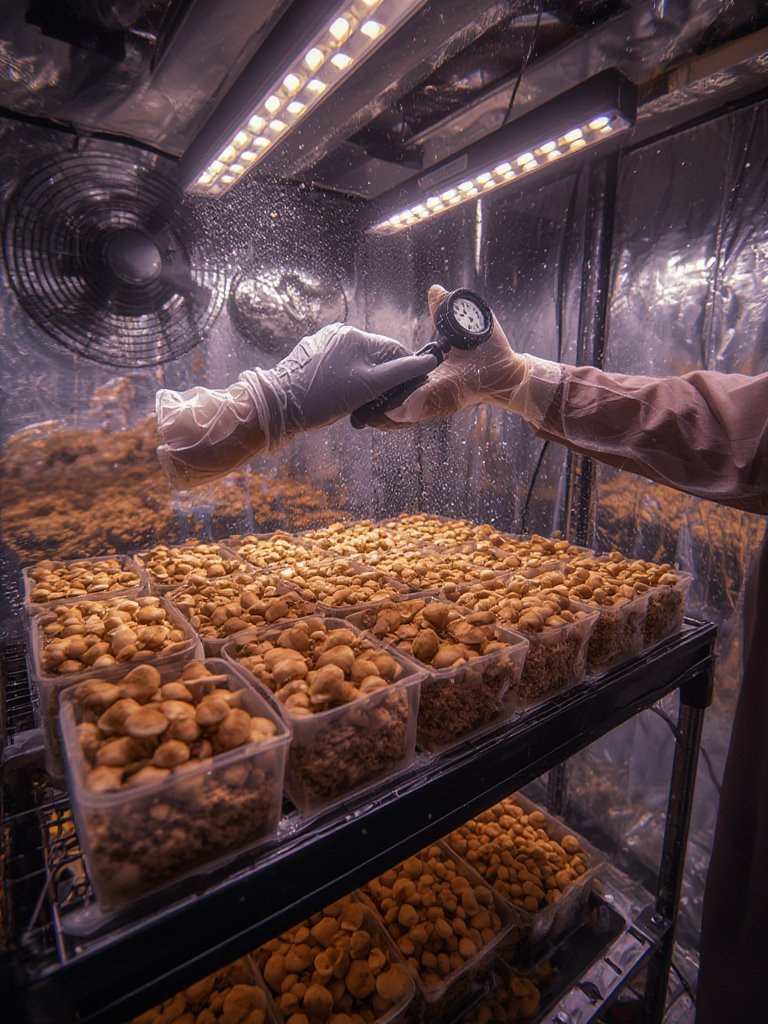
Want your tent to last and your mushrooms to thrive? Focus on ongoing improvements, cleaning routines, and reviewing your results after each cycle. For additional ideas on optimizing small living spaces and home growing, check out our creative raised garden bed ideas or discover affordable garden upgrades that maximize limited room.
Advanced Analysis & Common Pitfalls
Even skilled gardeners find that mushroom grow tents at home present unique challenges, particularly for gourmet varieties like oyster mushrooms:
- Contamination Risks: The number one reason for failed mushroom crops is contamination from bacteria, molds, or pests. Substrate that isn’t sterilized completely or poor hygiene during handling is the main culprit. Oysters are notorious for succumbing to green mold and bacteria if conditions slip.
- Humidity & CO₂ Fluctuations: Most edible mushrooms require 85-95% humidity and steady CO₂ below 800 ppm. Inconsistent control leads to slow growth, poor yields, or thin, elongated stems.
- Startup & Operating Costs: While many kits look affordable, most of your long-term cost comes from running climate devices, buying HEPA filters, and restocking substrates. Factor in $20-$50/month for a basic setup—and more if scaling up.
- Labor & Harvest: Harvesting is hands-on—expect daily checks and trimming. For those with limited time or mobility, automation may be worth the extra investment.
- Waste & Sustainability: Many home setups overlook what to do with spent substrate, plastic bags, or energy waste. Resource efficiency and recycling are rarely discussed, but vital for sustainable scale.
| Kit Type | Yield Potential* | Time to First Harvest | Reliability | Main Risk |
|---|---|---|---|---|
| DIY Greenhouse | High (5–10+ kg/month possible) | 3–5 weeks | Moderate (user skill matters) | Contamination from improper sterilization |
| Plug-and-Play Tent Kit | Moderate (2–5 kg/month typical) | 2–4 weeks | High (less room for error) | Recurring costs (filters, substrate, power) |
| Ready-to-Fruit Bag (no tent) | Low (0.5–1 kg/bag) | 1–2 weeks | Very High (turnkey but short-lived) | Limited cycles before needing restock |
*Yield estimates based on button mushroom benchmarks from market research; actual yields depend on kit type and user skill.
Three advanced topics typically ignored by top-ranking guides—but crucial if you want long-term success:
- Long-Term Contamination Control: It’s not enough to sterilize once. Routine substrate sterilization (steam, pressure, or commercial hydrogen peroxide) and regular CO₂/air exchange monitoring can make or break your harvest cycles. Failed crops set you back months.
- Automation Opportunities: Automated misters, sensors, and timers reduce labor gaps and let you control the environment when traveling or working. These are becoming standard in commercial grows and increasingly affordable for home scale.
- Sustainability Improvements: Consider composting spent substrate in raised beds or use it to enrich your small garden. Choose energy-efficient equipment and reuse or recycle tent and bag materials where possible [source].
Looking for more eco-friendly upgrades across your home? See our sustainable home materials guide or maximize every corner of your home with these space-saving ideas.
Conclusion & Next Steps
Setting up a mushroom grow tent home environment is one of the most rewarding ways to grow gourmet mushrooms indoors, but it’s not a “set and forget” project. Pay special attention to ongoing cleanliness, environmental adjustments, and sustainability from the start. With steady improvements, experimentation, and awareness of common pitfalls, you’ll enjoy reliable harvests and fascinating experiences right at home.
Ready to get started with your own mushroom grow tent home setup? Choose your kit, study your preferred mushroom variety, and take the first (careful) steps to growing your own food indoors. Share your progress, and consider exploring other simple weekend upgrades for a smarter, more productive home.
Frequently Asked Questions
How much does a basic mushroom grow tent home setup cost?
Entry-level kits including a small tent, humidifier, fan, and tray system typically range from $150-$300 to start. Expect to budget $20-$50 per month for ongoing substrate, filters, and energy.
What is the easiest mushroom for beginners to grow at home?
Oyster mushrooms are generally the most forgiving for home growers due to rapid growth and lower risk of total crop loss.
What are the biggest risks for crop loss in a home tent system?
Contamination from unsterilized substrate, high humidity without air exchange, and temperature fluctuations are the most common reasons for failed crops, especially with oyster varieties.
Can I reuse my substrate and bags from one harvest to the next?
It’s not recommended for reliable yields. Used substrate is prone to contamination, and plastics may harbor mold or bacteria. Compost old substrate and opt for new bags each cycle for best results.
How can I make my mushroom tent setup more eco-friendly?
Use energy-efficient equipment, compost spent substrate, recycle plastics, and source organic inputs when possible for a more sustainable grow. See our eco-friendly tips for your home.

App123loterias – if you’re into lotteries, this might be the ticket! Easy to use, plus who knows? You could be the next big winner! Get amongst it! app123loterias