


Table of Contents
Meal prep kitchen tools are transforming how busy people save time, eat healthier, and eliminate mealtime stress. Whether you’re a seasoned meal planner or just starting, having the right equipment makes meal prepping practical, safe, and sustainable. This post combines the latest market research with actionable steps to set up your meal prep kitchen right the first time—so you can prep smarter, not harder.
Key Takeaways
- Choosing the right meal prep kitchen tools affects efficiency, storage, and food safety—for both beginners and veterans.
- Focus on container safety (BPA-free, phthalate-free) and select tools that fit your space, dietary needs, and portioning habits.
- Understand common buying mistakes, and learn to maximize efficiency with tips and time-saving kitchen strategies.
The Core Concept: What Are Meal Prep Kitchen Tools & Why Do They Matter?
Meal prep kitchen tools include everything from reusable containers to sharp chef knives, cutting boards, measuring cups, and portion control gadgets. These tools are purpose-built to streamline food prepping, cooking, storage, and transportation. Their importance has grown as meal prep culture goes mainstream, fueled by health consciousness and the demand for convenience. In 2024, the global meal prep container market reached up to $1.4 billion, with reusable containers valued at $90 million, marking rapid adoption across North America and Asia Pacific.
Unlike generic kitchenware, meal prep containers are designed for batch cooking, organized storage, easier portioning, and leak-proof transportation. They’re essential for anyone focusing on reliable routines, calorie tracking, or bringing lunch to work. The market preference leans toward rectangular, stackable containers for efficient fridge and freezer use, and glass containers continue to grow due to health and sustainability concerns. Choosing wisely improves food safety, time savings, and reduces daily decision fatigue.
Step-by-Step Guide: Building Your Ultimate Meal Prep Kitchen Tool Kit
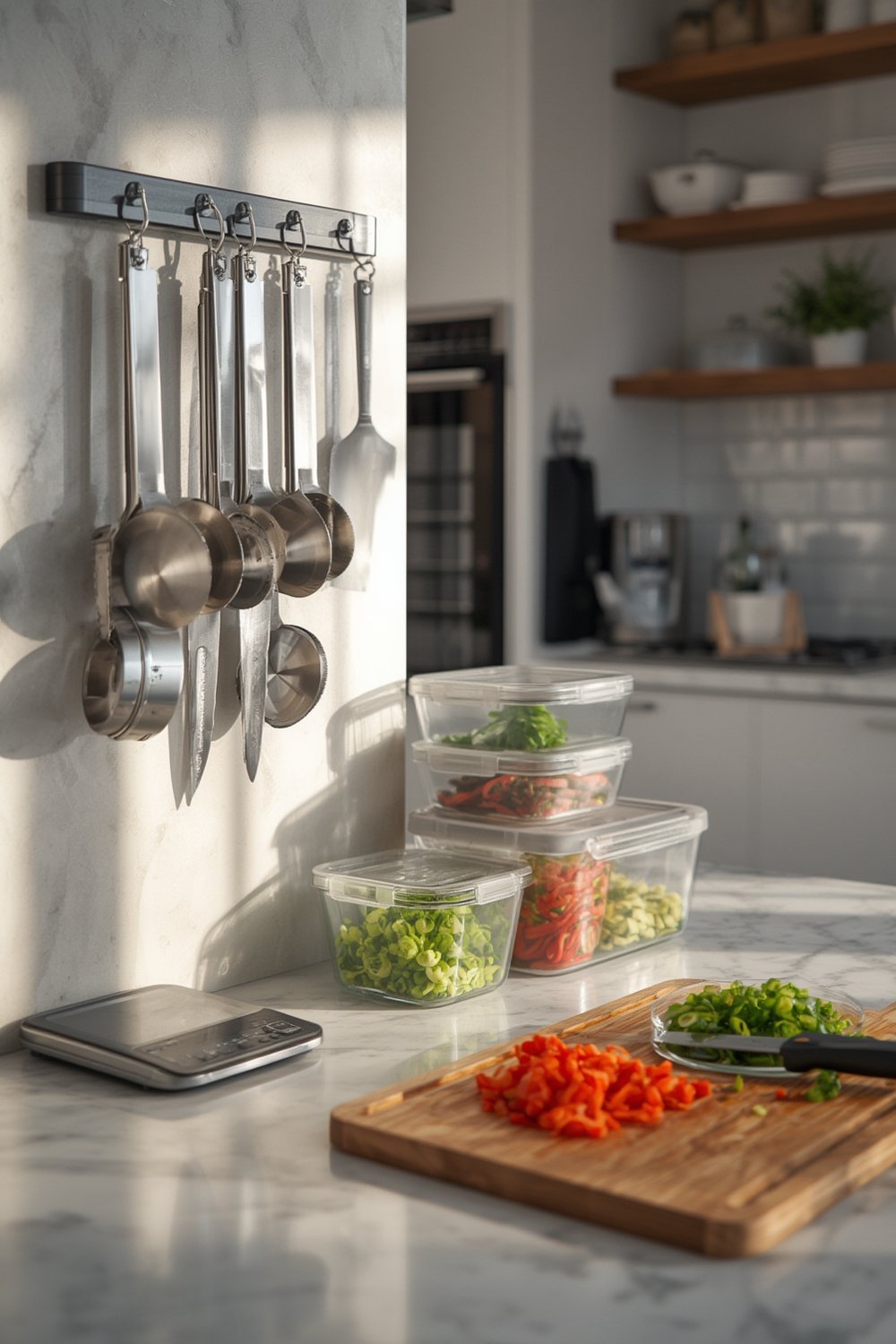
The right meal prep kitchen tools begin with a core toolkit—tailored to your eating habits and household size. Here’s how to assemble a system that saves time, reduces waste, and delivers week-long meal control.
Step 1: Start with Food-Safe Storage Containers
- Select BPA-free plastic, glass, or stainless steel containers. In 2024, glass-based containers accounted for 32.1% of the reusable market because of their durability and non-toxicity.
- Look for leak-proof lids (silicone seals), dishwasher/microwave/freezer compatibility, and portioned compartments for diverse meal planning.
- Use small containers for snacks, sauces, and dressings to prevent soggy ingredients and control calories.
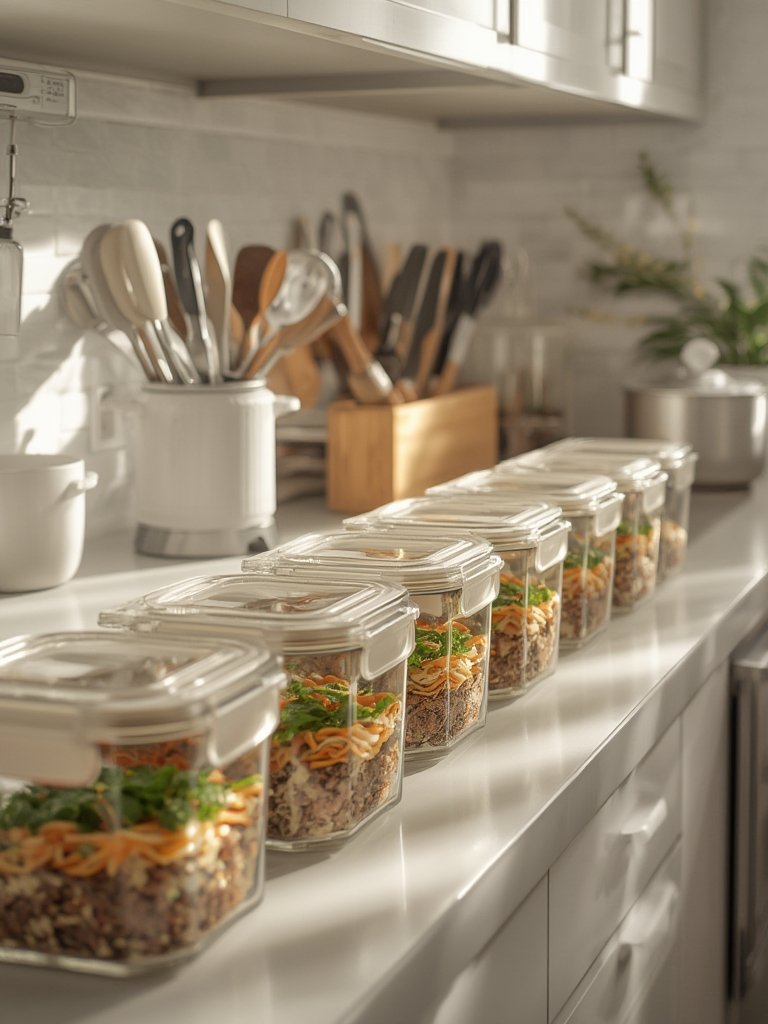
Stackable, rectangular containers dominate due to efficient use of space and seamless fridge stacking. Avoid odd shapes that waste valuable shelf real estate.
Step 2: Add Sharp, Reliable Cutting Tools
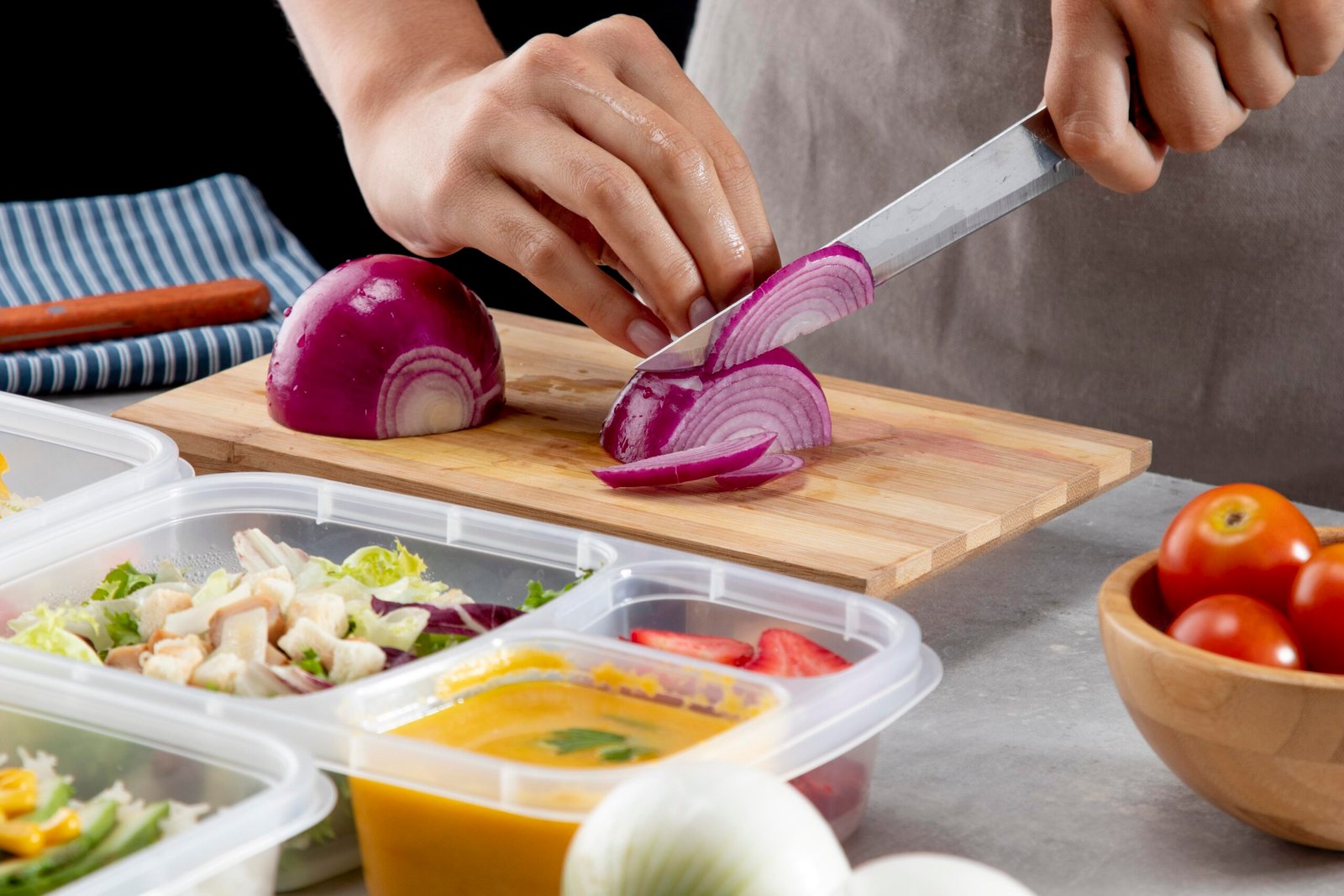
- High-carbon stainless steel knives—chef’s and paring knives—are essentials. Dull, low-quality blades slow you down and increase injury risk.
- Sturdy cutting boards (plastic for meats, bamboo or wood for produce) keep your prep safe and organized. Color-coded boards help prevent cross-contamination.
Step 3: Invest in Portion Control Equipment
- Measuring cups and spoons ensure recipe accuracy and support portion control for nutrition tracking.
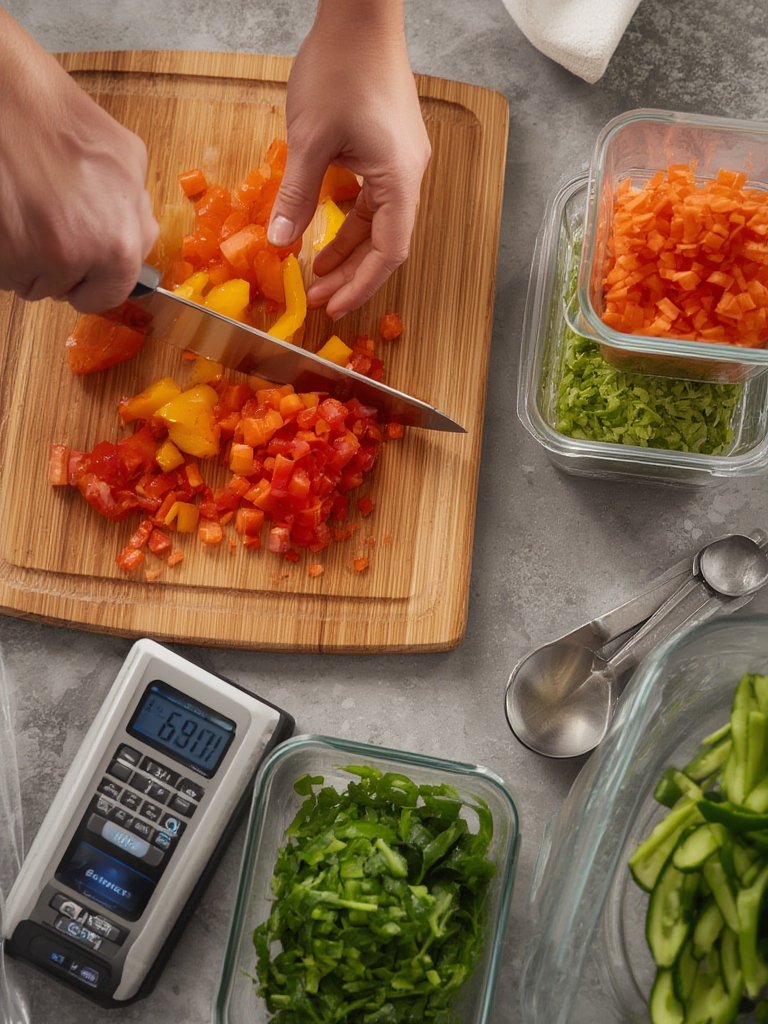
- digital food scales are critical for tracking macros, especially for those on strict diets or meal plans.
Step 4: Upgrade for Efficiency & Versatility
- Consider a set of nesting mixing bowls—saves space and enables mise en place (ingredient prep ahead).
- Multi-compartment meal prep containers allow different foods to stay separated, boosting variety while keeping flavors distinct.
- Look into compact food processors for bulk prepping vegetables quickly.
Step 5: Storage, Labeling, and Cleaning
- Add dry erase markers or removable day labels to date your meals and avoid food waste.
- Store clean tools in a visible, accessible spot to reinforce your habit. For even more tight-space solutions, browse these space saving ideas for small homes.
- Choose storage that fits your fridge and pantry dimensions—oversized tools create clutter and frustration.
Building your toolkit stepwise prevents wasteful spending and helps you identify tools you truly use weekly.
Advanced Analysis & Common Pitfalls: What the Data Reveals
Recent market research highlights where most home cooks falter in their meal prep journey. Avoid these mistakes to save money, cut frustration, and stick with meal prepping long term.
Comparison Table: Glass vs. Plastic vs. Stainless Steel Containers
| Material | Pros | Cons | 2024 Market Share (Reusable) |
|---|---|---|---|
| Glass | Non-toxic, oven-safe, stain-resistant, sustainable | Heavier, pricier, risk of breakage | 32.1% |
| Plastic (BPA-free) | Lightweight, low-cost, versatile sizes | Potential chemical leaching, stains, odor retention | 2% |
| Stainless Steel | Durable, odor-resistant, eco-friendly | Not microwave-safe, higher upfront cost | N/A |
Common Pitfalls & How to Avoid Them
- Mismatched, non-stackable containers: Quickly cause storage chaos and lost lids. Stick with sets of the same brand and size wherever possible.
- Skipping safety standards: Not all plastics are made equal—look for phthalate-free and BPA-free certifications. The safest plastics are marked #1, #2, #4, and #5.
- Underestimating portion control: Overfilling large containers defeats the nutritional purpose of meal prepping. Opt for containers sized for single-portion sizes or snacks to support healthy habits.
- Ignoring space constraints: Oversized tools or too many gadgets quickly clutter small homes. Explore modern small kitchen design and compact living tips prioritize tools that serve multiple functions.
- Buying on price alone: Cheap tools break or fail quickly, leading to replacement costs. Balance affordability with durability and verified safety standards. Elite labels often include FDA, LFGB, or international food-contact certifications (always check packaging or product descriptions).
Market Trends & Regional Considerations
- The meal prep container market is growing at a CAGR of 7.2% globally, but trends like energy efficient kitchen tools are also driving purchases.
- North America leads adoption, thanks in part to a strong food delivery culture and urban lifestyles. Asia Pacific is seeing the fastest growth, especially among young professionals seeking convenience.
- Sustainability remains top-of-mind—consumers are shifting toward reusable, glass, and stainless options over disposable plastics.
Conclusion: Make Meal Prep Work for You
The right meal prep kitchen tools are an investment in your health, productivity, and peace of mind. By choosing safe, efficient containers and tools designed for your unique lifestyle, you’ll stay motivated and reduce daily stress. Remember to prioritize stackability, safety certifications, and products that solve your most frequent kitchen challenges. Ready to build a better routine? Shop smart, start small, and tailor your kit to what you use daily. For even more kitchen upgrades, don’t miss our guide on the best kitchen trash cans—an essential part of every organized meal prep space.
FAQ: Meal Prep Kitchen Tools
What are the absolute essentials in a meal prep kitchen tool kit?
Essentials include stackable meal prep containers, a sharp chef’s knife, sturdy cutting boards, measuring cups and spoons, and a digital food scale. Add mixing bowls, dry erase markers for labeling, and a compact food processor for advanced prepping.
Is glass or plastic better for meal prep containers?
Both have strengths. Glass is non-toxic, oven- and microwave-safe, but heavier and fragile. Plastic is lightweight and affordable, but pick only BPA-free and phthalate-free containers to minimize health risks. Stainless steel is durable but not microwave-safe.
How do I avoid common meal prep container mistakes?
Buy sets of matching containers for easier stacking and storage. Always check for food safety labels (BPA-free, FDA-approved). Use portable, single-portion sizes to control calories and prevent overeating. Avoid impulse-buying low-quality or odd-shaped containers.
Are there smart kitchen tools that help with meal prepping?
Yes! Smart kitchen appliances, like programmable slow cookers, air fryers, and digital scales, make prepping faster and more reliable. Explore our smart kitchen appliances guide for more tech-based options.
How can I save space if I have a small kitchen?
Choose compact, multipurpose tools, such as nesting bowls, folding colanders, and stackable containers. Store your meal prep kitchen tools in caddies or drawers. Find inspiration and tips in our innovative storage solutions.