


LVP flooring is transforming homes and businesses throughout the U.S., offering realistic wood looks, affordability, and resilience that traditional flooring cannot match. If you’re considering new floors, this no-fluff guide breaks down how luxury vinyl plank really performs, its true costs, and the practical steps to get the results you want.
Key Takeaways
- LVP flooring is growing rapidly in the U.S. due to its durability and price advantage over hardwood.
- Most problems center on installation errors or unrealistic expectations, not the material itself.
- Focus on quality installation and honest comparison with other floor types for best, longest-lasting results.
- What Is LVP Flooring and Why Choose It?
- How to Plan and Install LVP Flooring: Step-by-Step
- Advanced Analysis & Common Pitfalls with LVP Flooring
- Conclusion
- Frequently Asked Questions (FAQ)
What Is LVP Flooring and Why Choose It?
LVP flooring stands for luxury vinyl plank, a synthetic plank designed to mimic the look and feel of hardwood at a much lower cost. Unlike real wood, LVP resists water, scratches, and dents, making it one of the fastest-growing segments in the American flooring market. In 2024, the global vinyl flooring market—anchored by the LVP/LVT segment—reached $25.37 billion, with North America accounting for almost 14% market share and an upward trajectory through at least 2030 (source).
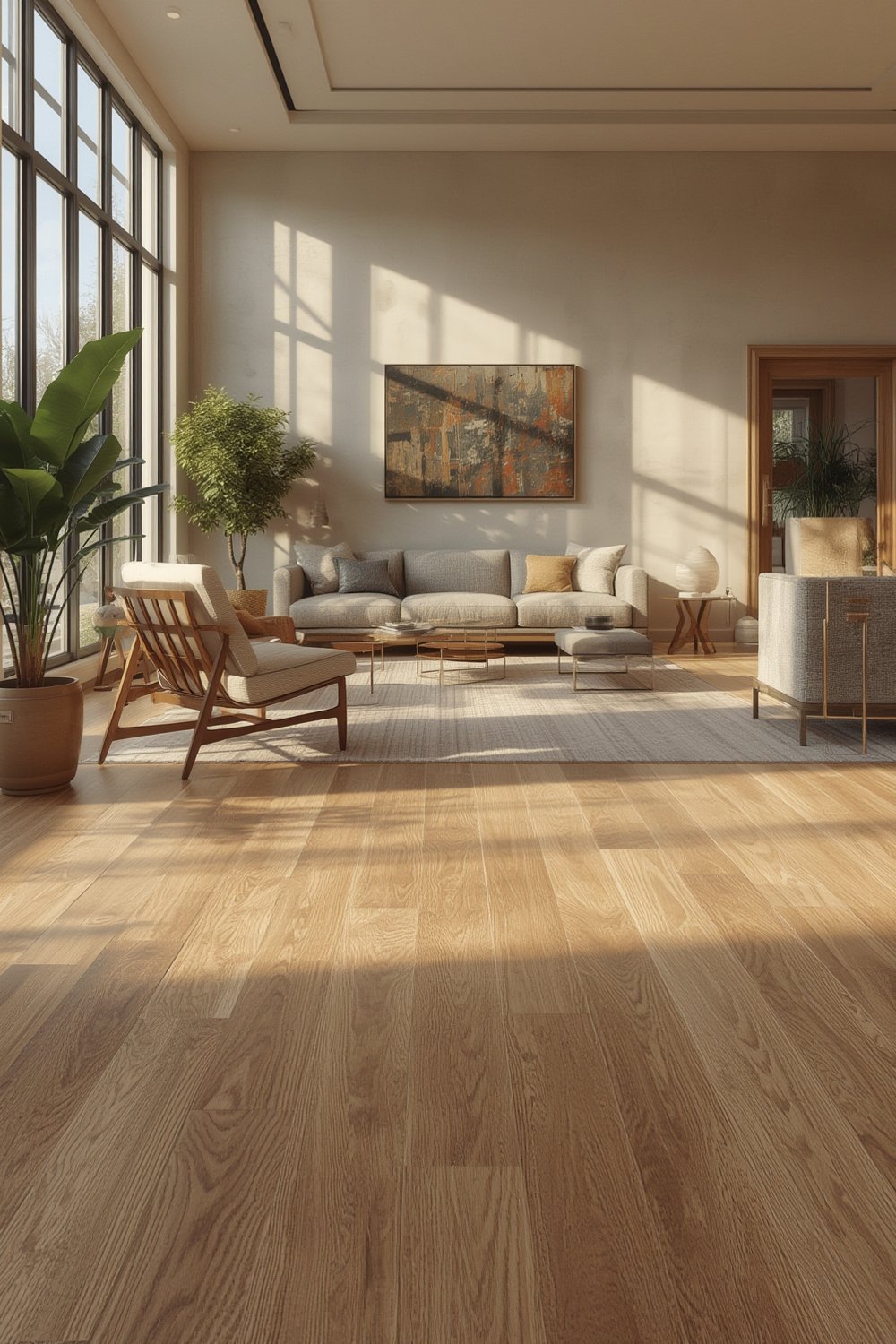
Here’s why homeowners and commercial property managers are switching to LVP flooring:
- It delivers the realistic appearance of wood or stone with high-definition imaging layers.
- Waterproof core makes it suited for kitchens, basements, or bathrooms where hardwood or laminate would fail.
- Costs between $2–8 per square foot, which is far less than hardwood’s $12–20 per sq. ft. (source).
- Simple click-together installation keeps labor and material costs down.
In short, LVP flooring offers genuine savings and increased practicality for modern homes, apartments, and businesses. It’s why LVT/LVP accounted for 64.7% of total vinyl flooring revenue in 2024, with the highest growth rate in the entire segment.
For small home upgrades that pair well with LVP flooring, see these powerful ideas that maximize function without clutter.
How to Plan and Install LVP Flooring: Step-by-Step
Measure and Order Extra
Determine your room’s square footage and order 5%–10% extra LVP to cover mistakes and odd corners. This small buffer protects you from running short or mismatched batches.Prepare the Subfloor
LVP flooring must be installed on a smooth, dry, and clean surface. For old tile, ensure no loose pieces. On wood or concrete, fill all holes or cracks, and vacuum thoroughly. Subfloor flatness (within 3/16″ over 10 feet) is more important than you think; high/low spots cause gaps and premature wear.Acclimate the Planks
Let your LVP planks sit in the installation space for at least 48 hours, so they can adjust to room temperature and humidity. This helps prevent future expansion or contraction.Layout Plan
Plan your plank direction—usually parallel to the main window or longest wall for the most natural look. Dry-fit a few rows before starting. Stagger the plank ends by at least 6 inches, mixing pieces from several boxes for pattern realism.Installation
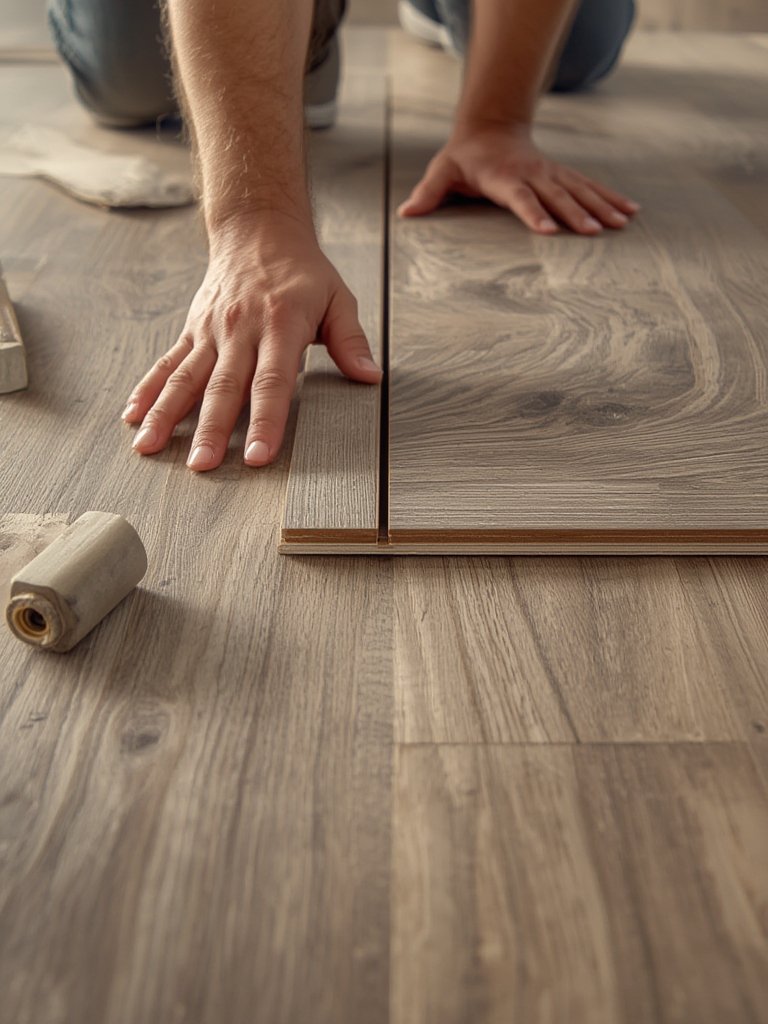
Use the click-lock system to assemble your LVP flooring. Maintain a 1/4-inch expansion gap at walls and fixed obstacles. Periodically check that seams stay tight and rows remain straight. For door jambs, undercut as needed for a snug fit without gaps.Transitions and Finishing
Install transition strips between LVP and other floor types. Reinstall baseboards or apply matching quarter rounds. Thorough cleaning is your final step—LVP’s surface holds little dust, so a damp mop does the trick.
For space optimization after your new flooring install, consider smart storage ideas to make every room feel larger and more functional.
Post-Installation Maintenance:
LVP flooring is low-maintenance, but stick to neutral-pH cleaners and avoid steam mops—excessive water isn’t needed or helpful. For scuffs, a soft eraser works well. Place pads under furniture legs. In small homes or apartments, combine LVP flooring with compact pet furniture if you have pets.
Advanced Analysis & Common Pitfalls with LVP Flooring
Despite the clear benefits, installing and owning LVP flooring comes with a few caveats and real limitations that most shoppers do not learn until it’s too late.
LVP vs Other Popular Flooring Types (2024 Data)
| Flooring Type | Avg Cost (Material Only) | Water Resistant | Best For | Common Problem |
|---|---|---|---|---|
| LVP Flooring | $2–8/sq ft | Yes (waterproof core) | Kitchens, Basements, High-Traffic | Gaps/cracks if installed on uneven subfloors |
| Hardwood | $12–20/sq ft | No | Living Rooms, Bedrooms | Scratches, water damage, cost |
| Laminate | $1–4/sq ft | Some (not all) | Bedrooms, Offices | Swelling, edge separation |
Main Pitfalls with LVP Flooring
- Improper Subfloor Prep: The #1 cause of LVP flooring complaints is due to poor or uneven subfloors, not the actual plank material.
- Unrealistic Performance Expectations: Despite robust construction, deep gashes from dragging furniture or sharp pet claws can still occur. Use furniture pads and keep pet nails trimmed (compact pet solutions help).
- Uneven Wear and Fading: While most LVP is UV-resistant, direct strong sunlight can still cause fading over many years.
- VOC Emissions and Safety Concerns: Although many brands now advertise “low-VOC” or “green” certifications, current market research does not provide real data or third-party testing specifics on chemicals or emissions (source). Always check for FloorScore or Greenguard labels if VOCs are a priority.
- Resale Expectations: LVP flooring increases modern appeal and ease of maintenance, but it might not add as much home value as solid hardwood. If resale is your top priority, weigh your options carefully or see this direct flooring comparison.
Performance in High-Traffic Areas
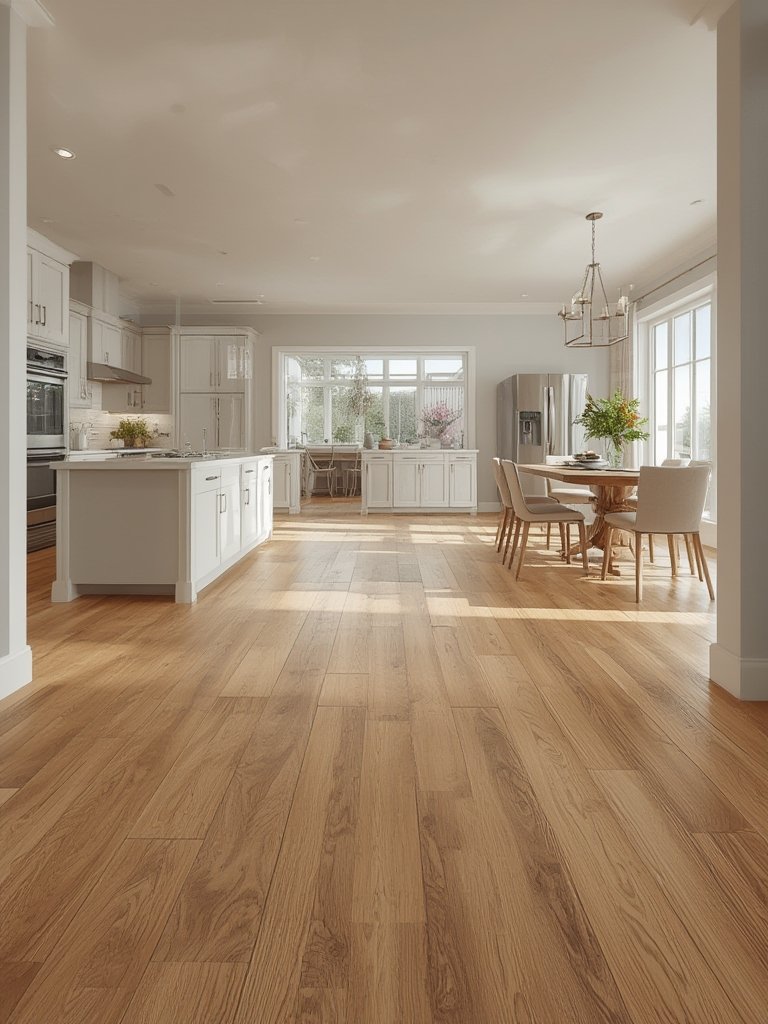
LVP flooring outperforms hardwood in busy settings like offices, retail, healthcare, and busy homes, due to a robust wear layer and rigid core (source). Yet, current sources do not offer standardized real-world testing or quantifiable scratch-resistance data. The best approach is to pair LVP with entry mats and to avoid heavy rolling loads.
If you need new floors for a backyard retreat or patio zone, see outdoor patio styling tips for practical decorating ideas.
What’s Missing from Top Competitor Posts?
Most top-ranking articles don’t address these buyer concerns:
- Actual lack of granular technical specs (e.g., wear layer thickness) and how they relate to real-world performance.
- VOC or chemical emission specifics for LVP flooring (no published data on hazards or certification rigor).
- Quantitative comparison of LVP with both SPC and durable laminate—especially across high-traffic, pet, or kitchen environments.
If green certifications and indoor air quality are deal-breakers, learn more about eco-friendly buying strategies.
Conclusion
LVP flooring stands out as a realistic, waterproof, and cost-effective solution—if you research your options and pay close attention to proper installation. Its rapid adoption across America is no accident. With prices starting as low as $2 per square foot, and performance in both homes and workplaces, it’s clear why LVP flooring is one of 2024’s top choices. Need a budget-friendly home update? LVP flooring could be your answer—just remember, surface prep and expectations matter most.
Ready to transform your own home? Compare LVP flooring to your specific needs and start planning today. For more affordable, high-impact home transformation ideas, check out the smart upgrades guide here.
Frequently Asked Questions (FAQ)
How long does LVP flooring last?
High-quality LVP flooring can last 15–20 years or more with proper installation and basic care. Lifespan depends on wear layer thickness, installation, and foot traffic.
Is LVP flooring really waterproof?
Yes, most LVP flooring options are waterproof due to their solid vinyl core. However, always check product specs and ensure seams are tightly locked for maximum water resistance.
Can I install LVP flooring over existing floors?
Usually yes, if the existing floor is flat and secure. Avoid installing LVP over carpet or deeply uneven surfaces. Old tile or wood may require prep to level before installation.
What’s the difference between LVP and SPC flooring?
SPC (stone plastic composite) is a subtype of rigid core vinyl plank with extra density and more resistance to impacts, but no major differences in DIY installation. Both offer waterproof benefits and realistic looks.
Does LVP flooring add value to a house?
LVP flooring makes a home more attractive to modern buyers due to its durability and low maintenance. However, it might not boost value as much as hardwood flooring in high-end markets.