


Table of Contents
### Blog Post:
Looking for the perfect way to add dimension and style to your kitchen? Fluted kitchen cabinets are 2024’s most popular design upgrade, transforming flat surfaces into eye-catching centerpieces. Whether you want to embrace texture, create modern appeal, or simply make your kitchen stand out, this guide cuts through design buzz and gives you everything you need to know—without the fluff.
Key Takeaways
- Fluted kitchen cabinets are surging in 2024 for adding tactile depth, especially in modern, Scandinavian, and transitional styles.
- While visually stunning, fluted cabinets come with cleaning and budget considerations, particularly if using solid wood and custom millwork.
- Designers recommend integrating fluted fronts selectively—think kitchen islands or lower cabinets—to maximize impact and manage cost and upkeep.
What Are Fluted Kitchen Cabinets and Why Are They Trending?
Fluted kitchen cabinets feature vertical grooves or channels carved into wood, stone, glass, or metal surfaces. These patterns break the monotony of flat panels, giving your kitchen instant personality and architectural flair. Designers and homeowners in 2024 are rapidly adopting this textured look to move kitchens beyond sterile minimalism, with prominent use on islands, lower cabinets, and accent walls. The tactile quality of fluted fronts not only looks refined but also adds a sense of handmade craftsmanship that stands out in contemporary, mid-century, and Scandinavian kitchens.
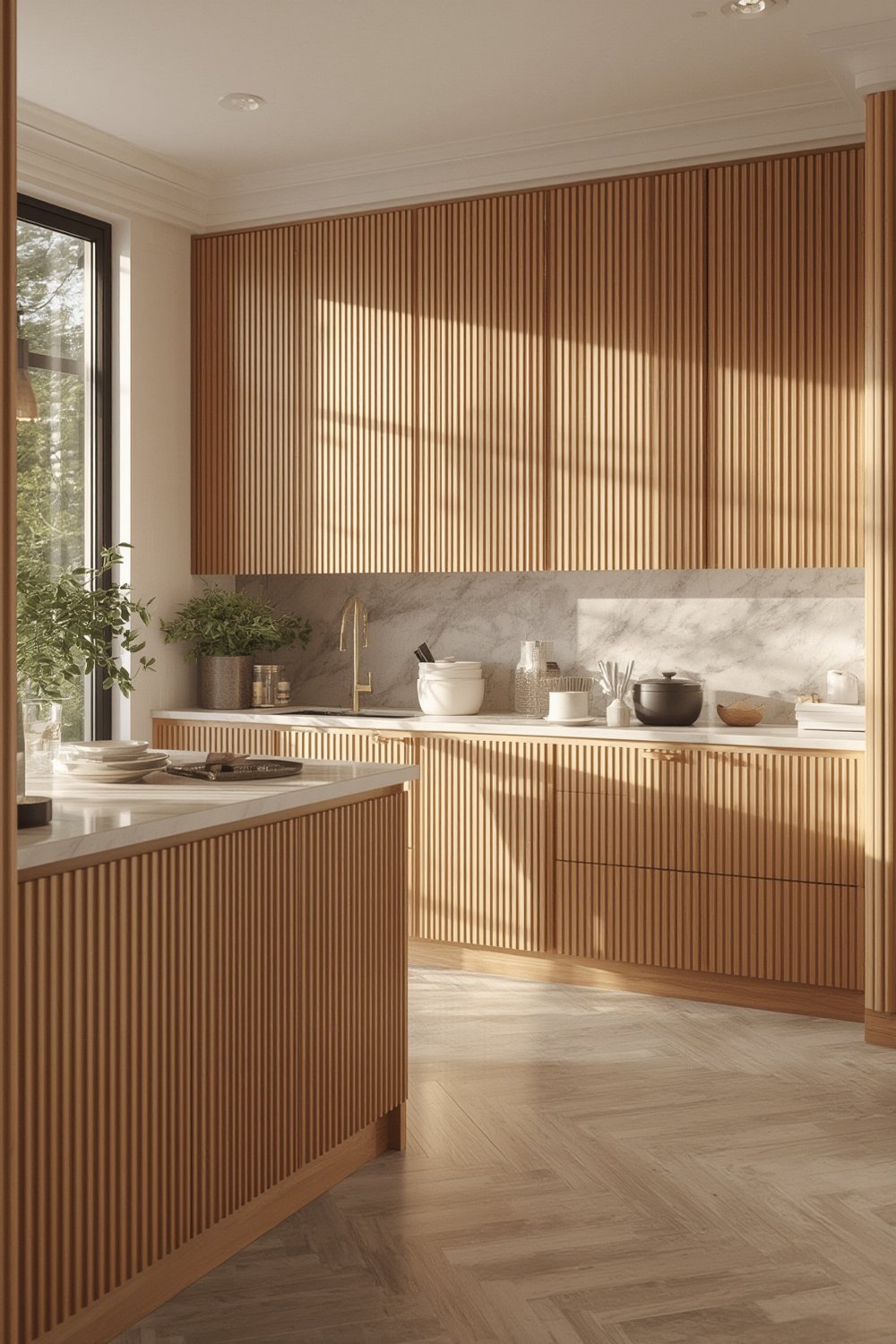
The trend’s popularity is driven by a movement toward high-texture natural materials and attention to detail. According to multiple design experts and reports, fluted cabinets now rank among the top kitchen millwork requests, as shown by NKBA’s 2024 Kitchen Design Trends (fluted finishes made up roughly a quarter of all surveyed preferences). While hard data is scant, designers agree—to create a kitchen with depth and sophistication, fluted cabinets are a go-to choice in today’s homes. For even more ideas on maximizing kitchen space and modern styling, see our modern small kitchen design guide.
Step-by-Step Guide: Choosing and Using Fluted Kitchen Cabinets
Selecting and installing fluted kitchen cabinets effectively takes clear planning and smart material choices. Here’s a concise, actionable process.
- Assess Your Kitchen’s Style and Configuration.
Fluted fronts work best in modern, Scandinavian, and transitional kitchens. Look at your current space—is it open plan, galley, or compact? Want inspiration for maximizing small spaces? Our small home improvement ideas can help. - Choose Your Material:
Available options include:- Solid woods: White oak, natural walnut, alder (luxurious look, higher price)
- Veneers or MDF: Lower cost, paintable, easier for DIY
- Glass or stone: For accent doors or islands, brings light and contemporary visual impact
- Stainless steel: Hygienic, modern, easy to clean (but premium pricing)
For eco-friendly guidance, see our sustainable materials guide.
- Decide on Application Areas:
Fluting is most impactful (and easier to live with) on:- Lower cabinets (Victoria Spencer-Eves recommends these draw attention downward for drama)
- Kitchen islands (Charlie Smallbone: wood fluting for warmth and contrast)
- Pantry or appliance garages (adds subtle texture to small sections)
Keep upper cabinets or wall runs smooth for balance and easier upkeep.
- Pick the Right Finish:
- Natural wood grain: Timeless, hides fingerprints and scratches better.
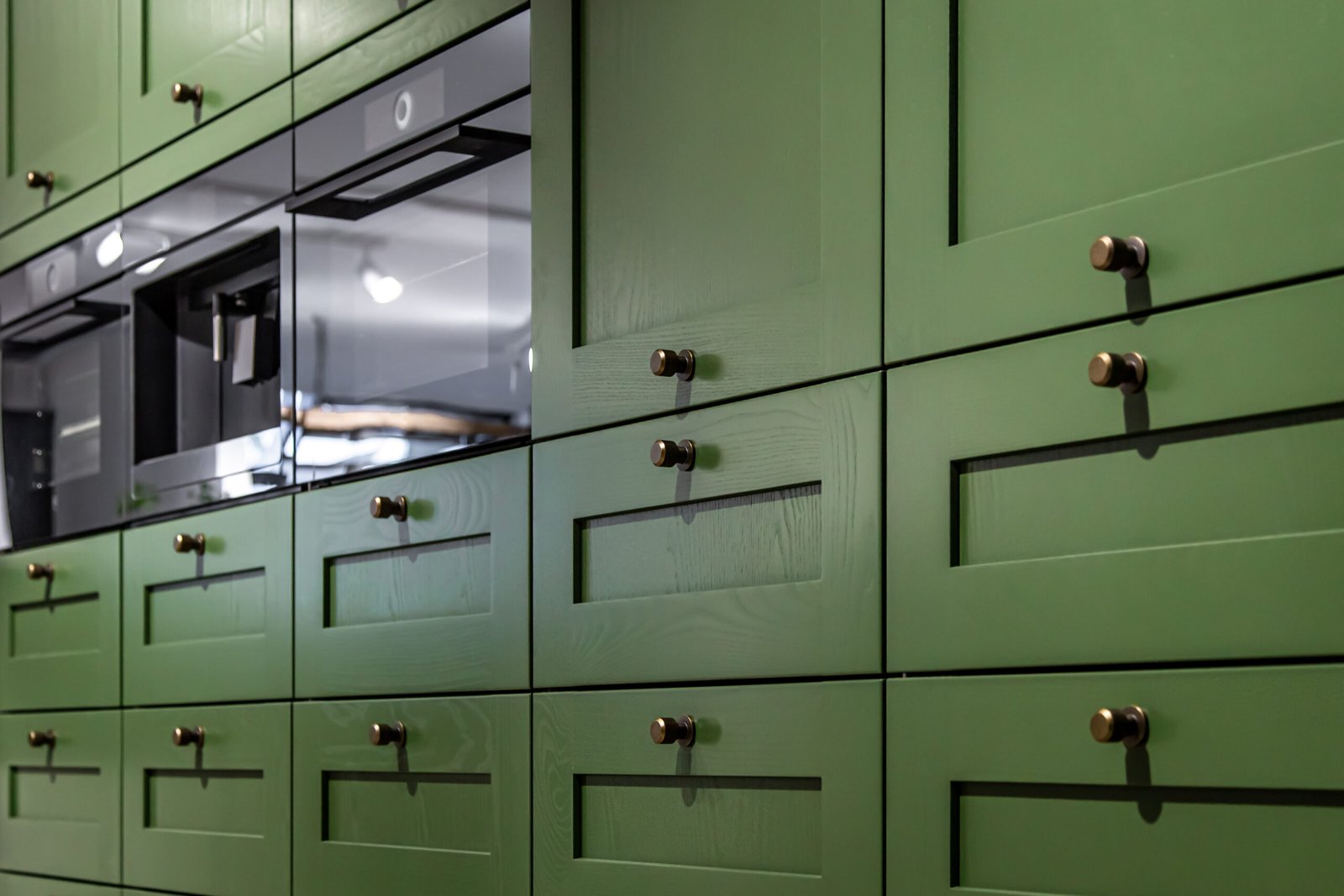
- Painted: Monochromatic dark tones (midnight blue, green, black) are trending—pair with marble or zellige tile for high impact.
- Mixed-metal hardware: Brass, chrome, or matte black pulls amplify texture contrast.
Play with color and finish combinations for visual height and light control.
- Understand Production and Installation Options:
- Custom millwork: Get unique, deep flutes and wood choices; most expensive but maximally durable.
- Prefabricated panels: Cost-effective, good for DIY upgrades, generally less depth but easy to install over existing cabinetry.
- Consult professional installers to ensure grooves align and corners meet cleanly for a high-end look.
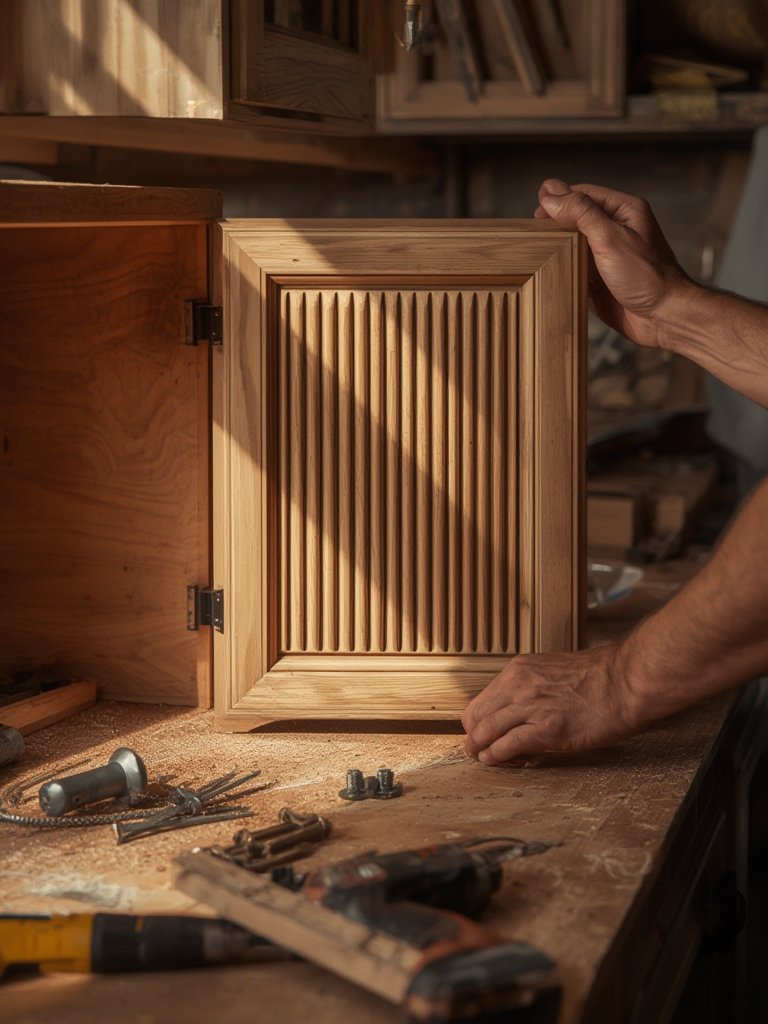
Remember, genuinely textured cabinets will draw the eye in larger spaces and can visually expand a compact kitchen. For those short on room, check our space saving ideas for small homes.
If you’re considering DIY, good prep and the right wood are essential. Our wood selection guide can help you avoid beginner mistakes.
Advanced Analysis & Common Pitfalls to Avoid
While fluted kitchen cabinets get rave reviews from designers, real-world use reveals some important pitfalls and missing considerations.
Cleaning & Maintenance Challenges
The vertical grooves that define fluted panels may trap grime and kitchen oils over time—especially if you cook often or have kids and pets. No major studies or reviews reported severe issues, but it’s realistic to expect more frequent dusting and specialty cleaning tools for deep grooves, especially with high-relief millwork.
Durability and Price: Cost vs. Longevity
| Material | Durability | Maintenance | Cost |
|---|---|---|---|
| Solid Wood (Oak, Walnut) | High (can last decades if sealed well) | Monthly groove cleaning advised | $$$ (custom milling adds premium) |
| MDF/Veneer | Moderate (prone to water swelling) | Easy to repaint or swap out | $$ (affordable DIY option) |
| Stainless Steel | Very High (water/oil resistant) | Simple wipe-down | $$$$ (premium/contemporary) |
| Glass/Stone | High to Very High (depends on material) | Less prone to stains, but may scratch | $$$ to $$$$ (luxury feature) |
Mixing materials can help you control both cost and wear: try accent-only fluting to avoid higher price tags and minimize cleaning. Note: Many articles overlook detailed cost breakdowns, so always get multiple quotes from suppliers.
Long-Term Aesthetic Concerns
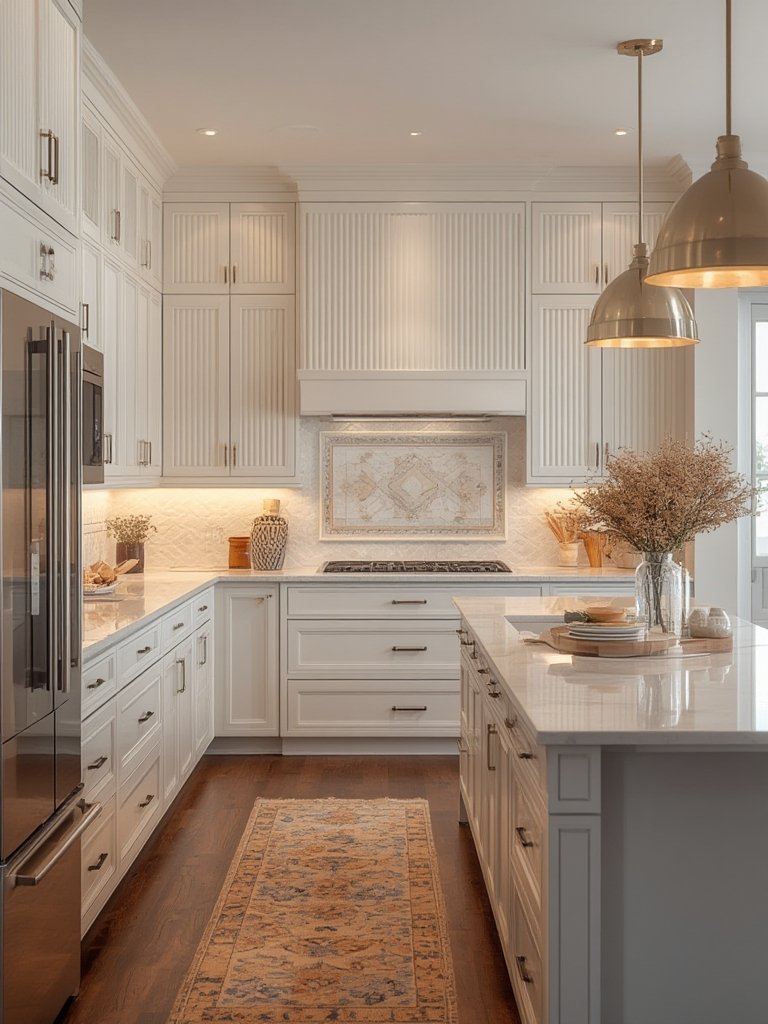
Trends change, but fluted kitchen cabinets historically outlast fads due to their architectural roots. Still, beware of overuse—fluting on every surface can overwhelm a space and be tough to update. Design experts like Fiona Ginnett recommend blending fluted islands with plain uppers for timeless balance (learn more here).
Missing User Reviews & Real-World Feedback
Despite wide designer praise, there are very few published user complaints or testimonials about fluted kitchen cabinets, especially around long-term durability or functionality. If you’re risk-averse, try the look on a small island or pantry before a full remodel.
For other projects where maintenance and durability matter—such as outdoor or bathroom setups—explore our tips on patio furniture care or large bathroom bins for smart home solutions.
Conclusion
Fluted kitchen cabinets deliver dramatic texture, depth, and a distinctly modern feel, blending seamlessly into both minimalist and maximalist kitchens. Despite some added cleaning and higher up-front costs for luxury materials, their versatility and staying power make them a smart choice when used thoughtfully. Ready to transform your space? Start by focusing on key areas like your kitchen island or lower cabinets, and always pair fluted features with clean lines for balance. Explore fluted kitchen cabinets to bring new life to your kitchen today.
FAQ
Are fluted kitchen cabinets hard to clean?
Fluted grooves can trap dust and grease more than flat panels, especially in high-use kitchens. You can manage this easily with a handheld vacuum, microfiber cloth, or soft-bristle brush for routine cleaning.
Is the fluted kitchen cabinet trend likely to last?
Unlike some trends, fluted cabinet detailing is rooted in classic architecture and is expected to stay relevant beyond 2024 when used sparingly with clean, modern finishes.
What’s the best material for fluted cabinet doors?
For long-term durability and a luxe look, solid woods like oak or walnut are preferred. Painted MDF or veneers offer an affordable, easy-to-DIY option. Stainless steel and glass add modern edge but come with higher costs.
How do I make my own fluted cabinet fronts?
Use pre-grooved MDF, flexible slat wall panels, or a router to carve grooves in solid or veneered boards. Measure spacing precisely to ensure even rhythm. Painting after installation will help hide minor flaws.
Can fluted cabinets work in a small kitchen?
Yes—small doses work wonders. Try fluted accents on an island or a single lower run to add movement and texture without overwhelming compact spaces.
—

[…] want a kitchen that’s welcoming, practical, and connected, not just a design statement. Fluted kitchen cabinets and organic details are also making waves, warming up interiors and offering texture without […]