


Fiber cement siding cost is one of the most critical factors to consider when updating your home’s exterior, especially in 2024 when material and labor prices fluctuate across the United States. Choosing the right siding impacts not only curb appeal but also your long-term budget, maintenance, and energy efficiency. Understanding real pricing, durability, and genuine homeowner experiences can help you avoid costly mistakes and make the best choice for your home.
Key Takeaways
- Fiber cement siding cost in 2024 ranges from $5 to $14 per square foot installed, with regional variations and additional labor for complex homes.
- While initially more expensive than vinyl, fiber cement’s durability and lower repair needs mean lower long-term costs.
- Proper installation and planned maintenance are crucial to maximizing the value and lifespan of fiber cement siding.
What is Fiber Cement Siding Cost and Why It Matters
Fiber cement siding cost refers to the total expense—from materials to labor—required to replace or install this sturdy exterior on your home. In 2024, national averages for installed fiber cement siding are between $5 and $14 per square foot, depending on the type (such as planks, panels, shingles), your region, and the complexity of your house design. For comparison, vinyl siding runs from $3 to $8 per square foot installed, while wood can climb to $12. Though fiber cement siding cost may seem higher upfront, its resilience against rot, pests, and fire can equal genuine long-term savings. [Source]
Understanding the real numbers and hidden costs is essential. Labor, which accounts for $2 to $8 of the install price per square foot, can vary dramatically by region and by the skills of local contractors. Homes in the Seattle area, for instance, see competitive rates, while rural or high-cost labor markets might land at the top of the range. Awareness of these variables empowers you to budget realistically and compare siding solutions with confidence. The bottom line is that fiber cement offers a robust, attractive exterior finish, but calculating the true cost—including ongoing maintenance—will save you from surprises.
Step-by-Step Guide: How to Estimate and Manage Fiber Cement Siding Cost
Getting an accurate estimate for fiber cement siding cost isn’t just about reading price charts—hands-on calculation and smart planning are key. Here’s how you can make sure your project stays on budget while enjoying the benefits of this popular siding material.
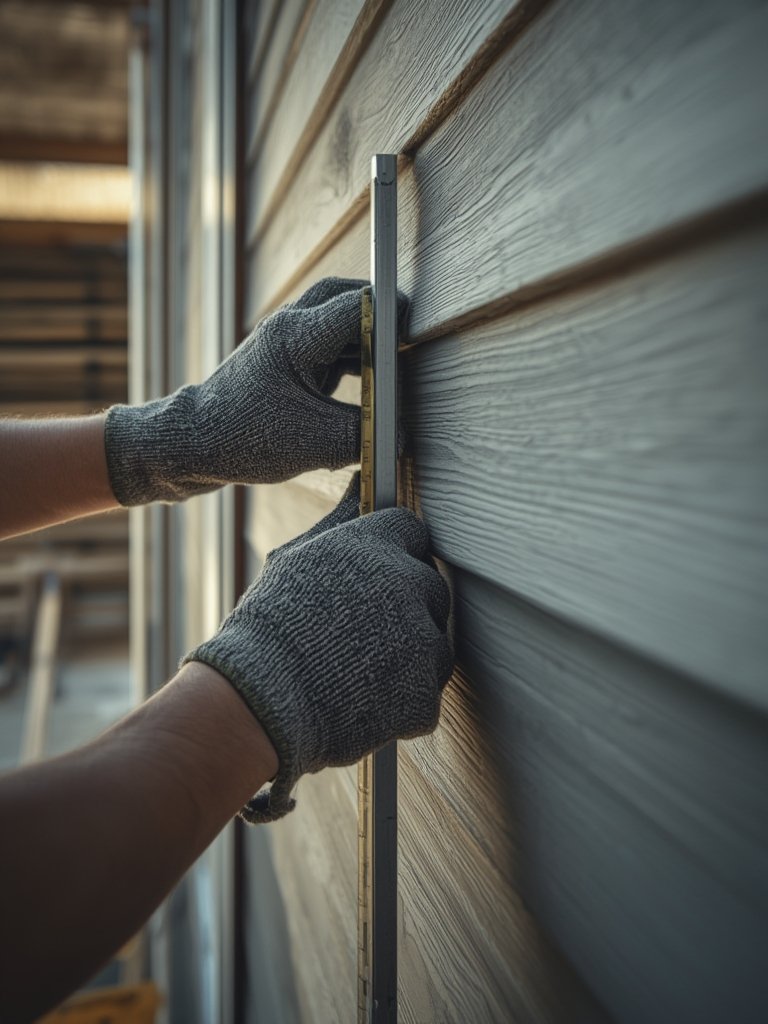
- Measure Your Siding Area. Calculate the total exterior square footage needing coverage (excluding windows and doors).
- Choose Your Fiber Cement Siding Style. Planks usually cost less than panels or shingles but may be more labor-intensive for complex facades. Compare the cost breakdown by type.
- Factor in Regional Labor Rates. Labor costs shift widely. In Seattle, fiber cement can be installed for as low as $4.70 per square foot, while national highs hit $14 or more. Always localize your estimate.
- Account for Demolition and Prep Work. Removing old siding and prepping the wall can add $0.50 to $2 per square foot. Don’t overlook haul-away fees and permit costs, especially in urban areas.
- Set Aside a Maintenance Fund. Plan to repaint every 10–15 years if not using factory-colored board. Maintenance isn’t major but will impact your fiber cement siding cost over time.
- Compare Alternatives. Vinyl is cheaper upfront but typically results in more frequent repairs and replacements. Consider the 30-year cost, not just installation. If you want to blend aesthetic upgrades, check options like backyard landscaping ideas during major projects.
- Evaluate Additional Upgrades. Consider replacing trim, soffits, or adding gutters. These can often be bundled for labor savings. For instance, installing new copper gutters in tandem with siding may let you negotiate lower combined labor fees.
Tracking these essential budgeting and planning steps minimizes risk and maximizes your home’s curb appeal and value. You’ll be ready to avoid unnecessary stress when tackling a big, visible project like a complete siding replacement.
Advanced Analysis & Common Pitfalls of Fiber Cement Siding Cost
While the durability of fiber cement is a major draw, several pitfalls frequently catch homeowners off guard. Installation mistakes, maintenance oversights, and inaccurate budgeting can undermine your investment.
Most Common Challenges and Issues
- Labor-Intensive Installation: Fiber cement is heavy and requires specialized tools—amateur installations risk board cracking, improper sealing, and premature failure. Labor can reach $8 per square foot on complex jobs.
- Paint & Finish Limitations: Even with low maintenance, fiber cement siding may require repainting every 10-15 years if you go with field-applied finishes instead of factory prefinished boards. Repainting adds recurring costs.
- Limited Warranty Data: There is little publicly available data on warranty claims or long-term failures of major brands like James Hardie, leaving some uncertainty around manufacturer support.
- Regional Cost Surprises: Contractor shortages or building booms can spike pricing in some areas unexpectedly—always check hyperlocal rates before finalizing your fiber cement siding cost budget.
Fiber Cement Siding Cost vs Vinyl and Wood: Table Comparison in 2024
| Material | Installed Cost / sq ft | Expected Lifespan | Maintenance Needs | Typical ROI |
|---|---|---|---|---|
| Fiber Cement | $5 – $14 | 50+ years* | Low (repaint every 10–15 yrs) | Up to 69.4%1 |
| Vinyl | $3 – $8 | 20–30 years | Medium (more repairs) | 50–65% |
| Wood | $7 – $12 | 20–40 years | High (repainting, pest, rot) | 45–60% |
*Exact lifespan and ROI will vary by climate, maintenance, and installation quality.
1 Source
If you are already upgrading your home, you may also want to explore affordable home improvement ideas that maximize the return on your fiber cement investment.
Competitor articles rarely break down actual total ownership cost, regional labor spikes, or the durability delta in various U.S. climates. For owners of small homes, smart upgrades like space-saving pet essentials and raised garden bed designs can further boost living comfort and curb appeal.
To sum up, the most common mistake is underestimating the real fiber cement siding cost by ignoring labor premiums, future repainting, or improper installation expenses. Always perform a realistic, regionally-adjusted estimate and expect to invest in some repainting—but with proper prep and professional help, fiber cement offers a superior balance of upfront outlay and lasting value.
Conclusion
Making a smart investment in your home exterior requires a clear understanding of fiber cement siding cost. While you’ll pay more upfront than you would for vinyl, the robust performance, low maintenance, and high ROI can make it the cost-effective solution over 30 years. Always account for regional labor swings, compare multiple quotes, and factor in repaint cycles. By following these steps, you’ll avoid common pitfalls and enjoy worry-free curb appeal for decades. Ready to upgrade your home? Start comparing local quotes and plan your fiber cement project today.
FAQ
How much does fiber cement siding cost per square foot installed in 2024?
The national average for fiber cement siding cost installed is $5 to $14 per square foot, varying with siding style, region, and home complexity. Planks run from $4.70, panels and shingles can reach up to $24.
How does fiber cement siding compare to vinyl on long-term cost?
While fiber cement siding cost is about 30% higher to install than vinyl, its lower repair frequency and superior resistance to pests and fire mean lower lifetime costs. Over 30 years, fiber cement often delivers a higher resale ROI.
What factors most influence fiber cement siding’s durability?
Quality of material and installation, the local climate, and sticking to recommended repainting cycles determine longevity. Mishandling can cause cracks, but with proper installation, fiber cement outlasts most alternatives.
Are there any major complaints about James Hardie or similar fiber cement siding?
Verified consumer reviews are scarce, but the main challenges cited include labor-intense installation, risk of siding cracking during improper installation, and the need to repaint boards without factory-applied finishes.
Does repainting cost more over time than buying factory-prefinished siding?
Factory-colored boards minimize repainting for the first 15 years. Field-painted siding may need repainting every decade, adding to the fiber cement siding cost. For most, factory finishes reduce hassle and expense in the long term.
—