


Table of Contents
### Blog Post:
When it comes to achieving a tough, attractive garage surface, epoxy garage floor coating is one of the most popular choices. But how does it stack up against polyaspartic and other options in 2024? This guide breaks down what actually matters—from lifespan and cost to the common mistakes even experienced DIYers make—with proven strategies to get the most durable, cost-effective results.
Key Takeaways
- Epoxy garage floor coating can offer 3–10 years of service, but prep and product grade make or break long-term results.
- Polyaspartic systems last longer and cure faster but at a higher price point; DIY kits are riskier and have a seriously shorter lifespan.
- Common pitfalls include poor surface prep, ignoring moisture, and misjudging cure times—avoid these for best outcomes.
- Understanding Epoxy Garage Floor Coating: What & Why
- Step-by-Step Guide: How to Get Professional Results
- Advanced Analysis & Common Pitfalls
- Conclusion
- Frequently Asked Questions
Understanding Epoxy Garage Floor Coating: What & Why
Epoxy garage floor coating is a two-component resin system that bonds to concrete, creating a seamless, chemical-resistant, and visually appealing surface. Unlike simple paint, epoxy sinks into the substrate (when prepped right), providing a thick, protective layer that resists oil, water, and abrasion. The main appeal is durability—an epoxy system (especially a high-solids, pro-installed one) can outlast paint by a decade or more, and transforms boring slabs into surfaces that are easier to clean, resist stains, and look sharp.
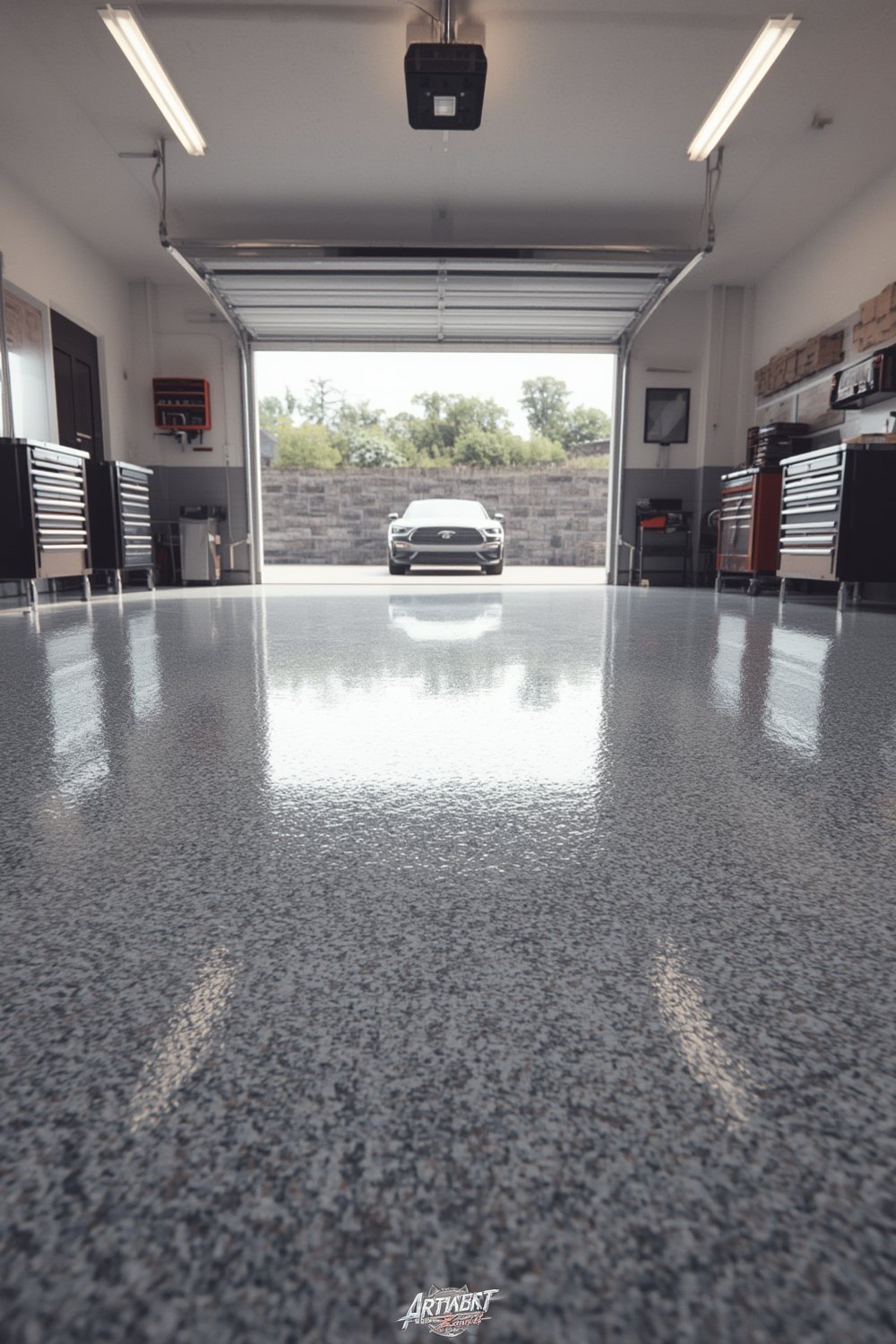
Epoxy isn’t the only garage flooring solution. Polyurea and polyaspartic coatings offer rapid cures and greater UV stability, though usually at a higher price. Simple garage floor paints—often marketed as “1-part epoxy”—cost less but rarely survive in an active garage. For homeowners, the choice comes down to balancing cost, durability, downtime, and aesthetics.
Want to maximize performance? Preparation is everything. Even top-tier epoxy will fail if the slab isn’t properly ground, clean, dry, and free from oil or existing sealers. Skimping on prep is the leading reason DIY jobs peel or fade within a year.
If you’re looking to tackle other smart upgrades after your garage, consider simple home improvement projects for a quick impact inside your house.
Step-by-Step Guide: How to Get Professional Results
Here’s a clear, realistic process for installing an epoxy garage floor coating that actually lasts. Whether you go DIY or hire a professional, following these steps is critical.
- Evaluate and Repair the Slab
- Fix cracks and spalls with suitable patching material—don’t coat over them expecting the epoxy to hide issues.
- Scrape off any previous peeling coatings, glues, or paint.
- Prep the Surface
- Grind the concrete to expose fresh pores. Aim for ICRI CSP 2–3 profile.
- Blow or vacuum all dust. The surface should feel mildly rough, not glossy or smooth.
- Test for Moisture
- Use a plastic sheet test or, for high humidity zones, invest in a surface RH test.
- Don’t apply any coating if moisture is present unless your system allows it—otherwise blistering and peeling are almost guaranteed.
- Prime (Optional but Recommended)
- Apply an epoxy primer or moisture-tolerant primer for improved adhesion, especially over slabs with minor moisture risk.
- Mix Epoxy Precisely
- Follow mix ratios and use the whole kit at once. Overshooting pot life means soft or incomplete cures.
- Apply Base and Build Coats
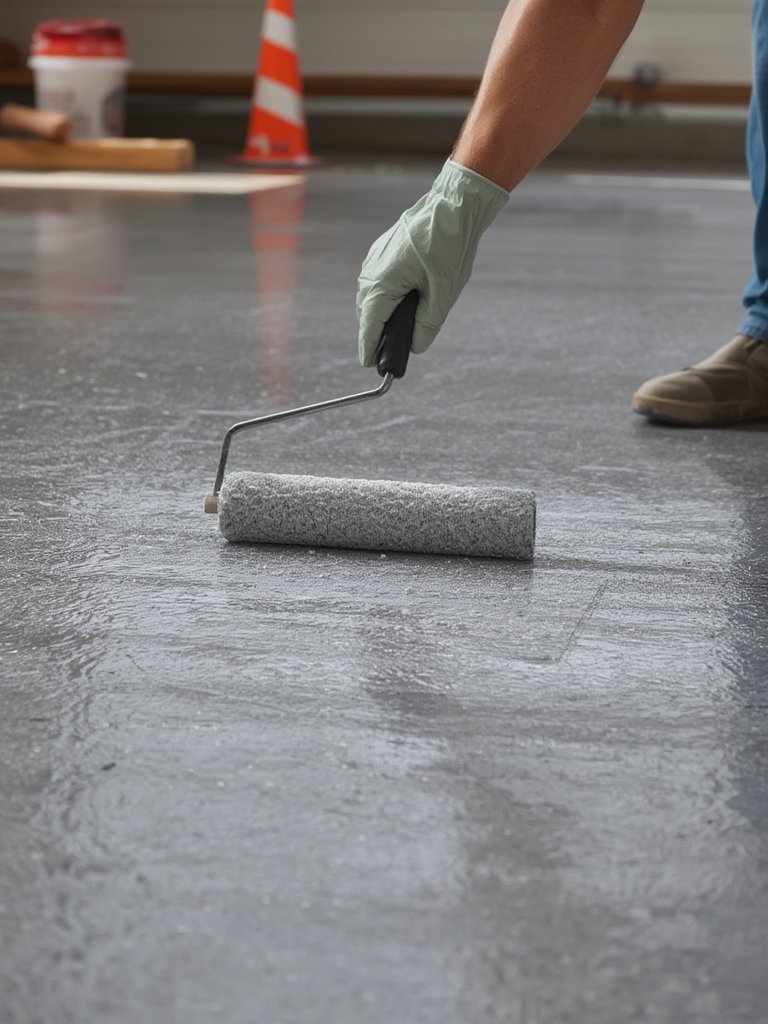
- Roll or squeegee the epoxy evenly, aiming for manufacturer-recommended thickness—don’t stretch for extra coverage.
- Broadcast chips or anti-slip aggregate as desired immediately while epoxy is wet.
- Topcoat for UV and Wear
- For best protection, add a clear polyaspartic or polyurethane topcoat. This boosts scratch resistance and color retention.
- Observe Cure Times Religiously
- No shortcuts. Wait at least 24 hours for foot traffic and 5–7 days before parking your vehicle on the floor (unless using rapid-cure polyaspartic).
- Maintain, Don’t Ignore
- Wipe up chemical spills promptly, and avoid dragging sharp objects or jacks directly on the coating.
Always check the recommended temperatures for your product—many epoxies won’t cure properly below 55°F. Want even more durability and a faster return to service? Polyaspartic coatings allow light traffic within hours and vehicle use within a day or two, though at a higher price.
If your home needs additional revitalization, check out our affordable home transformations for more project ideas outside the garage.
Advanced Analysis & Common Pitfalls
Not all epoxy garage floor coatings are created equal. Performance, cost, and longevity vary dramatically between DIY kits, professional applications, and alternative systems like polyaspartic. Here’s what the latest research and contractor data reveal:
Comparison Table: Lifespan and Durability (2024 Data)
| System | DIY Lifespan | Pro Lifespan | Notes |
|---|---|---|---|
| Garage floor paint | 1–2 years | 1–2 years (rarely pro installed) | Lowest cost but lowest durability |
| Epoxy (standard kits) | 1–2 years | 3–7 years (high-solids up to 20yrs possible with perfect prep) | Prep sensitive, can yellow/peel, has hot-tire risk |
| Polyurea/Polyaspartic | 10–15+ years (pro only) | 15–20+ years or “life of home” | Best for UV/chemical/hot-tire, fastest cure |
Common Pitfalls (and How to Dodge Them)
- Poor Surface Preparation: Many users rely solely on acid etching. Mechanical grinding is critical for adhesion and lifespan.
See why contractor specs always require grinding. - Ignoring Moisture: A damp slab means bubbling, blisters, and delamination—often visible within months. Use moisture tests, and never ignore a cool or musty-smelling slab.
- UV and Yellowing: Unprotected epoxy quickly yellows in sunlight; add a polyaspartic or polyurethane topcoat for best protection.
- Hot Tire Pickup: Thin, bargain epoxies may peel where your car sits. The same problem almost never occurs with polyaspartic systems.
- Overpromising Coverage or Strength: Don’t believe claims like “4 times stronger than concrete” without ASTM numbers.
Average 2024 Garage Floor Coating Costs
- DIY epoxy kits: $1–$2 per square foot (materials only)
- Pro-installed epoxy: $3–$7 per square foot (premium builds up to $12)
- Polyaspartic/pro systems: $7–$9 per square foot, but usually much longer life and faster cure
- Paints: $1–$2 per square foot—expect very short life
For a deeper look at home project finances, read our affordable home improvement guide.
Why Most DIY Epoxy Jobs Fail Early
- Acid etching alone misses contaminants and leaves the surface too smooth
- Kits are under-applied to save money, resulting in thin, weak films
- Moisture isn’t tested, leading to bubbles or rapid failure
- DIYers rush cure time—vehicles should wait a week or more after epoxy, hours for polyaspartic
See the full breakdown in this comparison report.
Advanced users should note: Moisture vapor transmission is often the “silent killer” of even well-installed coatings. Make sure to check for hidden issues—using ASTM F1869 or F2170 as guides—before proceeding. Skipping this step is a leading cause of failure even among professionals.
If you’re thinking about other storage or home upgrades, try our hidden storage ideas for clever solutions around the house.
Conclusion
Epoxy garage floor coating delivers a massive upgrade in both appearance and utility—when done right. It’s not magic: poor prep or cut corners result in premature peeling and disappointment. For maximum value, invest in proper surface prep, solid materials, and, where possible, a UV-stable topcoat. Polyaspartic and pro-installed systems cost more up front but easily outpace DIY on total life and low maintenance. Don’t forget: use epoxy garage floor coating as part of a broader plan for smart, long-lasting home improvements.
Ready to upgrade your garage? Assess your budget, slab, and traffic needs, and choose the system that fits—not just today but for years to come. If you want more inspiration, consider exploring backyard landscaping ideas or update your space with space saving furniture inside the house.
Frequently Asked Questions
How long does epoxy garage floor coating really last?
Professional epoxy systems last 3–10 years, sometimes up to 20 under ideal conditions with top-tier products and meticulous prep. DIY kits often start peeling or yellowing after 1–2 years, especially if prep is incomplete.
Is polyaspartic better than epoxy for garage floors?
Polyaspartic coatings are more flexible, UV stable, and fast-curing. They generally last longer than epoxy but cost more. For garages with heavy sun or frequent traffic, polyaspartic is the top choice.
Can I install epoxy garage floor coating myself?
DIY is possible, especially with big-box kits, but outcomes vary wildly. Most failures come from poor surface prep, improper mixing, or ignoring moisture tests. Expect shorter lifespan compared to pro jobs.
What’s the biggest mistake people make with epoxy coatings?
Skipping mechanical grinding is the #1 cause of early peeling and bond failure. Always grind your concrete or pay for pro prep.
Are there health or odor concerns with epoxy?
Low-VOC, 100% solids epoxies are usually safe for indoor use. Solvent-based systems may carry stronger odors and higher VOCs—make sure your product suits your ventilation and local compliance needs.