



Table of Contents
Energy efficient kitchen appliances are one of the fastest and most cost-effective ways to lower your energy bills, reduce environmental impact, and modernize your cooking space. But do they really save as much energy as the labels promise? What certifications actually matter, and how do you avoid common frustrations that new buyers experience? In this guide, you’ll get professional, realistic answers and an actionable blueprint for making smart decisions about eco-friendly kitchen upgrades.
Key Takeaways
- Switching to energy efficient kitchen appliances can cut kitchen energy use by 10–50% and annual energy bills by hundreds of dollars.
- The ENERGY STAR label is the most trusted certification for real, verified savings—look for it on any appliance you consider.
- Smart choices and savvy shopping are key—some energy efficient appliances carry higher upfront costs or may have subtle tradeoffs in performance.
The Core Concept: What Makes Kitchen Appliances Energy Efficient?
Energy efficient kitchen appliances are designed to do the same job as traditional models while using less electricity and, often, less water. This efficiency is achieved through smarter engineering—think highly efficient compressors in fridges, improved insulation, soil sensors in dishwashers, and inverter-driven motors.
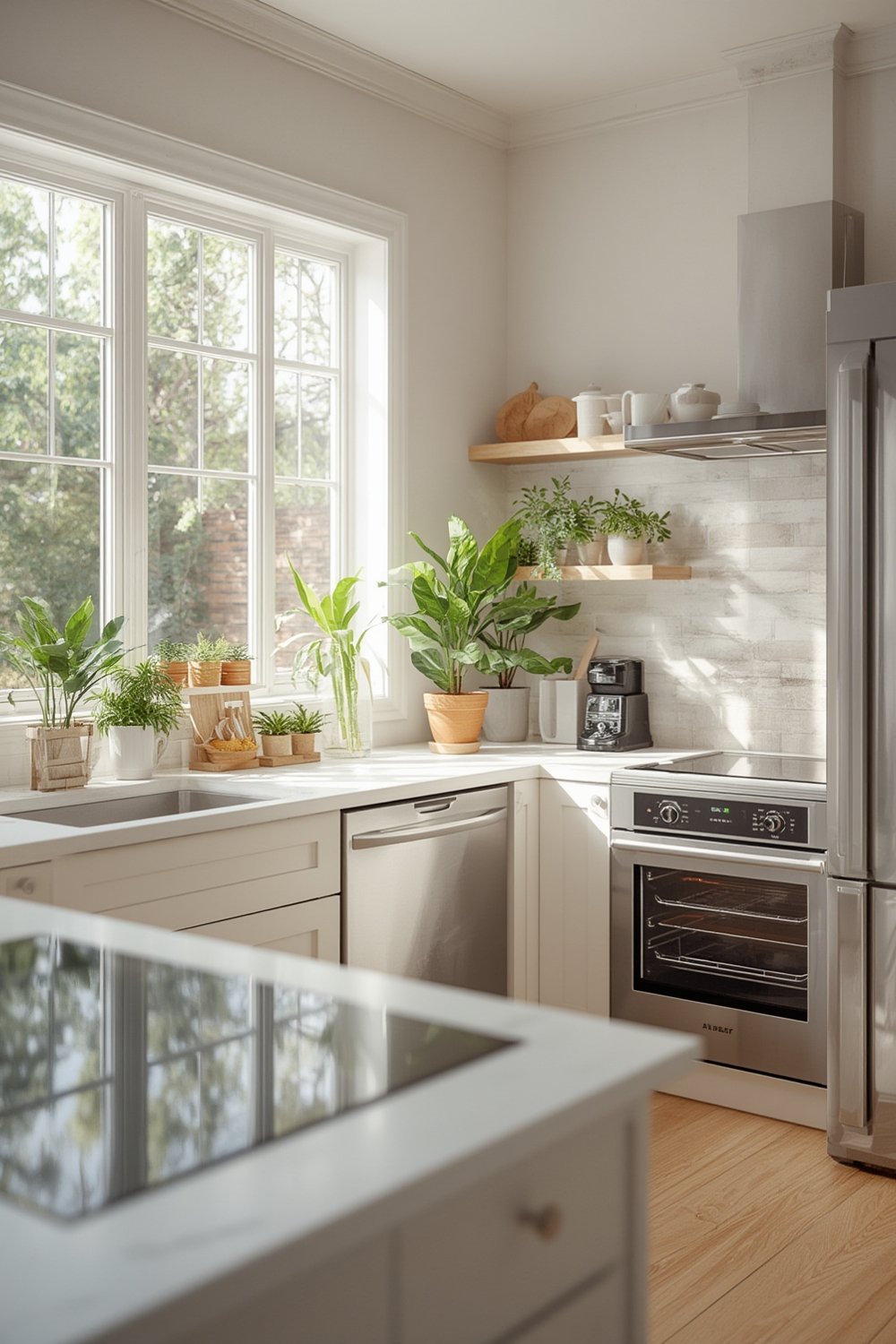
In 2024, refrigerators and dishwashers with the ENERGY STAR label typically use 25% less energy and water than the federal minimum. That translates to real savings: Americans have saved an estimated $105 billion thanks to efficiency standards, with a typical household cutting $576 from its annual energy costs
(source).
Kitchen appliances like fridges, washers, and dishwashers make up around 13% of an average home’s yearly energy use (source).
Choosing energy efficient kitchen appliances doesn’t just lower your footprint—it also means supporting smarter technologies that can keep your home comfortable and functional. For more inspiration on optimizing small kitchens, check out this modern kitchen design guide.
Step-by-Step Guide: How to Upgrade to Energy Efficient Kitchen Appliances
- Assess Your Kitchen Needs
What are your high-use appliances—fridge, dishwasher, oven, or microwave? Prioritize replacing those first. - Calculate Potential Savings
Estimate your annual energy use and compare it to the projected use of newer models using the ENERGY STAR savings calculator. - Check for Certifications
Always look for the ENERGY STAR label and, for fridges, focus on models with inverter compressors and adaptive defrost. - Shop Smart and Check Reviews
Compare total cost (including estimated energy use), not just the sticker price. Look for consumer reviews focused on real-world energy savings and performance. - Apply for Incentives Before Buying
Investigate local rebates or federal government incentives for upgrading to energy efficient kitchen appliances. - Optimize Placement and Use
Place your fridge out of direct sunlight and away from stoves. Run dishwashers only full and use energy-saving modes. - Maintain for Maximum Efficiency
Keep coils clean, replace seals as needed, and follow monthly maintenance tips to maximize lifespan and performance.
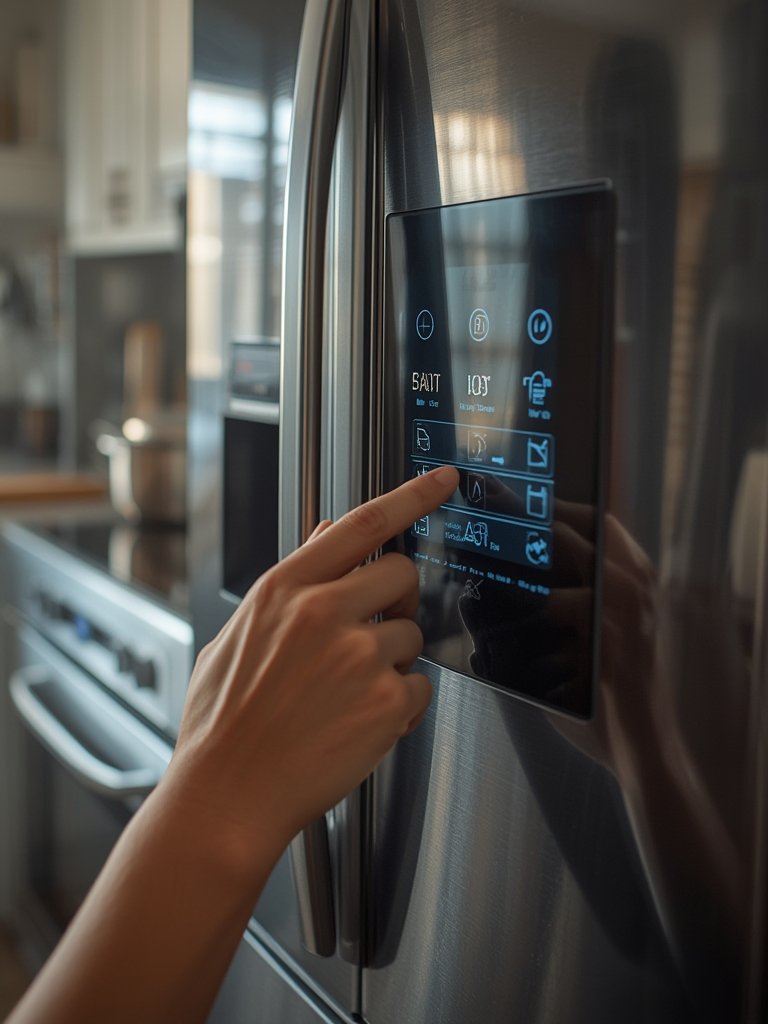
For a more granular approach to kitchen efficiency, explore compact appliance ideas in our guide on small kitchen storage solutions.
Many newer appliances also incorporate “smart” connectivity. If minimizing wasted power is a top priority, consider pairing your upgrades with a smart home energy monitoring system so you never guess which device is spiking your usage.
And, if you’re renovating a kitchen with limited square footage, energy efficient kitchen appliances are the perfect pairing for space-saving furniture. See more in these creative space-saving tips.
Advanced Analysis & Common Pitfalls
Even with the best intentions, there are traps and realities buyers must consider before switching completely to energy efficient kitchen appliances.
Potential Problems and Pitfalls
- Higher Upfront Costs: Energy efficient appliances often cost 10–30% more than standard models—though this is often offset by long-term savings.
- Unrealistic Energy Savings: Estimated savings on the label assume ideal usage. If you run partial loads or overload a fridge, your real-world results may lag.
- Maintenance Can Be Tricky: Some newer designs require more specialized servicing, which could mean higher maintenance expenses or fewer repair options.
- Features vs. Efficiency: Extra bells and whistles (like built-in screens or ice makers) can bump up energy use—choose only what you’ll really use.
- Performance Frustrations (Anecdotal): While definitive data is lacking, user forums sometimes note that certain high-efficiency dishwashers take longer to run, or that some fridges may struggle in hot climates unless ventilated well.
| Feature | Standard Appliance | Energy Efficient Appliance |
|---|---|---|
| Average Energy Use | 100% | 50-90% |
| Upfront Cost | Lower | 10-30% Higher |
| Maintenance | Basic, widely available | May require specialized service |
| Performance Notes | Short cycles, simple features | Longer cycles, extra features |
| Certifications | Baseline federal standards | ENERGY STAR and up |
Certifications matter for resale value and peace of mind. Stick with major standards like ENERGY STAR. For more advanced tech, check into features like inverter compressors (for fridges) and heat pump technology.
If maximizing the effect of your upgrades, complement appliances with sustainable materials throughout the kitchen. See this eco-friendly materials guide for additional ideas.

Conclusion
Upgrading to energy efficient kitchen appliances is one of the rare home improvements that can save you money, cut your carbon footprint, and boost the value and comfort of your kitchen. It’s crucial to understand both the benefits and potential drawbacks—like higher upfront costs or real-world performance quirks.
Before your next appliance purchase, take a step back: analyze your current usage, check for legitimate certifications, read independent reviews, and seek out rebates. The result: you’ll maximize the daily return on your investment and minimize energy waste.
For more in-depth tips on creating a smarter, greener home, explore our reviews of top kitchen trash cans for a cleaner kitchen and energy efficient kitchen tools. Now is the time to invest in energy efficient kitchen appliances—start today for real savings and sustainable impact!
FAQ
What’s the difference between an ENERGY STAR label and a standard appliance?
ENERGY STAR labeled appliances meet stringent energy efficiency criteria set by the EPA, typically using at least 10–50% less energy and water than non-certified models. This verifies independent testing—not just marketing claims.
How much can energy efficient kitchen appliances really save each year?
Savings vary, but replacing an old refrigerator or dishwasher can cut kitchen energy costs by hundreds per year, with full kitchen upgrades bringing annual household savings up to $576 or more.
Are there downsides to energy efficient kitchen appliances?
Some models may have higher upfront prices and longer cycle times. Performance may vary, so always check independent reviews and choose recognized brands with good service networks.
How do I get rebates or financial incentives for energy efficient appliances?
Visit local government or utility websites before purchase—many offer instant discounts, mail-in rebates, or tax credits for ENERGY STAR upgrades. Always check eligibility first.
Can I pair energy efficient kitchen appliances with other smart or eco upgrades?
Absolutely. Combining them with smart home energy monitoring or eco-friendly materials multiplies your savings and sustainability gains. See our guides on smart kitchen appliances and eco materials for more ideas.

[…] catching up. Consumers are also searching for a more energy efficient kitchen, with products like low-energy fridges and sustainable dishwashers growing ever more […]