


Table of Contents
Curbless shower installations are changing how homeowners approach bathroom remodels, gaining popularity for their seamless look and accessibility. Whether planning for aging-in-place, seeking a modern spa vibe, or optimizing a small bathroom, a curbless shower can upgrade the daily routine. Here’s what to expect, what most guides don’t cover, and the realities few designers mention upfront.
Key Takeaways
- Curbless shower designs are in demand for style and accessibility, but require careful planning for waterproofing, drainage, and tile selection.
- User regrets and critical code and cost data are rarely shared in trend articles—know the details before you remodel.
- Integrate features like linear drains, nonslip flooring, and aging-in-place options for results that endure and add value.
What Is a Curbless Shower? Why Are They Trending in 2024?
A curbless shower, also called a zero-entry or barrier-free shower, is a walk-in bathing area where the shower floor is flush with the bathroom floor—there’s no lip, step, or curb dividing the two spaces. This seamless layout has spiked in popularity with designers and homeowners in 2024 for two major reasons: modern style and universal accessibility.
According to Houzz’s 2024 Bathroom Trends Report, curbless showers were selected by 21% of renovating homeowners. While not as common as low-curb (45%) or alcove showers (44%), they’re favored by 70% of designers surveyed for delivering a sleek, open appearance and accommodating mobility needs. Among aging-in-place features, 38% of renovators chose curbless showers—behind only nonslip floors and grab bars.
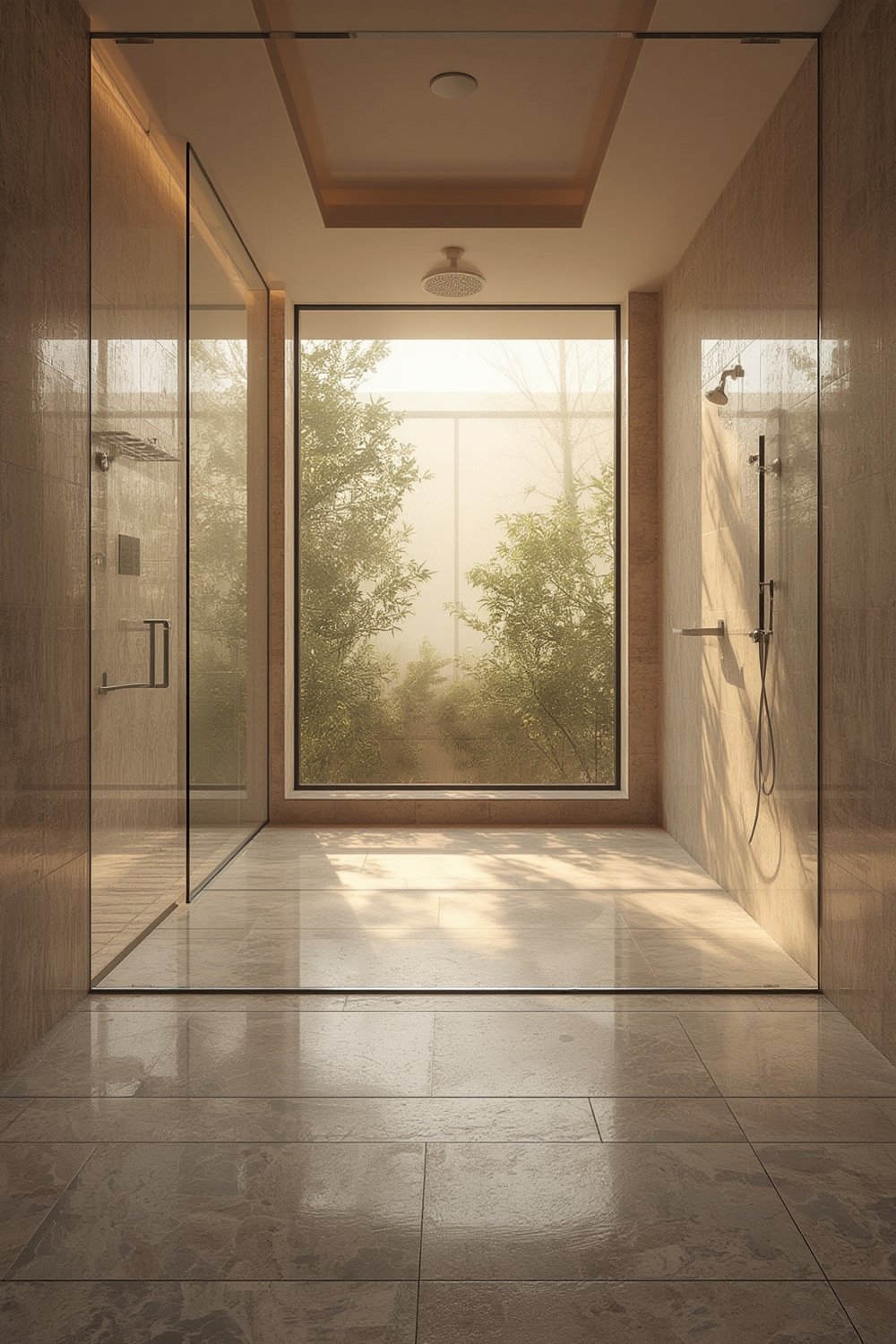
The main benefits of a curbless shower include step-free access (wheelchair, walker, or stroller friendly), more usable bathroom space, and a spa-like feeling that’s ideal for modern homes or small room layouts. For those interested in maximizing comfort in small spaces, see our related guide: Space Saving Furniture for Modern Living.
Despite the appeal, going curbless is not as simple as just omitting the curb. Drainage, waterproofing, tile selection, and floor sloping must be handled with precision—or water leaks and costly repairs are likely.
How to Plan and Build a Barrier-Free Curbless Shower: Step-by-Step
Building a safe, stylish curbless shower requires more planning and skilled craftsmanship than a traditional shower. Here’s what to do, from blueprint to final tile:
- Assess the Bathroom Layout. Measure bathroom dimensions and determine entry points. You may need to reposition plumbing or fixtures. If working with a small space, organize your bathroom efficiently before starting demo.
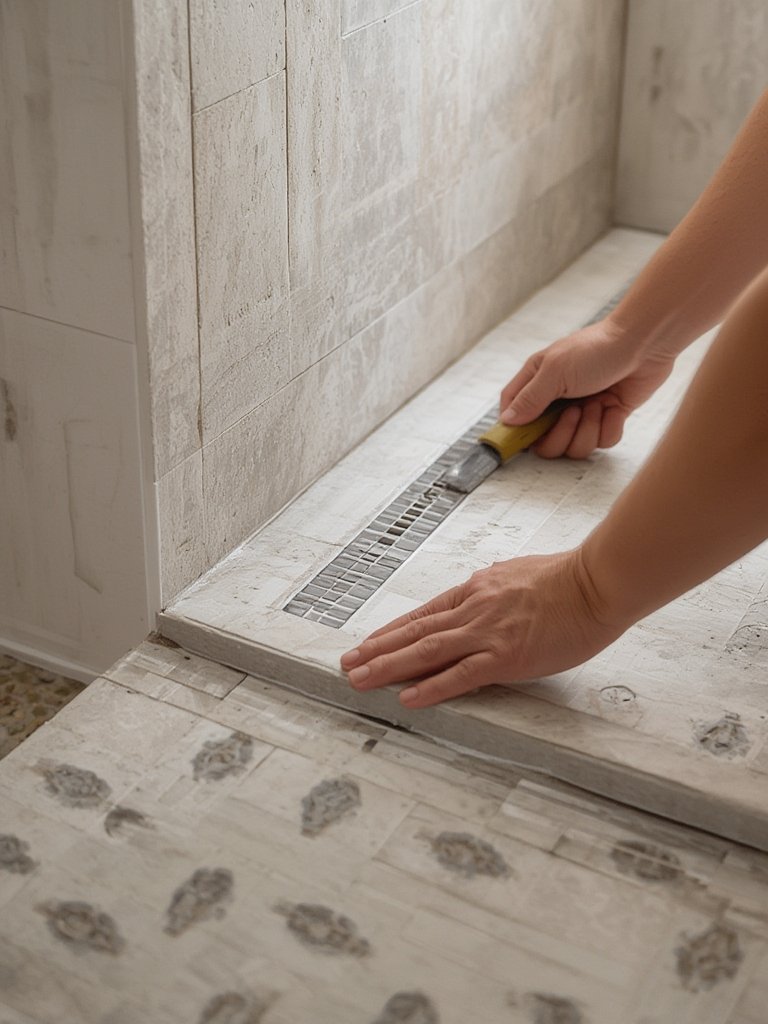
- Choose the Right Location for Drainage. Linear drains are popular for curbless showers in 2024, according to remodeling experts. Linear drains pair well with large-format tiles (12×24 inches or 12×12 inches) in herringbone or stacked patterns, offering both function and aesthetics.
- Floor Preparation and Slope. Unlike a traditional curb, a curbless shower requires the entire shower area—and sometimes the whole bathroom—to be lowered or sloped gently toward the drain, typically 1/4 inch per foot. Work with a contractor who understands these measurements. Slope too shallow, and you’ll get puddles; too steep, and it becomes a slip hazard.
- Waterproof Everything. Apply a waterproof membrane (liquid-applied or sheet) over the sloped floor and up the bathroom walls, extending far outside the shower. This step is non-negotiable—any shortcut here risks leaks beneath tile and subfloor.
- Tile and Material Choices. Use nonslip flooring—textured porcelain or matte ceramic are most common. According to Houzz data, rectangular tiles (82%) dominate. Opt for grout lines that aren’t too wide to minimize cleaning hassles.
- Accessorize for Accessibility. Integrate grab bars, built-in bench seating, and a handheld shower wand. For universally accessible design, ensure a clear space of at least 30 by 60 inches inside the shower.
- Test Before Tiling. Always water test the area—flood the floor to check if the drainage works and all seams are sealed. Address even the smallest leaks before proceeding.
- Finish and Maintain. Once grouting is cured, apply a penetrating sealer if recommended. For organization, see our tips to organize your bathroom for calm and function.
If you’re tackling other renovations around the house, don’t miss our simple home improvement projects to add finishing touches without major investments.
Advanced Analysis and Common Curbless Shower Pitfalls
While curbless showers are associated with accessibility and visual appeal, not every aspect makes the “pro” list. Current research finds some surprises and unseen risks when planning these remodels:
- Popularity vs. Cost: Approximately 21% of homeowners chose curbless showers in 2024. Yet, data on resale value versus traditional showers is lacking. Trendiness may help sell a modern home, but high cost and limited buyer preference should be factored in (2024 design trends).
- Lack of Pain-Point Reporting: No major studies surfaced negative reviews, but this may reflect reporting bias. Anecdotally, user concerns often include water escaping into the rest of the bathroom, increased need for thorough waterproofing, and temperature fluctuations due to lack of enclosure.
- Hidden Installation Challenges: Lowering the floor or reframing joists adds cost and complexity. Tile and waterproofing work require specialized labor—cheap shortcuts almost guarantee water damage later.
- No Clear ADA or Local Code Guidance: No consolidated 2024 guidance exists for ADA compliance or local code for curbless showers. If you’re remodeling for accessibility, always check with local building authorities to avoid failed inspections or forced rework.
- Material and Drainage Risks: Trending geometric and large-format tiles are slicker unless traction is specifically rated. Linear drains placed poorly can slow drainage and increase cleaning requirements.
| Feature / Issue | Curbless Shower | Traditional Shower |
|---|---|---|
| Accessibility | Full ADA potential, no step or curb | Limited (requires stepping over) |
| Waterproofing Required | Extensive & critical | Standard |
| Drainage Complexity | Must ensure proper slope & linear drains | Simpler center drain |
| Maintenance | Clean entire wet floor area; more grout lines | Contained; easier to limit water spread |
| Temperature Control | Can feel drafty (no door/enclosure) | Better retained |
| Upfront Cost | Higher – more labor, tile, waterproofing | Lower |
For solutions that help avoid redecorating mistakes in the rest of your home, check our small home improvement ideas and affordable home transformation tips.
Conclusion & Next Steps
Curbless shower designs are climbing the ranks for both aesthetic appeal and accessibility in 2024. While the investment can future-proof your home and elevate your style, careful attention to drainage, slope, waterproofing, and tile is mandatory. Don’t skip code checks or professional input—mistakes are costly and can lead to long-term water damage. In summary, planning a curbless shower is worth it for those who demand style, flexibility, and universal access. Ready to take action? Consult a specialized bathroom remodeler for an on-site assessment before making final decisions. If you’re striving for more space, pair your new shower with hidden storage ideas for a clean and organized bathroom.
Frequently Asked Questions
Does a curbless shower add resale value?
There are no 2024 statistics directly linking curbless showers to higher resale value. However, their presence in modern, accessible homes may appeal to more buyers and add perceived value, especially for those planning for aging-in-place.
Are curbless showers more likely to leak than traditional showers?
Yes, if improperly installed. Proper slope, waterproofing, and drain placement are absolutely critical to prevent water leaks outside the shower area. Always demand expert work and waterproof testing before tiling.
What type of tile should I use in a curbless shower?
Nonslip textured porcelain or matte ceramic tiles are best for safety and durability. Large-format tiles (12×24 or 12×12 inches) are popular, but make sure they’ve been tested for bathroom floors, not just walls.
How do I keep water from splashing into the rest of the bathroom?
Install a well-placed linear drain and make sure the floor slopes correctly toward it. Consider adding a minimal glass screen, half-wall, or a curtain if you need more splash containment but want to keep the open feel.
Do I need a permit or code inspection to build a curbless shower?
Most municipalities require permits for bathroom remodels involving plumbing or layout changes. Always consult your local building authority, especially if you’re hoping for official ADA accessibility.