



Table of Contents
Checkerboard floor tile pattern is one of the most iconic ways to inject personality, contrast, and timeless style into any room. Whether you want to refresh a small entryway or give your kitchen a bold visual punch, this classic motif turns basic flooring into a standout feature with surprising flexibility.
Key Takeaways
- The checkerboard floor tile pattern offers classic style and powerful visual impact, working for both traditional and modern spaces.
- Choosing the right materials and layout techniques is crucial to achieve lasting durability and crisp geometric lines.
- While trending, a checkerboard floor tile pattern brings real-world challenges, such as tile alignment and long-term maintenance considerations.
Checkerboard Floor Tile Pattern: The Core Concept
The checkerboard floor tile pattern is a geometric design made by arranging contrasting tiles (most often black and white) in a square grid. Each tile is rotated or positioned so that adjacent tiles always alternate colors, forming a precise grid that instantly catches the eye. Homeowners and designers choose this bold layout to achieve everything from retro vibes to ultra-modern contrast, and the look works equally well in kitchens, bathrooms, entryways, and mudrooms.
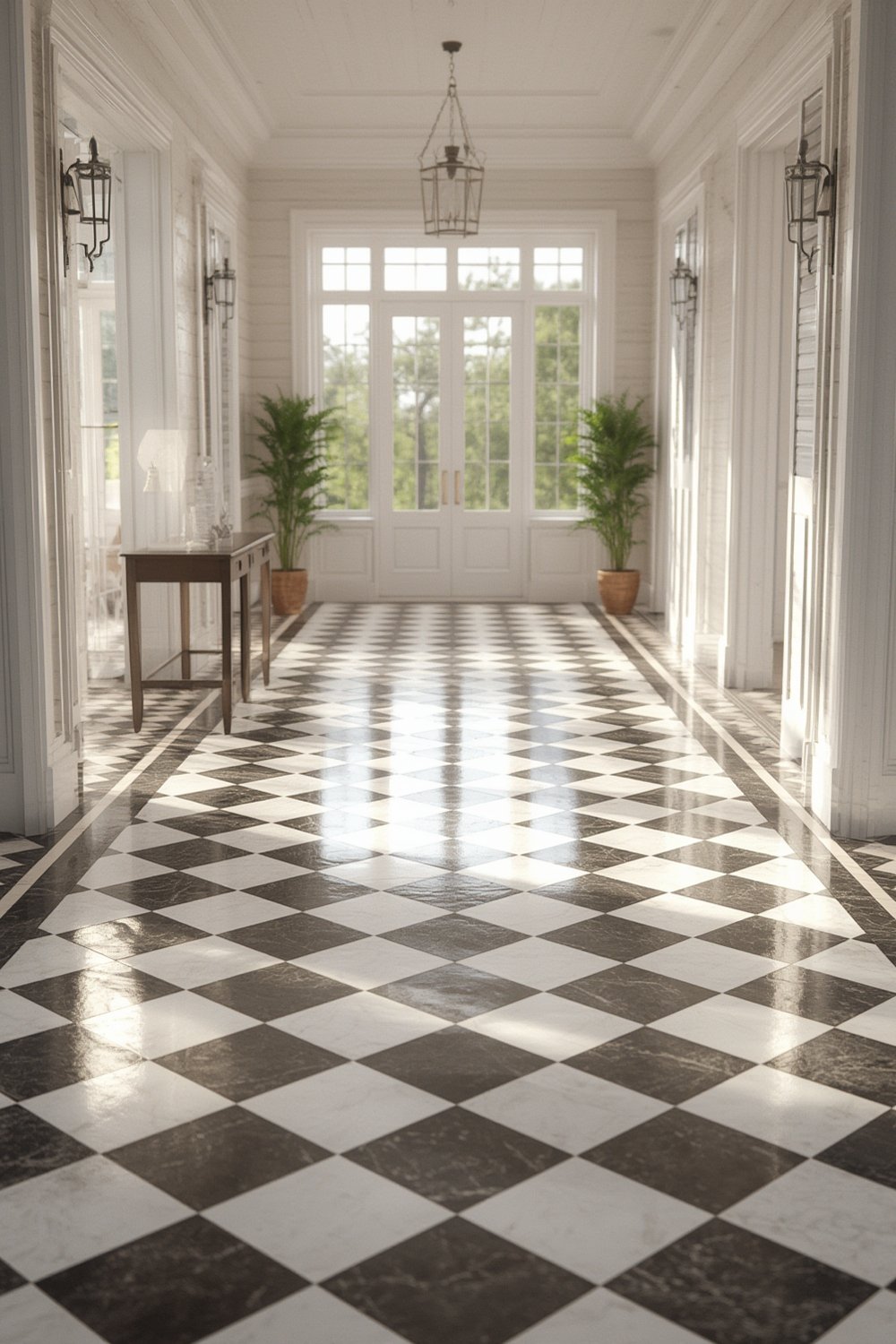
One key advantage of a checkerboard floor tile pattern is its ability to make rooms feel defined and dynamic without relying on expensive rugs or furniture upgrades. The pattern draws the eye across the floor and into the heart of the space, making even modest homes feel more cohesive and styled. For further inspiration on maximizing small spaces, see our guide on small home improvement ideas.
In 2024, checkerboard patterns are gaining attention in the U.S. tile market, especially with the rise of digital printing technologies and renewed interest in retro-inspired interiors. Terra-cotta checkerboard tile, in particular, has seen increased popularity (Persistence Market Research). While exact sales data specific to checkerboard installations is limited, the overall ceramic floor tile segment—which checkerboard styles fall under—still captures the largest share of the U.S. market (Grand View Research).
Step-by-Step Guide to Creating a Checkerboard Floor Tile Pattern
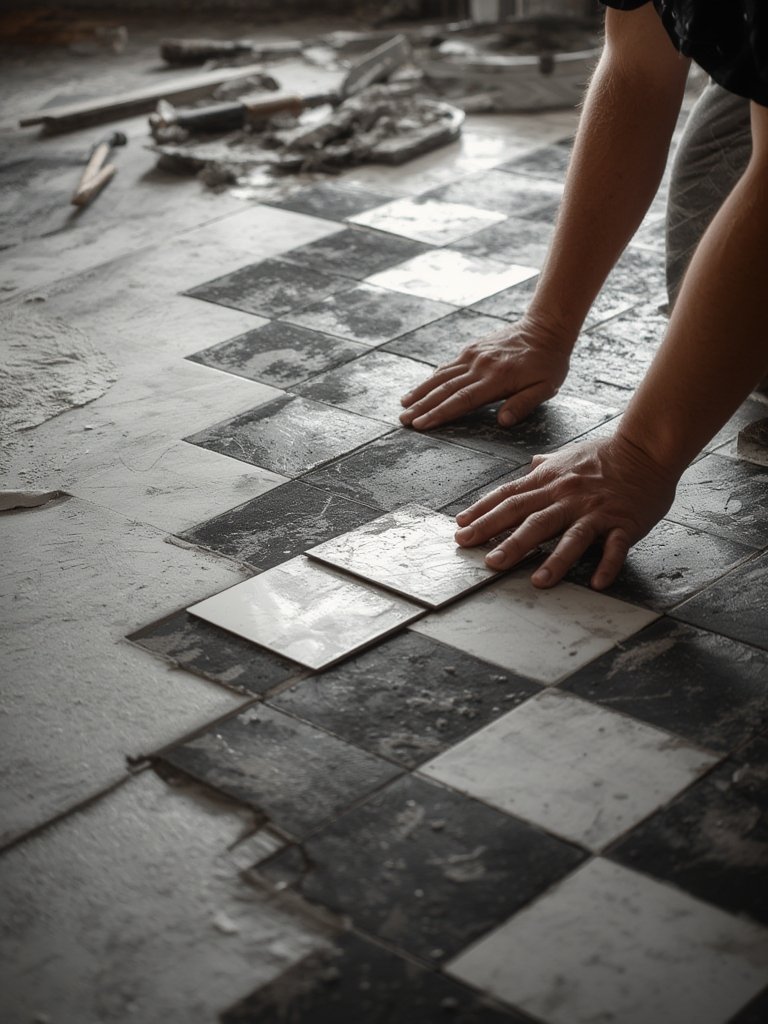
Installing a checkerboard floor tile pattern is a transformative project, but achieving sharp results requires planning and precision. Here’s exactly how to do it, whether you’re working with ceramic, porcelain, vinyl, or natural stone tiles:
- Measure and Plan: Mark the exact center of your space and snap chalk lines both ways. For precise checkerboarding, both black and white tiles must be perfectly centered. Use spacers to preview grout line thickness.
- Choose Materials: Select tiles with identical thickness and size for clean pattern transitions. Consider ceramic for durability and stain resistance (source). Porcelain and vinyl can also work, depending on traffic and moisture levels.
- Mix and Apply Thinset (or Peel Back Adhesive): For tiles, spread high-quality thinset with the proper trowel. For peel-and-stick vinyl, carefully remove backing paper as you go. Lay one quadrant at a time, referencing your center lines often.
- Set Tiles and Check for Level: Firmly press each tile into place, alternating colors. Use spacers for even joints. Frequently step back to confirm your checkerboard rows and diagonals are staying true.
- Cut Perimeter Tiles: Use a wet saw (for ceramic/porcelain) or heavy-duty scissors (for vinyl) for sharp perimeter cuts. Careful edge fitting prevents the pattern from “drifting.”
- Grout and Clean: Apply color-matched grout—dark grout can hide stains in black/white designs. Clean excess grout promptly before it dries on the tile face.
Want more ways to stretch your space with clever upgrades? Check out these space saving furniture ideas that complement a checkerboard floor tile pattern without making rooms feel crowded.
- For mudrooms or pet zones, a checkerboard pattern pairs well with compact pet essentials that don’t clutter visual sightlines.
- Adding checkerboard to kitchen or patio entries? Protect your furniture with strong maintenance habits from our furniture care guide.
Advanced Analysis and Common Pitfalls
While a checkerboard floor tile pattern brings major style, it’s important to plan for challenges you might face—especially if aiming for a low-maintenance or high-traffic application.
Common Pitfalls with Checkerboard Floor Tile Pattern
- Misaligned Pattern: Minor layout errors compound across the floor, making lines appear crooked. This is most visible on large or very narrow installs.
- Uneven Tile Height: Mixing materials (for example, ceramic with marble) can create lip edges that trap dirt and become trip hazards.
- Pattern Fatigue: While bold, checkerboard can become visually overwhelming in small spaces if furnishings or decor are also busy.
- Cleaning Challenges: Grout lines attract dirt, especially white grout. High-contrast tiles may require more frequent cleaning to maintain their sharp appearance. Learn more about keeping bathrooms organized and easy to clean on our bathroom organization guide.
- Slipperiness: High-gloss finishes or vinyl can become slick when wet. For safety, select matte-finish tiles or textured varieties in wet zones.
Material Comparison Table: Durability and Suitability (2024)
The table below compares popular materials used in checkerboard floor tile pattern installations, based on durability and care (drawn from the broader ceramic tile market data here).
| Material | Durability | Slip Resistance | Maintenance | Best For |
|---|---|---|---|---|
| Ceramic | High (stain/scratch resistant) | Good (select matte finish for best results) | Easy (regular cleaning, occasional grout refresh) | Kitchens, entries, bathrooms |
| Porcelain | Very high | Excellent (use textured for wet areas) | Easy | High-traffic, wet spaces |
| Vinyl | Moderate (susceptible to tears, dents) | Fair (choose anti-slip varieties) | Very easy | Rental properties, budget renovations |
| Marble | Moderate (can etch, stain) | Poor (slippery when wet) | More involved (resealing needed) | Formal spaces, low-traffic |
In 2024, emerging tile technologies—like digitally printed tiles with scratch-resistant coatings and nanotech finishes—are making ceramic checkerboard floors more resilient than ever (Persistence Market Research). For eco-conscious homeowners, LEED-compliant and low-carbon tiles are now widely available, though not always with checkerboard pattern options.
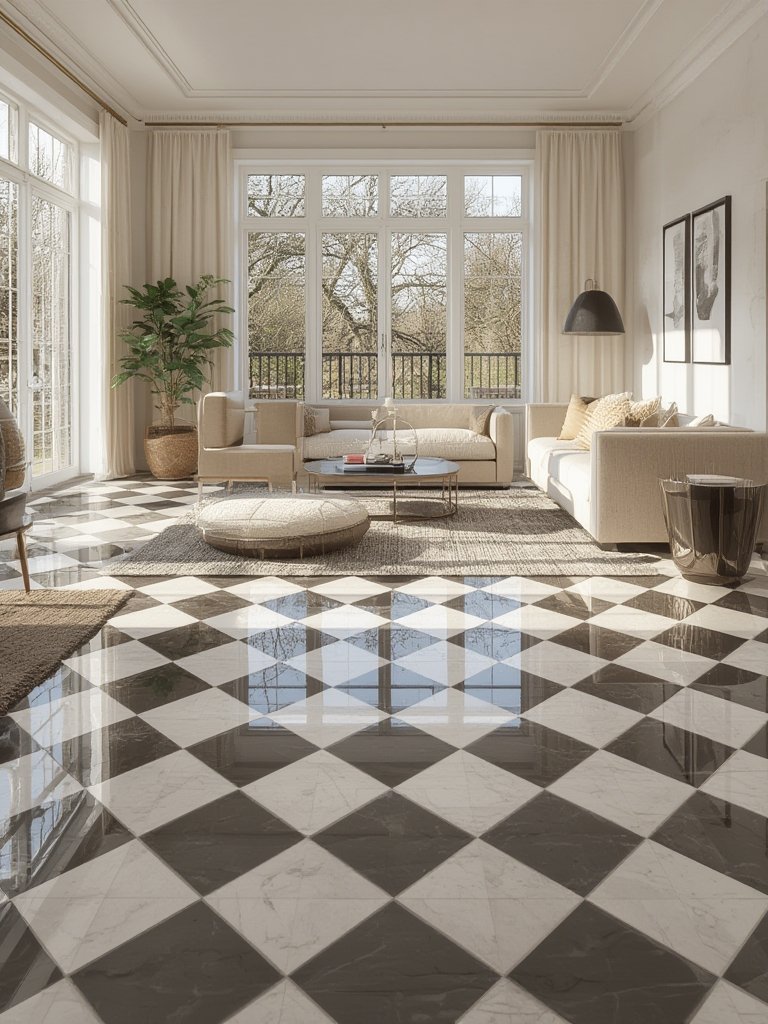
When upgrading your space for maximum longevity, pairing a reliable tile install with simple home improvement projects is a cost-effective way to boost overall value without a whole-home renovation.
Conclusion
The checkerboard floor tile pattern delivers unmatched visual variety and classic appeal, but successful installs depend on precise planning and thoughtful material choices. Whether using ceramic for high-traffic durability or experimenting with bold colors beyond black and white, this flooring technique can work in virtually any home style. Just remember: straight lines, careful prep, and choosing the right product for your application make all the difference. Ready to give your home a style boost with a checkerboard floor tile pattern? Start planning your layout and see the impact for yourself.
Frequently Asked Questions
Is the checkerboard floor tile pattern going out of style?
No. While it’s a classic, checkerboard floor tile pattern is enjoying a resurgence thanks to both traditional and modern design trends in 2024. Terra-cotta versions, in particular, are trending (source).
What size tiles work best for a checkerboard floor?
Most projects use 12×12 inch tiles for balance between visual clarity and easy installation. Smaller tiles suit compact bathrooms or mudrooms, while large-format tiles create a dramatic, streamlined effect in open spaces.
How can I avoid grout staining in black and white checkerboard floor tile patterns?
Choose darker grout to reduce visible stains, especially for high-traffic areas. Clean spills immediately and periodically reseal grout lines for ceramic or porcelain installations.
Can I create a checkerboard pattern with peel-and-stick vinyl tiles?
Yes, especially for temporary updates. Just ensure your subfloor is smooth and clean. Keep in mind that vinyl may be less durable than ceramic or porcelain in high-traffic or wet areas.
What’s the best way to clean and maintain checkerboard tile floors?
Use a neutral pH cleaner for ceramic or porcelain. Sweep regularly to avoid grit scratching the tiles. For sticky spills or grout maintenance, a soft-bristle brush works well.