


Table of Contents
Bamboo flooring vs hardwood is a debate every modern homeowner faces when choosing the right floor for style, durability, sustainability, and investment. With recent advances in strand-woven bamboo and tougher eco standards, the gap between these two flooring types has narrowed in some areas while widened in others. Let’s break down the facts for real-world decision making—no fluffy sales talk, just what works best for your home and budget.
Key Takeaways
- Strand-woven bamboo outperforms most hardwoods in hardness and scratch resistance, but quality significantly depends on the supplier.
- Maintenance demands for bamboo can be picky, and issues like formaldehyde emissions or supplier inconsistency aren’t always discussed.
- Cutting costs with low-grade bamboo can lead to fast wear, but with verified materials, bamboo is a clear sustainability win over hardwood.
What Makes Bamboo Flooring vs Hardwood Different?
When comparing bamboo flooring vs hardwood, you’re looking at two very different materials that sometimes look similar. Bamboo is technically a grass, rapidly renewable, and increasingly engineered for residential durability. Hardwood, by contrast, is cut from mature trees, with species choices affecting price, appearance, and resilience. The main differences come down to hardness, moisture behavior, cost, sustainability, and surface performance over time.
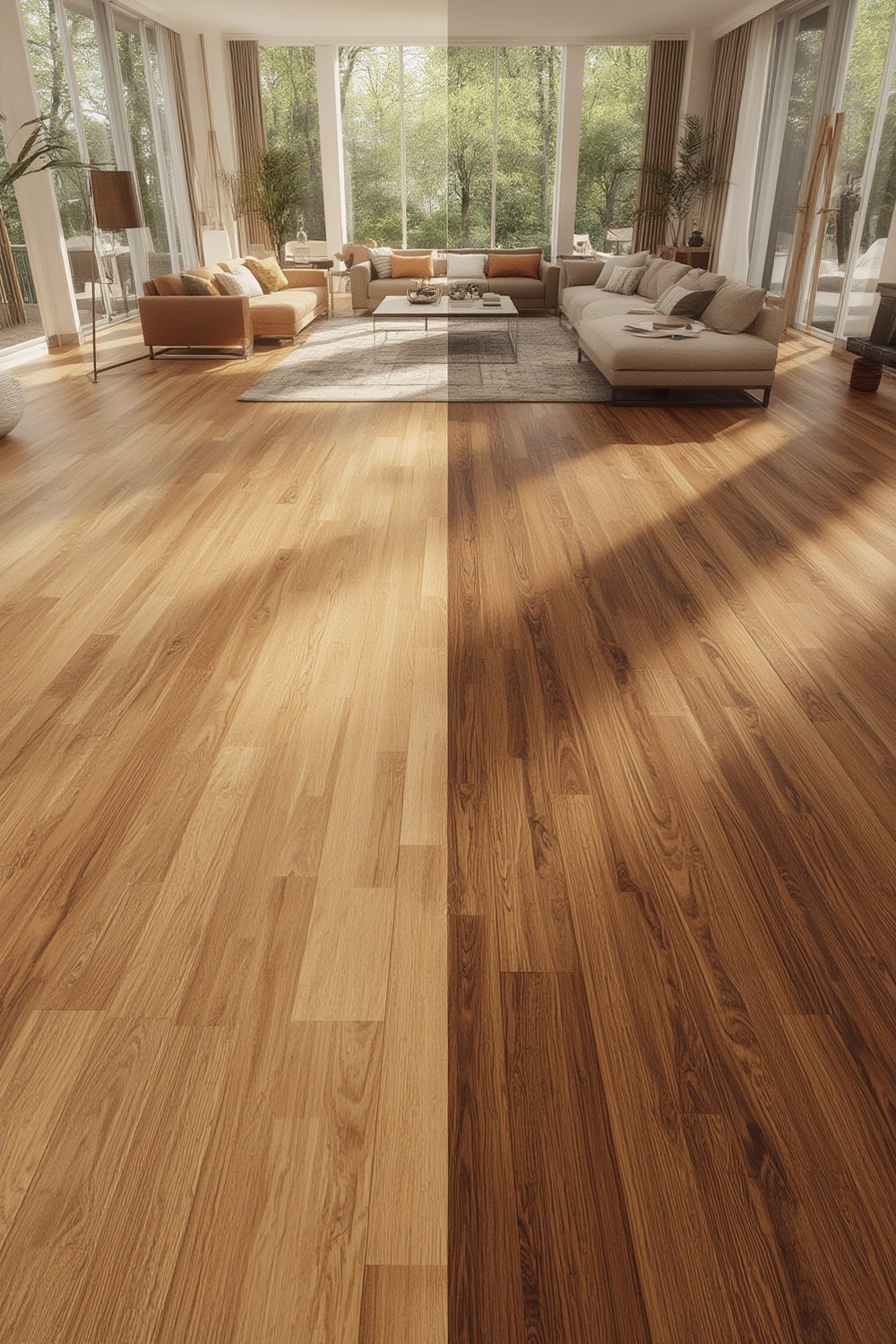
Hardness and Durability: The Janka rating is the industry benchmark for measuring flooring resilience. Strand-woven bamboo now regularly achieves Janka ratings between 3,000 and 5,000, making it harder than elite hardwoods like hickory (about 1,825), oak, or maple. Standard vertical or horizontal bamboo matches hickory but lags behind strand-woven types.
Environmental Impact: Bamboo regrows in 3-6 years, while hardwood trees can take more than 50 years to mature. Bamboo’s short harvest cycle dramatically reduces its carbon footprint. Top brands now use FSC-certified sources and formaldehyde-free adhesives, while closed-loop water systems are becoming common in advanced production. In contrast, hardwood’s slow replenishment means greater risk of deforestation and less favorable sustainability metrics.
Look and Feel: Premium strand-woven bamboo now mimics the grain and tones of classic woods, but some options carry a distinct linear appearance. Hardwood has a timeless appeal and diverse species/grain options that can be sanded and refinished many times, giving it an edge in long-term replacement value for some owners.
Price Considerations: Bamboo’s upfront cost is almost always lower. Strand-woven bamboo’s price-to-performance ratio makes it popular for families, rentals, and eco-conscious buyers. However, poor-quality bamboo costs more long-term in repairs and replacements than solid hardwood, so always buy from reputable, transparent suppliers.
For a different perspective on wood in home projects, see our deep-dive on oak vs walnut furniture and avoid the most common wood-buying errors.
Step-by-Step Guide: How to Choose and Install
Making the right decision between bamboo flooring vs hardwood involves a mix of research, supplier verification, and understanding the needs of your region or home use case. Here’s how to go about it:
- Assess the room’s traffic, humidity, and sun exposure.
- Strand-woven bamboo is best in high-traffic family spaces.
- Carbonized bamboo is softer and suited for bedrooms or studios, where foot traffic is low.
- For sunny rooms, prioritize engineered bamboo or UV-finished hardwood for better fade resistance.
- Check maintenance realities.
- Bamboo floors should have humidity monitored (keep at 35–55%).
- Wipe up spills immediately—bamboo is susceptible to water damage.
- Hardwood can be refinished multiple times, while most modern bamboo only allows 1–2 sandings before the wear layer is gone.
- Compare installation costs and needs.
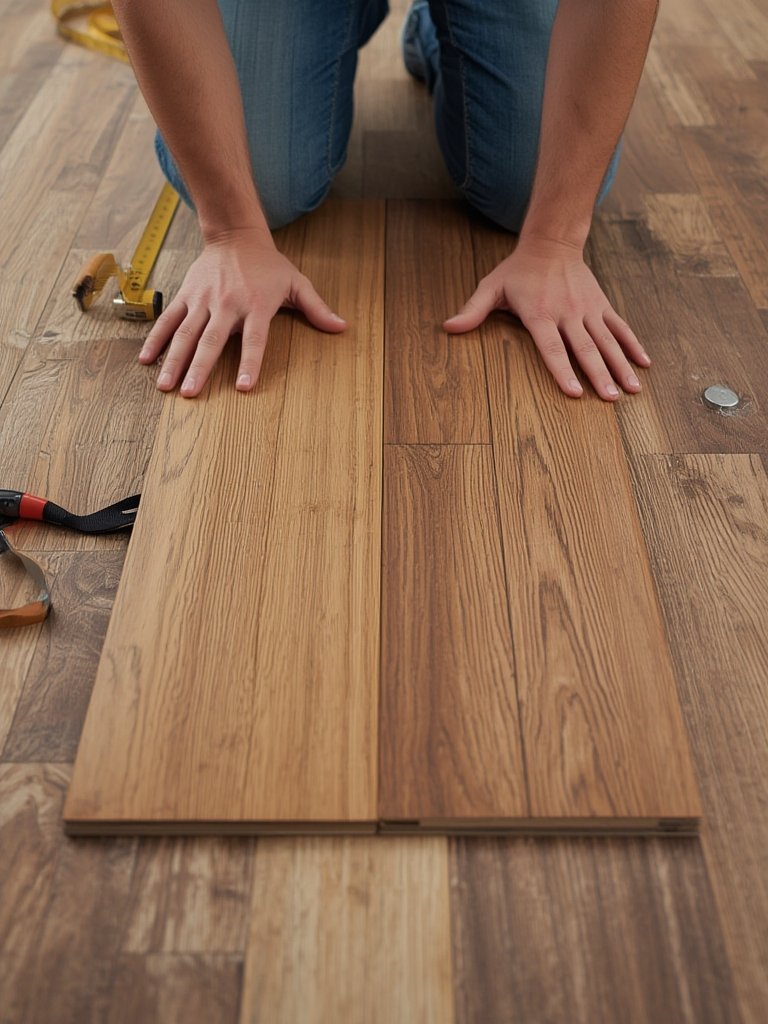
- Both bamboo and hardwood require 3/8″ expansion gaps and professional acclimation. Bamboo needs 10-14 days to adjust to your indoor climate, especially in dry regions.
- Edge sealing and careful placement are critical in kitchens or near entryways.
- Prioritize reputable, eco-certified suppliers.
- Ask for details: source age (5–7-year Moso bamboo is premium), moisture content (6–8% is best), and resin type (avoid high-formaldehyde products).
- Check for gaps or color inconsistencies in sample planks—red flags for poor manufacturing.
- Plan for long-term repairs or replacement.
- Strand-woven bamboo repairs are less frequent but can cost $5–$7 per square foot if planks are damaged.
- Hardwood often demands more upkeep, but is easier to touch up or refinish—if you’re handy, see our guide to refinishing wooden furniture.
Bonus: If you’re looking to maximize home value across small spaces, see our smart small home improvement ideas for upgrade inspiration.
For pet-friendliness, bamboo performs well—but claws or playtime can expose surface checking in lower-quality bamboo. Check our pet essentials for small homes for more ways to protect both floor and furry friends.
Advanced Analysis & Common Pitfalls
The growing popularity of bamboo flooring vs hardwood means more options, but also more ways to make costly mistakes. Let’s break down the realistic issues most buyers encounter, supported by 2024 data.
| Feature | Strand-woven Bamboo | Carbonized Bamboo | Traditional Hardwood |
|---|---|---|---|
| Janka Rating | 3,000–5,000 | ~1,200–1,800 | 800–3,700 (Red Oak 1,290 / Hickory 1,825) |
| Moisture Resistance | Good (with acclimation) | Poor | Fair to Good (species dependent) |
| Scratch Resistance | Excellent (92% scratch-free after 5 yrs) | Low | Moderate–High (depends on finish and species) |
| Longevity | 30–40 years | 15–25 years | 30–100+ years |
| Refinish / Recoat | 1–2 sandings max | Rarely practical | Many times |
| Formaldehyde / VOC Risk | Low if certified | Higher in cheap imports | Usually low, but varies by finish |
| Cost per Sq Ft (2024) | $4–$9 | $3–$7 | $6–$15+ |
What Can Go Wrong (and How to Prevent It)
- Formaldehyde Emission: Not all bamboo is low-VOC. Imported, low-grade products can hide high formaldehyde emissions. Always verify third-party certifications or choose North American suppliers like those referenced at This Old House.
- Regional Acclimation Gaps: In drier inland areas, floors must be acclimated and installed with up to 10% wider gaps—many articles gloss over this, but humidity swings can distort panels fast. See expert tips on climate adaptation if you’re in a high-variation region.
- Supplier Inconsistencies: The age and moisture of bamboo at harvest matter. Young, over-moist planks (8–12%) are prone to softness and instability. Opt for 5–7-year-old Moso bamboo, ideally around 6–8% moisture, to minimize these failure risks.
- UV Fading and Surface Checking: Horizontal-grain bamboo and all but the best strand-woven varieties lack strong UV resistance—they can fade by up to 40% more than hardwood if exposed.
- Installation Mistakes: Short-cuts on expansion gaps, subfloor leveling, or moisture barriers with bamboo—especially in engineered installations—cause gapping and edge-cupping issues faster than with hardwood. Always vet installers (or follow best practices strictly if DIY).
Bamboo’s environmental case is strong, but only if you select flooring verified as FSC-certified and formaldehyde-free, as required by reputable suppliers. For more eco-focused furniture and flooring, see our eco-friendly furniture materials guide.
Conclusion
Choosing bamboo flooring vs hardwood comes down to balancing up-to-date performance (Janka, moisture, fade), verified supplier credentials, and your own long-term priorities for cost, care, and climate. For most homes, modern strand-woven bamboo offers better impact and scratch resistance, sustainability, and value—but only when sourced with transparency. Hardwood remains the top choice for those seeking deeply traditional aesthetics, ultimate resale value, or floors to refinish many times over decades. Opt for quality, ask tough questions of suppliers, and never install without climate-specific precautions.
Ready to upgrade your space? Explore more affordable home transformation ideas or get step-by-step advice on protecting your new flooring investment. Invest wisely for lasting beauty and sustainability.
Frequently Asked Questions
Is strand-woven bamboo really harder than hardwood flooring?
Yes. Strand-woven bamboo routinely scores Janka ratings between 3,000–5,000, while most North American hardwoods like oak or hickory rate below 2,000. This makes top-quality strand-woven bamboo a dent and scratch-resistant leader.
Does bamboo flooring emit formaldehyde or other VOCs?
It can if the flooring uses lower-grade or non-certified adhesives, especially in some imports. Always check for formaldehyde-free certification and request third-party test results from your supplier.
How often does bamboo need to be recoated or refinished?
Recoating is typically suggested every 7–10 years for strand-woven bamboo. Unlike hardwood, most bamboo floors can only be sanded and refinished once or twice due to thinner wear layers.
Which is better for resale value, bamboo flooring or hardwood?
Hardwood has the edge for high-end resale in classic markets, but well-maintained strand-woven bamboo now competes in value—especially for eco-aware buyers and modern homes.
What rooms should I avoid installing bamboo flooring in?
Avoid full bathrooms, damp basements, or laundry areas. Bamboo is more vulnerable to prolonged moisture than most hardwoods, even when properly sealed.