


Table of Contents
Revised Version With Corrected Keyword Density
Aspiring Furniture Makers often face high tool costs, but setting up a functional workshop doesn’t have to be expensive. This article covers essential tools, affordable alternatives, budget-friendly shopping tips, and practical strategies to help beginners start furniture making without breaking the bank.
Understanding Essential Furniture Making Tools
For Aspiring Furniture Makers, understanding the core tools that form the backbone of a workshop is the first step toward building skill and confidence. Every productive workspace relies on essential tools that shape, join, and refine wood into functional and beautiful pieces.
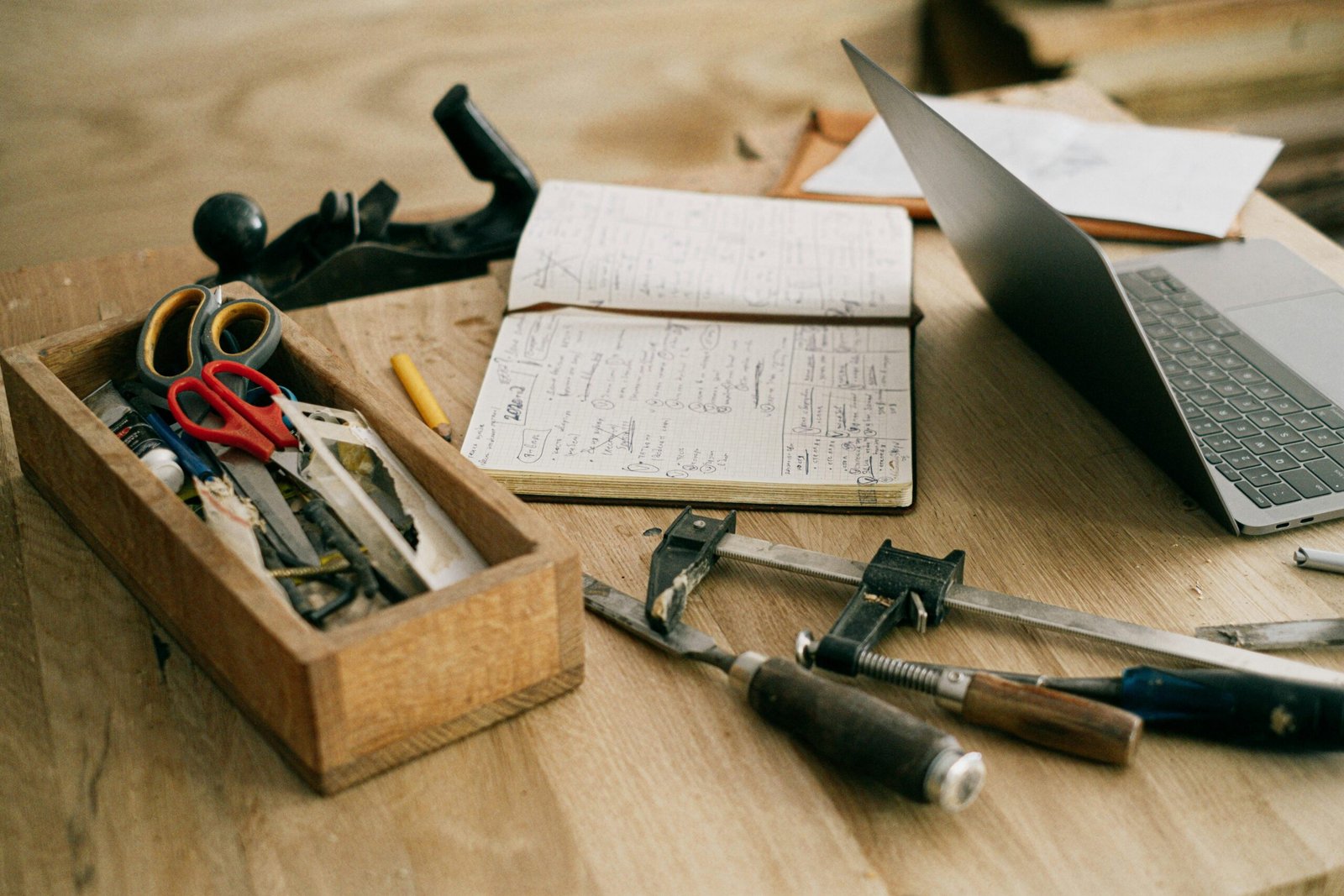
Hand tools such as saws, chisels, hammers, and planes have been relied on for centuries. They remain especially valuable for Aspiring Furniture Makers because they develop precision, technique, and an appreciation for craftsmanship. Power tools like circular saws, drills, routers, and sanders offer speed and efficiency—features that help beginners complete projects more smoothly while learning the fundamentals.
Together, these categories give Aspiring Furniture Makers the flexibility to tackle everything from simple shelves to more advanced furniture projects.
Among the must-have tools, saws are central. A reliable hand saw creates clean straight cuts, while specialized saws like dovetail or back saws excel in joinery work. Chisels are essential for carving, cleaning joints, and shaping wood with accuracy. Hammers extend beyond nails—they help tap joints together gently and adjust misaligned parts.
Planes, whether block planes or jack planes, smooth and flatten wood, turning rough boards into high-quality stock. Measuring tools such as squares and marking gauges support accuracy, preventing mistakes that cost both time and materials.
While it’s tempting to buy everything at once, Aspiring Furniture Makers benefit greatly from prioritizing foundational tools first. A small, carefully chosen toolkit can achieve excellent results while leaving room for future upgrades.
Finding Affordable Alternatives
One of the biggest challenges for Aspiring Furniture Makers is gathering tools without overspending. Fortunately, affordable options—including second-hand tools—can dramatically cut costs without sacrificing function.
Thrift shops, estate sales, and local garage sales often carry high-quality vintage hand tools that outperform some modern budget versions. Online marketplaces like eBay and Facebook Marketplace are also great sources for bundles and lightly used power tools. Many Aspiring Furniture Makers discover that restoring old tools is not only cost-effective but deeply rewarding.
Buying second-hand stretches budgets further, allowing beginners to invest in essential tools while still saving for future workshop upgrades.
DIY Tool Hacks for the Cost-Conscious
Many Aspiring Furniture Makers use DIY hacks to replace expensive tools with clever homemade solutions. Old credit cards become glue spreaders. Wooden scraps turn into sanding blocks. Modified clothespins act as tiny clamps. With creativity, these cost-effective substitutes offer real value and help beginners stay productive while building skills.
Always prioritize safety and durability when creating homemade tools—substitutions should never compromise project quality or personal safety.
Balancing Quality and Cost
A key skill for Aspiring Furniture Makers is learning when to save and when to invest. Cheap tools that break quickly become more expensive over time, so focusing on durability and good construction is essential.
Brands like Stanley, Irwin, Makita, and Craftsman offer reliable performance at reasonable prices. Seasonal sales, refurbished tools, and open-box deals provide more opportunities to stretch your budget. Proper tool maintenance—cleaning, oiling, and sharpening—ensures even budget tools last for years.
Building a Budget-Friendly Workshop
Organizing an efficient workshop is just as important as owning tools. Aspiring Furniture Makers benefit from planning zones for cutting, assembly, and finishing—even in small spaces. Vertical storage using pegboards, shelves, and bins maximizes room while keeping tools accessible.
Multi-functional tools are especially valuable when budgets are tight. A good drill can handle multiple tasks with the right attachments, and a circular saw can perform many cuts when guided properly. Safety equipment—goggles, gloves, dust masks—should be a priority for every workshop, regardless of budget.
With strategic planning, even a small corner of a room can become a productive woodworking space.
Conclusions
Equipping a workshop doesn’t have to overwhelm your budget. By choosing the right tools, exploring second-hand options, using clever DIY solutions, and focusing on quality where it matters, Aspiring Furniture Makers can build an efficient, inspiring workspace without overspending. With patience and smart planning, beginners can grow their skills and create beautiful furniture while maintaining a practical budget.