



Table of Contents
Sustainable kitchen products are changing the way we cook, clean, and organize—cutting plastic waste and shrinking our homes’ environmental impact. But not every green product is truly eco-friendly, cost-effective, or easy to use. Here’s what you actually need to know before making the switch.
Key Takeaways
- The sustainable kitchen market is growing fast worldwide, driven by stricter regulations and changing consumer preferences.
- There is a lack of user-reported data on cost, durability, and measurable eco-impact—be realistic with expectations when starting your transition.
- Focus on renewable materials, thoughtful product selection, and careful research (not just green marketing claims) to maximize real sustainability in your kitchen.
What Are Sustainable Kitchen Products and Why Do They Matter?
Sustainable kitchen products are tools, utensils, appliances, and materials made with the goal of reducing environmental damage throughout their lifecycle. This typically means fewer plastics, more renewable materials like bamboo or reclaimed wood, and products designed for reusability and energy efficiency. Making responsible choices in your kitchen can drastically cut down household waste and conserve resources—especially if you live in regions where regulations and incentives support sustainable living.
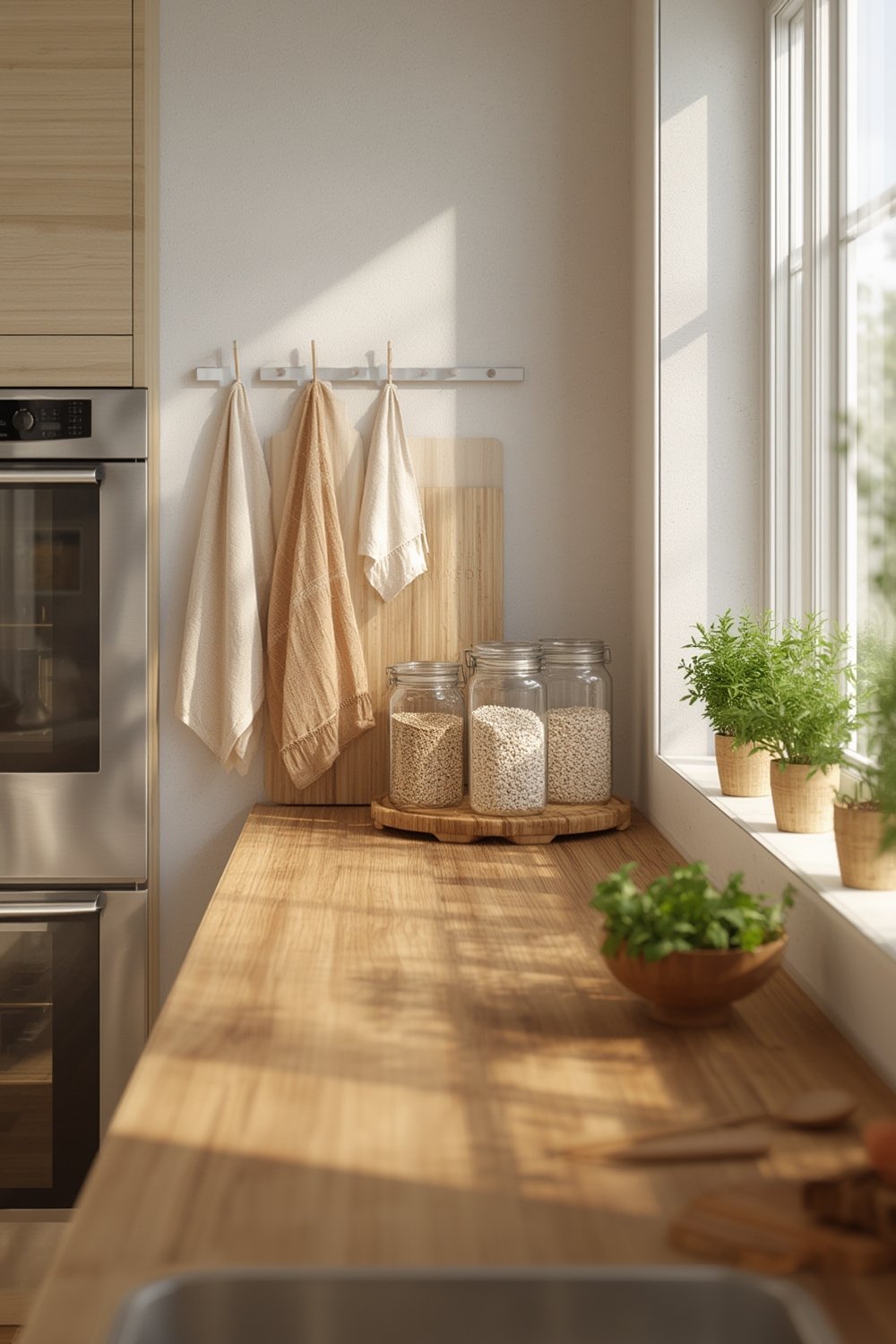
In 2024, the global market for sustainable kitchen products reached around USD 12.5 billion. Europe is currently leading adoption, largely due to strict rules on energy efficiency and waste reduction. The Asia Pacific region is the fastest-growing, thanks to urbanization and rising incomes, with the rest of the world catching up. Consumers are also searching for a more energy efficient kitchen, with products like low-energy fridges and sustainable dishwashers growing ever more popular.
Why care? Your kitchen is one of the most resource-intensive rooms at home—ingredient packaging, single-use cleaning tools, and constant appliance usage add up. A move to sustainable products isn’t just an eco-trend—it’s a practical way to minimize household waste, potentially lower your carbon footprint, and save money over time if you choose wisely.
If you’re also interested in other eco-friendly areas of your home, discover space-saving ideas in our Space Saving Ideas for Small Homes guide.
How to Transition to a Sustainable Kitchen: Step-by-Step Guide
Shifting to a sustainable kitchen doesn’t require throwing everything out overnight. Here are realistic, actionable steps to make the transition smoother and smarter:
- Do an Inventory Audit. Assess what you already have and identify single-use plastics and energy hogs. Avoid tossing usable items unless they’re truly dangerous or broken—use them up or donate first.
- Replace Disposables Gradually. Start with the most wasteful categories: plastic wrap (swap for beeswax wraps), single-use scrubbers, and paper towels. Invest in reusable silicone lids, organic cotton cloths, or compostable sponges.
- Prioritize Multi-Use and High-Impact Swaps. Choose durable items, like stainless steel containers over plastic, glass storage instead of disposable bags, and cast iron or recycled aluminum pans. These last longer and can often be recycled at the end of life.
- Think “Repair, Not Replace”. Whenever practical, fix or upcycle what you own. Oil your wooden utensils, polish faded cutting boards, and repair chipped ceramic before tossing anything.
- Before You Buy—Research Materials & Origins. Look for renewable or recycled materials (bamboo, cork, recycled glass/steel). While third-party certifications are rare, seek FSC-certified wood or products that comply with energy standards, especially in Europe.
- Choose Energy-Efficient Appliances. Major upgrades? Consider switching to energy efficient kitchen tools and appliances to reduce power use and utility costs long-term.
- Compost and Reduce Food Waste. Install a kitchen compost bin and make use of food scraps. Smart storage and batch cooking also help limit waste.
- Opt for Local and Bulk Products. Where possible, buy pantry staples in bulk using your own containers—and choose local produce to minimize packaging and food miles.
- Learn to Recycle Right. Each region’s rules differ—research your local recycling guidelines to avoid “wish-cycling” (placing the wrong things in the bin).

For a deep dive on kitchen efficiency and organization, don’t miss our guide on Modern Small Kitchen Design.
Concerned about sustainable choices outside the kitchen? Explore Pet Essentials for Small Homes to stay eco-friendly with your furry friends, too.
Advanced Analysis & Common Pitfalls: What Most Guides Ignore
Most articles about sustainable kitchen products highlight benefits but skip important realities. Here’s what the research actually reveals (and doesn’t):
Missing Data & Realistic Barriers
- User complaints are underreported. While the move to a plastic free kitchen is often praised, there’s little hard data about real-world issues—like how bamboo utensils sometimes split, or stainless storage containers might leak.
- Upfront costs are higher. Sustainable kitchen tools can cost more initially, though exact figures are hard to pin down. While you might recoup costs over years of use, expect a bigger up-front investment.
- No direct evidence of savings. There’s no publicly available data quantifying long-term savings versus traditional products. While energy-efficient appliances may save on bills, yearly comparisons for tools and utensils have yet to be established.
- Environmental benefits are rarely quantified. You’ll find lots of claims—fewer carbon emissions, less landfill waste—but few studies directly measure the CO2 savings from household-level swaps. General consensus: renewable and recycled materials help, but avoid overhyping small changes.
- Certifications often missing. Most sustainable kitchen products lack clear eco labels. Look for FSC, PEFC, or energy ratings—but many brands only mention “natural” without formal third-party validation.
| Issue | Traditional Products | Sustainable Alternatives | Potential Downside |
|---|---|---|---|
| Upfront Cost | Low to moderate | Moderate to high | May deter initial switch |
| Leakage/Durability | Depends (usually reliable) | Varies (bamboo, recycled materials may fail faster if low quality) | Higher replacement rate if quality is poor |
| Certifications | Widely available (plastics, appliances) | Rare for utensils/tools; common for energy appliances (EU) | Difficult to verify green claims |
| End-of-life Disposal | Often landfill | Compostable/recyclable (ideally) | Local recycling may not process certain items |
For more on eco materials—and which are genuinely safer—study our Eco-Friendly Furniture Materials Guide.

Conclusion: Is a Fully Sustainable Kitchen Possible?
Sustainable kitchen products are a practical way to lower waste, conserve energy, and support environmental health, especially if you focus on high-quality, long-lived swaps. However, the journey is not always straightforward. Expect some higher upfront costs, be skeptical of unverified marketing, and understand that some benefits, especially emissions savings, are not yet fully measurable. Ultimately, combining smart product choices with thoughtful usage habits will make the most difference—for both the planet and your wallet.
Ready to start building your own sustainable kitchen? Audit your tools, research before you buy, and upgrade step by step. Explore more space-saving and efficient kitchen ideas in our small kitchen storage guide. Begin your eco journey today with sustainable kitchen products that match your needs and values.
FAQ: Sustainable Kitchen Products
What counts as a sustainable kitchen product?
Sustainable kitchen products are made from renewable, recycled, or responsibly sourced materials and are designed to last longer, create less waste, and perform efficiently. Typical examples include glass storage jars, bamboo utensils, and energy-efficient appliances.
Are sustainable kitchen products really better for the environment?
Generally, yes—especially when you avoid unnecessary replacements and choose items that reduce single-use waste or require less energy. However, the exact environmental benefits depend on your choices and local recycling or composting capabilities.
Why are sustainable kitchen products often more expensive upfront?
They usually cost more because renewable or recycled materials and small-batch production methods raise manufacturing costs. However, good products last longer and may save money over years of use, particularly for higher-quality items or appliances.
What are the biggest pitfalls to avoid when buying sustainable kitchen tools?
Look out for unverified green claims, lack of certifications, and products that may be less durable than they appear. Research the supplier, read independent reviews, and don’t be afraid to invest a bit more for genuine quality.
Do sustainable kitchen products require special care?
Some, such as bamboo and wooden utensils, last longer with regular oiling and gentle washing. Stainless steel items are generally reliable, but always follow the care instructions to maximize product lifespan.

[…] storage ideas to maximize space with your new induction setup. For eco-focused upgrades, explore sustainable kitchen products for greener cooking beyond the stove […]