



Table of Contents
Smart oven recipes are transforming how home cooks prepare meals, bringing automation, precision, and connected convenience to everyday kitchens. Whether you’re curious about hands-off cooking, want to upgrade your appliance game, or crave tailored meals with less guesswork, it’s time to get practical about what works—and what doesn’t—in the world of smart ovens.
Key Takeaways
- The smart oven market is booming, with WiFi-enabled models leading due to their convenience and energy savings of up to 21%, though initial costs are higher than traditional ovens.
- There’s a shortage of detailed analysis on common smart oven recipe challenges and which meals users cook most, but AI-driven personalization and remote app control are key trends.
- Actual user frustrations and feature comparisons are rarely covered in competitor guides—so knowing pitfalls, cost realities, and model nuances is crucial for smart home cooks.
What Are Smart Oven Recipes and Why Are They Trending?
Smart oven recipes are directions specifically designed for WiFi-connected or app-controlled ovens. These appliances—powered by AI, sensors, and remote programming—take care of temperature, time, and even meal recommendations, reducing the need for manual input and improving consistency. As the global smart oven market hit $2.4 billion in 2024 and enjoys double-digit annual growth, more home cooks want to know if smart oven recipes actually live up to the hype or it’s mostly marketing spin.
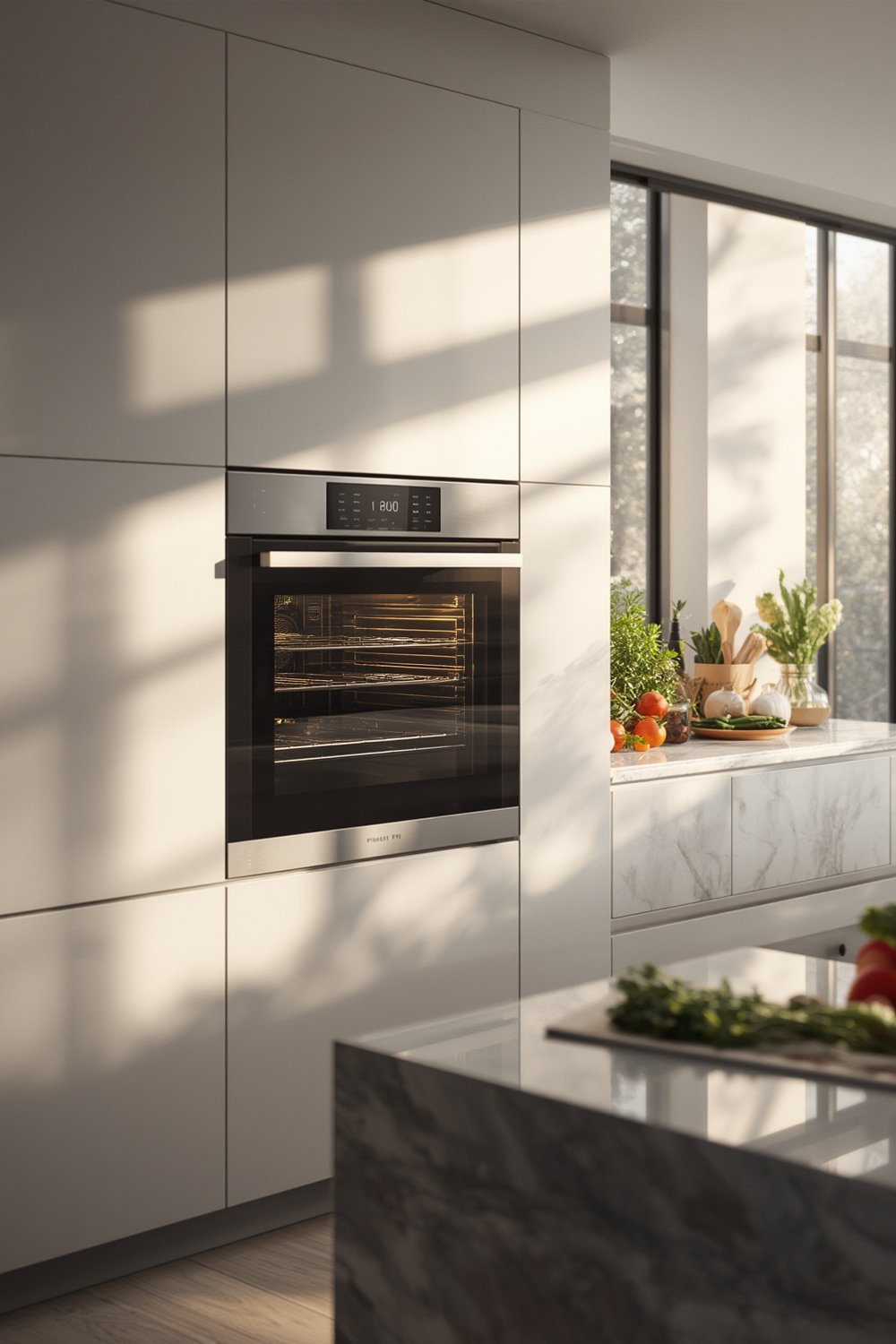
What’s driving the buzz? Urban and tech-forward households show the fastest adoption rates, with over 50% projected to own at least one smart kitchen device by the end of 2025. Residential use now makes up nearly 75% of all AI oven sales, and countertop WiFi-enabled ovens claim 40% market share due to their versatility and remote-control features [source]. AI-powered ovens can recommend or even select optimal recipes and settings, and many sync with smart speakers (Alexa, Google Assistant) for true hands-off operation.
For busy families, singles, and anyone wanting less “stand-and-stir,” smart oven recipes promise convenience. But precision, efficiency, and the novelty of app-connected cooking matter, too. If you’re after concrete steps to get the most out of smart oven recipes—and want the real-world reality check—read on.
How to Cook Perfect Smart Oven Recipes: A Step-by-Step Guide
Most smart oven recipes follow a structure, whether you’re trying app-curated meals, specialty presets, or customizing your own. Here’s exactly how to start—and what to tweak for better culinary results.
- Unbox and Set Up the Smart Oven
- Follow the manufacturer’s guide for assembly.
- Connect to WiFi and pair the oven with its dedicated app.
- Download and Explore Pre-Loaded Smart Oven Recipes
- Open the oven’s app and browse curated, app-friendly recipes—often filtered by dietary needs, cuisine, or prep time.
- Personalize recipe recommendations where AI allows, using ingredient preferences or cooking history if available.
- Prepare Ingredients as Listed in the App
- Some smart ovens feature “guided cooking,” prompting you step-by-step. Others rely on you to do prep.
- Mis-measured ingredients or skipped prep are common smart oven mistakes. Double-check measurements and tools first.
- Select or Program Recipe via the App
- Choose from the pre-installed recipes or upload your own.
- Use customization settings if your oven allows: adjust doneness, crispness, or portion size for better results.
- Monitor Cooking Remotely
- Most smart ovens let you track progress, pause, or adjust settings via phone.
- Enable notifications for recipe completion, errors, or prompts to stir/flip (when relevant).
- Finish, Plate, and Save Recipe Records
- Once done, follow the app’s serving and rest time prompts for best results.
- If you liked the meal, save settings or write notes for next time—good models let you store variations.
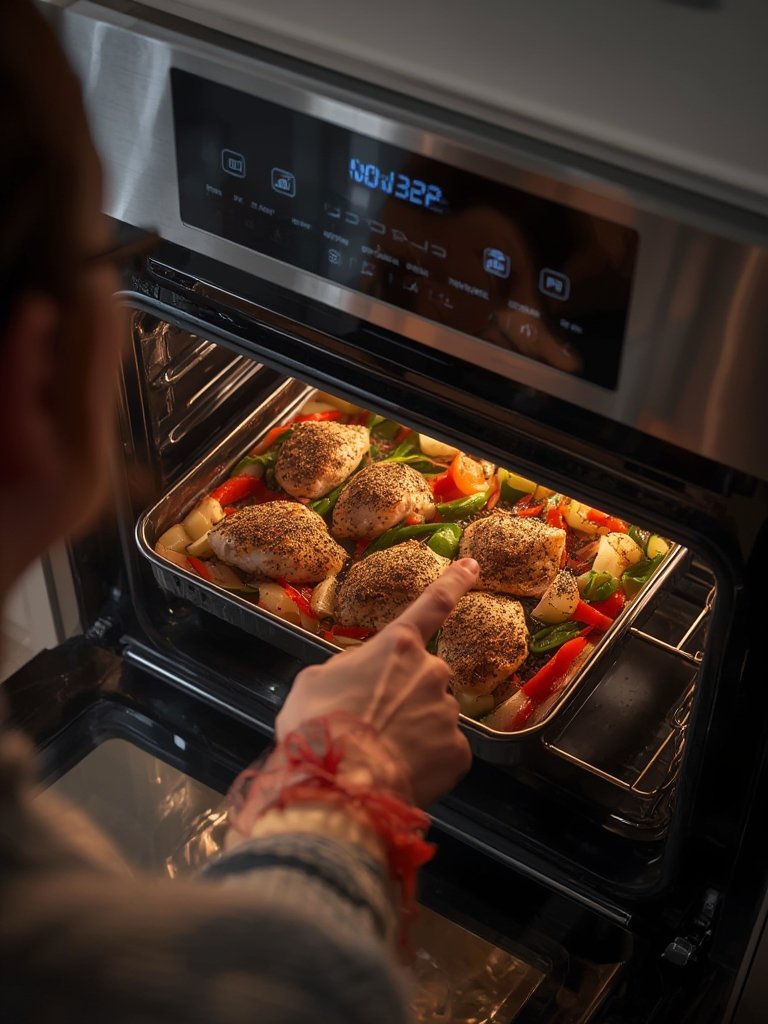
For energy savings, use batch-cooking smart oven recipes that combine multiple dishes at once. AI cycles can cut power bills by up to 21%—great for regular meal preppers [source].
Integration with smart speakers (Alexa, Google Assistant) lets you control cooking, check timers, and request help, hands-free. Explore these features even if you’re not a techie—they unlock real convenience when juggling multiple tasks or rooms.
Finally, clean your smart oven regularly, especially sensors and crisping trays, to avoid recipe failures. Some models come with maintenance schedules or alerts right in the app.
Looking to get the most from your connected kitchen? Check out our smart kitchen appliances guide for in-depth tips and unbiased product breakdowns.
For compact kitchens or apartments, pair your smart oven approach with modern small kitchen design ideas to maximize space and efficiency at home.
Advanced Analysis and Common Pitfalls of Smart Oven Recipes
Smart ovens are powerful but not perfect. Here’s what research and real-world experience reveal—so you avoid common frustrations and maximize your investment.
- Lack of Recipe Consistency Across Brands: Not all smart oven recipes are cross-compatible. A recipe optimized for one oven may not translate seamlessly to another, especially when unique features are involved.
- Learning Curve: Tech-averse users struggle with initial WiFi setup, app syncing, and updating firmware. Don’t underestimate the time needed to learn each oven’s quirks.
- Recipe Library Limitations: Unlike air fryers, where thousands of skin-on recipes are available (see air fryer recipes guide), many smart oven apps have limited or generic recipe databases by default.
- No Published Data on Top Recipe Types: Reports cite AI-driven personalization, but offer no specifics whether users favor pizzas, roasts, or baked goods [source]. You’ll need to experiment or join community forums for meal inspiration.
- Cost Considerations: Smart ovens carry a premium compared to traditional models, with initial investment sometimes double. However, energy-efficient AI cycles use up to 21% less energy, offsetting costs over time [source].
- Tech Reliability: While WiFi ovens dominate, reports don’t specify which brands or models have the most stable connections for app or voice control. If your WiFi is patchy, recipe results and remote monitoring may falter.
- Few Reported Safety Issues: So far, no publicized incidents or recalls relate to smart oven privacy or hardware safety [source]. Still, secure your home network and be careful with remote on/off controls.
| Smart Oven Recipes | Traditional Oven Recipes |
|---|---|
| AI/automated temperature and time | Manual settings and guesswork |
| Remote monitoring & notifications | Manual check-ins only |
| App-based guided cooking, occasional limited recipes | Unlimited recipes, no tech barriers |
| Higher upfront cost; lower ongoing energy use (up to 21% savings) | Lower upfront cost; potentially higher energy use |
| Integrated with smart home, voice assistants | Standalone operation only |
Looking for more small home efficiency and organization tips that complement modern kitchen upgrades? Explore creative space-saving ideas for small homes and kitchen trash cans for a cleaner kitchen.
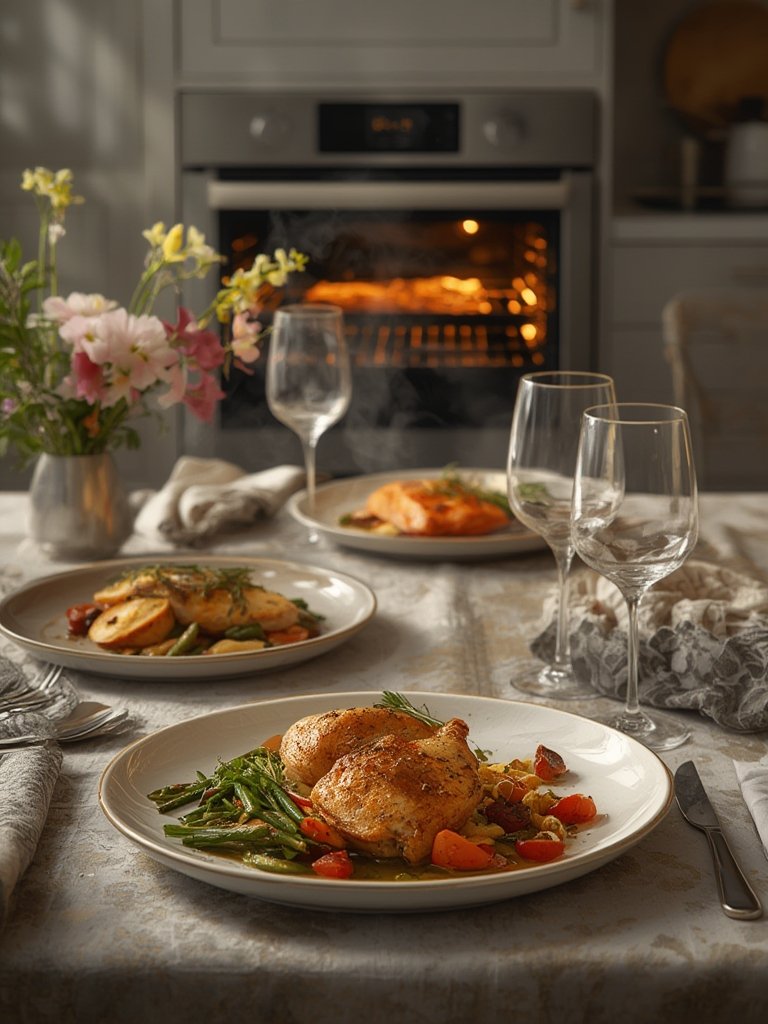
Want to save on utility bills? Consider bundling your workflow with energy-efficient routines outlined in our energy-efficient kitchen tools guide.
Conclusion
If you want consistent, efficient meals and are willing to navigate app updates and a learning curve, smart oven recipes can make kitchen life easier. They shine when paired with good ingredient prep and awareness of your appliance’s quirks. But premium costs and recipe library limitations mean you should set realistic expectations. Ready to elevate your cooking? Try smart oven recipes for stress-free home meals, and discover how a connected kitchen can fit your lifestyle. Start exploring recipe personalization and remote control features today.
Want even more automated and app-driven options for home comfort? Read about smart pet feeder choices for busy pet parents or get inspired by our simple home improvement projects for quick kitchen upgrades.
FAQ
Do smart oven recipes work in traditional ovens?
No. Smart oven recipes often rely on features like automatic temperature adjustment, multi-zone cooking, or app-synced timing. Traditional ovens lack these capabilities, so results may vary.
Is it safe to leave food cooking in a smart oven when I’m not home?
Generally yes, as smart ovens come with more safety sensors and remote monitoring—but always follow manufacturer guidance, and never disable safety notifications or alerts.
Can I upload my own recipes to a smart oven app?
Some models let you customize or upload favorite recipes, but features vary by brand. Check for compatibility and update your app regularly for the latest options.
What types of meals are best for smart oven recipes?
Batch dishes, sheet-pan dinners, and foods needing precise temperature control (like chicken or fish) benefit most from smart oven automation. Experiment with pre-set options to start.
How does energy usage compare to regular ovens?
Reports note up to 21% lower energy consumption for smart ovens using AI-driven cycles, so frequent cooks may see cost savings over time despite the higher purchase price.