


Table of Contents
slow feeder dog bowl use is rising fast among pet owners concerned about canine health and safety. If your dog gobbles food at record speed and you’re worried about bloat or digestive issues, read on. Here’s what really works—and what doesn’t—about slow feeder dog bowls based on recent research, hands-on experience, and what the market actually offers in 2024.
Key Takeaways
- Slow feeder dog bowls can extend meal times by 30-50%, helping to reduce gulping and its associated health risks—even though direct evidence for bloat prevention is still lacking.
- Maze or ridge designs are the most effective shape choices, but may frustrate some dogs at first; gradual introduction is key to success.
- No bowl is perfect—real-world use reveals cleaning challenges, adaptation hurdles, and a lack of formal standards for safety or dishwasher compatibility.
The Core Concept of Slow Feeder Dog Bowls
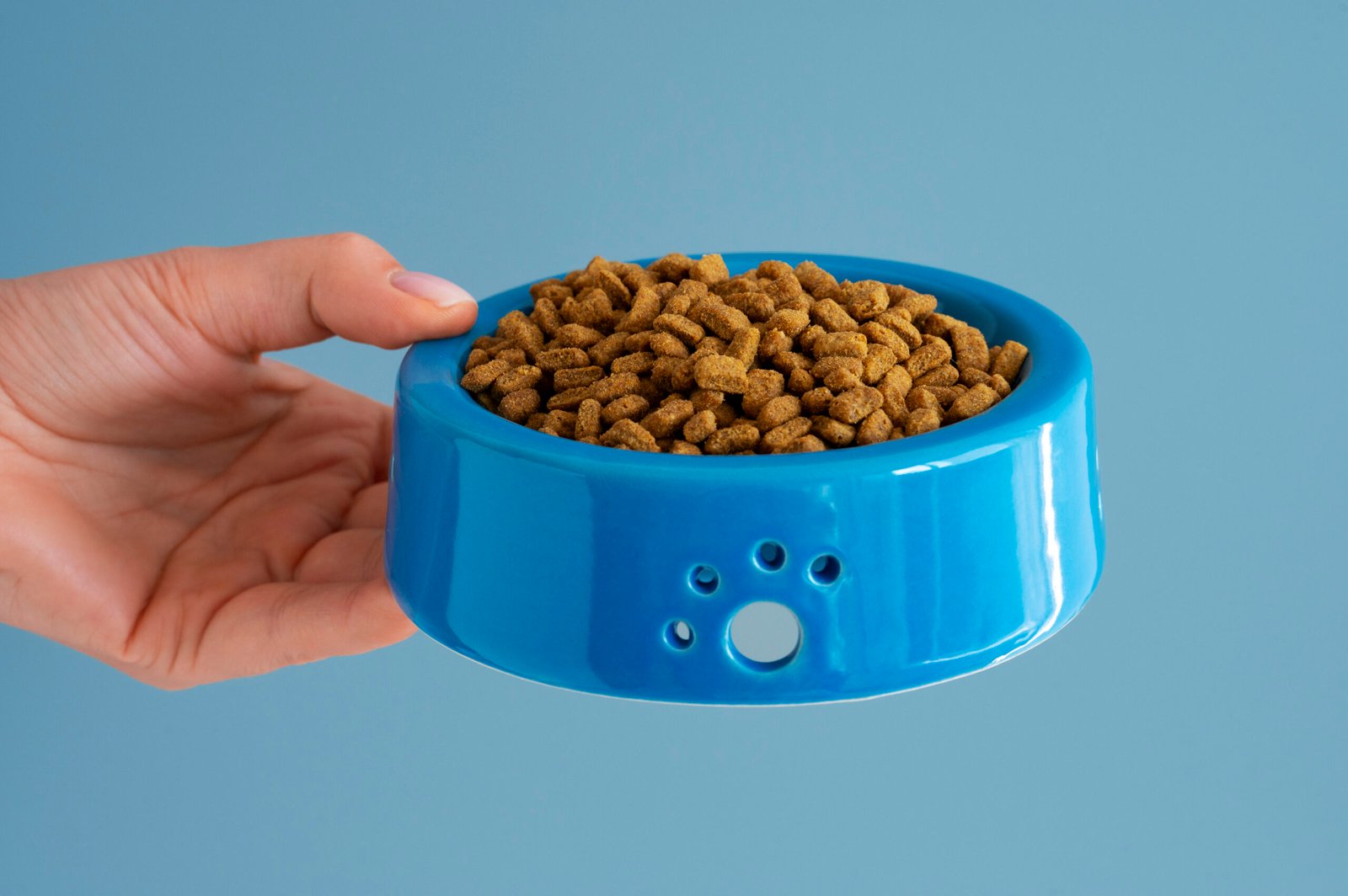
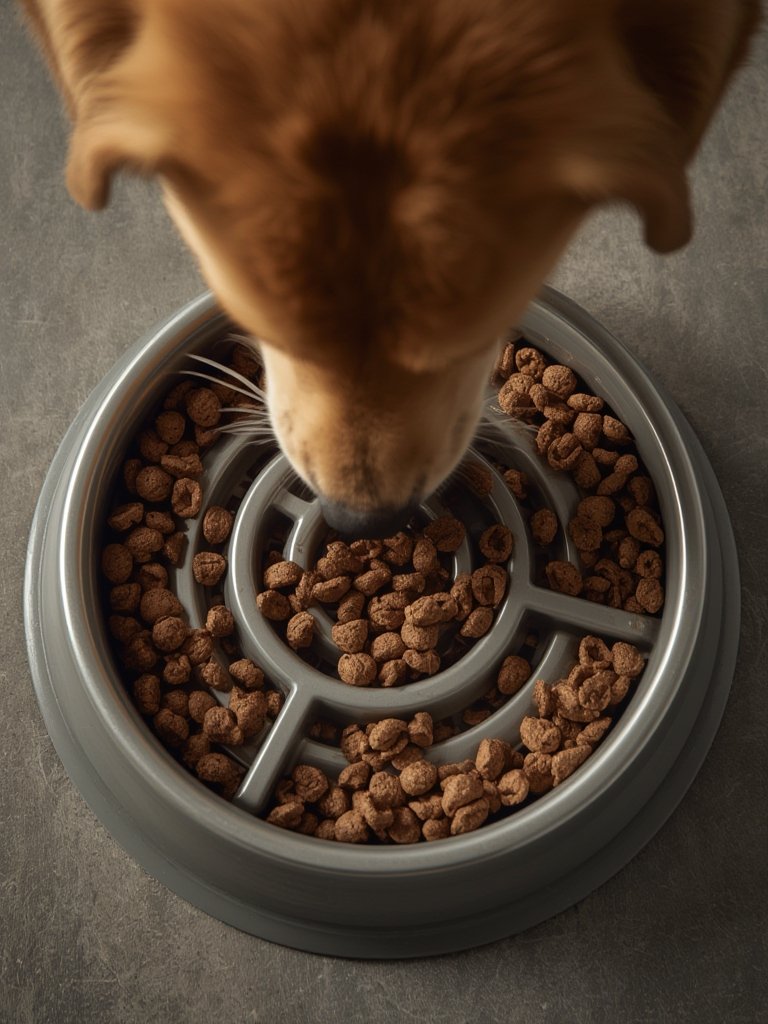
A slow feeder dog bowl is a specially designed feeding dish that helps dogs eat more slowly. It typically features a maze, ridge, or compartment layout, forcing your pet to navigate around obstacles to access their dish. The primary purpose: slow eating reduces the risk of choking, vomiting, gas, and possibly dangerous bloat (GDV), a condition more common in large or deep-chested breeds. While direct evidence for lowered bloat risk is still sparse, studies confirm that slow feeders make mealtimes last 30-50% longer versus regular bowls. More time chewing means less swallowed air and better digestion.
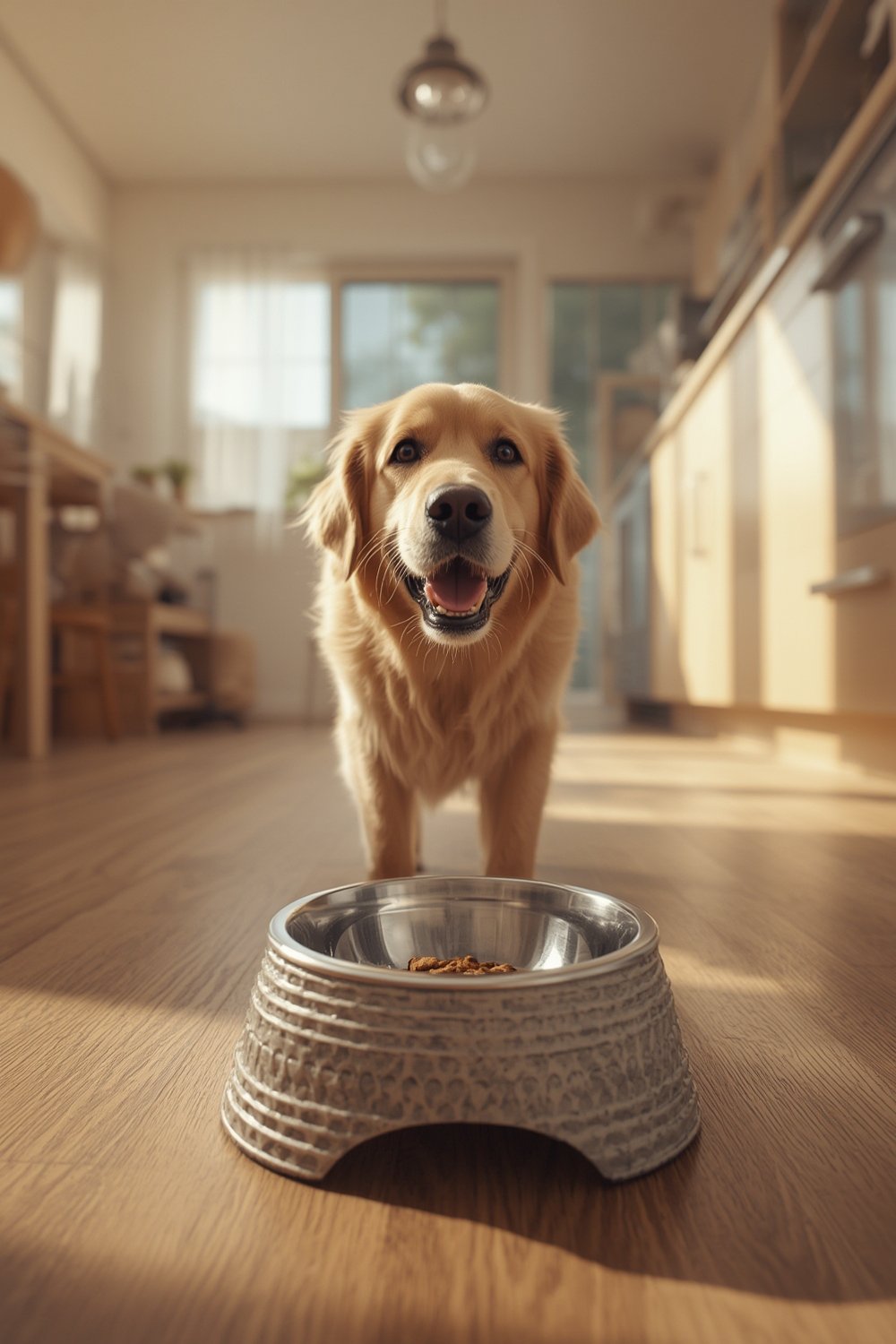
The global slow feeder dog bowl market shows rapid growth, with a valuation of $808 million in 2024. Pet parents and veterinary professionals increasingly recommend slow feeders for dogs prone to eating too fast, encouraging more mindful mealtime habits. This interest aligns with a broader shift toward wellness products such as freeze-dried dog food and smart pet gadgets.
Step-by-Step Guide: How to Use a Slow Feeder Dog Bowl Effectively
Ready to make the switch? Follow these simple steps to help your dog benefit from a slow feeder dog bowl without unnecessary stress—or wasted money.
- Choose the Right Size and Design. Pick a bowl matched to your dog’s weight (small: 20-45 lbs, medium: 45-70 lbs, large: above 70 lbs). Maze styles with raised ridges and compartments are most effective for slowing down eating, especially for dry food. For compact living spaces, explore other pet essentials for small homes to optimize your feeding area.
- Introduce Gradually. For dogs new to slow feeders, let them sniff and investigate the bowl before adding any food. The first few meals may take longer—the novelty and puzzle-like design require adjustment. If your dog resists, alternate between the old and new bowl for a few days.
- Start with Small Portions. Initial use is smoother with less food in the bowl. Increase portion sizes as your dog’s confidence grows. Always supervise the first few attempts and watch for overt frustration.
- Monitor Eating Time and Health. Dogs accustomed to gulping may slow from under a minute to five or more minutes per meal using a slow feeder dog bowl. Track mealtime length, signs of frustration, or improved digestion. Mental enrichment from the puzzle effect provides an added benefit—this is similar to how interactive toys keep pets engaged.
- Clean Thoroughly After Each Meal. Due to intricate designs, extra attention is needed for cleaning. If your slow feeder is dishwasher-safe, use the top rack and avoid harsh detergents. Hand-wash stubborn food debris with a bottle brush. Cleaning frequency matters for hygiene, just as it does for maintaining other pet equipment.
- If your dog gives up easily, try easier patterns (wider openings, lower ridges) or switch to a gradual ramp-up (half regular bowl, half slow feeder).
- For multi-dog households: Feed pets separately to reduce resource-guarding or frustration if only one uses a slow feeder dog bowl.
- If you feed wet or raw diets, select slow feeder dog bowls with wider channels and fewer tight corners; else, food may compact and frustrate your dog. See more feeding alternatives in this freeze-dried food guide.
Advanced Analysis & Common Pitfalls
Not every dog takes to a slow feeder dog bowl perfectly. Let’s clarify the strengths and highlight real-world challenges that most pet blogs skip—or sugarcoat. Here’s what the latest research and reviews say:
- Slower Eating, But No Guaranteed Health Outcome: A 2020 study found maze-style slow feeder bowls slowed eating by 30-50%. However, there are still no peer-reviewed studies from 2022-2024 proving lower rates of bloat or better digestion in a controlled trial.
- Only Some Dogs Adapt Easily: Anxious, senior, or very young dogs sometimes become frustrated and may need slower, more creative introductions. Data on “failure rates” remains sparse—adaptation comes down to patience, pattern simplicity, and reward.
- Cleaning Challenges: Maze and compartment designs trap food residue. While cleaning ease is rated “good,” it can’t compete with the simplicity of a regular bowl. Deep grooves, corners, and tight mazes gather debris—especially for wet diets.
- Material and Durability Concerns: There is no standardized certification for food-grade plastics, BPA-free status, or dishwasher safety across slow feeder brands. Always check manufacturer guidelines—when absent, hand wash to be safe.
- Diet Limitations: Most slow feeder dog bowls are best for dry kibble. Wet or raw foods may get stuck, causing mess or dog frustration. For specialty diets, review other solutions such as food toys or puzzle mats.
| Feature | Slow Feeder Dog Bowl | Standard Dog Bowl |
|---|---|---|
| Eating Speed | Slows 3-5x; extends meal by 30-50% | No effect; dogs often eat in under a minute |
| Digestive Benefits | Indirectly supports digestion, reduces air swallowing | Increased risk of gulping, indigestion, gas |
| Cleaning Ease | Good, but food collects in corners; more scrubbing needed | Excellent; quick hand/dishwasher wash |
| Food Compatibility | Best for dry food; some issues with wet diets | All food types work well |
| Cost | Moderate to high (few 2024 price benchmarks); premium for design | Often lower |
| Mental Stimulation | Moderate enrichment & engagement | Minimal |
Looking for other ways to make your compact space cleaner and more pet-friendly? Check out these top-rated kitchen trash cans for managing food and pet waste efficiently.
Finally, it’s worth noting the rapid growth of this segment. Though no region-specific figures are available, the global market is set to reach $1,420 million, reflecting strong owner demand even amid the gaps in scientific studies.
Conclusion
The bottom line: A slow feeder dog bowl is a practical tool for extending your dog’s mealtime, helping to reduce gulping and making mealtimes safer for many pets. While scientific proof for bloat prevention remains limited, real-world evidence supports benefits for digestion and mental enrichment—if you introduce the bowl with patience and keep it clean. Want to upgrade your pet’s routine? Try a slow feeder dog bowl and watch how your dog’s eating habits evolve. Ready to take the next step? Browse trusted bowls now and start building a healthier feeding experience for your pup today.
FAQ
What is a slow feeder dog bowl, and who should use it?
A slow feeder dog bowl is a dish with built-in mazes or ridges that prolong eating time. It’s ideal for dogs who eat too fast, helping reduce choking and gulping and supporting better digestion.
Does a slow feeder dog bowl really prevent bloat?
There is no conclusive veterinary research as of 2024 proving that a slow feeder dog bowl prevents bloat, but it does slow eating—which may help reduce some risk factors.
Are slow feeder dog bowls safe for puppies and senior dogs?
Yes, but always supervise early use. Some designs may frustrate very young or senior dogs. Start with wide, shallow patterns and assist as needed.
How do I clean a slow feeder dog bowl effectively?
Most slow feeders can be washed by hand using a bottle brush to clean small crevices. If dishwasher safe, top rack placement is best. Always check for food residue after each meal.
What if my dog refuses to eat from a slow feeder bowl?
Try a simpler pattern, use enticing wet food, or introduce the bowl gradually alongside the regular dish. If persistent, slow feeders may not be the right fit for all dogs.