


Table of Contents
Raw cat food diet has become a debate in the pet community, attracting passionate supporters and concerned critics. Whether you’re considering it for allergy relief, cleaner teeth, or because you want to avoid processed foods, understanding the real evidence, risks, and what’s missing from the hype is critical before making the switch. This guide delivers a practical, science-driven look at the raw cat food diet, actionable steps, and pitfalls you need to know—without bias or sugarcoating.
Key Takeaways
- Most reported raw cat food diet benefits are anecdotal and lack solid scientific backing; contamination risks are well established in current research.
- Major data gaps exist on true costs, regulatory standards, owner experience, and long-term outcome studies—proceed with eyes open.
- Commercial and homemade raw diets pose infection and safety risks for both cats and humans, especially children and the immunocompromised.
What Is a Raw Cat Food Diet & Why Consider It?
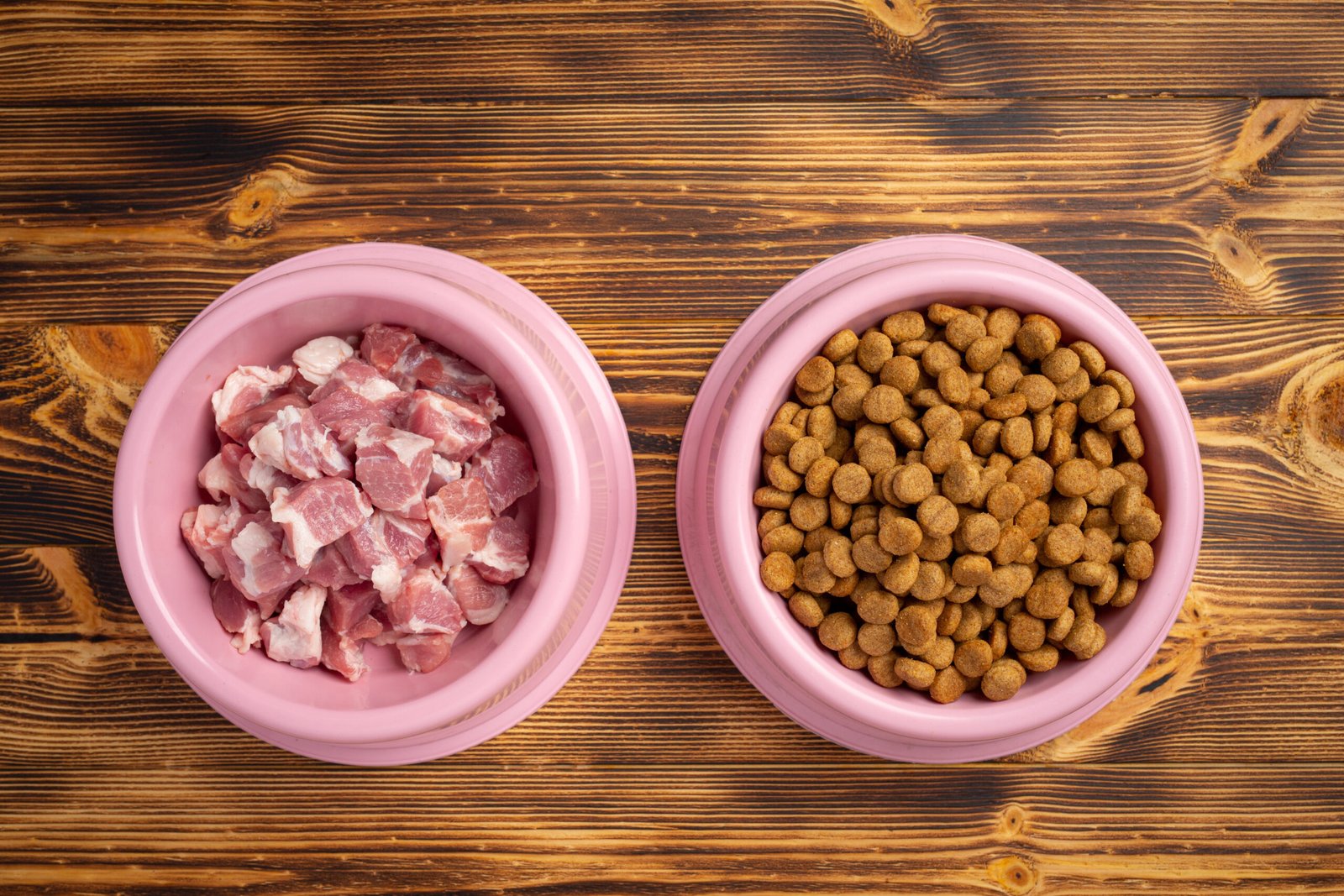
The raw cat food diet is based on feeding cats uncooked animal proteins like muscle meat, organs, sometimes bones, and minimal additives. The philosophy is that raw diets mimic what wild felines eat. Proponents claim this helps with cleaner teeth, shinier coats, fewer digestive issues, and overall better feline health. In practice, options include commercial frozen or freeze-dried raw cat foods and homemade blends using fresh ingredients.
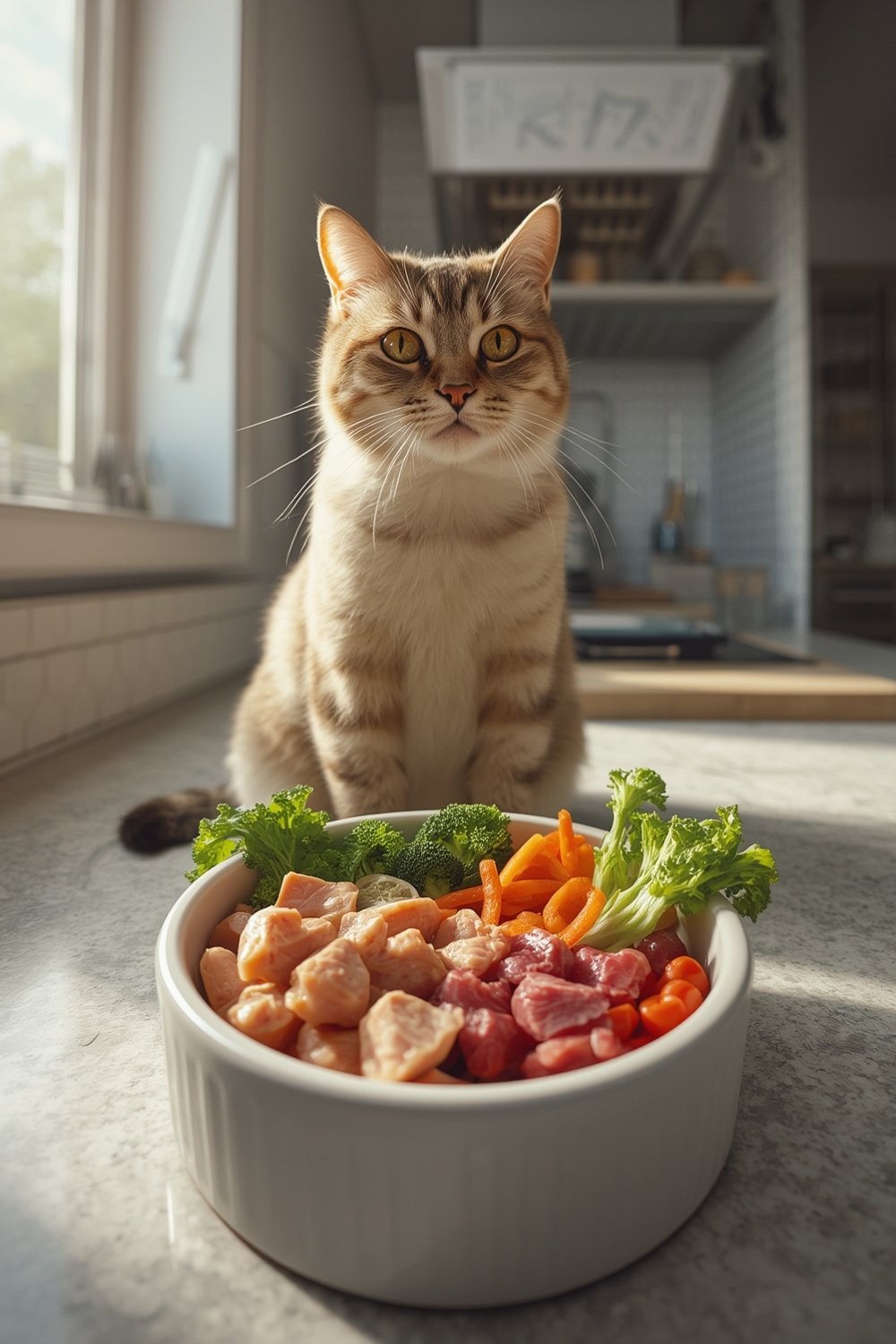
Interest in the raw cat food diet has grown with widespread skepticism of processed foods and a rise in pet owners learning from forums, books, and social media—even more than from veterinarians. However, scientific reviews to date have not found convincing proof that raw cat food diets deliver superior health outcomes (see study). Instead, most evidence is based on owner observations, not large controlled trials. While certain raw diets may help with specific digestive allergies (see research), most advertised upsides—like cleaner teeth or cancer prevention—remain unproven.
Safety is a real concern. Recent studies have found that up to 42% of raw cat food samples contain live pathogenic bacteria such as E. coli, Salmonella, and Klebsiella (latest reports). Risk of transmitting antibiotic-resistant genes and parasites through raw diets is much higher than with cooked food. Moreover, outbreaks of illness, including H5N1 (“bird flu”) in cats fed raw poultry, have resulted in documented deaths. All these factors demand a cautious, research-driven approach—especially in small homes or households with vulnerable family members.
For ideas on making your home safer and more pet-friendly, see our tips on pet essentials for small homes and indoor cat furniture.
How to Start: A Step-by-Step Guide
If you’re determined to try a raw cat food diet, informed planning, strict hygiene, and ongoing monitoring are essential. Here is a step-by-step process to start safely:
- Confirm Need with a Vet
Consult your trusted veterinarian. Rule out underlying medical conditions that may mimic food intolerance or allergies. Discuss your cat’s age, immune status, and special needs before switching diets. - Choose Commercial vs Homemade
Decide between commercial brands (frozen, freeze-dried, or refrigerated) and preparing your own. Commercial products undergo some level of quality control, but not always enough to eliminate contamination risks. Homemade diets can be riskier unless professionally formulated. - Research Recipes & Supplementation
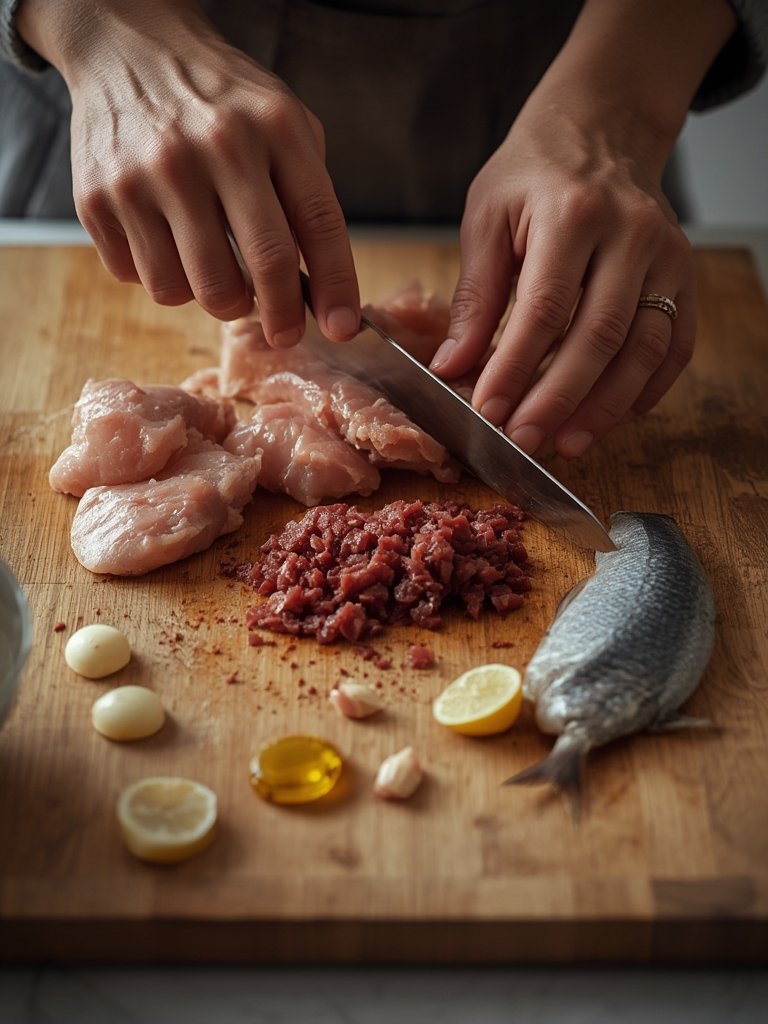
If making your own, use only board-certified veterinary nutritionist recipes. Raw cat food diet mistakes in home prep can lead to fatal nutritional imbalances (most commonly, calcium-phosphorus ratios, taurine, or vitamin A toxicity). - Practice Safe Handling
Wash hands and surfaces. Segregate pet food prep from human areas. Use food storage bins and dispose of leftovers quickly to reduce bacterial growth. Clean bowls after every feeding. For tips on keeping pet areas neat, view our pet comfort ideas and eco-friendly cat litter solutions. - Transition Gradually
Start mixing small amounts of raw food with your cat’s current diet, slowly adjusting proportions over 10-14 days. Monitor your cat’s appetite, stools, coat, and behavior closely. Watch for diarrhea, vomiting, constipation, or lethargy. - Ongoing Monitoring & Checkups
Schedule regular veterinary exams and discuss bloodwork to catch nutrient deficiencies or early warning signs (especially kidney or liver issues). - Stay Updated & Fuel the Decision with Research
Given how little is actually proven about raw cat food diet safety or efficacy, stay abreast of new research, recall updates, and veterinary positions. Know that guidelines and consensus can change as more data emerges.
Remember, there is no ‘one best’ recipe or approach. Every cat’s needs and response can vary. You may also want to read our recommendations for smart pet feeders to help with clean food dispensing, or if you spend long hours outside the home. Additionally, portable solutions like portable hydration for pets may keep your raw-fed cat hydrated, especially on hot days or car trips.
Advanced Analysis & Common Pitfalls
Claims about the raw cat food diet flood the web, yet there is a lack of comprehensive, unbiased long-term studies. Let’s break down frequent pitfalls and realistic challenges based on up-to-date research.
Major Pitfalls & Risks
- Foodborne Illness: In the largest studies to date, over 40% of raw cat foods were found to harbor live bacteria, many of which are potentially dangerous to both cats and their owners (Cornell/Tufts study). Contamination risk is highest in frozen raw meats.
- Hidden Ingredients: Researchers found 18% of both raw and cooked commercial foods contained proteins not disclosed on the label, which is risky for cats with allergies or food intolerance.
- Parasite Genes & Antibiotic Resistance: Raw diets contained genes from parasites and antibiotic-resistant bacteria not present in cooked alternatives (EFSA 2024 report).
- Owner Safety: The bacteria and pathogens shed by cats fed raw food present a greater risk for humans, especially those immunocompromised, elderly, or very young.
- Legal & Recall Landscape: Regulation and recall monitoring are patchy at best. Raw food made up only 0.3% of total bacteria-driven recalls from 2003 to 2022 (see analysis), but lack of current (2024-2025) tracking is a risk—there is no foolproof guarantee of product safety.
- Lack of Veterinary Consensus: Veterinary organizations remain divided or cautious due to these safety, nutritional, and public health risks. There are no universal practice guidelines endorsing raw diets except for specific, monitored medical cases.
| Aspect | Raw Cat Food Diet | Premium Kibble/Canned |
|---|---|---|
| Scientific Evidence | Mostly anecdotal; limited clinical trials | Well-studied in large populations; long-term feeding data |
| Pathogen Risk | High (E. coli, Salmonella, antibiotic resistance genes, parasites) | Low if reputable brand; higher in recalls, but mostly non-pathogenic |
| Owner Convenience | Requires food handling, thawing, storage, sanitizing | Scoop and serve; easy storage |
| Cost Information (2024) | No reliable data available | Widely available; known price ranges |
| Regulation & Recall | Scant oversight; few recalls recorded, unclear reporting | Better regulated but still imperfect |
| Long-Term Outcomes | Unknown; no longitudinal studies with quantified results | Many outcome studies available |
Day-to-Day Problems to Expect
- Difficult to keep raw feeding areas clean and organized in small spaces (see compact pet furniture and cat comfort solutions).
- No published monthly cost comparisons; budgeting is guesswork unless you price out every ingredient and product yourself.
- No consensus or listing of “top-rated” raw brands for 2024, so buying decisions require extra due diligence.
- Lack of standardized nutritional testing for home-prepared diets—deficiencies and imbalances are common.
- Outside opinions from forums, social media, or manufacturers’ veterinarians are not substitutes for personalized veterinary consultation.
To maintain a healthy pet environment and manage limited space challenges, don’t miss our secrets for organization for small home pet care and discover creative cat nook ideas.
Conclusion
The raw cat food diet is surrounded by strong opinions but lacks robust supporting data. The few health benefits reported are mainly anecdotal, while well-documented infection and contamination risks cannot be ignored. Legal regulation is patchy, actual cost analyses are missing, and long-term outcome data is still unavailable. If you choose to move forward with a raw cat food diet, ensure you work closely with your veterinarian, maintain rigorous kitchen hygiene, and regularly monitor your cat’s health. Your cat’s wellbeing—and your own household safety—depend on a fully informed and realistic approach. If you want to learn about safe, space-saving pet solutions, check out our guides on essential pet products and innovative cat spaces. Make your decision about the raw cat food diet with your eyes wide open, not just your heart.
Ready to improve your cat’s living space or rethink your pet care setup? Explore expert tips and reviews for pet essentials and eco-friendly litter right now.
FAQ
Is a raw cat food diet actually healthy for my cat?
There is little scientific evidence that raw cat food diets provide better health outcomes than premium kibble or canned foods. Most benefits are based on owner observations, not clinical trials. Risks such as foodborne illness are well-documented.
Can I feed my cat a raw diet if I live in a small apartment?
You can, but strict food handling and separation of cat food prep/storage from human food is vital. Space-saving pet solutions can help, but extra vigilance is needed to prevent contamination and odors. Review our apartment pet solutions for more tips.
How much does a raw cat food diet cost per month?
There is no reliable published data comparing the true monthly costs of raw cat food diet to premium kibble or canned options. Homemade blends require ingredient tracking, while commercial raw options can be significantly more expensive.
Are there raw cat food brands veterinarians recommend in 2024?
No specific top-rated raw cat food brands were identified in recent studies. Always vet brands for recalls, safety disclosures, and whether they meet AAFCO/FEDIAF nutritional standards before buying.
What is the biggest risk if I switch to a raw cat food diet?
The largest risk is foodborne illness due to pathogens in raw meat. This can harm both your cat and humans in the household. Safeguards like hygiene, sourcing, and veterinary guidance are not optional.