


Table of Contents
Eco-friendly cat litter is quickly becoming the go-to choice for pet owners who want a cleaner, safer home for their cats and a lighter footprint on the environment. But does switching to natural litter really deliver on odor control, cost savings, and sustainability—or is it mostly marketing hype? This guide separates fact from fiction with up-to-date research, realistic advice, and actionable steps so you and your cat can make the switch with confidence.
Key Takeaways
- Eco-friendly cat litter is rapidly gaining market share, fueled by demand for natural, plant-based, and biodegradable options—with North America and Asia Pacific leading adoption.
- Switching to eco-friendly litter eliminates many chemicals and cuts waste, but expect differences in odor control, clumping, price, and disposal methods compared to clay-based brands.
- Real-world composting, disposal, and certification guidelines remain murky—know the facts before tossing “biodegradable” litter in local compost or green waste bins.
What Eco-Friendly Cat Litter Really Means—and Why It Matters
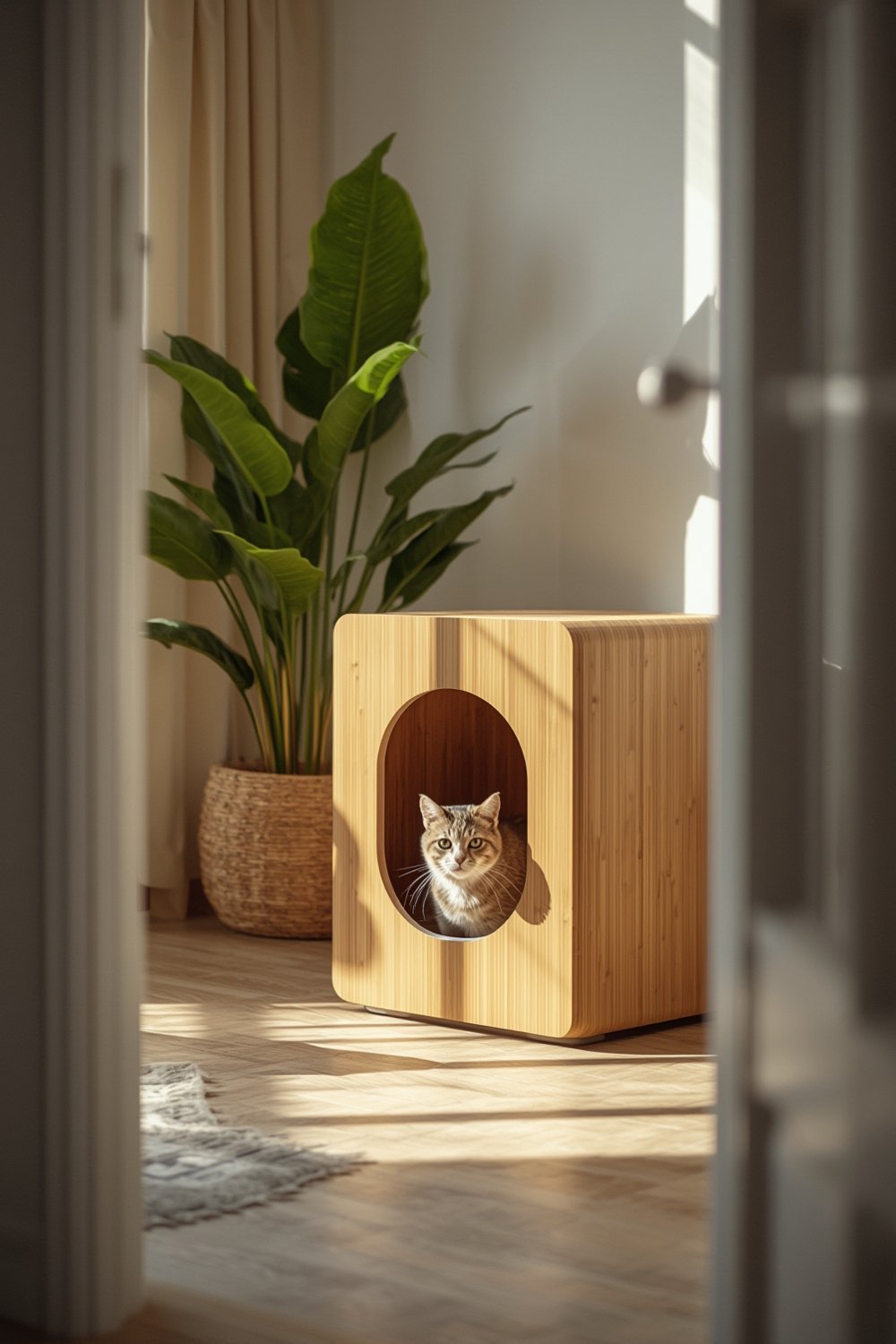
Eco-friendly cat litter refers to litter products made from natural, renewable, or recycled materials (like wood, corn, wheat, or recycled paper) designed to minimize the impact on landfills, reduce toxic ingredients, and, often, support composting or biodegradation. Unlike traditional clay litter—which is strip-mined, non-renewable, and typically not biodegradable—newer natural formulas promise a safer experience for both cats and people.
These sustainable litters are associated with several key benefits:
- Reduced landfill impact and less soil contamination due to compostability and absence of harsh chemicals.
- Lower dust and chemical exposure for both cats and owners—important for those with allergies or respiratory issues.
- Improved production practices that use renewable resources like recycled paper, corn, and even tofu byproducts.
The global natural cat litter market was valued at roughly USD 8.5 billion in 2024 and is projected to keep growing as cat owners increasingly seek environmentally responsible alternatives (source). North America leads in adoption, but Asia Pacific is also seeing a surge—with the plant-based segment predicted to grow at an eye-catching 22.6% from 2025 to 2032.
For apartment dwellers or anyone in need of pet essentials for small homes, space-saving pet products can make managing eco-friendly cat litter even more convenient. Choosing a sustainable solution isn’t just about the planet—it can make your daily life easier and healthier, too.
Step-by-Step: Switching to Eco-Friendly Cat Litter at Home
Ready to transition from clay-based to eco-friendly cat litter? Here’s a practical process for a smooth, frustration-free switch—tested by cat lovers in real homes.
- Review your cat’s preferences and sensitivities. Some cats dislike sudden changes. Start by checking for past allergies or aversions—it’s key for a successful switch.
- Choose your litter material. Eco-friendly cat litters come in a variety of plant-based formulas: wood, corn, wheat, recycled paper, plant fibers, and tofu byproducts. Each offers a different mix of clumping power, odor control, price, and compostability.
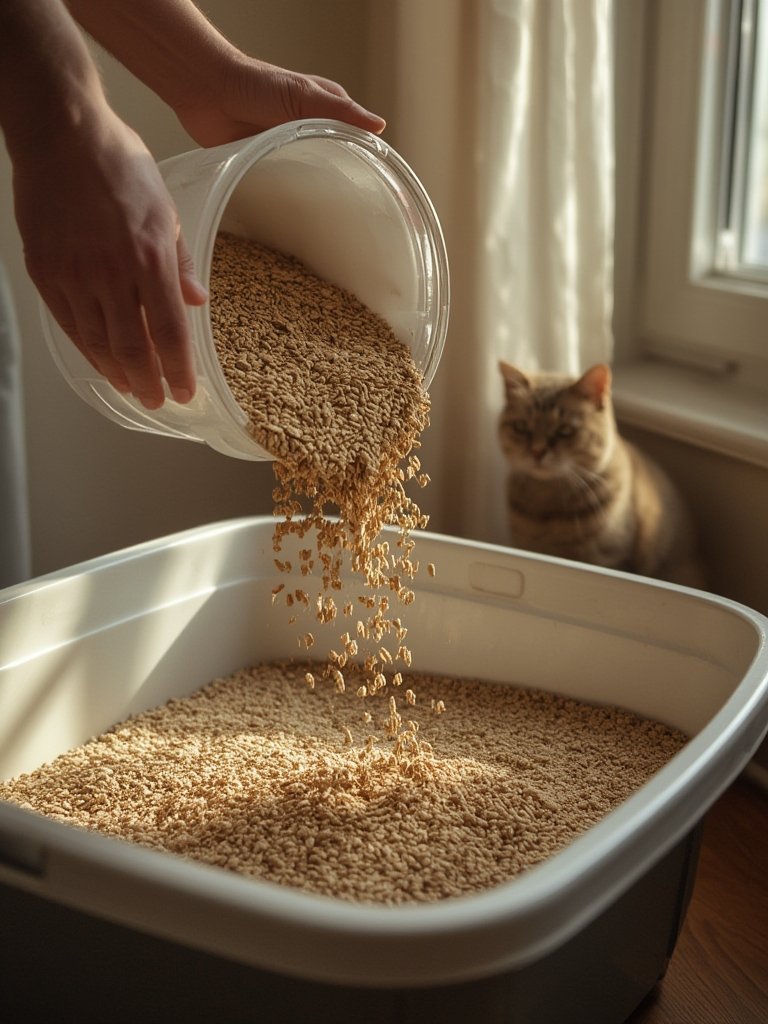
- Gradually transition your cat. Mix new eco-friendly cat litter with your cat’s current litter, slowly increasing the natural mix over a week or two to prevent accidents.
- Monitor clumping and odor control. Not all eco litters clump like clay, and odor performance varies. Test in a spare box if possible, or scoop twice daily at minimum during the switch.
- Learn about composting and disposal options. Don’t assume you can toss all biodegradable litter in your city green bin. Research local regulations—or set up a dedicated pet waste compost (never use compost containing cat waste on food gardens).
- Keep all packaging and documentation. Some litters are certified compostable or biobased—this can clarify disposal rules and help with troubleshooting.
- Track usage, cost, and impact over time. Monitor how long each bag lasts and how much you spend compared to your old brand. Factor in savings on sweeping, air purifiers, or allergy meds, too.
After a month with your new eco-friendly cat litter, reassess: Is scooping easier? Is tracking or dust an issue? Note which brands deliver the best clumping and which formulas require more frequent changes. Your notes will save time and money if you need to experiment further.
For creative cat comfort and home organization ideas, check out clever cat nook inspirations. Not only can you upgrade your litter, you can also enhance your feline’s relaxation zone.
Advanced Analysis: Common Pitfalls and Hard Truths About Eco-Friendly Cat Litter
The promise of eco-friendly cat litter is real, but so are the challenges. Many users will encounter some or all of these issues during the switch. Here’s what up-to-date research and market analysis reveals.
User Complaints and Performance Limitations
Unlike some premium clumping clay litters, eco-friendly cat litter can vary widely in how well it controls odors, forms solid clumps, reduces dust, or lasts between changes. Manufacturers continue to innovate in response to consumer pain points—particularly around dust control and compostability—but there is no perfect formula. Expect to test a few types before finding the right fit.
Comparison Table: Plant-Based vs Traditional Cat Litters
| Feature | Eco-Friendly Cat Litter | Traditional Clay Litter |
|---|---|---|
| Odor Control | Varies by material (good with some wood, corn, tofu formulas); less masking fragrance | Generally superior—uses synthetic fragrances and chemicals |
| Clumping | Some clump well (corn, wheat); others less so (paper, wood pellets) | Excellent clumping (especially sodium bentonite clay) |
| Dust | Low in most plant-based types; best for sensitive cats/owners | Can be dusty and problematic for allergies |
| Compostability/Biodegradability | Most are biodegradable; some compostable (check certification) | Generally not biodegradable; adds to landfill waste |
| Price (2024) | No specific price comparison available from market data | Often less expensive, lasts longer when high performing |
| Disposal Options | Varies by material and local laws; composting restricted in many areas | Landfill only; never compostable |
Environmental & Regulatory Hurdles
- Lack of transparent certifications. Not all eco-friendly cat litters are certified by third parties (e.g., USDA Biobased or Compostable certifications). Always look for official seals and request documentation from brands if unclear.
- Confusion around disposal and composting. Compostable does not always mean home-compostable. Most municipal composting operations do not accept cat waste (due to pathogen concerns), and compost with cat feces should never go on food crops. Check local laws before disposing of eco-friendly cat litter via green bins or home composting.
- Uncertain lifecycle impact. Research confirms environmental benefits over clay, but no concrete data on carbon footprint, water usage, or average breakdown time. Users must rely heavily on trust in brand practices and general sustainability principles. For an in-depth look at home sustainability, including other green product ideas, browse the eco-friendly furniture materials guide.
Price and Longevity Disparities
Conventional litters may last longer between changes and offer better upfront pricing. While some brands, like Petco or Tidy Cats, are introducing more affordable lines, no detailed 2024 price data is available. Expect to pay a premium—and factor in greater box cleaning frequency when budgeting.
Experimenting may take time, but you’ll be contributing less waste, supporting pets with sensitivities, and voting for sustainable industry change. If managing litter in a compact space, prioritize formulas that help keep odors contained and track less—perfect if you’re also organizing a small bathroom or seeking odor control trash can ideas elsewhere in your home.
Certification and Disposal Guidance Gaps
Few published lists detail brands with recognized biobased or compostable certification. Countries like Canada and Australia are moving toward stricter disposal rules, but US regulations (as of April 2024) remain mostly at the campaign level. Check packaging for seals, and consult municipal guidelines before disposal.
If you’re upgrading your home’s comfort and sustainability, seeking small home improvement tips alongside a natural cat litter swap can boost wellness and value in one go. Consider the full cycle: purchase, use, disposal, and ongoing cost for a fair apples-to-apples comparison.
Conclusion
Eco-friendly cat litter makes a real difference for the environment and for your pet’s well-being. Expect some adjustment as you find the right material for odor, clumping, and cost—even as the market continues to develop new plant-based options with higher performance. Take the time to compare, research local composting and disposal options, and don’t assume all “biodegradable” claims are equal. If you want to cut household chemicals, improve indoor air, or just do right by your cat, now is a good time to give eco-friendly cat litter a try.
Need space-saving inspiration for a more organized life with pets? Visit the Creative Cat Nook Ideas for functional feline upgrades. Ready to switch? Shop, experiment, and share your results—you’ll help make cleaner, greener living the new standard.
Frequently Asked Questions
Can eco-friendly cat litter be composted at home?
Some types of eco-friendly cat litter, like those made from paper, wood, or plant fibers, are theoretically home-compostable. However, compost containing cat feces should never be used on edible gardens due to potential pathogen risk. Always check local regulations before composting, and look for brands with actual compostability certification.
Does eco-friendly cat litter control odor as well as traditional clay litter?
Odor control in eco-friendly cat litter varies by formula. Some wood- and corn-based litters perform very well, while others may require more frequent scooping. Unlike clay litters, natural versions usually skip chemical fragrances, so expect a different (cleaner, but sometimes less powerful) scent profile.
Is eco-friendly cat litter safe for kittens and cats with allergies?
Yes, most eco-friendly cat litters are lower in dust and free from harsh chemicals, making them safer for sensitive cats and kittens. Always introduce the new litter gradually and monitor your cat’s reaction during the switch.
What are the main materials used in eco-friendly cat litter?
Common natural cat litter materials include wood, corn, wheat, recycled paper, plant fibers, and tofu byproducts. Each type has different pros and cons—experiment to see what your cat (and your lifestyle) prefers.
How do I dispose of eco-friendly cat litter responsibly?
Follow local guidelines. Never flush any cat litter. Most cities do not accept pet waste for municipal composting, even if the litter is labeled biodegradable. Double-bag for landfill disposal if required, or set up a separate, non-food-use compost system for biodegradable types (always exclude pet feces from gardens).