


Table of Contents
freeze-dried dog food has transformed the way dog owners think about nutrition, convenience, and food quality for their pets. With demand reaching record highs in 2024, more pet owners are turning to freeze-dried options for dogs who deserve the best in premium, minimally processed meals. But what exactly is freeze-dried dog food, and is it worth the cost and hype? This guide breaks down everything you need to know, including the latest industry trends, actionable tips for choosing and feeding, plus honest discussion of the challenges and real pitfalls to avoid.
Key Takeaways
- Freeze-dried dog food is growing rapidly, making up over 63% of the freeze-dried pet food market in 2024, with global value surpassing USD 18 billion. (Data Bridge Market Research)
- Chicken-based, 100% freeze-dried, and grain-free recipes now dominate category sales, but price, storage, and consistency challenges remain for some dog owners.
- Choosing quality freeze-dried brands and following best practices for storage, rotation, and safety is essential for delivering nutrition and protecting your investment.
What Is Freeze-Dried Dog Food and Why Is It So Popular?
Freeze-dried dog food is made by removing moisture from raw or cooked meat, organs, and other whole-food ingredients through a process called freeze-drying. This gentle technique preserves most nutrients, flavor, and aroma without the need for preservatives or high-heat processing. The result is lightweight, shelf-stable food that can be fed dry or rehydrated with water.
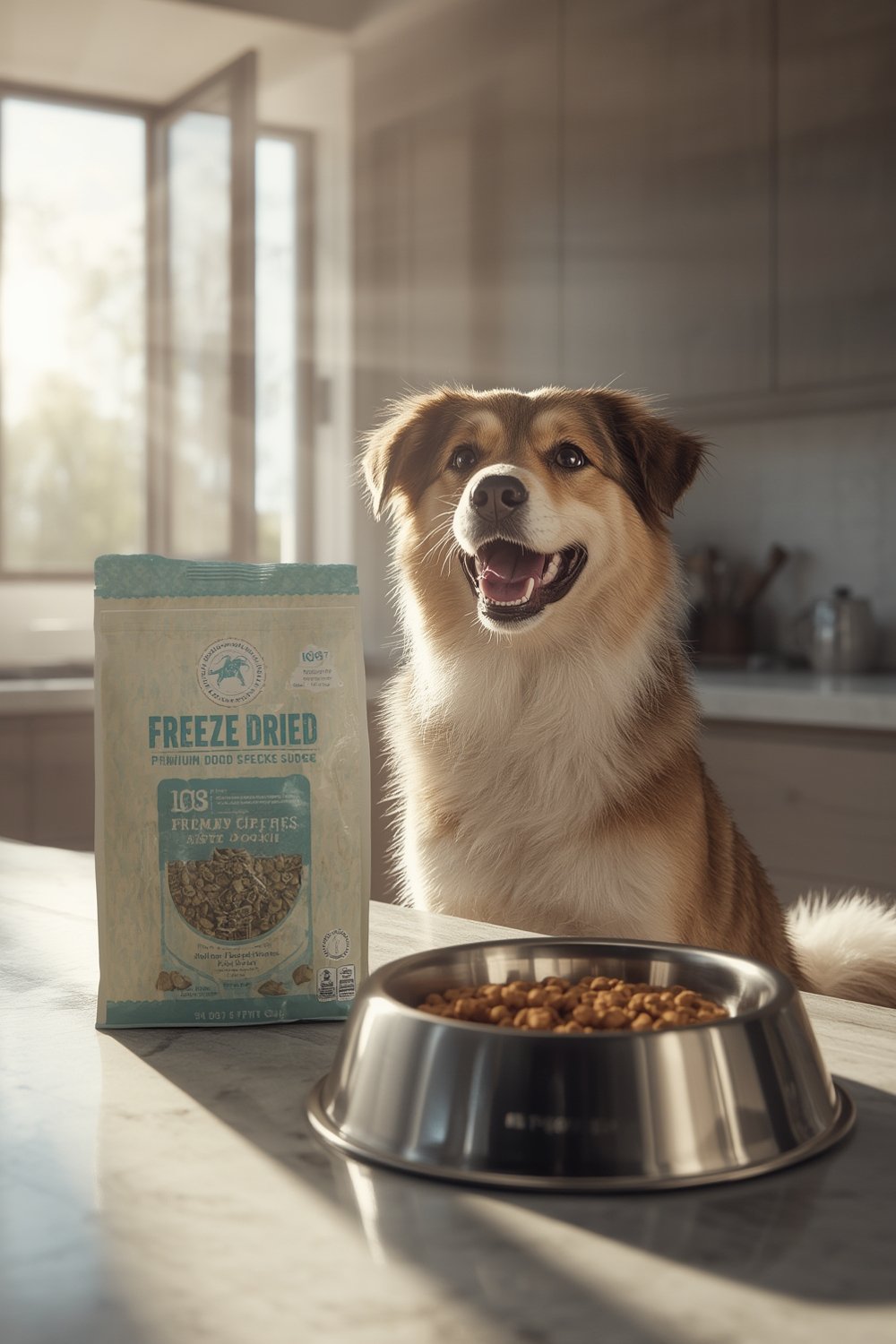
In 2024, freeze-dried dog food has become the fastest-growing segment of the premium pet nutrition market, capturing more than 63% of the freeze-dried pet food share and generating over USD 18 billion globally.Source North America leads the way, with adoption rates accelerating due to the humanization of pets, rising interest in raw-inspired diets, and wider supermarket and online availability. Chicken-based recipes now account for nearly 40% of sales, and demand for grain-free, high-protein formulas remains dominant.
But freeze-dried meals are not just a passing trend. Compared to traditional kibble or canned dog food, they feature minimal processing, fewer artificial additives, and a closer resemblance to a dog’s ancestral diet—qualities that appeal to health-conscious owners. Shelf life and convenience are also huge factors, especially for apartment dwellers or travelers looking to feed their pets nutritionally dense meals without refrigeration.
This growth brings a wider selection and more price competition, but it also means buyers need to be savvy about ingredient sourcing, brand trust, and nutritional balance.
Step-by-Step Guide: How to Choose and Use Freeze-Dried Dog Food
Switching to freeze-dried dog food doesn’t have to be overwhelming. Follow these practical steps to make informed, confident choices for your dog’s health—while stretching your budget and avoiding common pitfalls.
- Prioritize Nutritional Completeness: Always look for brands that meet or exceed AAFCO nutritional standards for your dog’s life stage (puppy, adult, senior).
- Read Ingredient Lists Closely: Meat should be the first ingredient, ideally with a clear source (e.g. “chicken breast” instead of “poultry meal”). Avoid excess fillers, synthetic colors, or flavor enhancers.
- Consider Allergy Needs and Protein Rotation: If your dog has food sensitivities, grain-free and single-protein options are widely available. Rotate protein sources (e.g. chicken, beef, fish) every few months to minimize intolerance.
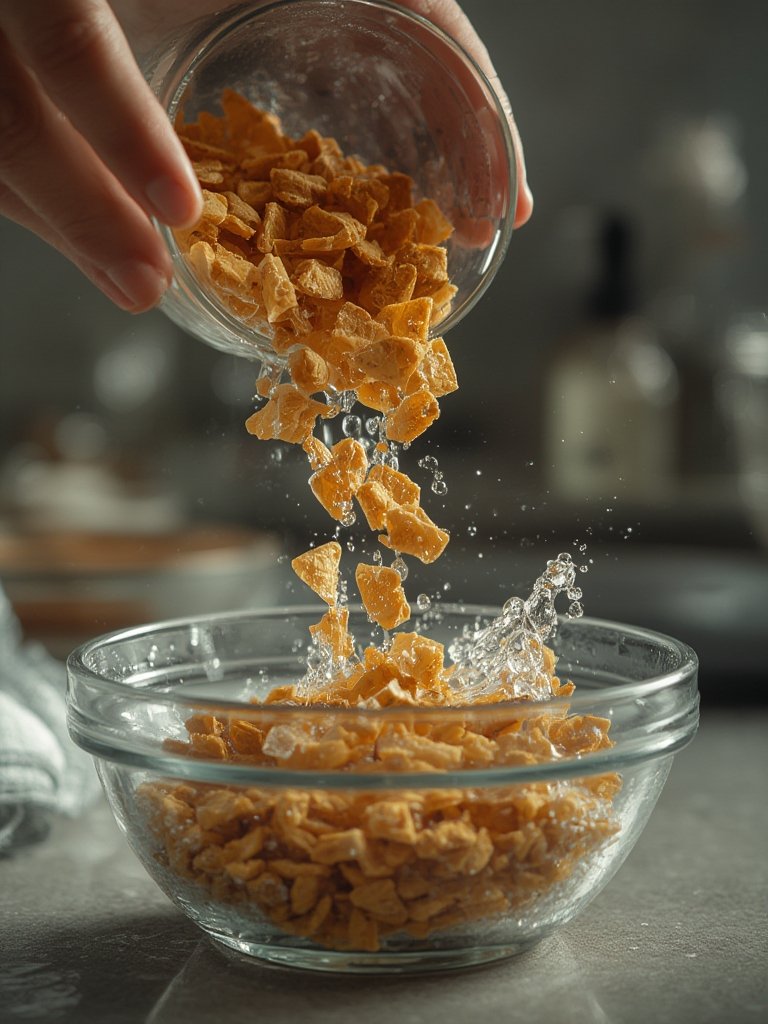
- Assess Storage and Serving Requirements: Most freeze-dried foods require moisture to aid digestion. Decide if you want to serve dry, soak in water, or mix with wet food. Store opened packages in a dry, airtight container to prevent spoilage.
- Calculate True Costs: Per-meal cost is higher than kibble, though shelf-stable packaging allows for bulk buying and less waste. Compare per-ounce or per-pound prices and calculate monthly feeding costs based on your dog’s weight.
- Watch for Quality Certifications: Look for reputable safety and quality seals like USDA, AAFCO, or assurance of 100% freeze-dried (some brands blend with dehydrated or air-dried foods).
Freeze-dried dog food can also fit into a minimalist or small home lifestyle. If you’re looking to maximize your pet’s comfort in a limited space and keep organization hassle-free, check out these pet essentials for small homes for more ideas.
Finally, always introduce any new dog food slowly—whether freeze-dried or fresh. This protects your pet’s digestion and reduces food waste if their appetite or stool changes during the switch. For small apartments and busy urban dwellers, using compact food storage bins and tightly sealed containers is a must for freshness.
Explore home organization tips like bathroom decluttering or affordable transformations to keep your feeding stations tidy and functional.
Advanced Analysis & Common Pitfalls
The steep rise in freeze-dried dog food doesn’t come without concerns. Here’s a realistic look at the most commonly reported pain points, plus a practical comparison table to help you weigh your options.
- Sticker Shock: The per-ounce price of freeze-dried dog food is often 3x-5x that of premium kibble. Budgeting is essential for medium to large dogs. Look for bulk or subscription discounts when possible.
- Storage & Shelf Life: While freeze-dried food is designed for long shelf life, exposure to moisture or pests can cause spoilage after opening. Always use airtight containers and store in cool, dry locations.
- Feeding Consistency: Some dogs need time to adjust to the texture or intense flavor. If your pet is hesitant, start by using freeze-dried toppers or pieces as treats before making a complete switch.
- Quality Gaps: Not all brands are equal—some use filler or blend freeze-dried with less nutritious bases. Do your research and prioritize transparency about protein source and processing.
| Comparison | Freeze-Dried Dog Food | Premium Kibble |
|---|---|---|
| Processing Method | Freeze-drying retains more nutrients, minimal heat | High heat, extruded, may lose some nutrients |
| Shelf Life | 12-24 months unopened, 1-2 months after opening | 12-18 months, up to 2-3 months after opening |
| Price (est.) | $2.50-$5.00 per ounce | $0.20-$0.75 per ounce |
| Convenience | Lightweight, travel friendly | No prep required, easy to store |
| Nutritional Profile | Minimally processed, nutrient-dense if complete | Varies by brand, some synthetic additives |
| Potential Issues | Cost, transition challenges, not all brands equal | Heavily processed, lower meat content in many brands |
Environmental impact and ingredient sourcing are sometimes overlooked by competitors. If you are interested in more sustainability-focused choices—whether in pet food or home upgrades—visit the Eco-Friendly Furniture Materials Guide for practical tips. Food allergies, too, remain underreported. Test new recipes cautiously if your dog has known sensitivities, and consult a vet for complex dietary needs.
Conclusion: Should You Make the Switch?
In summary, freeze-dried dog food delivers potent nutritional value, superior convenience, and premium appeal for dog owners willing to prioritize quality and freshness. The market is expanding quickly, driving down costs and broadening options, but actual experience can vary depending on storage, your dog’s preferences, and the brand’s commitment to ingredient sourcing and safety.
If you value shelf-stable, nutrient-packed meals and are ready to invest in your dog’s long-term health, freeze-dried dog food is a strong contender. Curious about real-world buying tips or recipe ideas? Check out our Freeze-Dried Dog Food Buying Guide for trusted advice. Make the switch today—start with a small bag, monitor your dog’s response, and rotate proteins for a healthy, happy pet!
FAQ: Freeze-Dried Dog Food
How long does freeze-dried dog food last after opening?
Most brands recommend using freeze-dried dog food within 1-2 months after opening, as long as it is sealed tightly and stored in a cool, dry area out of direct sunlight. Always check the packaging for specific guidance.
Is freeze-dried food safe for all dogs, including puppies and seniors?
Yes—if the food is labeled as nutritionally complete and balanced for your dog’s life stage according to AAFCO standards. For puppies, seniors, or dogs with medical conditions, consult your vet before making significant diet changes.
Can I use freeze-dried dog food as a topper or treat?
Absolutely. Many owners use freeze-dried dog food as a high-value topper or treat to encourage picky eaters or supplement existing kibble. Start with small amounts to avoid digestive surprises.
What certifications should I look for in 2024?
Look for AAFCO nutritional adequacy, USDA or other country-of-origin certifications, and brands that are transparent about ingredient sourcing. Quality marks and third-party lab testing reports are strong signs of trust.
How does freeze-dried dog food compare to fresh or raw diets?
Freeze-dried retains many nutrients found in raw diets without requiring refrigeration. It is more shelf-stable than fresh or raw, safer to handle, and much lighter for travel, but can be pricier per meal.