



Table of Contents
### Blog Post:
Solar attic fan installation is one of the most practical upgrades for homeowners seeking to control attic temperatures without increasing energy bills. In 2024, the trend continues to grow, but many guides miss crucial details about costs, effectiveness, and what to really expect after installation. If you’re considering solar attic fan installation for your home, this no-nonsense guide covers the facts, answers the tough questions, and shows you exactly how to do it safely and successfully while avoiding common pitfalls.
Key Takeaways
- Solar attic fan installation can reduce attic temperatures to within 5 to 10°F of outdoor conditions and helps limit heat transfer to your living spaces.
- Choosing the right model means balancing CFM rating, attic size compatibility, and preferred installation method, with gable mounts often easiest for most DIYers.
- Most guides overlook key safety, cost, and compliance details—professional assessment is essential if you’re unsure about code requirements or the right fan size for your home.
The Core Concept: What Is Solar Attic Fan Installation & Why Consider It?
A solar attic fan installation uses a rooftop, gable, or wall-mounted fan powered entirely by the sun. The goal is simple: actively exhaust hot air from your attic so your home’s cooling load drops, extending roof life and reducing heat transfer to your living space. Unlike passive vents or turbine systems, a solar attic fan runs strongest on sunny days—when you need cooling most.
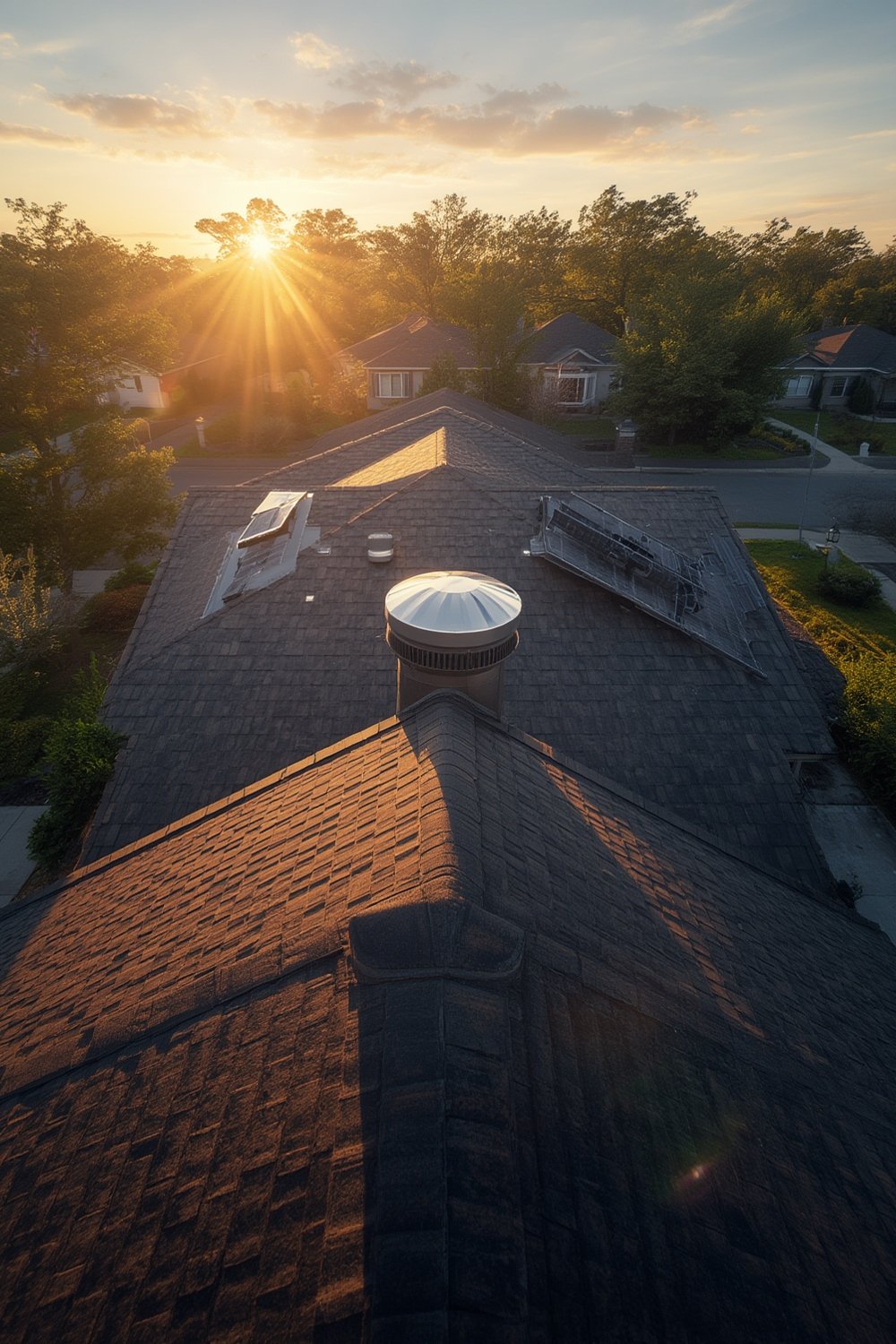
Leading 2024 research found solar attic fans can maintain attic temps within 5 to 10°F of the outside air (see QuietCoolSystems study). While exact numbers on AC cost savings are missing, homeowners consistently report less upstairs heat and even cooling across seasons. Unlike powered attic fans, solar models use no home electricity, even if left running all day.
In growing regions with long hot seasons, solar attic fan installations add value, potentially making your HVAC work less on peak summer days. They’re also fully automatic—after installation, there’s nothing to plug in or remember to turn on.
If you’re planning a broader home improvement, consider combining solar attic venting with other solutions. For inspiration, check out Simple Home Improvement Projects: 11 Powerful Weekend Upgrades or explore Backyard Landscaping Ideas: 11 Powerful Ways to Transform Any Yard to boost your property’s efficiency and comfort.
Step-by-Step Guide: How to Install a Solar Attic Fan in 2024
Ready to tackle a solar attic fan installation yourself? Here’s a direct, no-fluff breakdown:
- Assess your attic size. Find your attic’s square footage and pitch. This guides your CFM (cubic feet per minute) requirement. Aim for at least 1 full attic air exchange every 12-15 minutes. Ex: a 1,200 sq. ft. attic with 3-foot average height is 3,600 cubic feet; you need a fan rated 300-500 CFM or higher, as solar models are less powerful than wired units. If in doubt, choose a larger CFM and combine with passive ridge venting.
- Choose a fan type and mount style. The main types are rooftop, gable, or wall-mounted. Gable-mounted fans avoid cutting your roof, making them less risky for DIYers and ideal if your home already has gable end vents. Rooftop installations give the most direct sunlight but are more labor intensive.
- Gather your tools and gear. You’ll need the solar attic fan kit, ladder, cordless drill or driver, tin snips, utility knife, flashing adhesive, roofing sealant, safety mask, gloves, and tape measure. For roof installs, a fall harness is highly recommended.
- Mark and cut the opening. Turn off attic power if near wiring. For rooftop installs, carefully mark a rafter bay location at the attic’s highest point (for best convection). Cut shingles and decking just enough for the fan opening—never oversize. For gable fans, remove existing vent mesh as required and test-fit the fan housing for daylight alignment.
- Install flashing and mount the fan. Slide included aluminum flashing/shroud under upper shingles (or around gable vent), secure with provided screws. Always use roofing approved sealant on all cut edges and screw heads. Attach the fan panel, check for secure fit, and run the solar wiring (which is usually plug-and-play in modern kits).
- Test the system. Cover and uncover the solar panel—watch for the fan to spin up in direct sun. Listen for unusual noises or vibration, and check for visible gaps. From inside the attic, ensure all sawdust and debris are cleared and no daylight shines through unwanted gaps.
- Seal and finish. Reseal any disturbed shingles or flashing. Inspect for leaks after the first rain. Fill all supply gaps with foam or caulk as needed.
- Register your warranty. Most major brands offer a 5 to 15 year warranty for solar attic fan installations—save your receipt and registration card.
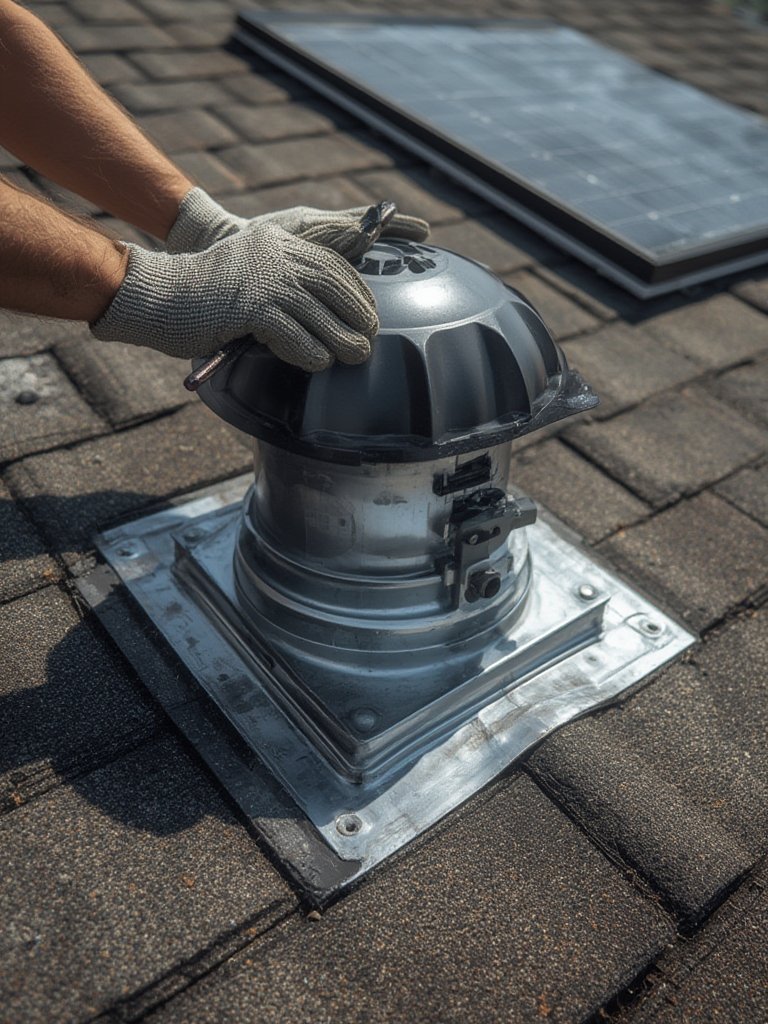
Safety first: It’s always smart to check local building regulations. Some regions may require specific vent spacing or restrict attic fan wiring—even for solar units. If your installation shares attic space with HVAC systems, consult a local pro to avoid air balance issues.
Looking for ways to keep your entire home comfortable with smart solutions? Pair solar attic venting with Smart Home Energy Monitoring for insights into your cooling savings or explore Affordable Home Improvement Ideas: 11 Smart Ways to Upgrade Your Home for more value-adding projects.
Advanced Analysis & Common Pitfalls
No upgrade is perfect. Let’s break down the real-life drawbacks, frequent problems, and what buyers should compare.
Common Pitfalls When Installing a Solar Attic Fan
- Undersizing your attic fan is the biggest mistake. Solar models with 300-500 CFM won’t do the job on large attics (over 1,500 sq. ft.). If you oversize, you may create negative pressure, potentially drawing conditioned air from the house. Get the numbers right.
- Poor location means weak results. On low-slope roofs, shade from chimneys or trees can tank performance. On gable ends, if not directly south-facing, panel output drops sharply.
- Ignoring attic air intake. All fans—solar or powered—need equal intake (soffit or eave vents). Without it, airflow stalls, and your system is wasted money.
- Skipping flashing or sealant triggers leaks leading to attic rot or ceiling water stains. All roof penetrations must be fully waterproofed.
- Overlooking maintenance. While solar attic fans are lower maintenance than wired fans, their motors and components can still degrade over time. A quick annual check can save major future problems.
Solar Attic Fans vs Ridge Vents vs Powered Gable Fans: At a Glance
| Product | CFM Range | Power Use | Temperature Drop | Visibility | Maintenance |
|---|---|---|---|---|---|
| Solar Attic Fan | 300-500 | Solar only, zero utility cost | 5-10°F above outside temp | Visible on roof/gable | Low (moving parts) |
| Ridge Vent (passive) | 10-30 (turbine style) | None | Variable, depends on wind | Seamless/invisible | Very Low (no moving parts) |
| Wired Gable Fan | 1200+ | 110V (uses grid power) | Very strong, but higher utility cost | Hidden on gable ends | Medium (motorized) |
According to independent user forums and case studies (source 1, source 2), the gap in CFM (airflow) is the most notable technical limitation. For large attics, a single solar attic fan rarely matches a hardwired gable fan for raw exhaust. However, combining a solar attic fan (every 5-10 feet apart) with passive ridge vents and adequate soffit intake produces optimal temperature control.
Noise complaints are rare, but roof appearance matters to some homeowners. Ridge vents are nearly invisible, while solar attic fans do stand out.
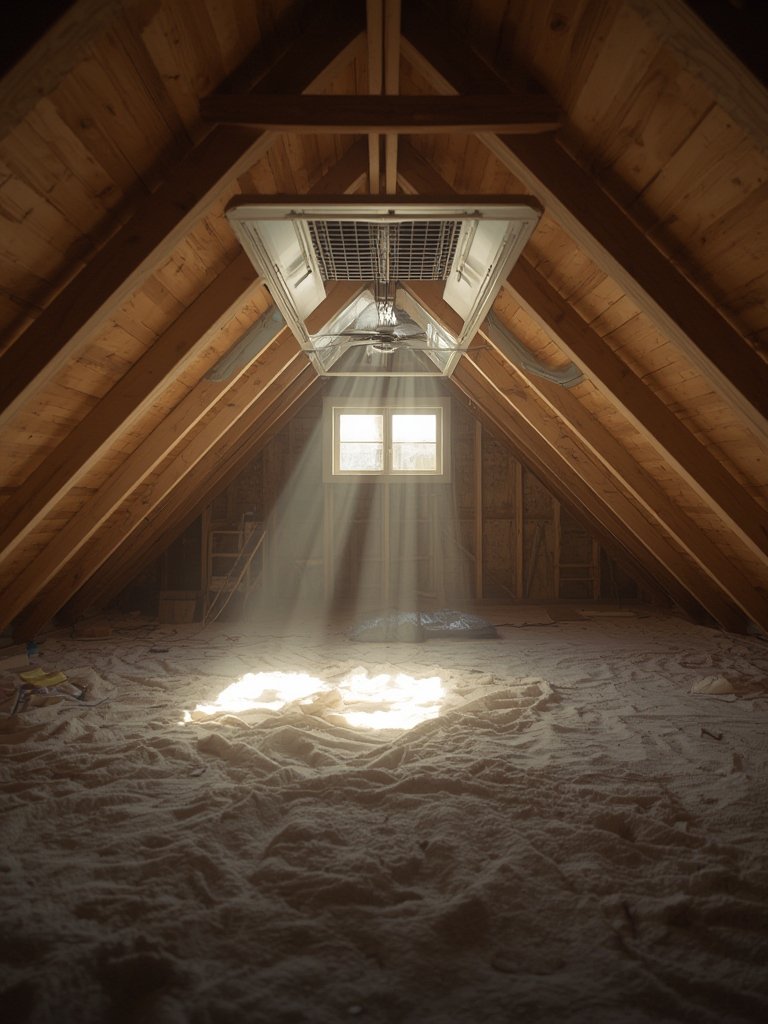
Budget-wise, no current data directly compares solar attic fan installation cost by city or region, and rebates for 2024 are almost non-existent. Multiple homeowner forums concur that solar options are higher priced upfront than direct-wired powered fans, but the break-even favors solar if you want zero ongoing energy use.
Need more ideas for organizing your attic or making the most of compact spaces? See Organize Your Bathroom: 9 Powerful Steps for a Calm Space or try upgrading elsewhere with Affordable Home Transformations: 11 Smart Upgrades That Work.
Conclusion
Solar attic fan installation offers a straightforward, sustainable path to improved attic ventilation and climate comfort. While effectiveness is proven—reducing attic temps within 5 to 10°F of outside levels—the key is correct sizing, thorough sealing, and pairing with proper passive intake. Maintenance is minimal but not zero, and upfront costs are real, with few incentives currently available. If you prioritize energy reduction, minimal utility bills, and a solution that works hardest when summer heat peaks, solar attic fan installation is a powerful upgrade for 2024 and beyond. Ready to get started? Assess your attic, compare models, and take action now for a cooler, more comfortable home.
Frequently Asked Questions
How much does solar attic fan installation cost in 2024?
Exact nationwide costs aren’t published, but solar attic fans typically cost more than wired fans. Expect to pay $300-$500 for the unit, with professional installation adding another $200-$500 depending on roof type and region. Always get multiple quotes.
How do I size a solar attic fan for my home?
Calculate your attic volume and target at least 1 air exchange every 12-15 minutes. For most homes this means a minimum 300-500 CFM fan, but larger attics may need multiple units or a combination of solar and passive ventilation.
Can I install a solar attic fan if I have a ridge vent?
Yes. In fact, research shows the combination is ideal—install your solar attic fan at least 5-10 feet away from ridge vents to avoid negative pressure zones.
Do solar attic fans require maintenance?
Minimal maintenance is needed. Inspect the fan and solar panel yearly for debris, bird nests, or loose wires. Clean the solar panel with a soft brush or water as needed for optimal performance.
Are there any rebates or incentives for solar attic fan installation?
As of 2024, no significant rebates or tax incentives are available for solar attic fans. Some local utilities may offer short-term programs, but these are uncommon.
—