



Table of Contents
Granny pod backyard solutions are changing how families care for elderly loved ones—offering a practical, private, and cost-effective option for keeping loved ones close while supporting independence and safety. Demand for these small modern dwellings is rising steeply across the US, but they’re not a quick fix—real risks, costs, and planning challenges come with the trend. Here’s what you truly need to know if you’re considering a granny pod backyard addition in 2024.
Key Takeaways
- Granny pod backyard installations are booming in 2024, but building one demands careful planning, budget realism, and local permit research.
- Families face real challenges: zoning hurdles, incomplete cost info, and a lack of data on maintenance or long-term care impacts.
- Addressing accessibility, integrating medical alert systems, and planning for ongoing upkeep are action steps that most guides overlook.od Backyard? (And Why Is It Booming?)
A granny pod backyard unit—also known as a backyard mother-in-law suite or medical accessory dwelling unit (ADU)—is a small, detached prefab home or cottage placed on a single-family residential property. Its main purpose is to provide safe, private housing for an aging parent within steps of the main house. The key benefit? Elderly family members can age in place comfortably, while staying near support and loved ones.
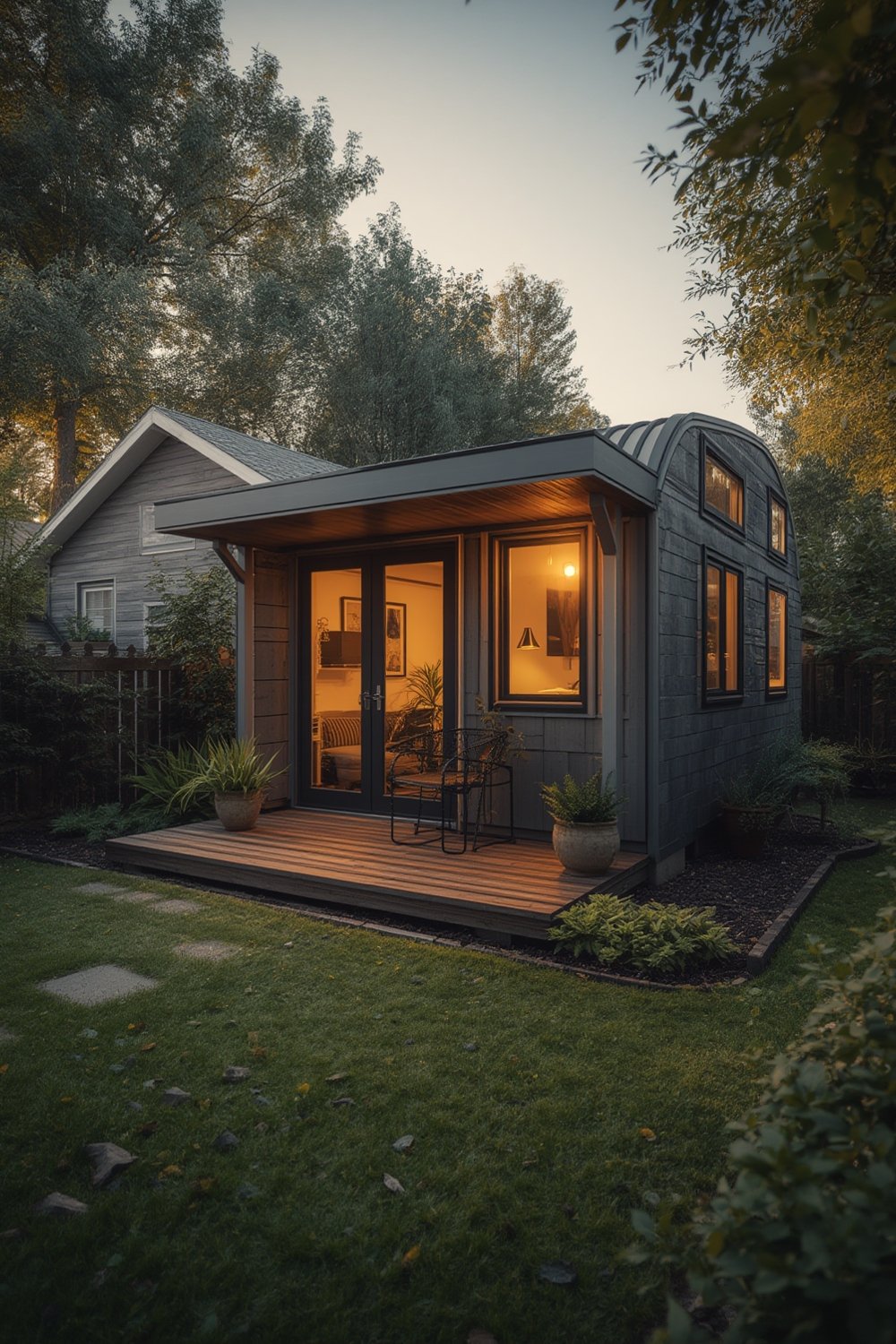
The granny pod backyard trend is not just a “tiny house” fad. Market data shows explosive growth in 2024: over 2.8 million ADU permits issued nationwide (with California leading at 32% of all permits), a $8.5 billion market, and granny pods specifically growing at 9% yearly—about 100,000 new installations annually.[1] These units address surging housing costs, longer lifespans, and the desire for multigenerational living.[2]
But before you set your heart on a backyard granny pod, you must understand the path—there are hidden hurdles, missing data, and real-world complications that impact timelines, budgets, and family relationships.
How to Plan and Build a Granny Pod Backyard (Step-by-Step)
Building a granny pod backyard dwelling is a major home upgrade. These actionable steps can help you map the journey—without nasty, avoidable surprises.
- Research Local Zoning and Permit Rules
– Not all communities allow backyard ADUs or granny pods—rules are quickly evolving. Some areas streamline permits, but others resist zoning changes for medical ADUs.[3]
– Confirm your backyard’s eligibility for a granny pod, required setbacks, maximum size, and any stipulations about utilities or occupancy. - Assess Your Budget (And Hidden Costs)
– Most guides do not list 2024 breakdowns for site prep, utility hookups, or accessibility upgrades. Modular construction can save 10-25% over traditional builds, but final costs swing wildly based on local contractor demand and materials.[4] - Define Must-Have Safety and Accessibility Features
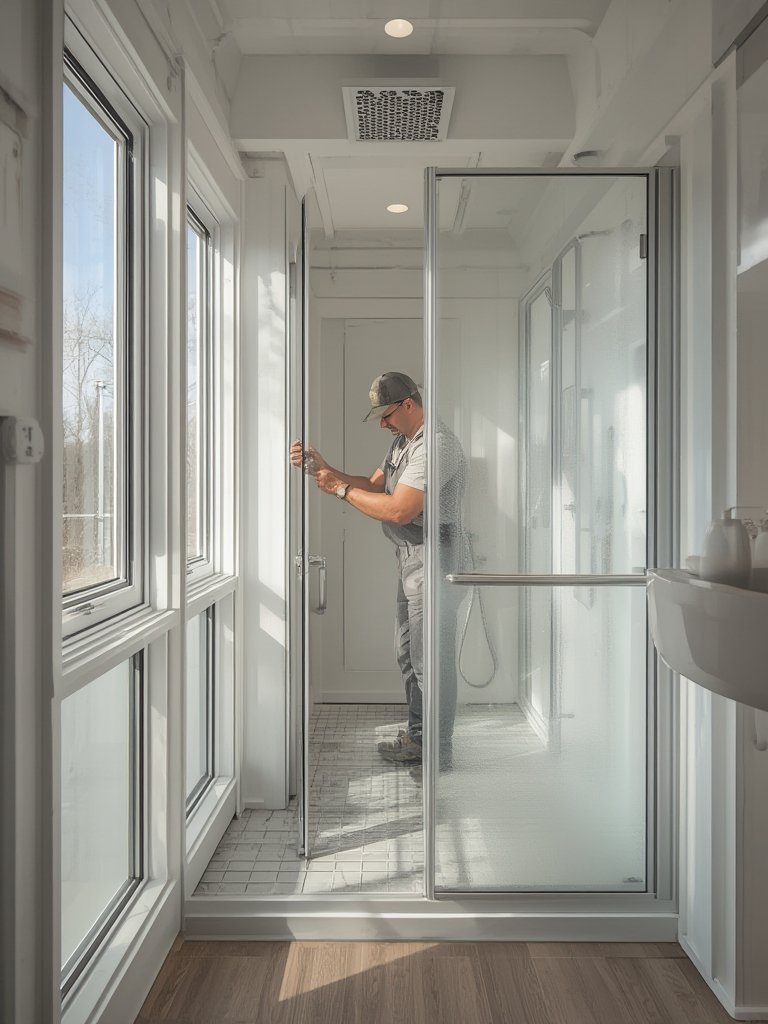
– Think future-proof: plan for step-free entries, wide doors, grab bars, and a bathroom designed for limited mobility.
– Ask about the possibility of medical alert system wiring—many prefab units forget this, but it’s critical for emergency response. - Source Qualified Vendors (Interview More Than One)
– The market lacks clear ratings or head-to-head comparisons of popular granny pod manufacturers.
– Request detailed specs: insulation, size, timeline, full price, warranty, recommended maintenance, energy codes, and delivery timeline. - Plan for Site Prep and Utilities
– Leveling, grading, and connecting to water/sewer/power can cost as much as the unit itself.
– Ask how the vendor manages permitting, inspections, and utility hookups—and if they coordinate with local officials. - Consider Ongoing Maintenance and Upgrades
– There’s little public data on the frequency or cost of repairs, repainting, or accessibility modifications for granny pod backyard units.
– Plan for annual checkups, weatherproofing, and periodic accessibility enhancements (ramps, lifts, etc). - Move-In and Test All Safety Features
– Do thorough walk-throughs before your loved one moves in. Test smoke, carbon monoxide, and medical alert systems. Review access between the main house and backyard pod—consider automatic lighting or video doorbell systems for peace of mind.
For space optimization inspiration, check out these space saving furniture ideas or explore affordable home transformations to upgrade the all-around comfort in your home alongside a granny pod.
If you need ideas for integrating pet-friendly features or garden spaces around a granny pod backyard addition, these resources can help:
- Pet essentials for small homes—for comfortable pet spaces in compact living environments.
- Raised garden bed ideas—to bring greenery and raised gardening convenience to your ADU backyard layout.
Pitfalls, Costs, and Unspoken Truths of Backyard Granny Pods
While the granny pod backyard movement is growing, families encounter roadblocks and unanswered questions. Here’s what most guides and vendor sites rarely mention:
- Zoning and Permitting Uncertainty—Not every locality allows granny pod backyard units. While permits accelerated nationwide in recent years, actual rules remain hyper-local. Some regions (like parts of Cape Cod or Hawaii) resist ADU development.[5] Research your zip code thoroughly.
- Incomplete Cost Visibility—2024 data does not provide clear breakdowns for site prep, hookup, or ongoing maintenance costs. Expect modular granny pod backyard builds to be 10-25% cheaper than stick-built cottages—but surprises like grading, tree removal, wet utilities, and accessibility upgrades can double the bill.[6]
- No Independent Vendor Reviews—There are no head-to-head quality, timeline, or customer satisfaction ratings for major granny pod prefab builders as of 2024. Most guidance is anecdotal or marketing-focused.
- Challenges Integrating Medical/Accessibility Systems—Few units are pre-wired for medical alert systems or can be easily retrofitted for ramps, grab bars, or bathroom conversions. Planning these as part of the initial build can prevent costly changes later.
- Post-Installation Upgrades and Long-Term Maintenance—Research indicates almost no published data on how often backyard ADUs require upgrades or unforeseen repairs over their lifespan. Plan for regular maintenance and be prepared to update the pod as needs evolve—especially if limited mobility or new technologies change living requirements.
- Lack of Hard Data on Health or Caregiver Outcomes—There’s anecdotal evidence that granny pod backyard living helps elderly residents and families, but no robust studies quantify improved health, reduced hospitalizations, or caregiver stress reduction.[7]
| Challenge | Data (2024) | What This Means |
|---|---|---|
| Permit Complexity | 2.8M+ total ADU permits, rules highly variable | You MUST verify local codes; approval not guaranteed |
| Project Costs | No average per-unit breakdowns; modular builds save 10-25% | Budget at least 20% extra for surprises |
| Vendor Quality | No authoritative comparison data | Interview multiple vendors, request references |
| Accessibility/Medical Alert Integration | No data on system integration prevalence | Plan these upgrades up front to avoid future hassles |
For even more backyard improvement ideas or to make the most of your new ADU surroundings, see backyard landscaping ideas or explore patio decor ideas to create an inviting outdoor space that complements your granny pod backyard investment.
Conclusion: Should You Add a Granny Pod to Your Backyard?
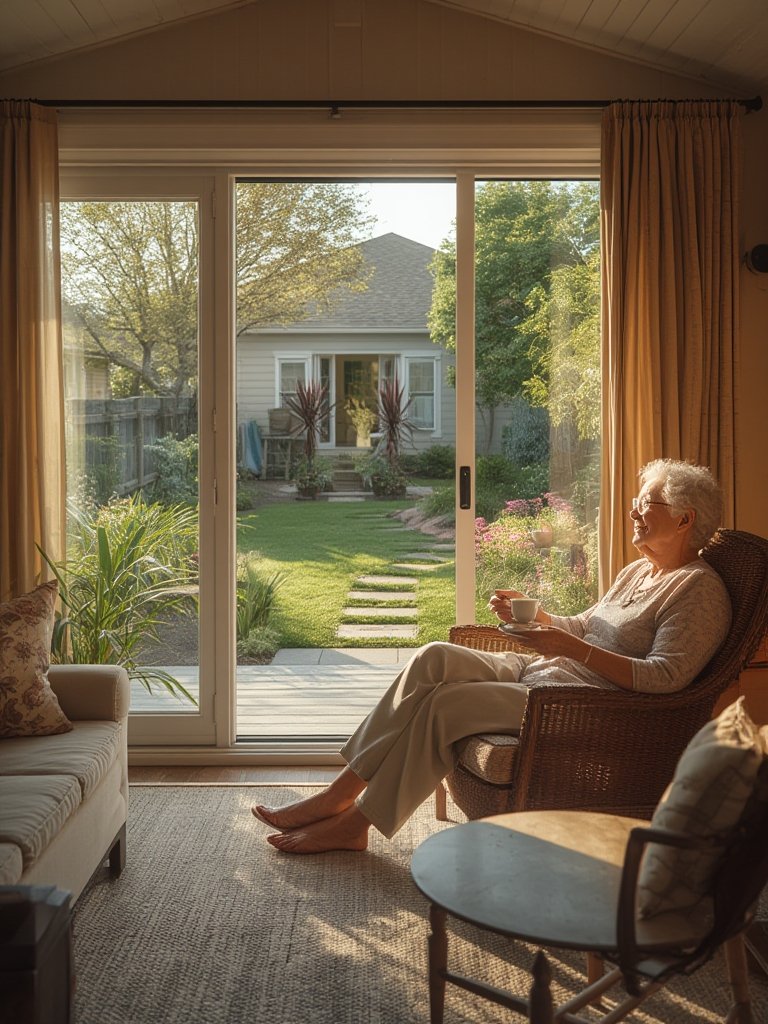
The granny pod backyard trend is reshaping elder care in the US—offering proximity, privacy, and renewed independence for seniors, while helping families balance caregiving and personal life. Growth is fueled by real need and changing housing economics, but behind the media headlines are practical traps: regulatory gaps, surprise costs, no long-term data on maintenance or well-being, and overlooked upgrades for accessibility and technology. Do your research, choose vendors carefully, and plan for the real road to a successful granny pod backyard experience. Ready to get started? Take the first step by reviewing your city’s zoning and permit rules, then sketch your vision for a granny pod backyard that truly works for your family—now and in the future.
FAQ: Granny Pod Backyard Essentials
Can I legally add a granny pod to my backyard in any US city?
No. Zoning and permitting for granny pod backyard units varies widely—even between nearby cities. Many areas have fast-tracked ADUs, while others ban or restrict them. Always check your local city or county ordinances before planning.
How much does a typical granny pod backyard build cost in 2024?
There’s no definitive average for 2024. Modular builds can save 10-25% over traditional methods, but final costs depend on size, finishes, local labor, permits, utility hookups, and site prep. Budget for hidden expenses beyond “base price.”
What should I ask potential granny pod backyard vendors?
Request full specs: insulation, energy code compliance, wheelchair accessibility, delivery time, warranty, ongoing maintenance needs, and upgrade options (especially for accessibility and medical alert systems).
Are granny pod backyard units easy to maintain long-term?
No robust maintenance data exists for aging in place. Plan for annual inspections, repairs for weather or wear, periodic upgrades to ensure accessibility, and anticipate maintenance costs as the unit ages.
Does having a granny pod in my backyard raise or lower home value?
Market impact varies by region. In expensive or ADU-friendly areas, granny pods can add significant value. In restrictive or rural areas, resale effect is unclear. Consult a local agent for up-to-date analysis.