


Table of Contents
Acoustic Wall Panels DIY Solutions: What Works, What Fails, and What Pros Don’t Tell You
Acoustic wall panels DIY solutions are booming as more homeowners and remote workers try to control noise without hiring a pro. Whether you want to soundproof a home office, gaming room, or music studio, DIY acoustic wall panels promise affordable results—but the reality can be more complex than most tutorials suggest.
As interest in acoustic wall panels DIY projects grows, many people assume that a few homemade panels will completely soundproof a room. In practice, results depend heavily on materials, placement, and realistic expectations.
Key Takeaways
- DIY acoustic wall panels can reduce echo and improve room comfort, but real soundproofing for home offices is limited by material and installation choices.
- Most acoustic wall panels DIY guides skip crucial steps like material ratings, legal fire codes, and advanced mounting methods that impact results.
- Costs, performance, and safety can vary widely compared to pre-made or professional options, so research before building.
What Are DIY Acoustic Wall Panels and Why Use Them?
DIY acoustic wall panels are custom-made boards or frames, usually filled with sound-absorbing material and wrapped in fabric, that you mount on walls to reduce echo and control unwanted noise in a room. These acoustic wall panels DIY builds have become especially popular for home offices as remote work grows in North America, where reports estimate that over 45 million square meters of acoustic panels were installed in residential settings in 2024 alone (Market Growth Reports).
The appeal of acoustic wall panels DIY solutions is clear: you can build panels for less than commercial options, tailor them to your needs and décor, and avoid major construction or adhesives. While DIY acoustic wall panels do not create true “soundproofing”—which blocks noise from leaving or entering a space—they help control echoes, reduce room reverb, and create a more focused, private workspace.
This makes acoustic wall panels DIY projects especially useful in open-plan apartments, multi-family dwellings, and home studios where sound reflections and distractions are common.
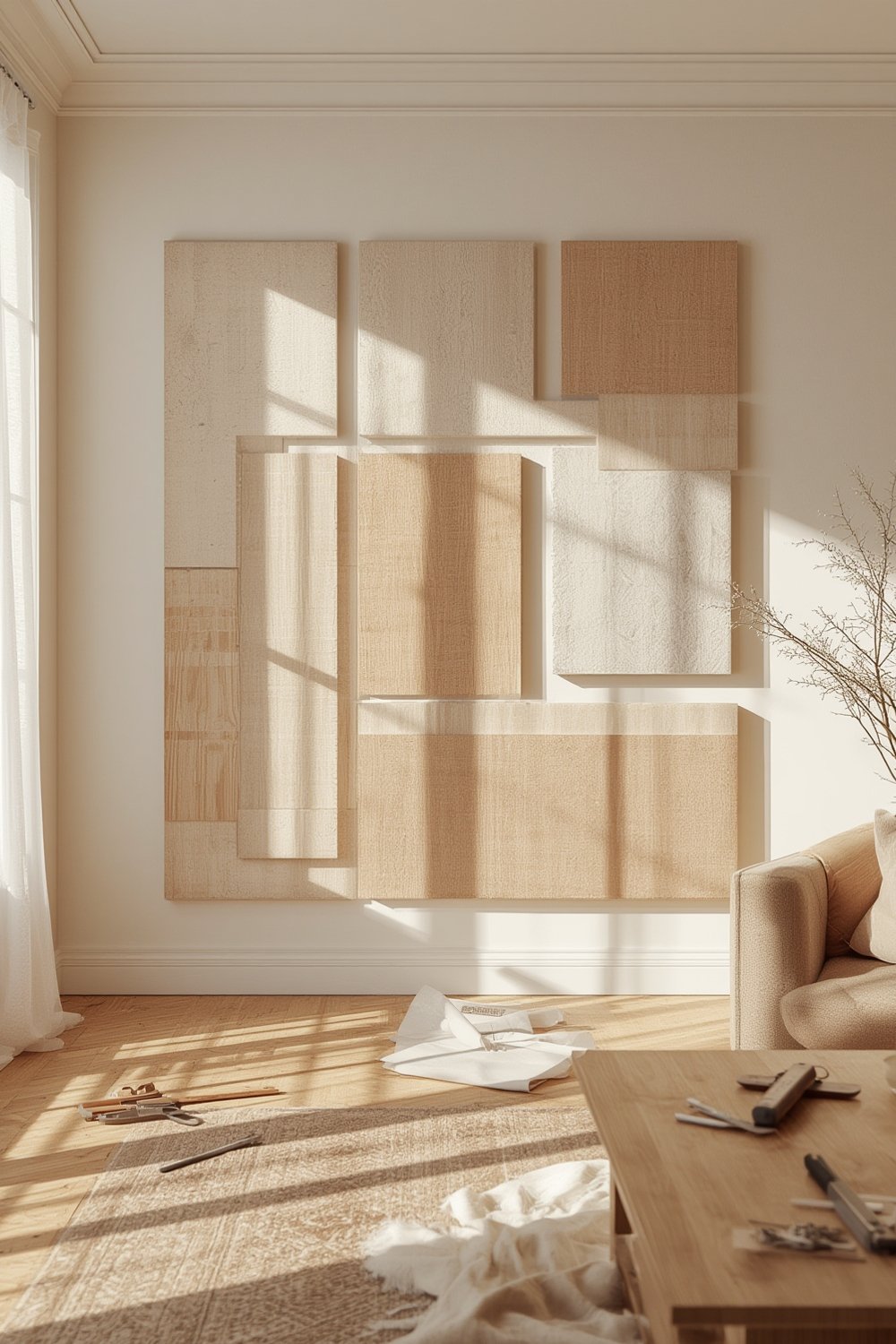
How to Build & Install Acoustic Wall Panels: Step-by-Step
Building acoustic wall panels DIY-style is a practical way to dampen noise, but it requires careful planning for the best outcome. Below is a proven step-by-step process adapted for beginners and intermediate DIYers.
Plan Panel Sizes and Locations
Measure your room, identify echo spots (clap and listen for reverb), and sketch panel sizes—common sizes are 24×48 inches and 24×36 inches. Proper placement is just as important as the build itself in any DIY acoustic wall panels project.
Choose Your Core Material
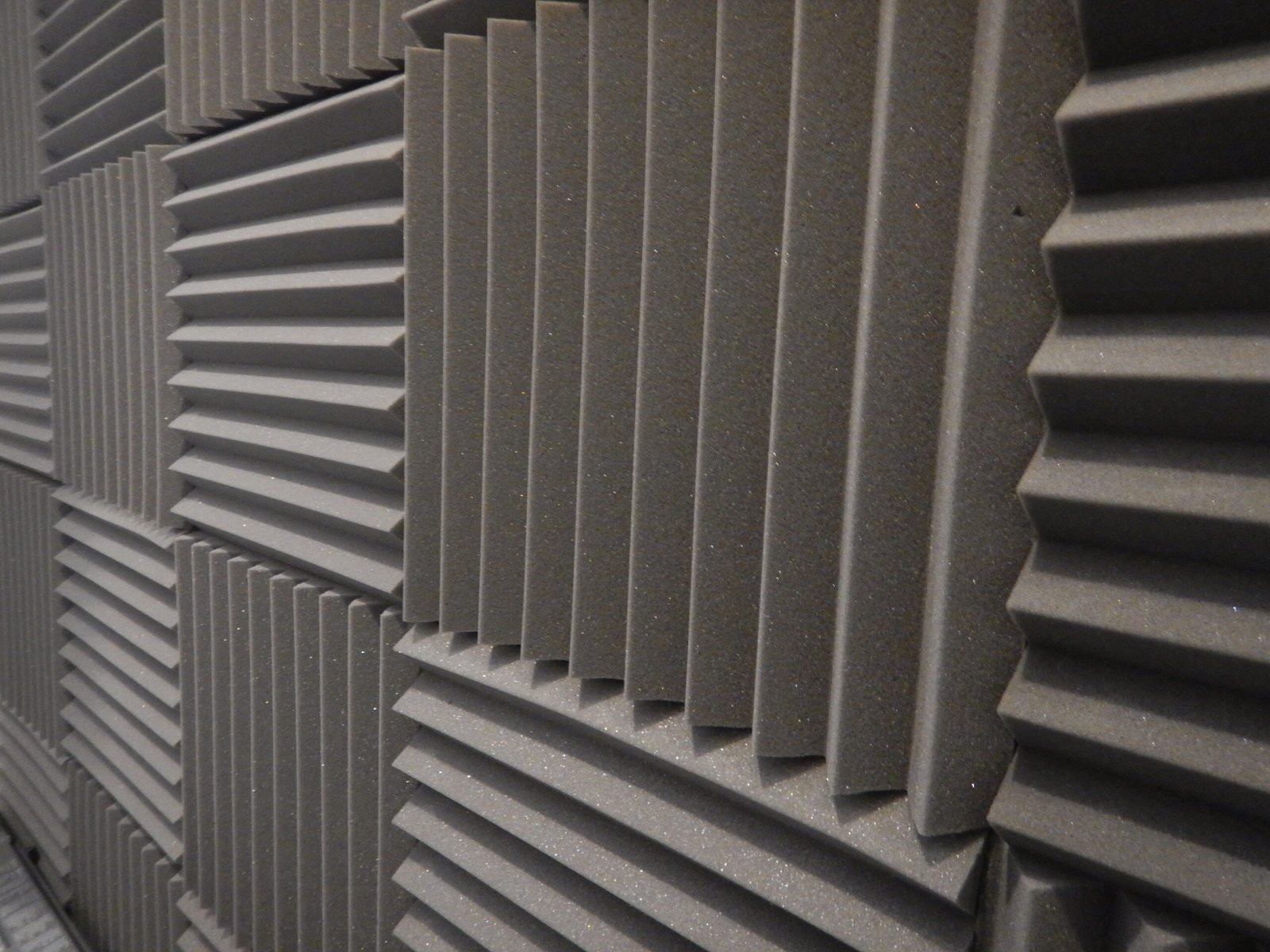
Popular acoustic fillers include mineral wool (Rockwool or Roxul Safe’n’Sound), recycled cotton batts (safer for home environments), or rigid fiberglass. Avoid basic foam if you want serious echo reduction from your acoustic wall panels DIY setup.
Construct the Frames
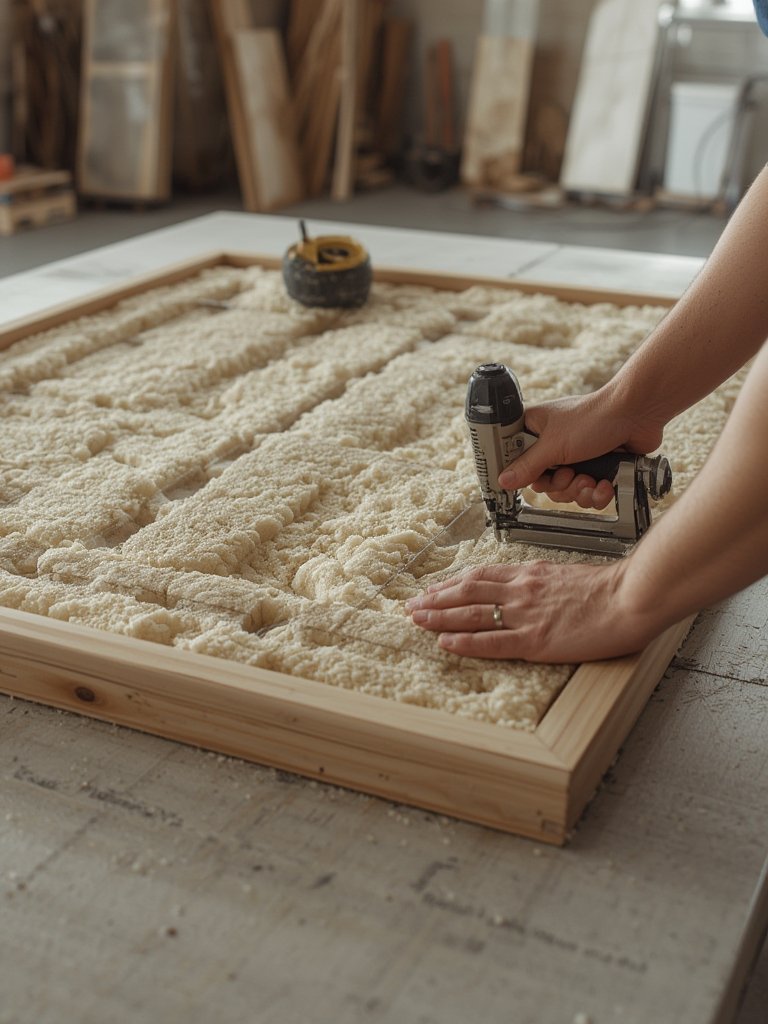
Use 1×4-inch lumber strips for lightweight yet sturdy frames. Cut to fit your panel core, fasten corners with wood glue and screws, and ensure the frame remains square.
Insert and Secure the Absorber Material
Fit the absorber inside the frame. Staple nylon mesh or weed barrier fabric behind the frame to prevent sagging over time—an often-missed step in many DIY acoustic wall panels tutorials.
Wrap in Fabric
Choose acoustically transparent fabric (avoid thick, rubberized, or vinyl-backed materials). Pull tightly and staple neatly around the back to keep your acoustic wall panels DIY build breathable and effective.
Mount the Panels Correctly
Hang panels using heavy-duty picture wire, French cleats, or direct screw mounts. Maintain a 1–2 inch air gap from the wall to significantly improve acoustic absorption.
💡 Pro Tip: Before final mounting, move your DIY acoustic wall panels around the room and listen for echo reduction. First reflection points and parallel walls usually benefit the most.
🔥 Budget Hack: Dense moving blankets or recycled denim can work for temporary acoustic wall panels DIY solutions, though they won’t match mineral wool performance.
Adding custom DIY panels to a compact workspace is in line with other comfort-focused projects for small homes. For more everyday upgrades, check out small home improvement ideas or beginner projects in our guide to DIY home improvement projects.
Advanced Analysis & Common Pitfalls of DIY Acoustic Panels
Despite the popularity of DIY acoustic wall panels, most tutorials miss critical issues that impact cost, effectiveness, and safety. Here’s a breakdown of challenges and what you realistically need to consider:
- No Standard for Performance: Commercial acoustic panels list NRC (Noise Reduction Coefficient) or STC (Sound Transmission Class) ratings. DIY panels, unless you copy lab-tested designs with exact materials, won’t have proven ratings—actual results depend on your chosen insulation type, thickness, and mounting method.
- Unknown or Unsafe Materials: Common filler choices like mineral wool, fiberglass, or recycled cotton differ in safety, cost, and noise absorption. Wear protection if handling fiberglass or mineral wool. Avoid flammable or allergenic materials unless you confirm local codes.
- Cost and Time Comparison: DIY panels typically cost less per unit, especially if making several for a studio or home office. However, sourcing safe materials, tools, and fabric adds up—and poorly built panels won’t match the longevity or looks of commercial options. No reliable 2024 side-by-side cost study exists, but expect to spend $20–$80 per panel for DIY, versus $50–$150+ for comparable pre-made panels, and $15–$30 per square foot for pro installation.
- Effectiveness Limited by Structure: DIY panels reduce echo but can’t block noise traveling through walls or floors. For true soundproofing, more invasive solutions like double drywall, green glue, or resilient channels are needed.
- Fire Safety and Legal Codes: Always check if local codes require flame-retardant panels in home offices or rentals. LEED-compliant or fire-tested materials are available but usually cost more (Market Growth Reports).
Before committing to a major project, review more affordable home transformation ideas for your budget, and explore simple home improvement projects for easy wins.
Conclusion
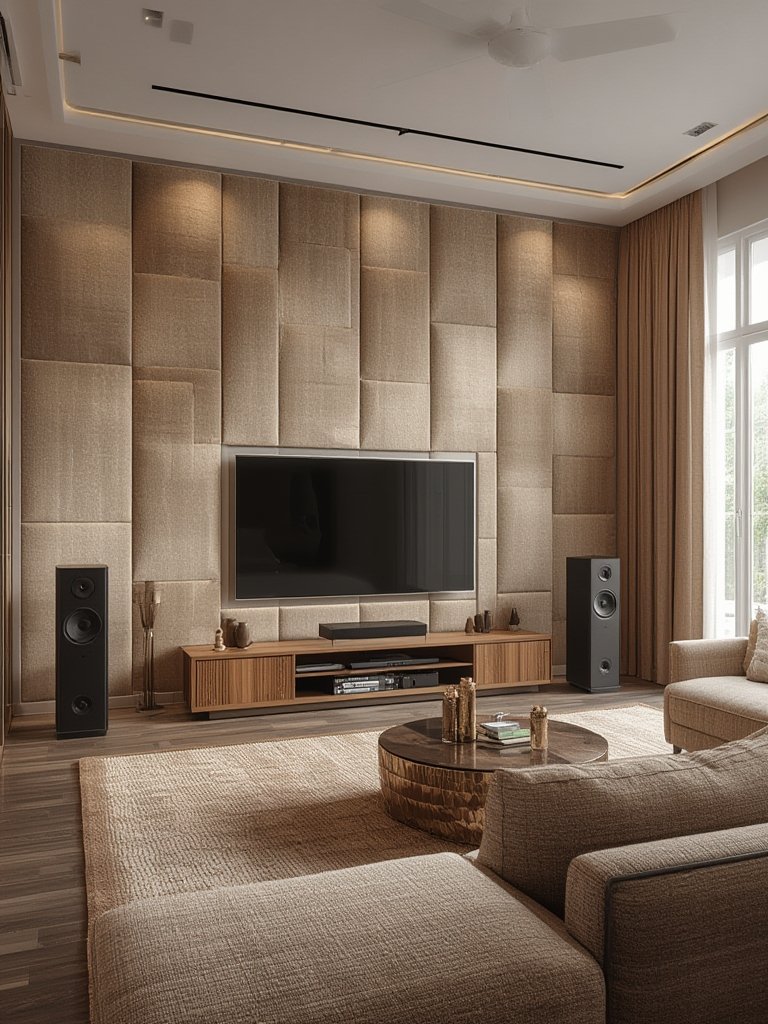
DIY acoustic wall panels are a proven way to tackle echo, speech clarity, and distractions in a home office or studio, but expectations should be realistic. True soundproofing is difficult to achieve without professional methods and lab-tested products, and building code or fire safety research is a must. If you want flexible acoustic improvement without breaking the bank, starting a acoustic wall panels DIY project is a cost-effective first step. Ready for your own build? Plan carefully, and don’t forget to check out more small apartment makeover ideas to fully optimize your living space.
FAQ
What is the main difference between acoustic wall panels and true soundproofing?
DIY acoustic wall panels absorb sound and reduce echo inside a room. In contrast, soundproofing means blocking noise from passing through walls, floors, or ceilings, requiring heavier construction and specialized barriers.
What materials work best for DIY acoustic wall panels?
Mineral wool (like Rockwool or Roxul), recycled cotton, or rigid fiberglass are best for absorption. Avoid basic polyurethane foam for serious sound issues. Always check for fire safety and local code compliance before purchase.
How many panels do I need for a home office?
A typical home office (10×12 feet) benefits from four to six standard-size panels (24×48 inches), but placement matters as much as quantity. Start at first reflection points and expand to cover more wall area as needed.
Do DIY acoustic panels reduce noise from outside my room?
No, they primarily absorb sound waves inside the room. To block noise from neighbors or outdoors, you need to consider mass-barrier soundproofing solutions—thicker walls, double drywall, and sealing all air gaps.
Are there safety or allergy risks with DIY panels?
Some insulation materials (fiberglass, some mineral wool) can irritate skin or lungs if not handled correctly. Always use gloves, masks, and seal materials in fabric. For allergy-safe options, look for recycled cotton or LEED-compliant acoustic panels.