


Table of Contents
Camping Furniture Comparison: The Ultimate Guide to Choosing the Right Gear
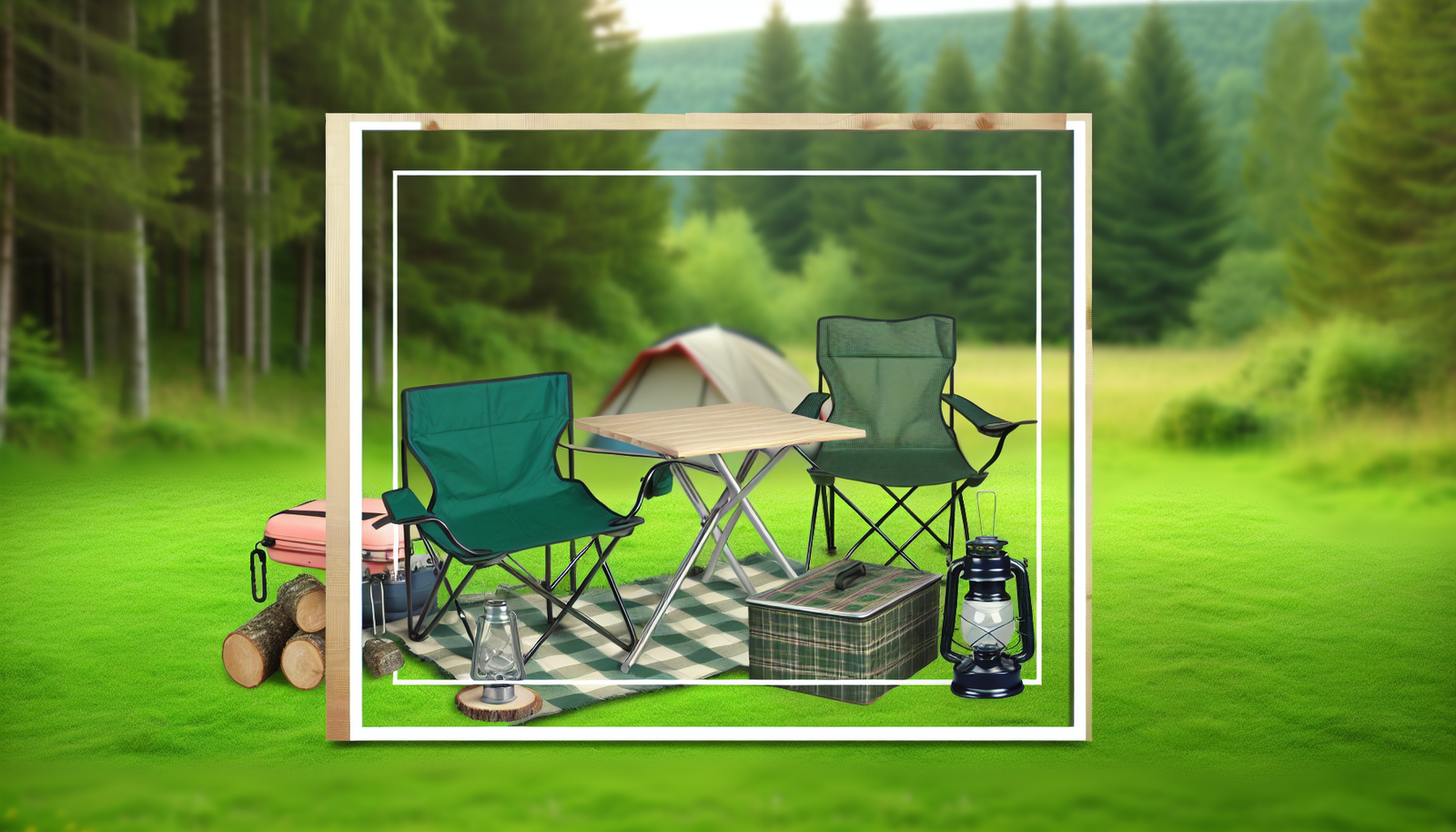
A well-planned camping furniture comparison can make the difference between a comfortable outdoor retreat and a frustrating campsite setup. While many campers focus on tents and sleeping bags, furniture plays a major role in how functional, organized, and enjoyable your camping experience actually is.
From supportive chairs and stable tables to lighting and cooking setups, camping furniture determines how you eat, relax, socialize, and manage daily tasks outdoors. The right combination of furniture improves posture, reduces fatigue, and creates a campsite that feels intentional rather than improvised.
This in-depth guide breaks down camping furniture by category, materials, and camping style. Whether you’re a backpacker prioritizing weight savings, a family camper needing spacious cook stations, or a weekend explorer looking for balance, this camping furniture comparison will help you make confident, practical choices.
What Is a Camping Furniture Comparison & Why It Matters
A camping furniture comparison is the process of evaluating different outdoor furniture options based on comfort, portability, durability, setup time, and intended use. Unlike indoor furniture, camping furniture must withstand uneven ground, moisture, temperature changes, and repeated folding and transport.
Choosing furniture without comparison often leads to common problems: chairs that collapse on uneven ground, tables that wobble during meal prep, or gear that’s too bulky for your vehicle or pack. Comparing features and use cases ensures your setup works with your camping style—not against it.
For car campers, size and comfort may take priority. Backpackers must focus on weight and packability. Overlanders and long-stay campers need durability and modularity. Understanding these distinctions is why a structured comparison matters.
Benefits of Doing a Proper Camping Furniture Comparison
1. Improved Comfort at Camp
Ergonomic chairs and proper table height reduce back strain and fatigue.
2. Better Campsite Organization
Tables, shelves, and storage furniture keep gear accessible and tidy.
3. Enhanced Cooking & Dining
Stable surfaces and cook stations make meal prep safer and easier.
4. Smarter Packing
Choosing the right materials and designs saves space and weight.
5. Long-Term Value
Durable furniture lasts for years, reducing replacement costs.
Main Types of Camping Furniture Explained
Camping Chairs
Camping chairs are the foundation of campsite comfort. They range widely in weight, structure, and support.
Many ultralight models are also featured in our best backpacking chairs guide.
Common types include:
- Ultralight backpacking chairs
- Standard folding chairs
- High-back or reclining chairs
- Low-profile fire pit chairs
Ultralight backpacking chairs are designed for hikers who prioritize weight and packed size. These models typically use aluminum frames and minimal fabric while still providing basic back support.
Standard folding chairs offer more comfort and armrests but take up more space—making them ideal for car camping rather than hiking.
Camping Tables
Tables dramatically improve campsite functionality, especially for cooking and group meals.
Table categories include:
- Compact folding tables
- Adjustable-height tables
- Steel-framed table designs
- Large utility tables
Compact tables are best for solo campers or minimal setups, while a steel-framed table offers superior stability for family camps or longer stays. Heavier tables are less portable but excel when weight isn’t a concern.
Some campers prefer modular table systems that connect with storage units or shelving, creating efficient kitchen layouts.
Cooking Stations & Camp Kitchens
For food-focused campers, dedicated cook stations are game changers. These setups often include:
- Counter-height work surfaces
- Wind protection
- Storage shelves
- Hooks for utensils
Spacious cook stations are especially useful for family camping or group trips, where multiple meals are prepared daily. They reduce clutter and keep food prep organized and sanitary.
Lighting & Camping Accessories
Furniture doesn’t stop at chairs and tables. Accessories complete the setup.
Key items include:
- Storage organizers
- Side tables
- Modern compact lanterns
- Hanging lights and task lamps
Good lighting improves safety, cooking efficiency, and evening comfort—especially in shared campsites.
Camping Furniture Materials Compared
Aluminum Camping Furniture
Aluminum frames are extremely popular because aluminum are easy to pack and transport while still offering excellent strength-to-weight ratios.
Pros:
- Lightweight
- Rust-resistant
- Ideal for backpacking and travel
Cons:
- Less stable than steel under heavy loads
Best for chairs and compact tables where weight matters most.
Steel Camping Furniture
Steel provides unmatched strength and stability.
Pros:
- Extremely sturdy
- Excellent weight capacity
- Ideal for tables and cook stations
Cons:
- Heavier
- Less portable
Steel-framed furniture works best for car camping, base camps, and family trips.
Fabric & Surface Materials
- Ripstop polyester: Durable and tear-resistant
- Mesh fabrics: Breathable in warm climates
- Composite tabletops: Easy to clean and weather-resistant
Quality stitching and reinforced stress points are key indicators of long-term durability.
Choosing Camping Furniture Based on Camping Style
Backpacking & Hiking
- Ultralight backpacking chairs
- Minimalist tables or no table
- Compact lanterns
Weight and pack size are critical here.
Car Camping
- Folding chairs with armrests
- Steel-framed table or adjustable table
- Spacious cook stations
- Larger lanterns
Comfort and convenience outweigh weight concerns.
Family & Group Camping
- Multiple chairs with cup holders
- Large utility tables
- Dedicated cooking stations
- Storage furniture
Organization and durability matter most.
Overlanding & Long-Term Camps
- Modular furniture systems
- Heavy-duty tables
- Integrated storage and lighting
Furniture should be durable, compact, and multi-functional.
Key Factors to Compare Before Buying
Comfort & Ergonomics
Seat height, back support, and fabric tension all affect comfort.
Packed Size
Measure folded dimensions—not just weight.
Setup Time
Quick-fold systems save energy after long drives or hikes.
Weight Capacity
Always check manufacturer limits.
Versatility
Furniture that serves multiple purposes offers better value.
Common Mistakes to Avoid in Camping Furniture Comparison
- Buying heavy furniture for backpacking
- Ignoring packed dimensions
- Choosing cheap fabrics that tear
- Overpacking accessories
- Skipping stability checks
Avoiding these mistakes ensures your campsite stays comfortable and functional.
Expert Tips for Selecting Camping Furniture
- Match furniture to terrain (sand, rock, grass)
- Choose aluminum for portability, steel for stability
- Test setup at home
- Use lantern hooks or table-mounted lights
- Balance comfort with transport space
Camping Furniture Comparison: Popular Gear Examples
Ultralight Backpacking Chair
Pros: Lightweight, compact
Cons: Limited comfort for long sitting
Best for: Backpackers
Folding Camping Chair
Pros: Comfortable, affordable
Cons: Bulkier when packed
Best for: Car camping
Compact Aluminum Table
Pros: Easy to carry
Cons: Smaller surface
Best for: Solo campers
Steel-Framed Utility Table
Pros: Stable, durable
Cons: Heavy
Best for: Family camps
Portable Cook Station
Pros: Organized, efficient
Cons: Larger footprint
Best for: Group cooking
FAQs About Camping Furniture Comparison
What is the most important factor in camping furniture comparison?
Matching furniture to your camping style and transport method.
Are aluminum camping tables durable?
Yes, when properly designed, they balance strength and portability.
Do I need a camping table?
Not essential, but highly recommended for cooking and organization.
What furniture is best for beginners?
Standard folding chairs and compact tables offer the easiest start.
Conclusion
A thoughtful camping furniture comparison helps you create a campsite that is comfortable, organized, and enjoyable—no matter how often or how far you travel. By understanding materials, weight, functionality, and camping style, you can invest in furniture that truly supports your outdoor lifestyle.
The right furniture turns camping from a basic overnight stay into a relaxing outdoor experience—letting you focus on nature, connection, and adventure instead of discomfort.