


Table of Contents
Vintage Furniture Restoration brings timeless pieces back to life, preserving their history, craftsmanship, and unique charm. Restoring these treasured items helps maintain cultural heritage while enhancing the character of your home. This article explores essential steps in the Vintage Furniture Restoration process, guiding you through techniques that help ensure your vintage pieces retain their beauty and integrity.
Understanding the Value of Vintage Furniture
Understanding what makes furniture truly vintage is foundational to Vintage Furniture Restoration, as identifying a piece’s era helps determine the right restoration approach. Vintage furniture typically refers to items produced between 20 and 100 years ago, showcasing the craftsmanship, style, and materials of their period. This differentiates vintage pieces from antiques, which usually exceed a century in age.
While antiques are admired for their historical rarity, vintage furniture appeals through its blend of nostalgia, distinctive design, and accessibility. For anyone invested in Vintage Furniture Restoration, appreciating these qualities ensures that repairs, refinishing, and preservation work respect both authenticity and value.
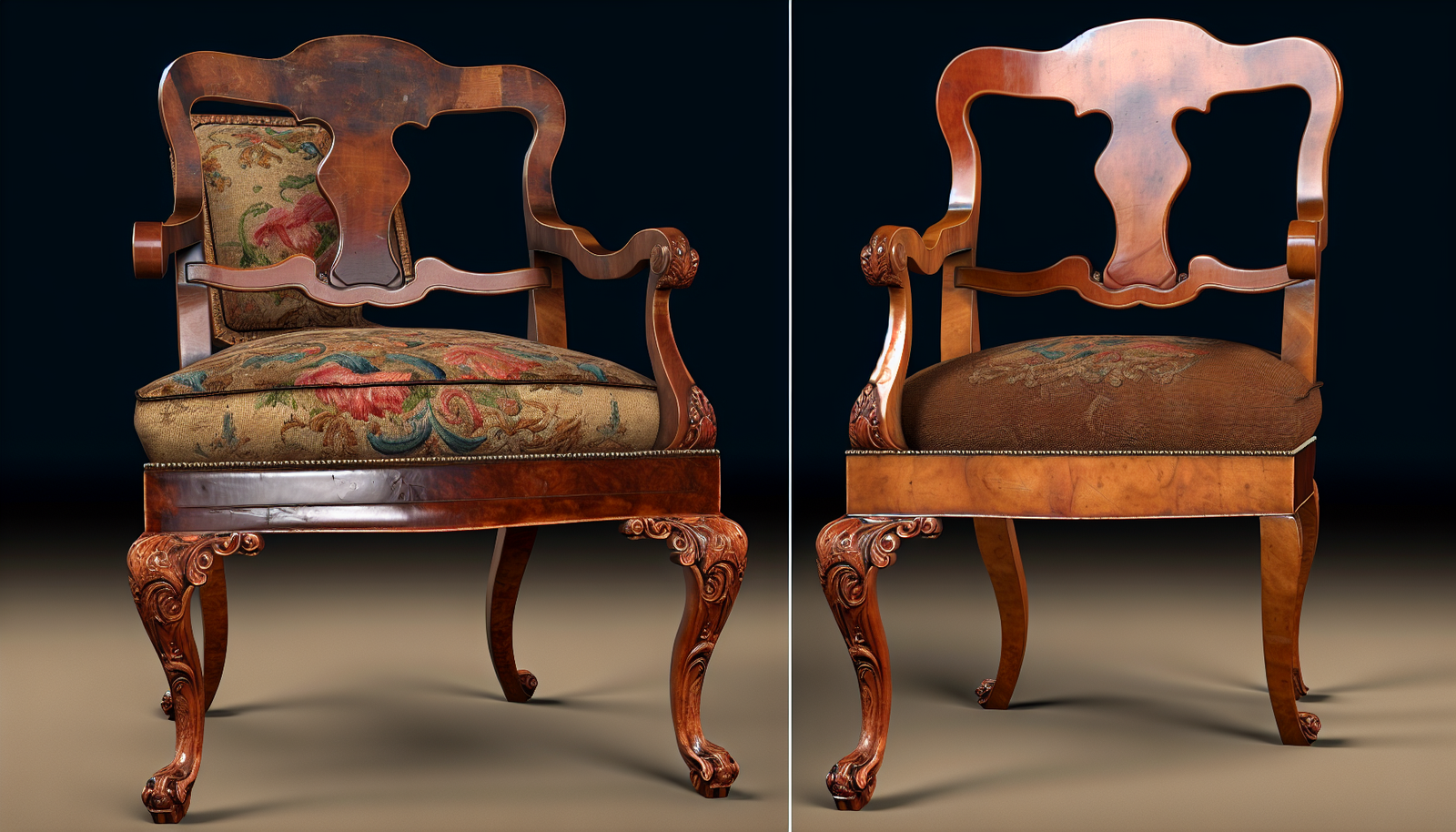
A major part of the appeal lies in the craftsmanship. Different eras showcase unique techniques—from the clean geometry of mid-century teak to the ornate carvings of Victorian design. These characteristics become essential clues during Vintage Furniture Restoration, guiding decisions on finishes, materials, and appropriate repair methods.
Identifying wood types such as walnut, mahogany, or maple also shapes restoration choices. Hardware, veneers, carving styles, and finish types all contribute to a piece’s identity—and honoring these details is key when performing historically accurate Vintage Furniture Restoration.
Assessment and Initial Steps
Before beginning any restoration work, conduct a thorough assessment in natural light. Look for structural issues such as loose joints, cracks, missing hardware, or signs of insects or rot. Examine drawers, hinges, and moving parts. Distinguish superficial wear—like scratches and surface stains—from deeper structural concerns.
Document everything through notes and photographs. Clear documentation ensures your Vintage Furniture Restoration project stays organized and preserves all important design details.
Research plays an equally important role. Reference books, online museum archives, and period catalogs offer insight into original construction techniques, finishes, and stylistic trends. Understanding the historical context ensures each restoration step aligns with the piece’s era.
Conservation Techniques and Material Selection
Ethical Vintage Furniture Restoration emphasizes minimal intervention and respect for original craftsmanship. Begin with gentle cleaning using mild solvents and soft cloths. Avoid harsh chemicals or aggressive sanding that could damage the finish or expose raw wood unnecessarily.
Stabilize weak joints using reversible adhesives like traditional hide glue, which aligns with historic construction and allows for future restoration if needed. When replacing missing components, choose wood species, veneers, and grain patterns that match the original materials as closely as possible.
Whenever possible, retain original hardware. Clean, polish, or repair it instead of replacing it, as original components greatly increase the authenticity and value of a vintage piece.
For upholstery restoration, period-appropriate materials—such as cotton webbing, horsehair, coil springs, or linen—will maintain the historical and tactile integrity of the furniture. Choosing correct materials is a core principle of high-quality Vintage Furniture Restoration.
Restoration Process and Craftsmanship
The craftsmanship involved in Vintage Furniture Restoration requires patience, skill, and respect for traditional woodworking methods. Structural repairs often involve reinforcing or recreating joints using dowels, mortise-and-tenon joinery, or other historically accurate methods.
Veneer repairs demand precision: cut and shape new veneer to match the surrounding wood, then press it in place with hide glue for an authentic restoration.
Surface refinishing is often the most transformative phase. Strip old finishes with gentle removers, sand lightly along the grain, and apply period-correct finishes such as shellac, French polish, or hand-rubbed varnish. Thin, even layers help achieve the warm, authentic sheen associated with historical craftsmanship.
Carved or decorative details must be restored with care. When necessary, restorers recreate missing portions using traditional hand tools, ensuring the piece maintains artistic continuity.
Caring for Restored Pieces
Proper aftercare ensures your restored furniture remains beautiful for decades. Place restored pieces away from direct sunlight, heat, or drastic humidity changes. Dust weekly with a soft, lint-free cloth, avoiding silicone-based or harsh chemical cleaners.
Inspect joints and hardware periodically to ensure long-term stability. Use felt pads beneath furniture feet and maintain indoor humidity between 40–55% to prevent warping, cracking, or shrinkage.
With mindful upkeep, the results of your Vintage Furniture Restoration will last for generations.
Conclusions
Vintage Furniture Restoration is a rewarding, meaningful craft that preserves cultural heritage while adding distinctive charm to your living space. By understanding the value of vintage pieces, applying ethical restoration techniques, and caring for them properly, you honor their past while ensuring they remain beautiful long into the future.